

Organic Kitchen Storage
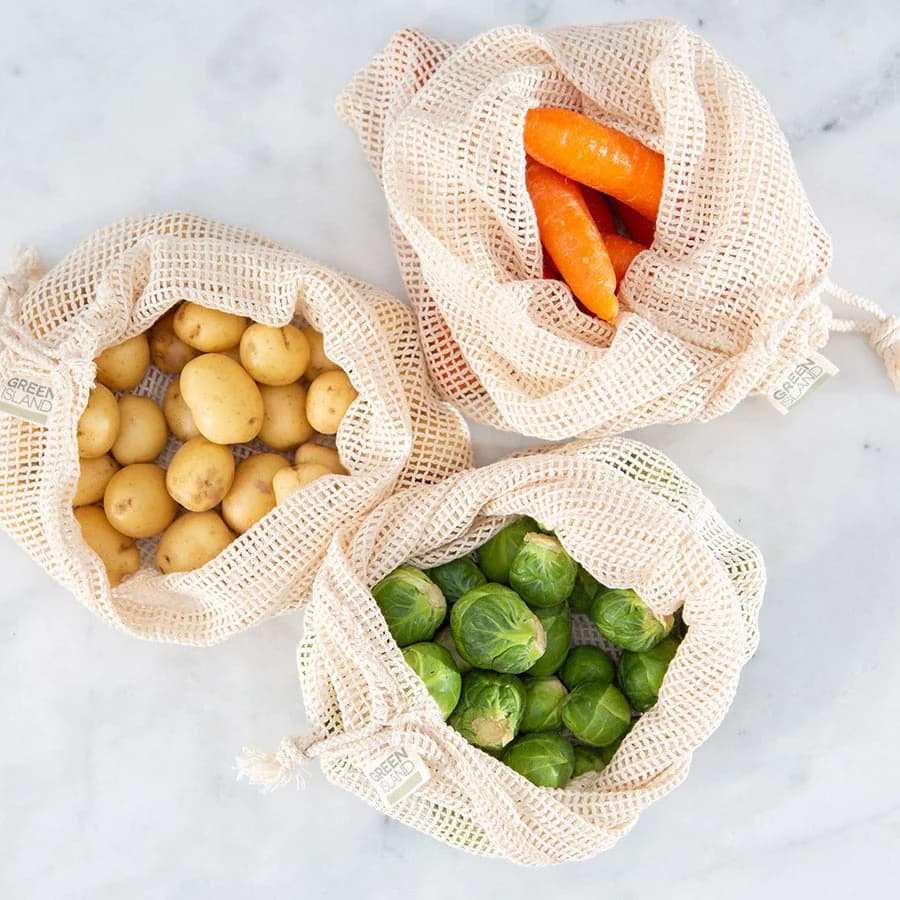
For kitchen essentials that keep your food fresh and your conscience clear, our organic kitchen storage range offers practical solutions. You will find GOTS-certified cotton produce bags, sustainably sourced bamboo containers, and natural fibre baskets designed to reduce plastic use and support healthier food preservation. These options help you maintain an organised, eco-conscious kitchen without compromising on quality or functionality.
3 products · sorted by most popular


Related Categories
Choosing Organic Kitchen Storage
When selecting organic kitchen storage, the key is to look beyond just the 'organic' label and understand what that means for different materials. For textiles like produce bags or bread bags, GOTS (Global Organic Textile Standard) certification is the gold standard. This ensures the cotton or other natural fibres are grown without synthetic pesticides and processed without harmful chemicals, from harvesting to manufacturing. For wooden or bamboo items, 'organic' often refers to the sustainable forestry practices used to cultivate the material, ensuring no harmful chemicals are used in its growth and that replanting efforts are in place. Look for certifications like FSC (Forest Stewardship Council) for wood products, which verifies responsible forest management. Consider the intended use: breathable cotton bags are excellent for vegetables and bread, while airtight bamboo or glass containers are better for dry goods or leftovers. The goal is to choose materials that are not only grown organically but also processed and finished in a way that maintains their integrity and keeps your food safe.
The Benefits of Organic Materials in Your Kitchen
Using organic materials for kitchen storage extends the benefits of organic food to your entire pantry. Beyond avoiding pesticide residues on your produce, choosing organic storage helps reduce your exposure to potential toxins found in conventional plastics, such as phthalates and BPA, which can leach into food over time. Organic cotton, for example, is grown without the use of genetically modified seeds and synthetic fertilisers, which protects soil health and biodiversity. When you opt for sustainably harvested bamboo or wood, you are supporting practices that minimise deforestation and promote ecological balance. These materials are often more durable and designed for longevity, reducing the need for frequent replacements and contributing to less waste. Ultimately, organic kitchen storage is a practical step towards a healthier home environment and a more sustainable lifestyle, ensuring that every element of your food preparation and storage aligns with your values.
Frequently asked questions
Q. What does 'organic' mean for kitchen storage products?
For kitchen storage, 'organic' typically refers to the way the raw materials are grown or sourced. For textiles like cotton, it means the fibres are cultivated without synthetic pesticides or fertilisers, often verified by certifications like GOTS. For wood or bamboo products, it indicates sustainable forestry practices and the absence of harmful chemicals during growth and processing. It ensures the material itself is produced with minimal environmental impact and without toxic inputs.
Q. How do I choose the best organic kitchen storage for my needs?
Consider the type of food you need to store and the material best suited for it. For fresh produce that needs to breathe, GOTS-certified organic cotton bags are ideal. For dry goods like grains or spices, airtight containers made from sustainably sourced bamboo or glass are excellent choices. Think about durability, ease of cleaning, and whether the item is designed for long-term reusability to align with your sustainable living goals.
Q. Are organic kitchen storage items truly better for the environment?
Yes, organic kitchen storage items generally offer significant environmental benefits. They are made from materials grown without harmful chemicals, which protects soil, water, and biodiversity. Choosing reusable organic options also reduces reliance on single-use plastics, decreasing waste. Certifications like GOTS or FSC provide assurance that the products meet stringent environmental and social standards throughout their lifecycle.
Q. Can organic kitchen storage help my food last longer?
While 'organic' primarily refers to the material's origin, the design of many organic storage solutions can help extend food freshness. For example, breathable organic cotton bags prevent produce from sweating and rotting, which is common in plastic bags. Airtight containers made from natural materials protect dry goods from moisture and pests. Proper storage, regardless of material, is key to food longevity, and many organic options are designed with this in mind.
Q. What certifications should I look for in organic kitchen storage?
For organic textiles like cotton bags, look for GOTS (Global Organic Textile Standard) certification, which covers ecological and social criteria. For wood or bamboo products, FSC (Forest Stewardship Council) certification indicates responsible forest management. These certifications provide independent verification that the products meet specific standards for environmental sustainability and ethical production, giving you confidence in your purchase.