

Plastic-Free Face Creams
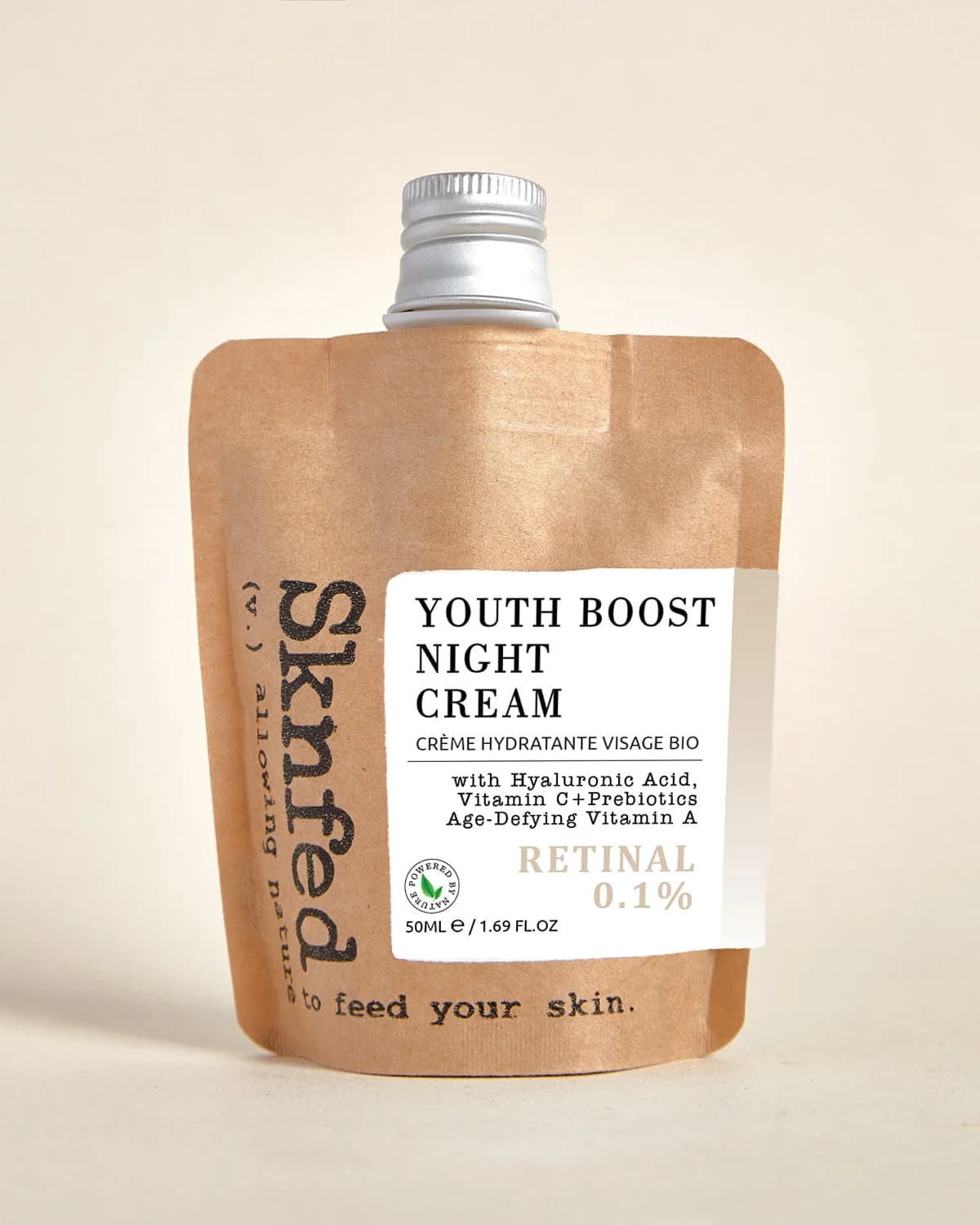
Plastic-free face creams here offer effective hydration and nourishment without contributing to plastic waste. These formulations prioritise skin health with ingredients like hyaluronic acid and plant-based oils, all housed in refillable, glass, or aluminium packaging. You will find options that are also organic and cruelty-free, ensuring your daily routine aligns with your values.
2 products · sorted by most popular

Related Categories
Choosing Plastic-Free Face Creams That Work
When selecting a plastic-free face cream, the first thing to consider is your skin type and concerns. Look for formulations designed for oily, dry, sensitive, or mature skin, just as you would with any other skincare product. The key difference here is the packaging. Opt for creams in glass jars, aluminium tins, or those with refillable systems. Many brands also use innovative materials like compostable cardboard or offer solid formats that eliminate the need for traditional containers entirely. Check the ingredient list for active compounds that address your specific needs, such as ceramides for barrier repair or vitamin C for brightening, ensuring the product delivers on its promises beyond just its packaging.
Understanding Plastic-Free Packaging in Skincare
Plastic-free in skincare means the product's primary packaging contains no virgin or recycled plastic. This often translates to materials like glass, which is infinitely recyclable and offers a premium feel, or aluminium, which is lightweight and also highly recyclable. Refillable systems are another excellent plastic-free solution, where you purchase a durable outer container once and then replenish it with product refills, often in compostable pouches or smaller, recyclable inserts. It is worth noting that some brands use bio-plastics or plant-based plastics; while these are a step in the right direction, they are not always universally compostable or recyclable through standard municipal waste streams. For truly plastic-free, focus on glass, aluminium, and certified compostable materials.
Frequently asked questions
Q. What does 'plastic-free' mean for face creams?
For face creams, 'plastic-free' means the product's primary packaging does not contain any plastic. This typically includes materials like glass jars, aluminium tins, or innovative refillable systems where the main container is designed for long-term use and refills come in non-plastic formats. It ensures that your skincare routine minimises plastic waste.
Q. Are plastic-free face creams as effective as those in plastic packaging?
Yes, plastic-free face creams are just as effective. The efficacy of a face cream depends on its formulation and active ingredients, not the material of its packaging. Many high-performing skincare brands are now choosing plastic-free packaging to align with environmental values, offering potent formulas in sustainable containers.
Q. How do I choose the right plastic-free face cream for my skin type?
To choose the right plastic-free face cream, first identify your skin type and concerns. Look for ingredients tailored to oily, dry, sensitive, or mature skin. For example, hyaluronic acid is great for hydration, while salicylic acid targets blemishes. Then, ensure the packaging is genuinely plastic-free, such as glass, aluminium, or a certified refillable system.
Q. Can I recycle plastic-free face cream packaging?
Most plastic-free face cream packaging is designed to be recyclable. Glass jars and aluminium tins are widely accepted in kerbside recycling programmes across the UK. For refillable systems, the refill components are often recyclable or compostable, while the main container is reused indefinitely. Always check the specific recycling instructions provided by the brand.
Q. What are the benefits of using plastic-free face creams?
The primary benefit of using plastic-free face creams is reducing your environmental footprint by avoiding plastic waste, which can take hundreds of years to decompose. Beyond the environmental impact, many plastic-free brands also prioritise high-quality, nourishing ingredients, often being cruelty-free, vegan, or organic, aligning with a more conscious approach to beauty.