

Vegan Makeup Remover
Finding a truly effective vegan makeup remover that respects your skin and the planet is simpler than you think. Our selection focuses on gentle, plant-based formulas designed to dissolve even waterproof makeup without stripping your skin. Look for options with nourishing ingredients like hyaluronic acid or chamomile, ensuring your skin feels clean and soft, never tight or irritated.
11 products · sorted by most popular
Brands
Certifications
Product type
Colour
Volume
Material
Scent
Skin Type
B.U.Beauty
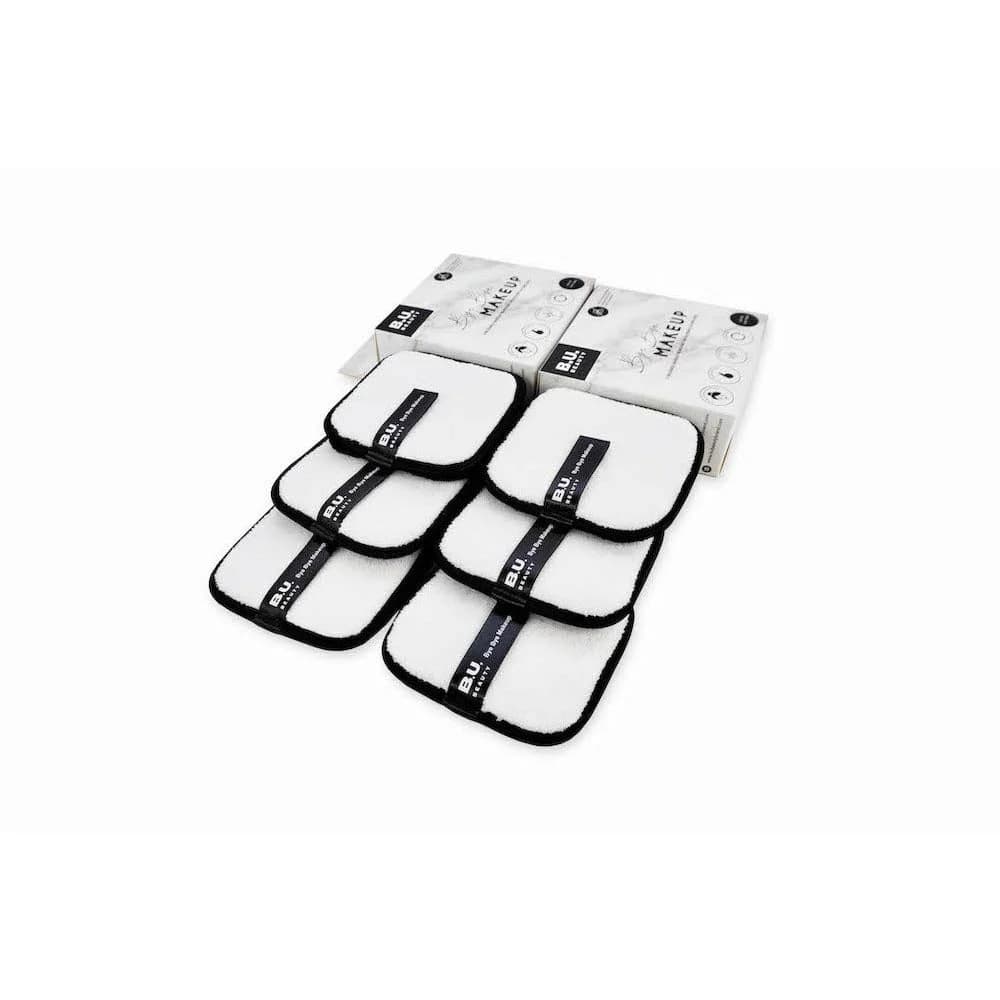
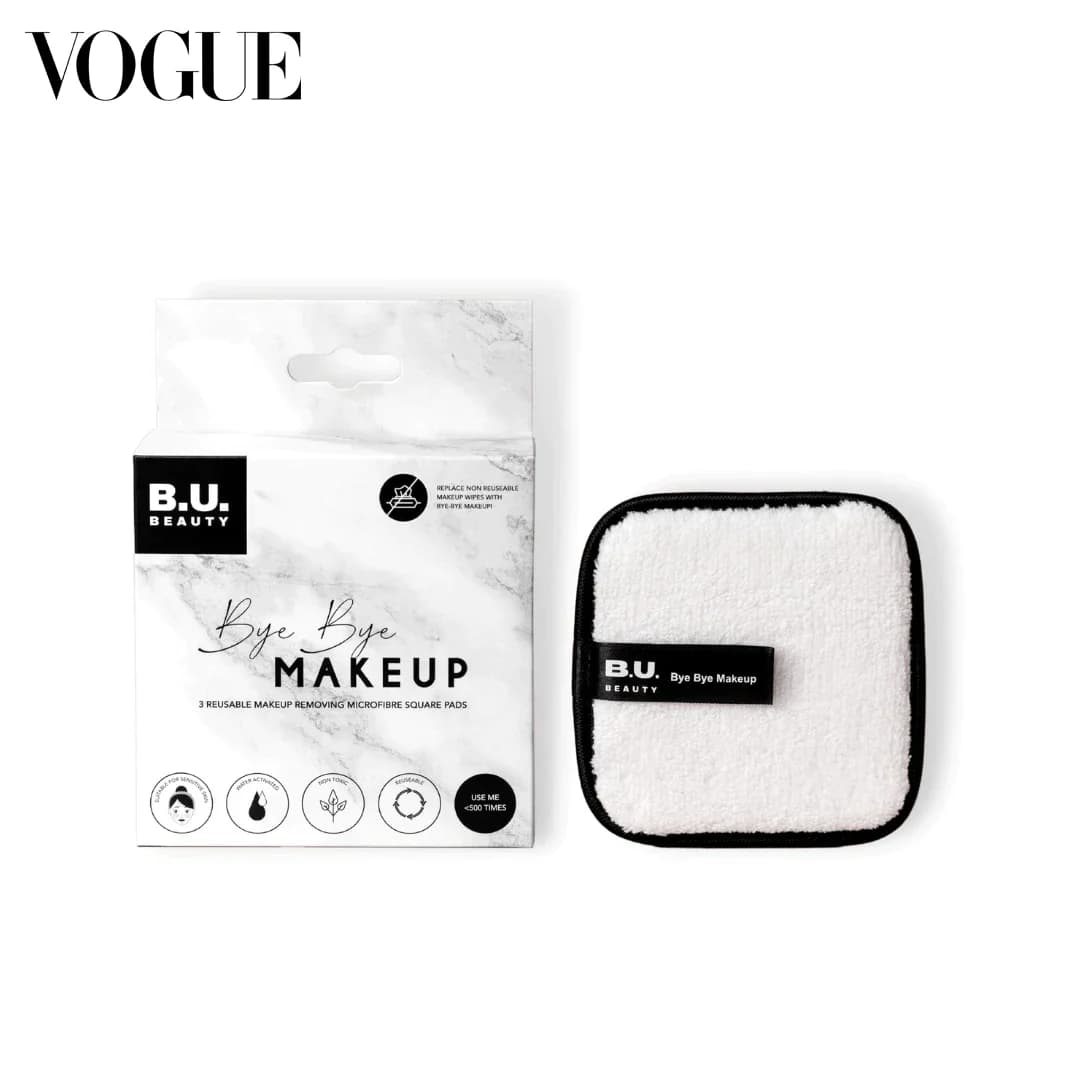
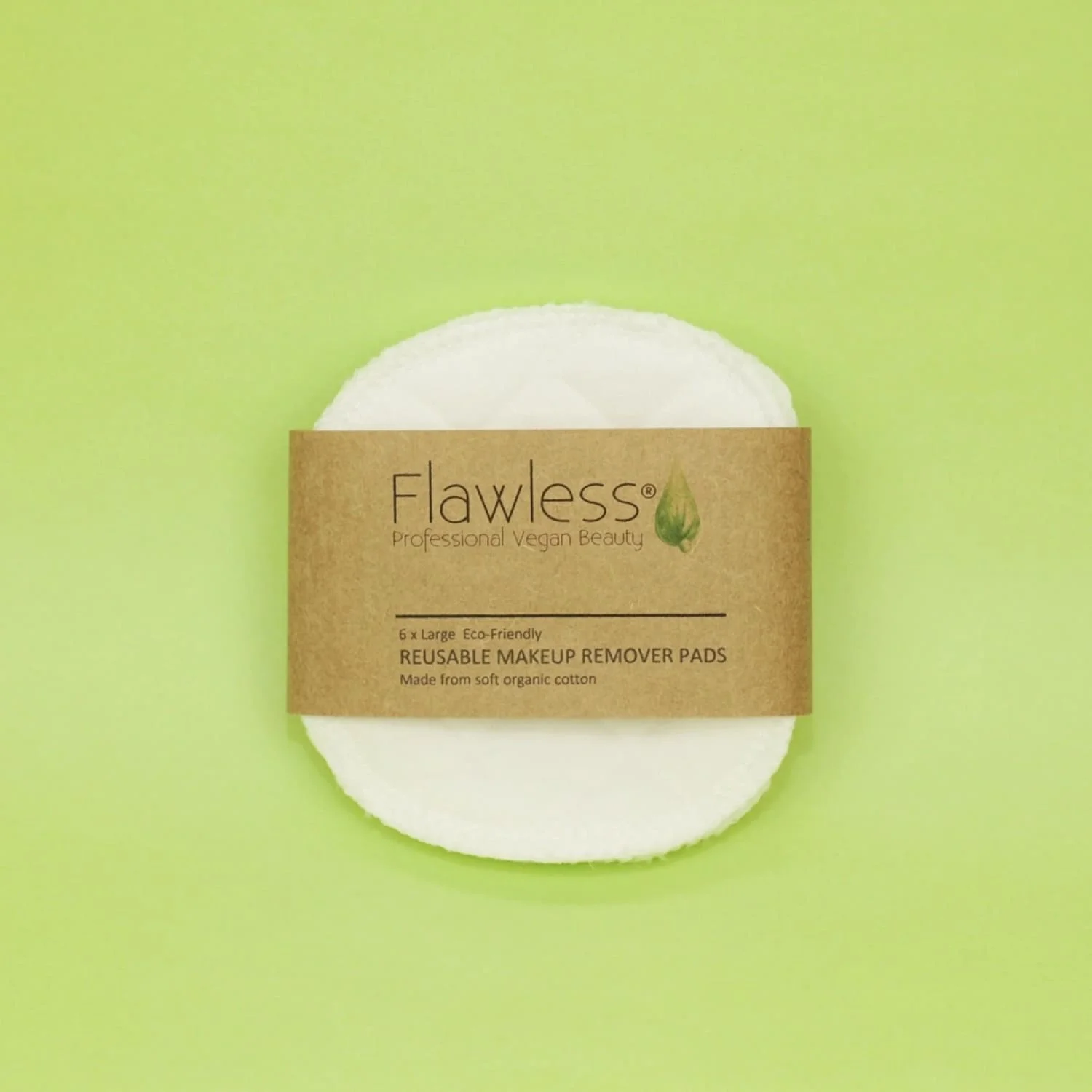
Reusable Makeup Removing Pads x6


Related Categories
Choosing the Right Vegan Makeup Remover for Your Skin
When selecting a vegan makeup remover, the first step is to consider your skin type and the type of makeup you typically wear. If you have sensitive skin, opt for fragrance-free balms or micellar waters that are less likely to cause irritation. For oily or blemish-prone skin, oil-free formulas or those containing salicylic acid can be beneficial, helping to clear pores as they remove makeup. If you wear heavy or waterproof makeup, a bi-phase remover or an oil-based cleanser will be most effective at breaking down stubborn products without excessive rubbing. Always check ingredient lists for common irritants, even in vegan products, to ensure a truly gentle experience.
Understanding Vegan Formulations and Their Benefits
Vegan makeup removers are free from animal-derived ingredients, making them a conscious choice for many. This often means they rely on powerful botanical extracts and plant oils to cleanse and nourish the skin. Ingredients like jojoba oil, sunflower oil, and various fruit extracts are common, offering hydration and antioxidant benefits alongside their cleansing properties. Beyond the ethical considerations, many find these plant-based formulations to be less irritating and more compatible with sensitive skin, as they avoid common animal by-products that can sometimes cause reactions. They also typically align with broader cruelty-free practices, ensuring no animal testing at any stage of product development.
Frequently asked questions
Q. What makes a makeup remover 'vegan'?
A vegan makeup remover contains no animal-derived ingredients. This means avoiding common components like beeswax, lanolin, carmine, or collagen, which are often found in conventional beauty products. Instead, these removers utilise plant-based alternatives and synthetic ingredients that achieve the same effective results without animal involvement.
Q. Are vegan makeup removers as effective as traditional ones?
Yes, vegan makeup removers can be just as, if not more, effective than traditional options. Many plant-based oils and extracts are highly adept at dissolving makeup, including waterproof mascara and long-wear foundations, without harsh chemicals. Formulations have advanced significantly, offering powerful cleansing while often being gentler on the skin.
Q. Can vegan makeup removers cause skin irritation?
While vegan makeup removers avoid animal-derived ingredients, they can still contain plant-based components or essential oils that some individuals might be sensitive to. It is always wise to check the full ingredient list for known allergens and perform a patch test if you have particularly reactive skin, even with products marketed as gentle.
Q. What types of vegan makeup remover are available?
You can find vegan makeup removers in various forms, including micellar waters, cleansing oils, balms, creams, and wipes. Each type offers different benefits: oils and balms are excellent for dissolving heavy makeup, while micellar waters are great for quick, light cleansing. Choose the type that best suits your routine and skin needs.
Q. How do I ensure my vegan makeup remover is also cruelty-free?
While all vegan products are free from animal ingredients, not all are automatically cruelty-free. To ensure a product is both vegan and cruelty-free, look for certifications from organisations like Leaping Bunny or PETA's Beauty Without Bunnies. These certifications verify that neither the product nor its ingredients were tested on animals.