

Vegan Body Lotion
Finding a truly effective vegan body lotion in the UK means looking beyond just the label. Here, every plant-based moisturiser is free from animal-derived ingredients like lanolin or beeswax, focusing instead on nourishing botanicals such as shea butter, jojoba oil, and hyaluronic acid. These formulations deliver deep hydration without compromise, ensuring your skin feels soft and supple, all while aligning with your values.
54 products · sorted by most popular
Brands
Certifications
Product type
Dietary
Set type
Skin concern
Volume
Material
Scent
Skin Type




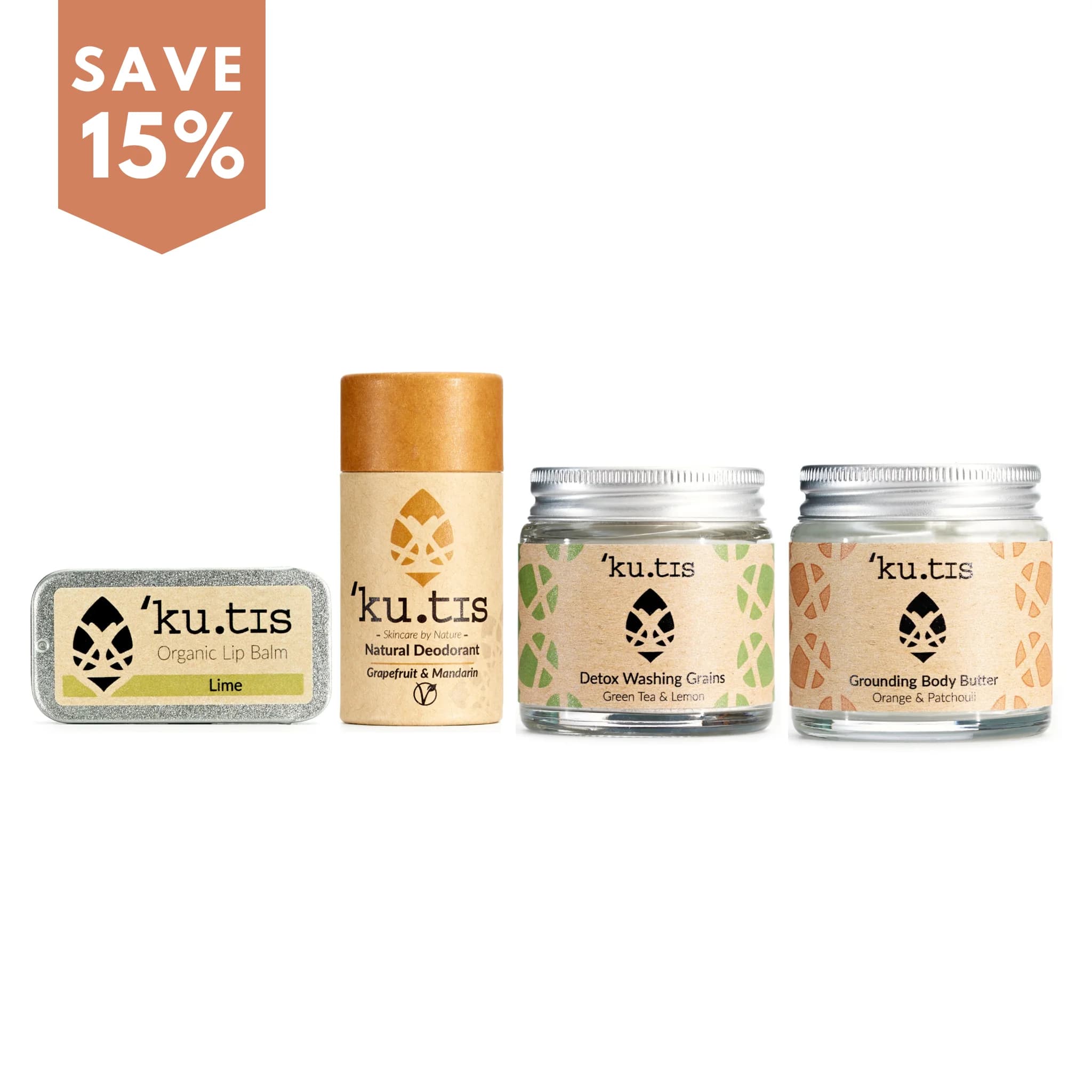
Kutis Skincare
Bright & Zesty Bundle






Showing 20 of 54 products
Load moreRelated Categories
Choosing the Right Vegan Body Lotion for Your Skin
When selecting a vegan body lotion, consider your skin's specific needs and the ingredients that best support them. If you have dry skin, look for rich formulations with emollients like cocoa butter or ceramides, which help to lock in moisture. For sensitive skin, opt for fragrance-free options with soothing ingredients such as aloe vera or colloidal oats. Oily or combination skin types might prefer lighter, non-comedogenic lotions that absorb quickly without leaving a greasy residue. Always check the ingredient list for common allergens if you have known sensitivities, even in plant-based products.
Understanding Vegan Formulations
Vegan body lotions achieve their hydrating and skin-conditioning properties using plant-derived ingredients, steering clear of animal products or by-products. This means no honey, beeswax, lanolin, collagen, or gelatin, which are often found in conventional moisturisers. Instead, you will find a wealth of botanical oils, butters, and extracts, alongside innovative plant-based alternatives for ingredients like hyaluronic acid (often derived from fermentation) and squalane (from olives or sugarcane). These ingredients are chosen for their efficacy in moisturising, protecting, and revitalising the skin, offering powerful results through ethical sourcing.
Frequently asked questions
Q. What makes a body lotion vegan?
A body lotion is considered vegan if it contains no animal-derived ingredients or by-products. This means avoiding common components like lanolin (from sheep's wool), beeswax, honey, carmine (a red pigment from insects), and collagen (often from animal connective tissues). Instead, vegan formulations rely on plant-based alternatives such as shea butter, cocoa butter, jojoba oil, plant-derived glycerine, and synthetic or plant-based hyaluronic acid to provide hydration and nourishment.
Q. Are all vegan body lotions cruelty-free?
While many vegan body lotions are also cruelty-free, the terms are not interchangeable. 'Vegan' refers to the absence of animal ingredients, whereas 'cruelty-free' means the product and its ingredients were not tested on animals at any stage of development. To ensure a product is both vegan and cruelty-free, look for specific certifications like the Leaping Bunny or Vegan Society logos, which verify both aspects of ethical production.
Q. What are the benefits of using a vegan body lotion?
Using a vegan body lotion offers several benefits, including supporting ethical practices that avoid animal exploitation. These lotions often feature nutrient-rich plant extracts, vitamins, and minerals that can be highly beneficial for skin health. Many people also find that plant-based formulations are gentler on sensitive skin, as they typically avoid some common irritants found in conventional products, though individual reactions can vary.
Q. Can vegan body lotion be as effective as conventional options?
Yes, vegan body lotions can be just as, if not more, effective than conventional options. Modern cosmetic science has developed highly potent plant-based ingredients that deliver excellent hydration, nourishment, and skin-improving benefits. Ingredients like plant-derived hyaluronic acid, various botanical oils, and rich plant butters are known for their ability to deeply moisturise, protect the skin barrier, and address specific skin concerns effectively.
Q. How do I ensure the vegan body lotion I choose is truly ethical?
To ensure your vegan body lotion is truly ethical, look for transparent brands that clearly list their ingredients and sourcing practices. Beyond being vegan and cruelty-free, consider brands that also focus on sustainable packaging, fair trade ingredients, and responsible manufacturing processes. Certifications from reputable organisations like the Vegan Society or B Corp can provide additional assurance regarding a brand's overall ethical commitment.