

Vegan Underwear
Finding comfortable vegan underwear that aligns with your values is simpler than it used to be, with options made from organic cotton, bamboo, and recycled materials. These pieces are designed for everyday wear, prioritising breathability and a soft feel against the skin. We focus on brands that avoid animal-derived materials like silk or wool, instead using innovative plant-based fibres and ensuring production methods are kind to both people and the planet.
4 products · sorted by most popular
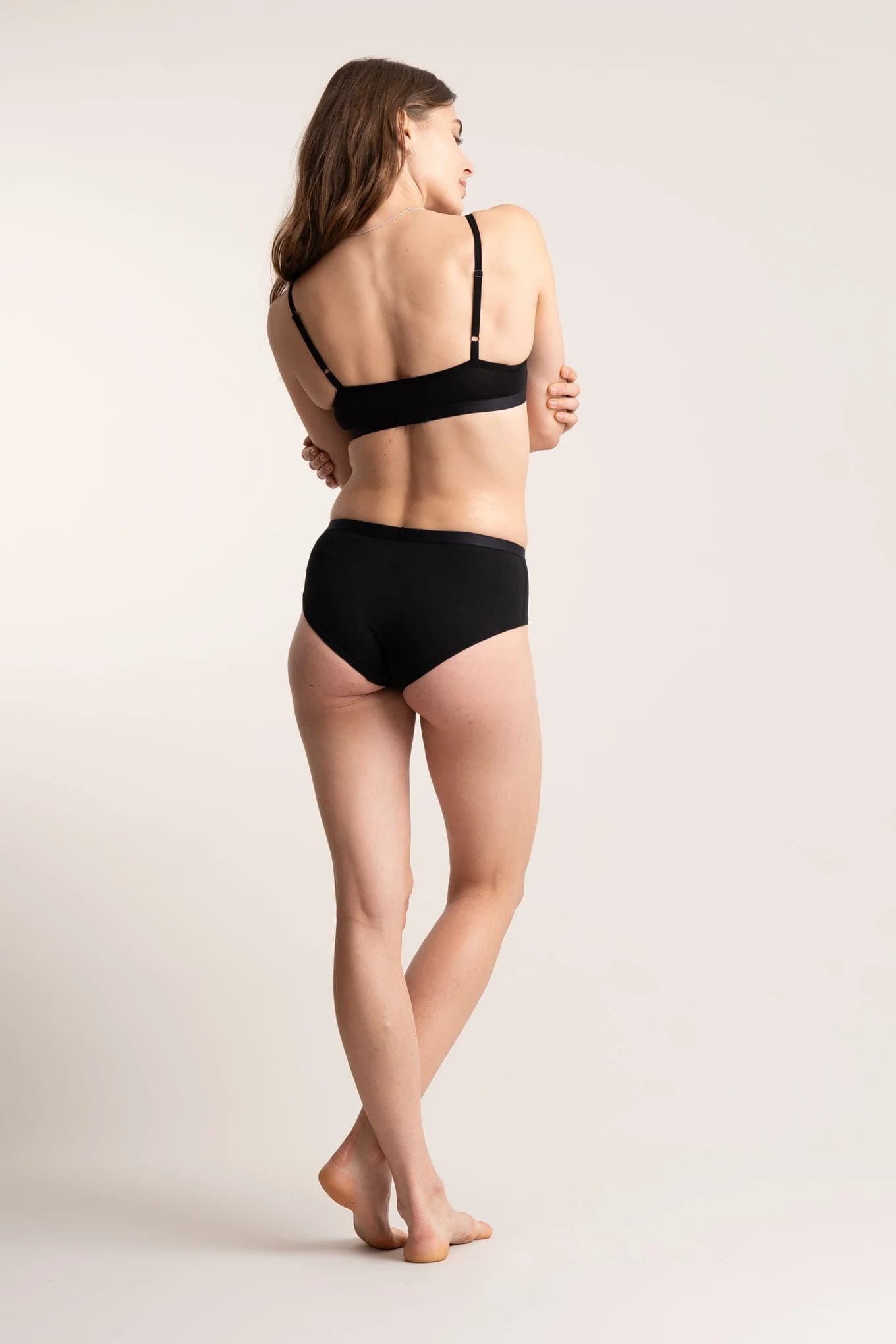
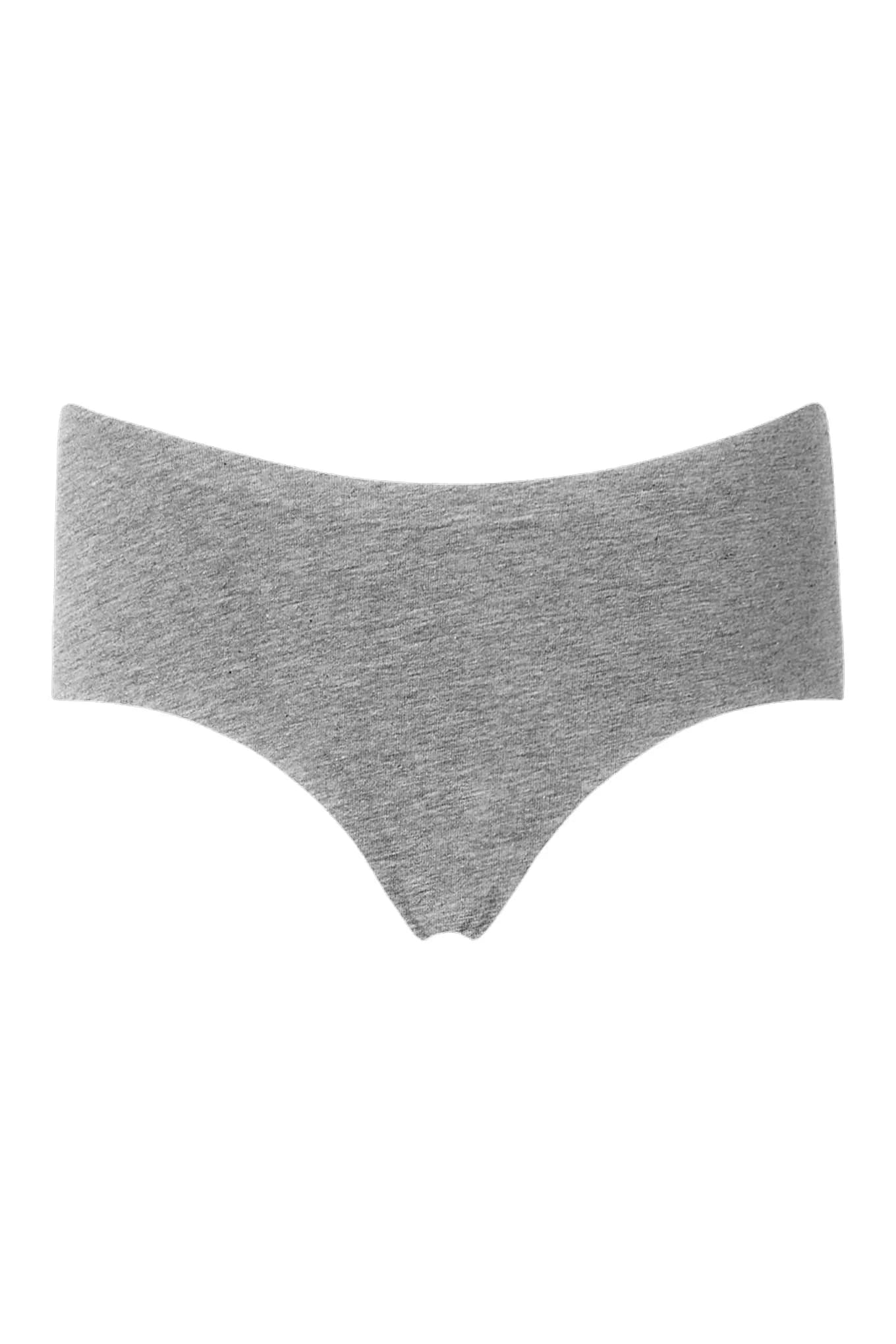


Related Categories
Choosing Vegan Underwear That Lasts
When selecting vegan underwear, the material is the first thing to consider. Look for options made from organic cotton, bamboo, Tencel, or recycled synthetics. Organic cotton is a popular choice for its softness and breathability, while bamboo offers natural moisture-wicking properties, making it excellent for daily comfort. Tencel, derived from sustainably sourced wood pulp, provides a silky feel and drapes beautifully. Recycled polyester or nylon blends can offer durability and stretch, often incorporating post-consumer waste to reduce environmental impact. Always check the blend composition to ensure all components are vegan, including any dyes or elastic.
Beyond materials, consider the ethical production of your vegan underwear. Many brands committed to vegan principles also extend their values to fair labour practices and sustainable manufacturing processes. This means looking for certifications that verify fair wages and safe working conditions, alongside environmental standards. Well-constructed seams and durable elastic are indicators of quality that will ensure your underwear withstands repeated washing and wear, reducing the need for frequent replacements. Investing in a few high-quality, well-made pieces will serve you better in the long run than a drawer full of fast-fashion alternatives.
Understanding Vegan Underwear Materials
The world of vegan underwear is rich with innovative and comfortable materials, each with unique benefits. Organic cotton is a staple, grown without harmful pesticides and often softer than conventional cotton. It is breathable and hypoallergenic, making it ideal for sensitive skin. Bamboo fabric is another excellent choice, known for its exceptional softness, natural antibacterial properties, and ability to regulate temperature, keeping you cool in summer and warm in winter. Tencel Lyocell, a branded lyocell fibre, is produced in a closed-loop system, meaning nearly all solvents are reused, making it a highly sustainable option that feels incredibly smooth and gentle. Modal, another cellulosic fibre, is often blended for added softness and drape.
For performance or specific fits, recycled synthetics like recycled nylon or polyester are increasingly common. These materials divert plastic waste from landfills and oceans, transforming it into durable, stretchy fabrics suitable for activewear or seamless designs. When evaluating these, ensure the brand is transparent about the source of their recycled content and their overall sustainability practices. Avoid materials like silk, wool, or leather, which are animal-derived, and always double-check labels for hidden animal products in dyes or finishes. A good rule of thumb is to prioritise natural, plant-based fibres first, and then consider recycled synthetics from transparent brands.
Frequently asked questions
Q. What makes underwear vegan?
Vegan underwear is made entirely without animal-derived materials. This means avoiding fabrics like silk, wool, cashmere, or leather, and also ensuring that no animal products are used in dyes, glues, or finishes. Instead, vegan options rely on plant-based fibres such as organic cotton, bamboo, Tencel, or recycled synthetic materials like recycled nylon or polyester.
Q. Is vegan underwear always sustainable?
Not all vegan underwear is automatically sustainable, though many brands committed to vegan principles also prioritise sustainability. Sustainability in underwear production considers factors like water usage, energy consumption, ethical labour practices, and the environmental impact of raw material sourcing. Look for certifications like GOTS for organic cotton or OEKO-TEX for textile safety to ensure broader environmental and social standards are met.
Q. What are the best materials for vegan underwear?
The best materials for vegan underwear depend on your priorities. Organic cotton is excellent for breathability and comfort, especially for sensitive skin. Bamboo offers exceptional softness, moisture-wicking, and temperature regulation. Tencel (Lyocell) provides a silky feel and is produced using a highly sustainable closed-loop process. For durability and stretch, recycled nylon or polyester blends are good options, often made from post-consumer waste.
Q. How do I care for vegan underwear?
Caring for vegan underwear generally involves gentle washing to preserve the fabric and elasticity. Most plant-based and recycled synthetic underwear can be machine washed on a cool or warm cycle with a mild, eco-friendly detergent. It is often best to air dry to extend the life of the garments and reduce energy consumption. Always check the specific care label for the manufacturer's recommendations, as different materials may have unique requirements.
Q. Why choose vegan underwear?
Choosing vegan underwear supports animal welfare by avoiding materials derived from animals. It also often aligns with broader ethical and environmental considerations, as many vegan brands prioritise sustainable sourcing and fair labour practices. For individuals with allergies or sensitivities, plant-based materials can also offer a more comfortable and hypoallergenic option compared to some animal fibres.