

Strachan 90% Cotton Socks


Strachan 90% Cotton Socks
These playful lilac and vanilla yellow socks are made from 90% reclaimed cotton, diverting textile waste and crafted in a Leicestershire family-run factory, ensuring both comfort and a reduced environmental footprint.


In stock
Dispatched directly by Socko from United Kingdom
UK standard delivery typically 1–3 business days
 1% for the Planet
 FSC
FSC Global Recycled Standard
Inspired by Michaela Strachan's adventurous spirit and love for wildlife, these socks bring a cheerful, outdoorsy vibe to your everyday.
Made from 90% reclaimed cotton, these socks actively reduce waste by utilising yarn from UK mills that would otherwise go unused. The addition of 10% ECONYL® nylon ensures they are soft yet durable, perfect for those who enjoy the outdoors.
Produced in a family-run factory in Leicestershire, each pair comes with a needle and thread, encouraging repair over replacement and aligning with a dedication to environmental responsibility.
Composition:
- 90% reclaimed cotton
- 10% ECONYL® nylon
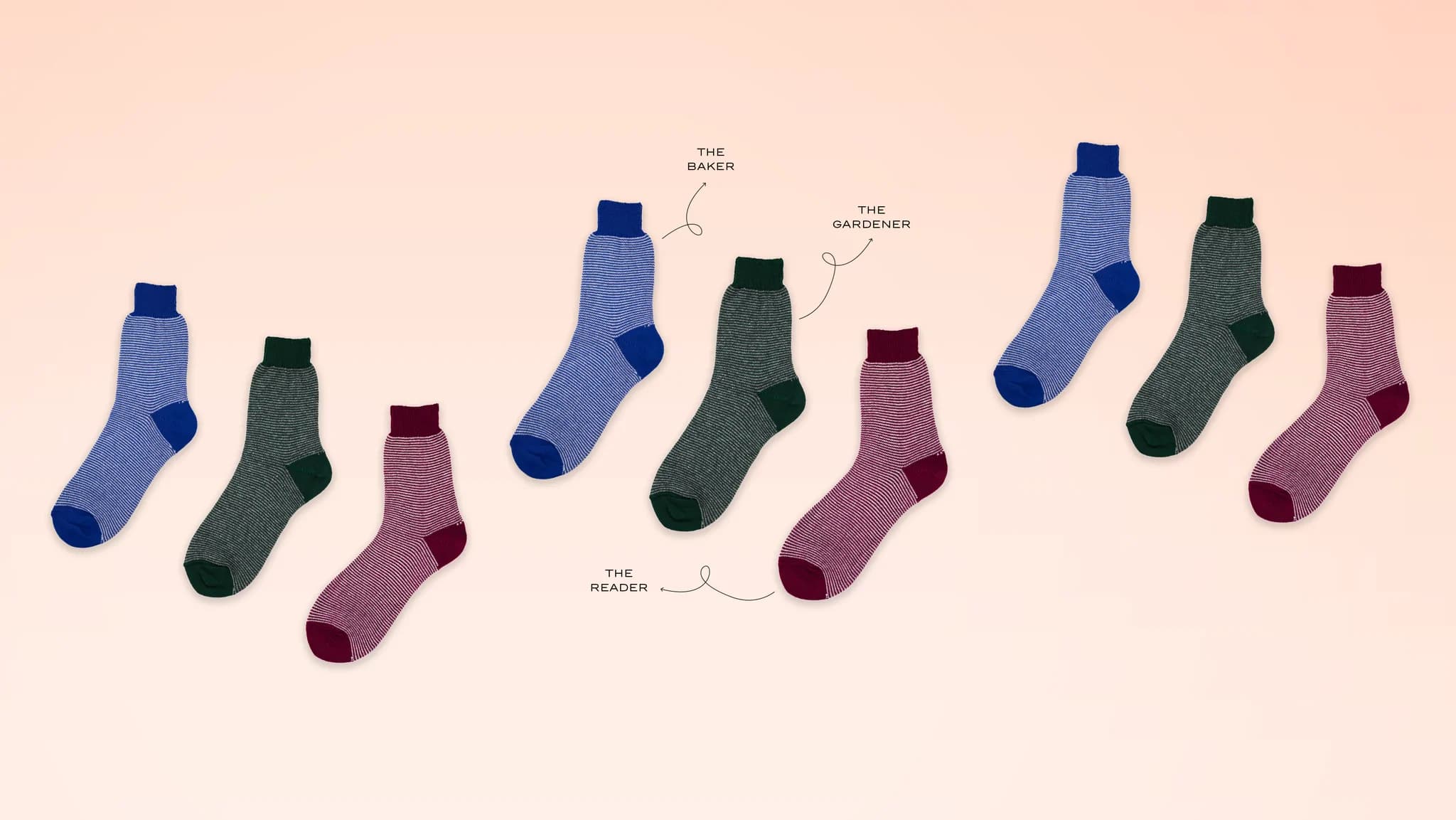
About Our Brand Socko
Socko tackles the often-overlooked issue of textile waste within everyday essentials, specifically focusing on socks. In a world grappling with the environmental impact of fast fashion, Socko provides a solution for durable, comfortable footwear that actively diverts materials from landfill, offering a more responsible choice for consumers.
What truly sets Socko apart is their innovative material composition, which transforms discarded resources into high-performance products. Their socks are made from a blend of 50% pre-consumer garment cutting waste cotton, 33% polyester from recycled plastic bottles, and 17% ECONYL® regenerated nylon from fishing nets, ensuring both exceptional durability and comfort.
Beyond material innovation, Socko champions a repair culture, a tangible commitment to longevity that extends the life of their products. Every pair includes a mending kit and darning instructions, empowering customers to participate in reducing textile waste and fostering a more sustainable consumption behaviour.