

Organic Trousers
Finding comfortable and durable organic trousers means looking for fibres grown without synthetic pesticides or fertilisers. Our selection features styles made from GOTS-certified organic cotton, ensuring a lower environmental impact from field to finished garment. These are trousers designed for everyday wear, offering both quality and peace of mind that your clothing choices align with a more sustainable approach.
97 products · sorted by most popular
Brands
Certifications
Product type
Colour
Clothing Size
Material
Fit
Style


Komodo
Organic Cotton Jogger Olive

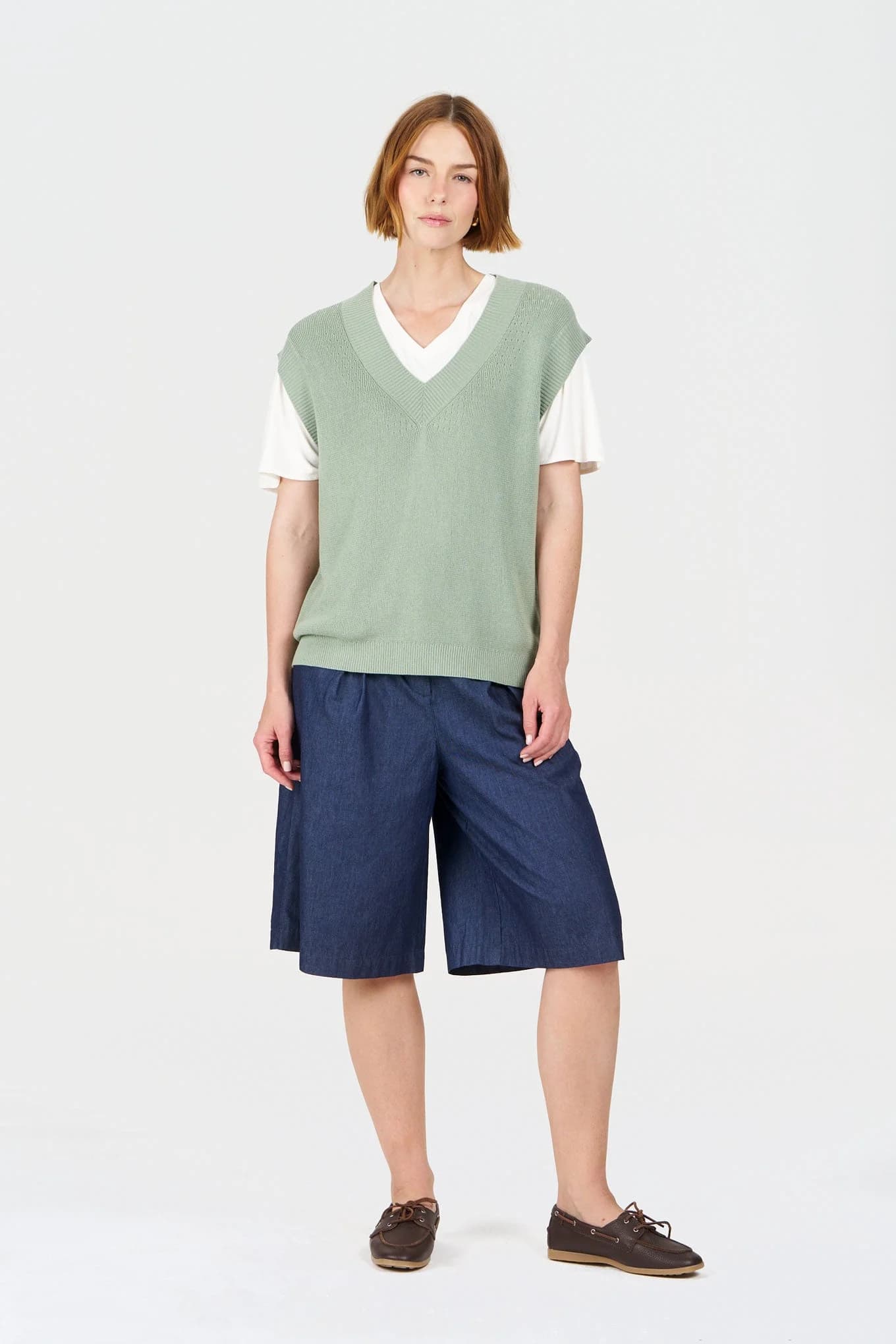
Komodo
Organic Cotton Midwash Shorts


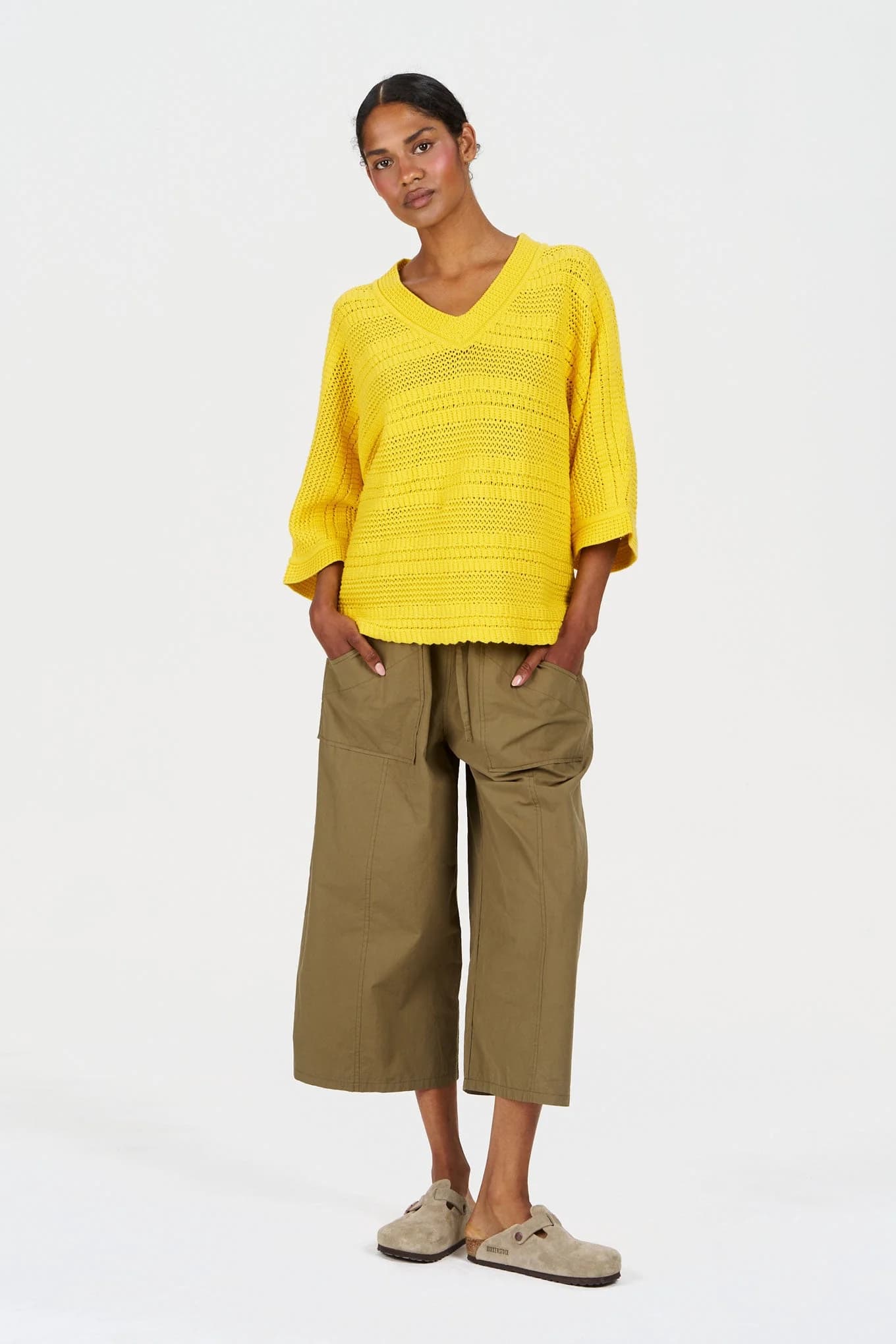
Komodo
Organic Cotton Trousers Khaki
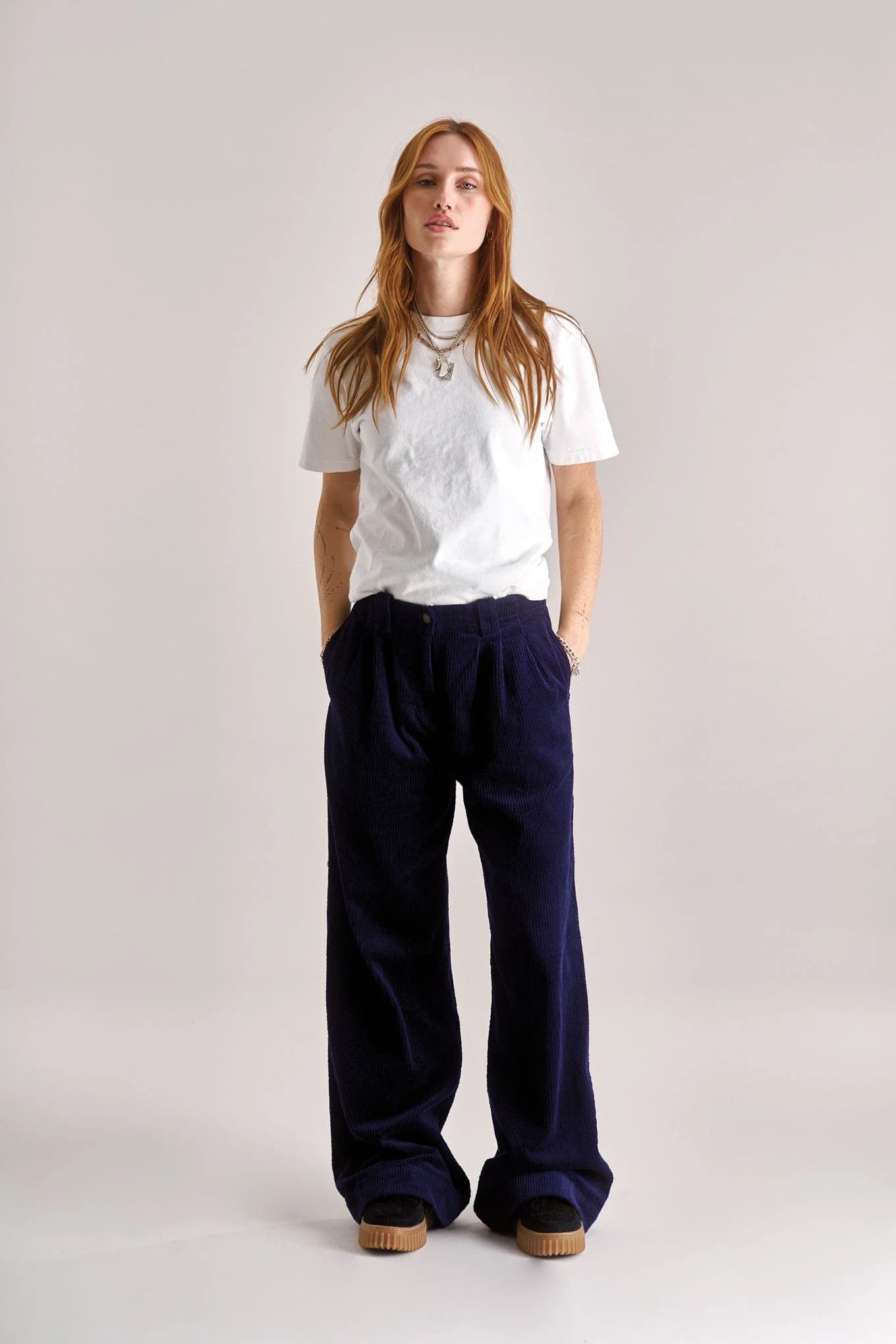
Komodo
Organic Cotton Cord Trousers

Komodo
Organic Cotton Jogger Lilac

Komodo
Organic Cotton Broderie Shorts

Komodo
Organic Cotton Cord Shorts
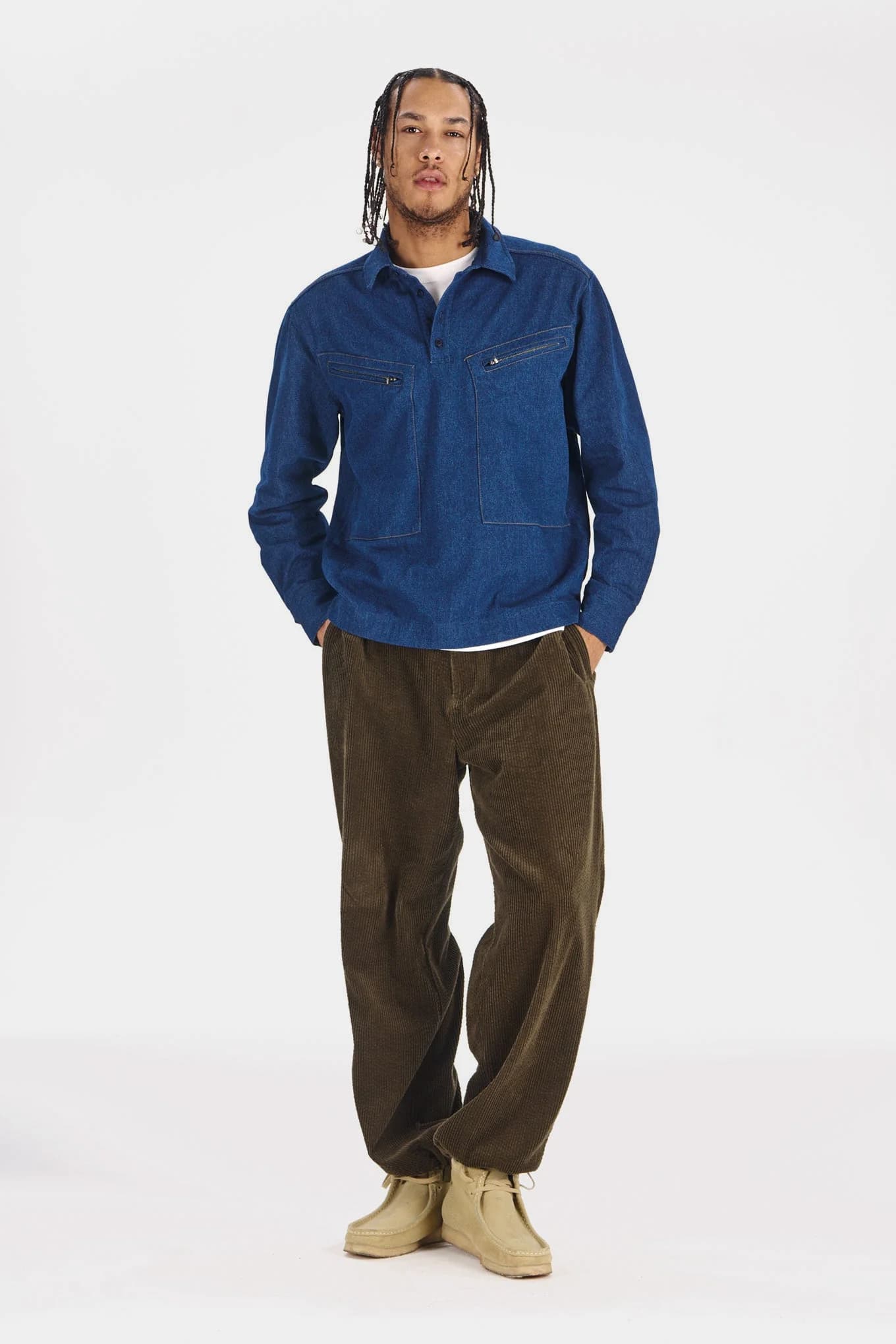
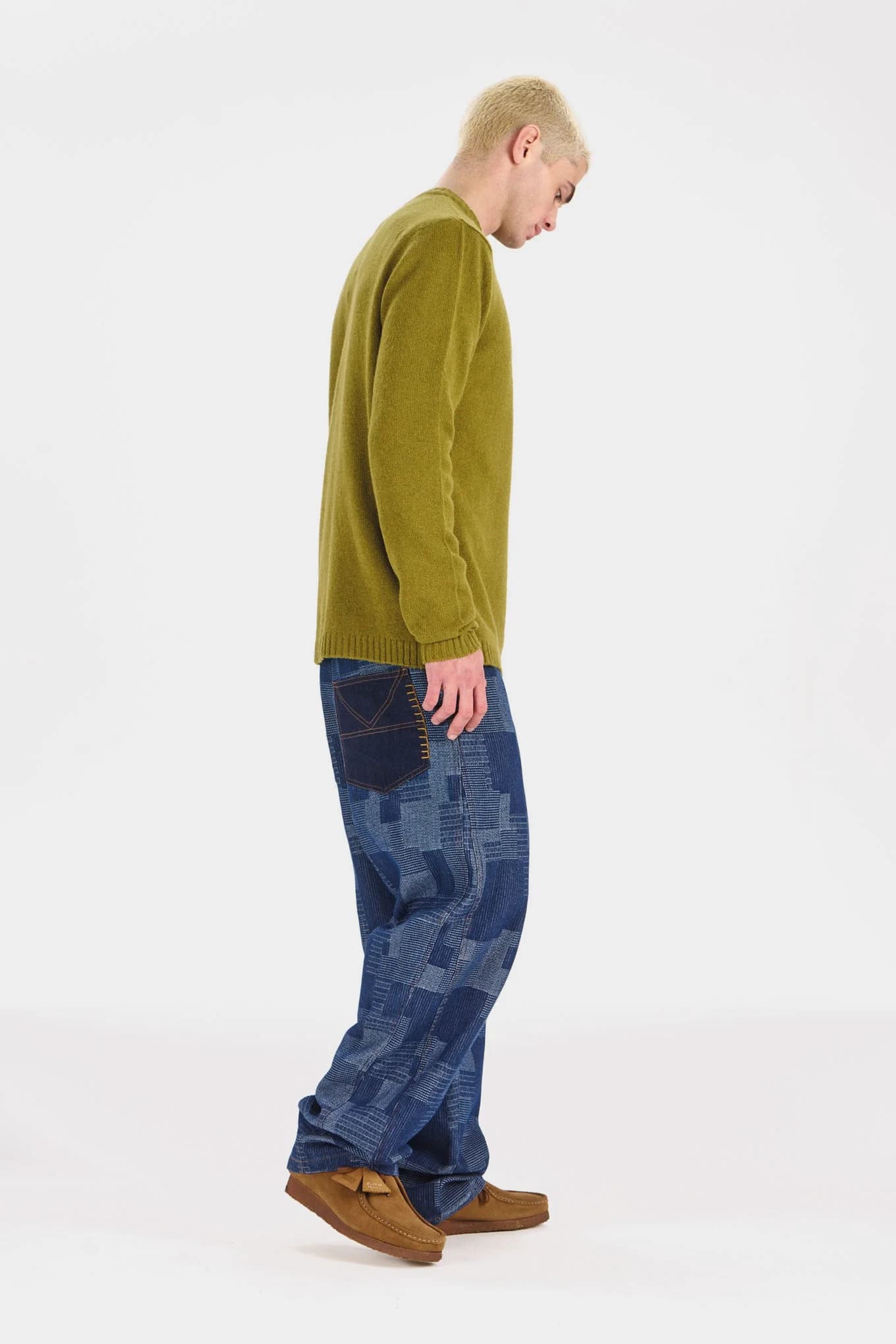
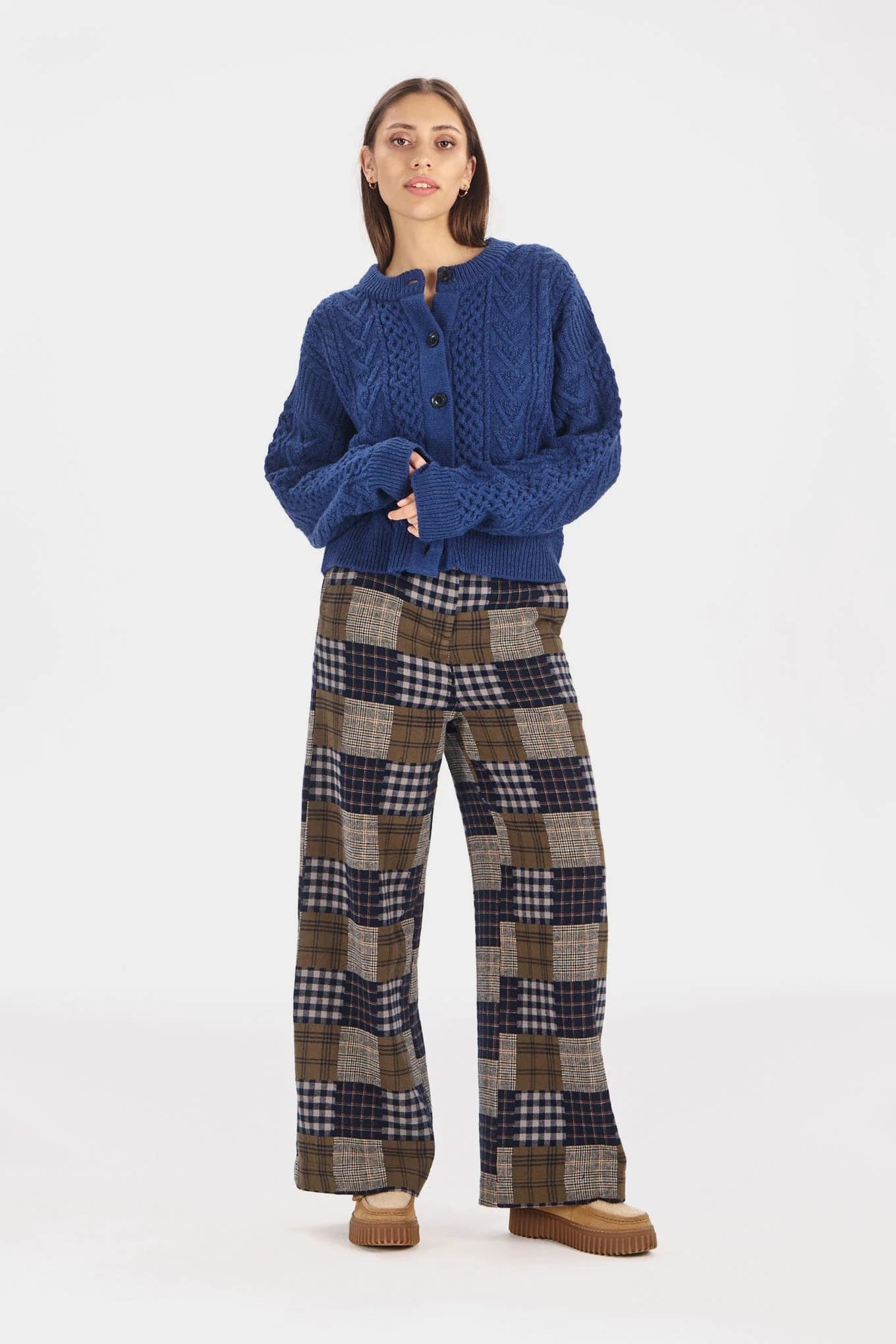
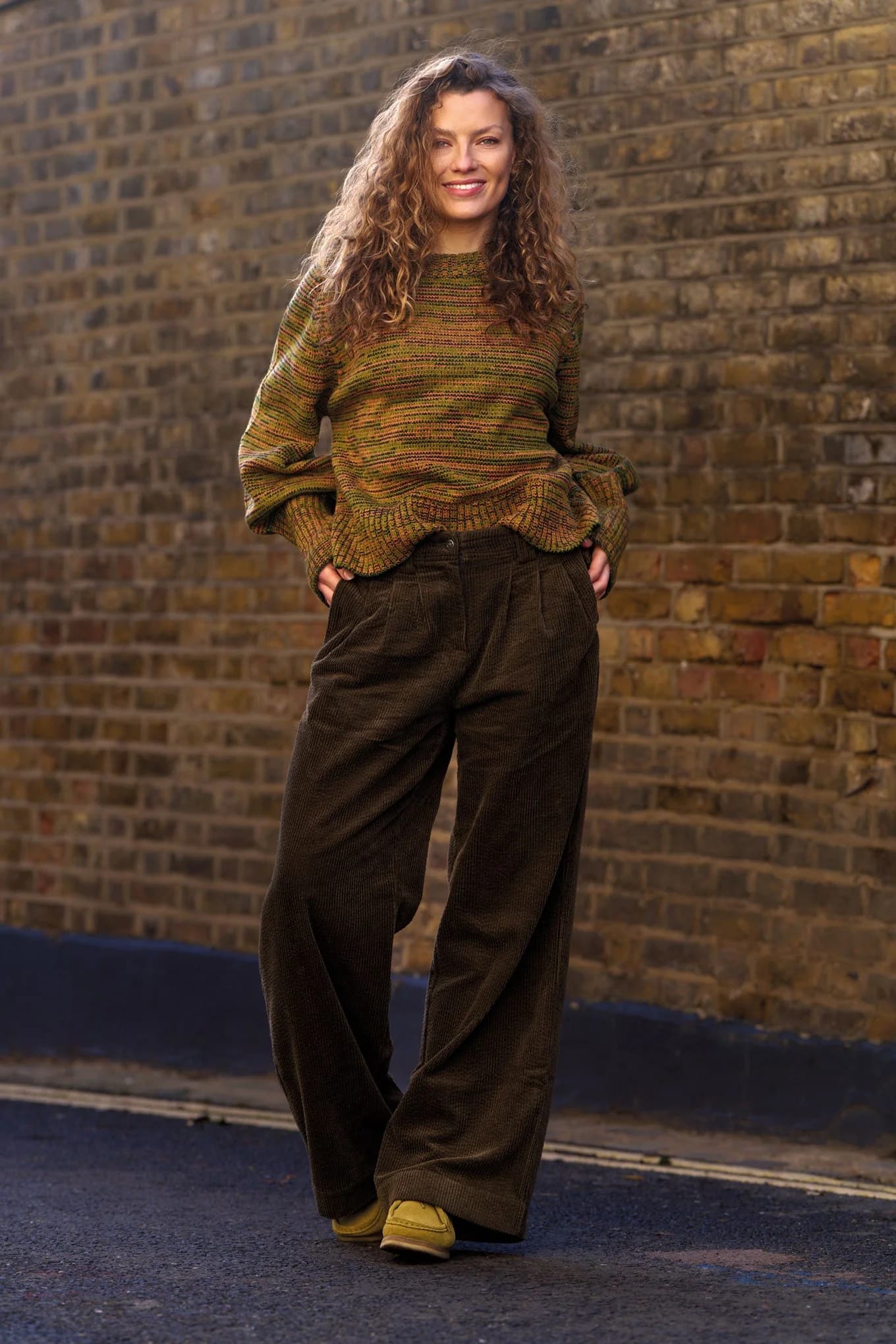
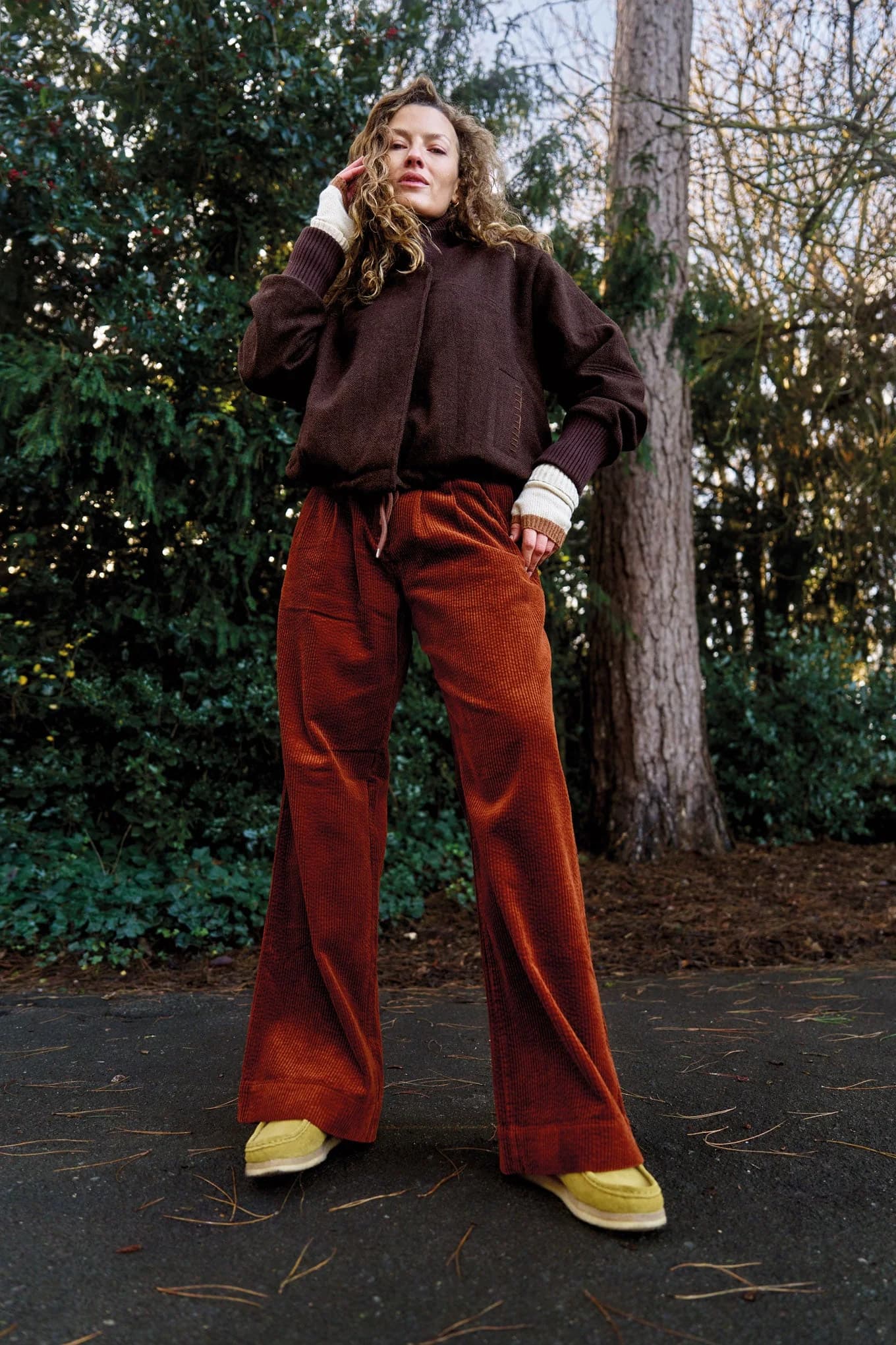
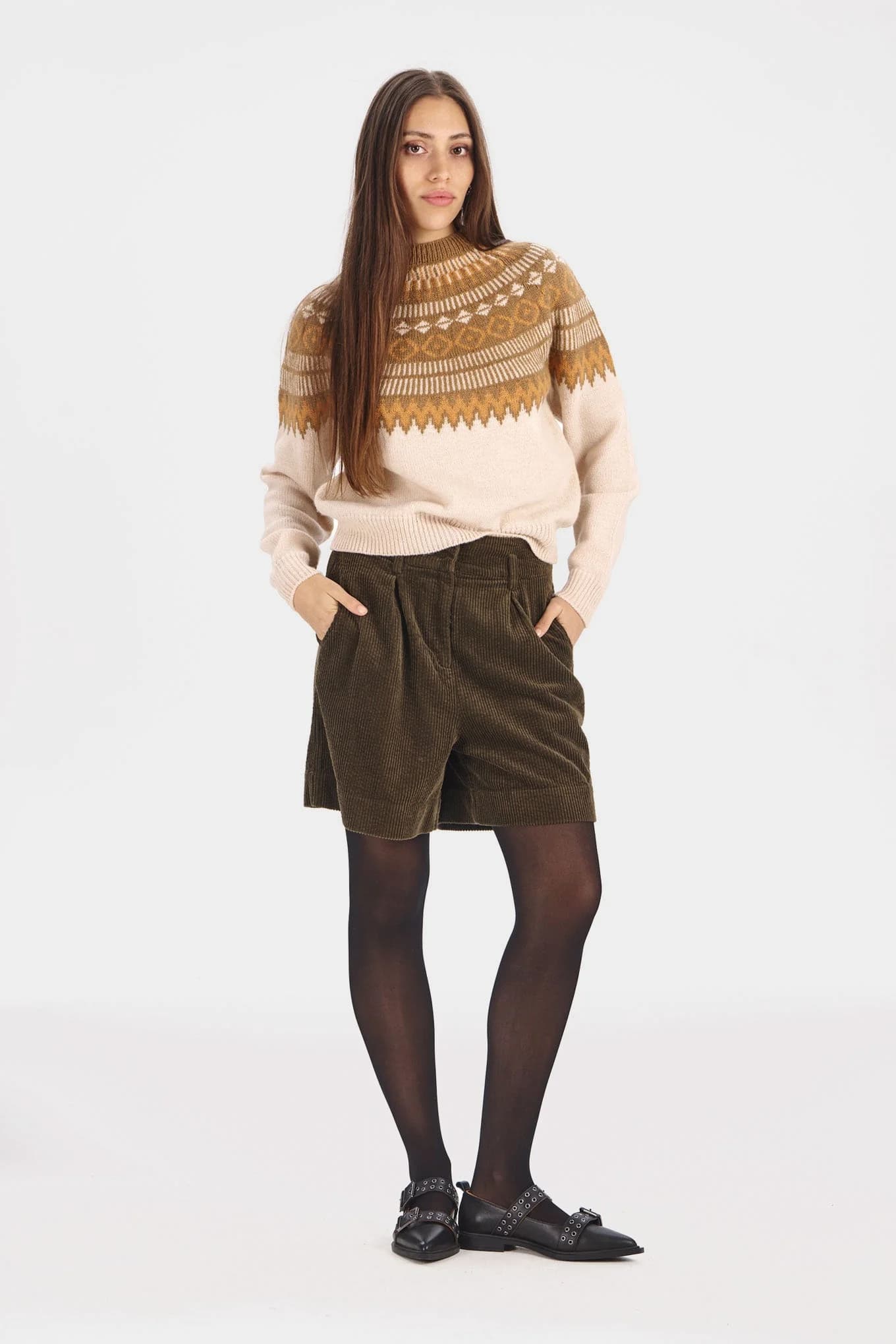
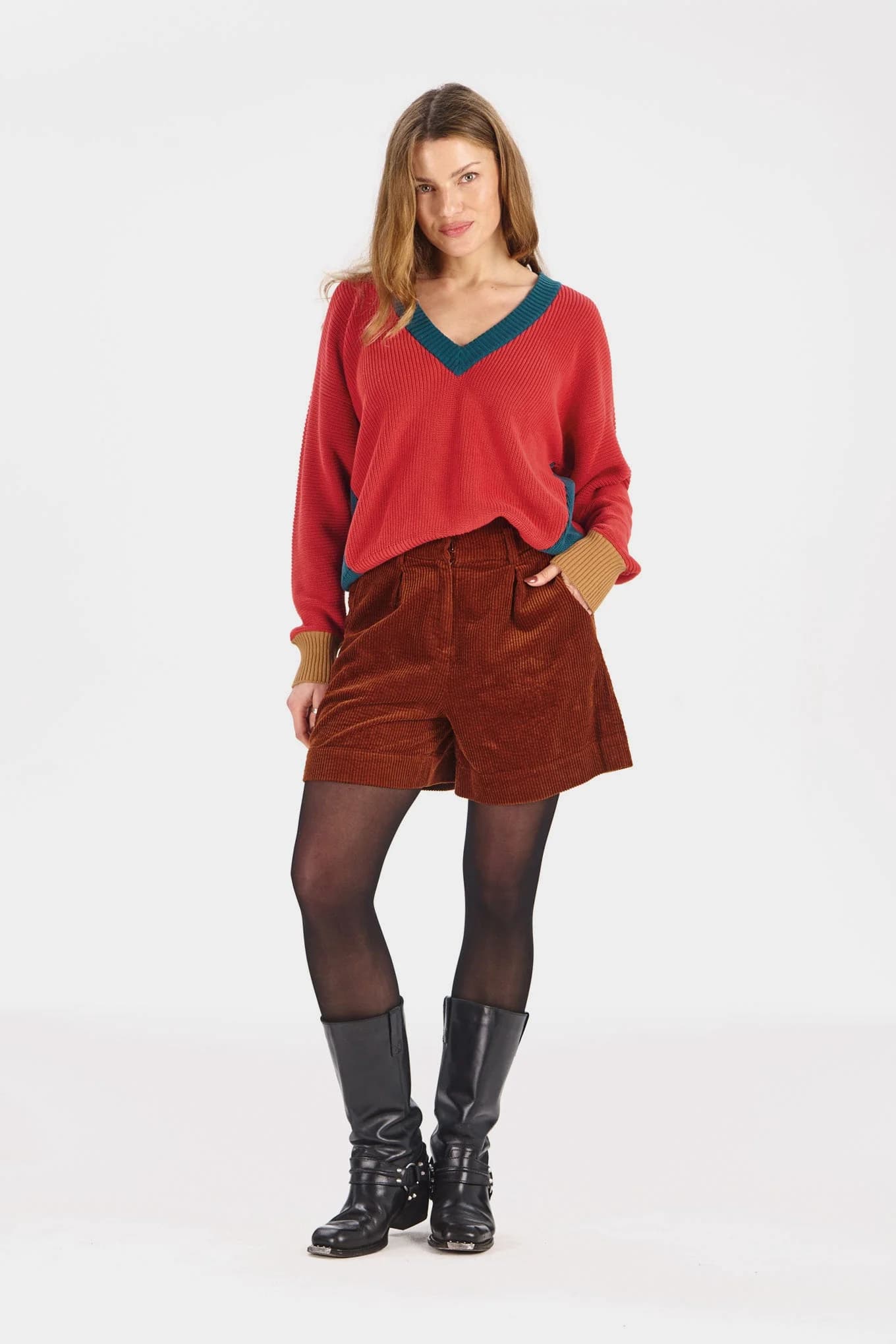
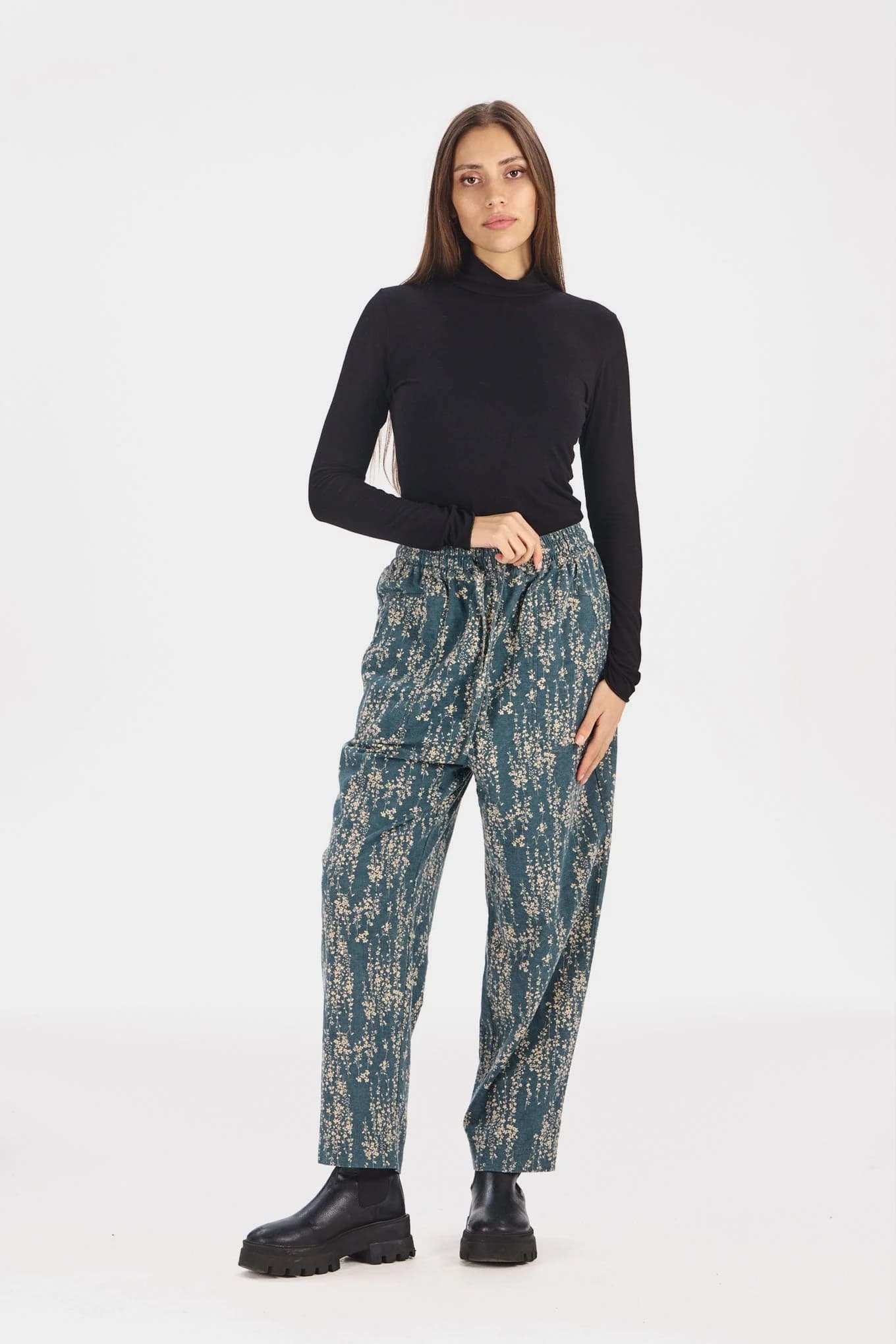
Showing 20 of 97 products
Load moreRelated Categories
Why Choose Organic Trousers?
Organic trousers offer a tangible benefit for both the environment and your wardrobe. The key distinction lies in the farming practices behind the fibres. Organic cotton, for example, is cultivated without the use of harmful synthetic pesticides, herbicides, or GMOs. This protects soil health, conserves water, and supports biodiversity. For you, this often translates to a softer feel against the skin and a garment produced with fewer harsh chemicals throughout its lifecycle. When you choose organic, you are opting for a product that has considered its impact from the very beginning, contributing to a healthier ecosystem and a more transparent supply chain.
Understanding Organic Certifications for Trousers
When shopping for organic trousers, certifications provide the assurance that claims are verified. The Global Organic Textile Standard (GOTS) is the most widely recognised and respected standard for organic fibres. GOTS certification covers the entire textile supply chain, from the harvesting of raw materials to environmentally and socially responsible manufacturing, and clear labelling. This means not only is the fibre organic, but the dyes, processing, and working conditions also meet stringent criteria. Looking for the GOTS label ensures that your organic trousers are genuinely produced with a commitment to both ecological and ethical principles, giving you confidence in your purchase.
Frequently asked questions
Q. What makes trousers 'organic'?
Trousers are considered 'organic' when they are made from fibres grown without synthetic pesticides, herbicides, or genetically modified organisms (GMOs). This applies to natural materials like cotton, linen, or hemp. The farming practices focus on soil health, water conservation, and biodiversity, reducing the environmental footprint compared to conventional farming methods.
Q. How do I know if organic trousers are genuinely certified?
To ensure organic trousers are genuinely certified, look for recognised labels such as the Global Organic Textile Standard (GOTS). GOTS is a comprehensive certification that verifies the organic status of textiles from raw material harvesting through environmentally and socially responsible manufacturing, providing a credible assurance of the product's integrity.
Q. Are organic trousers more durable than conventional ones?
The durability of organic trousers depends more on the quality of the weave and construction than solely on the organic nature of the fibre. However, fibres like organic cotton are often processed with fewer harsh chemicals, which can help maintain the natural strength and integrity of the material, potentially contributing to a longer lifespan if cared for properly.
Q. What are the environmental benefits of choosing organic trousers?
Choosing organic trousers significantly reduces environmental impact. Organic farming practices eliminate the use of synthetic pesticides and fertilisers, which protects soil health, prevents water pollution, and supports local ecosystems. It also often involves more efficient water use and promotes biodiversity, contributing to a healthier planet.
Q. Are organic trousers always more expensive?
Organic trousers can sometimes have a higher upfront cost due to the more labour-intensive farming practices, stricter certification processes, and smaller scale of production. However, considering their potential for greater durability and the positive environmental impact, many find the investment worthwhile. Prices vary widely based on brand, design, and material.