

Clothing & Basics
The right clothing offers comfort and confidence, and here you will find pieces made with transparent supply chains and durable materials. This means organic cotton basics that feel soft against the skin, or outerwear crafted from recycled fibres that stand up to daily wear. We focus on items designed to last, reducing the need for frequent replacements and making every choice add up.
1214 products17 brandsfrom £3.45
1214 products · sorted by most popular


Sutsu
OG Kids Sweatshirt


Komodo
Kai Organic Cotton Jumper Navy — Vegan




Komodo
Organic Cotton Knit Polo
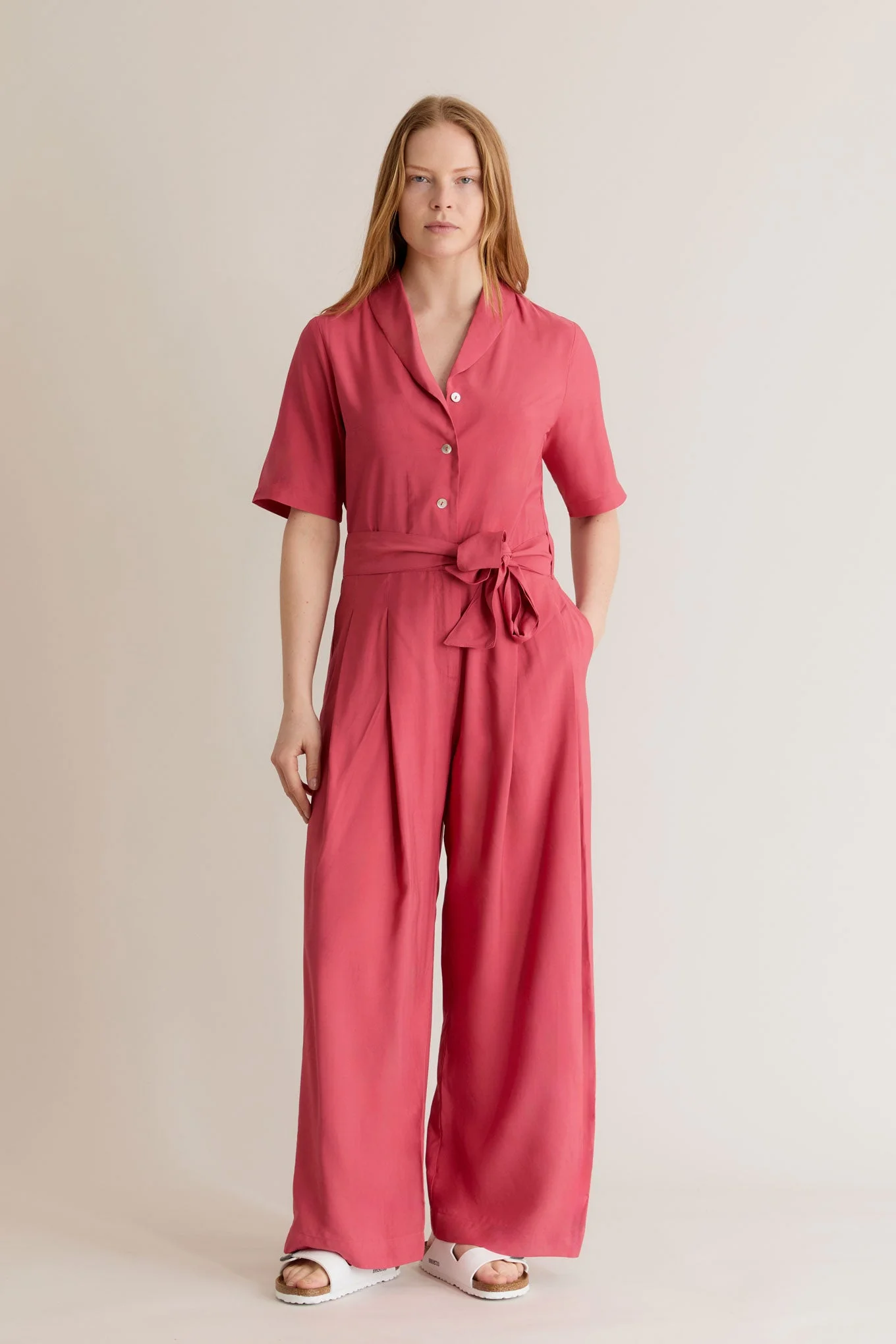


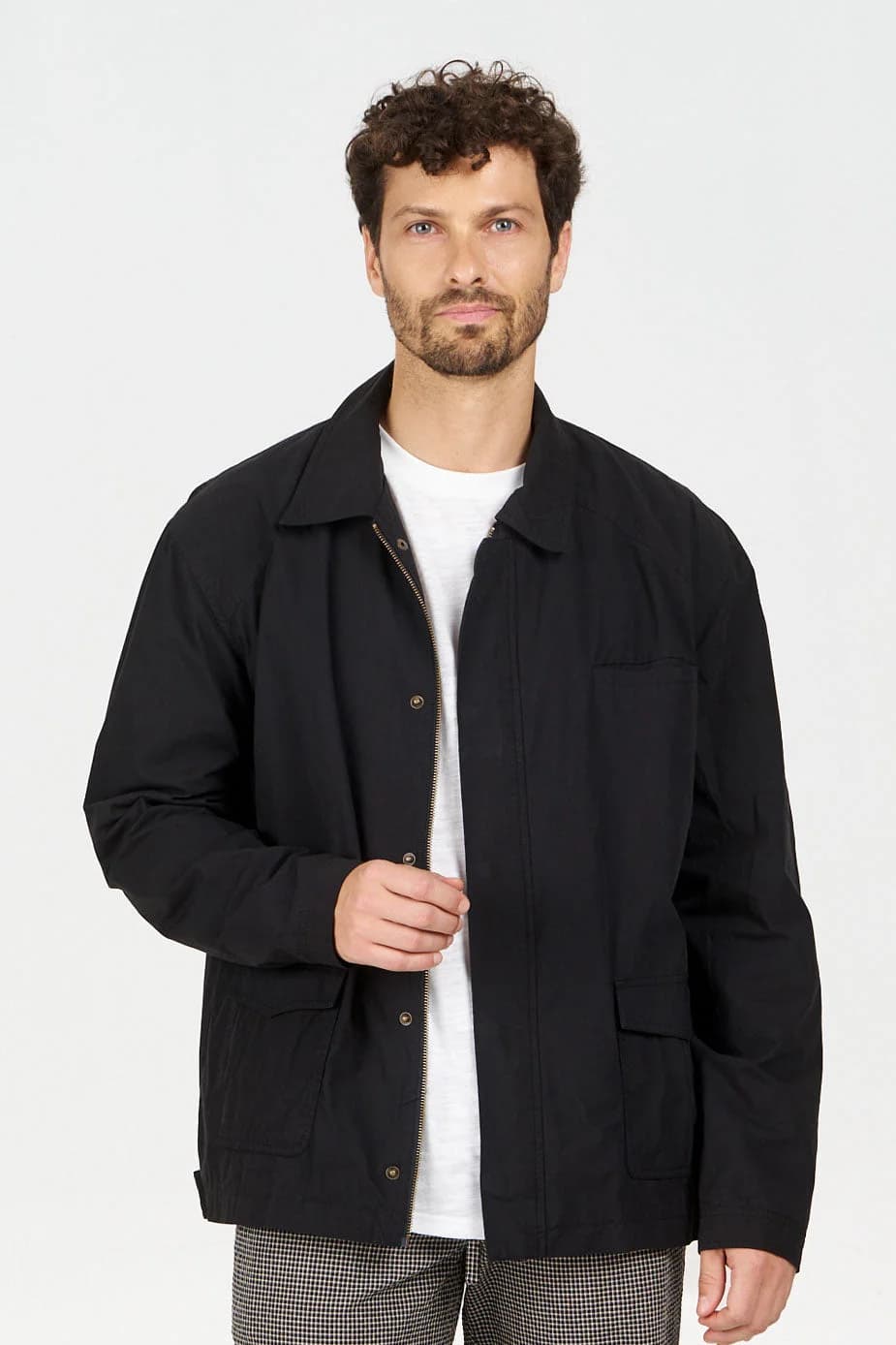


LAW Design Studio
Linen Barrel Trousers
Showing 20 of 1214 products
Load moreHow to Choose Clothing That Lasts
When selecting new clothing, consider the material composition and construction. Natural fibres like organic cotton, linen, and hemp are often breathable and durable, especially when woven tightly. For performance wear, look for recycled synthetic blends that offer strength and flexibility without relying on virgin plastics. Check seams and stitching: well-made garments have even, reinforced seams that are less likely to unravel. Think about versatility too; pieces that can be dressed up or down, or layered across seasons, offer more value and reduce overall wardrobe needs. A capsule wardrobe approach, focusing on fewer, higher-quality items, can significantly extend the lifespan of your clothing and reduce environmental impact.
Understanding Sustainable Clothing Materials
The materials used in clothing production have a significant impact on both the environment and the garment's longevity. Organic cotton, for example, is grown without harmful pesticides and synthetic fertilisers, protecting soil health and biodiversity. Recycled polyester (rPET) diverts plastic waste from landfills and oceans, transforming it into new fibres for activewear and outerwear. Tencel and Lyocell are semi-synthetic fibres derived from sustainably sourced wood pulp, known for their softness and breathability, produced in a closed-loop system that minimises waste. Understanding these material differences helps you make informed choices, supporting practices that are better for the planet and result in more durable, comfortable clothing.
Common questions
What makes clothing sustainable?
Sustainable clothing prioritises environmental and social responsibility throughout its lifecycle. This includes using materials like organic cotton or recycled fibres, ensuring fair labour practices in manufacturing, and designing for durability to extend the garment's life. It also considers factors like water usage, chemical inputs, and waste reduction in production.
How can I tell if clothing is made ethically?
Ethical clothing production involves fair wages, safe working conditions, and no forced or child labour. While certifications like Fair Trade offer strong assurance, you can also look for brands that are transparent about their supply chains, share information about their factories, and have clear codes of conduct for their suppliers. Some brands also publish impact reports detailing their social initiatives.
What are the benefits of organic cotton clothing?
Organic cotton is grown without synthetic pesticides, herbicides, or genetically modified seeds, which protects farmer health, soil fertility, and local ecosystems. Garments made from organic cotton are often softer, more breathable, and less likely to irritate sensitive skin. Choosing organic cotton supports farming practices that are better for the environment and human health.
How should I care for my clothing to make it last longer?
Proper care significantly extends the life of your clothing. Always check the care label for specific instructions. Generally, washing in cold water, using gentle detergents, and air-drying whenever possible can prevent shrinking, fading, and damage to fibres. Repairing small tears or loose buttons promptly also keeps garments in use for longer, reducing textile waste.
Does Ziracle offer clothing made from recycled materials?
Yes, Ziracle features clothing made from various recycled materials, including recycled polyester (rPET) and recycled cotton. These materials help divert waste from landfills and reduce the demand for virgin resources. You will find these options across different categories, from activewear to everyday basics, contributing to a more circular economy.