Wooden sunglasses & recycled polarised frames
115 products3 brandsfrom £9.95
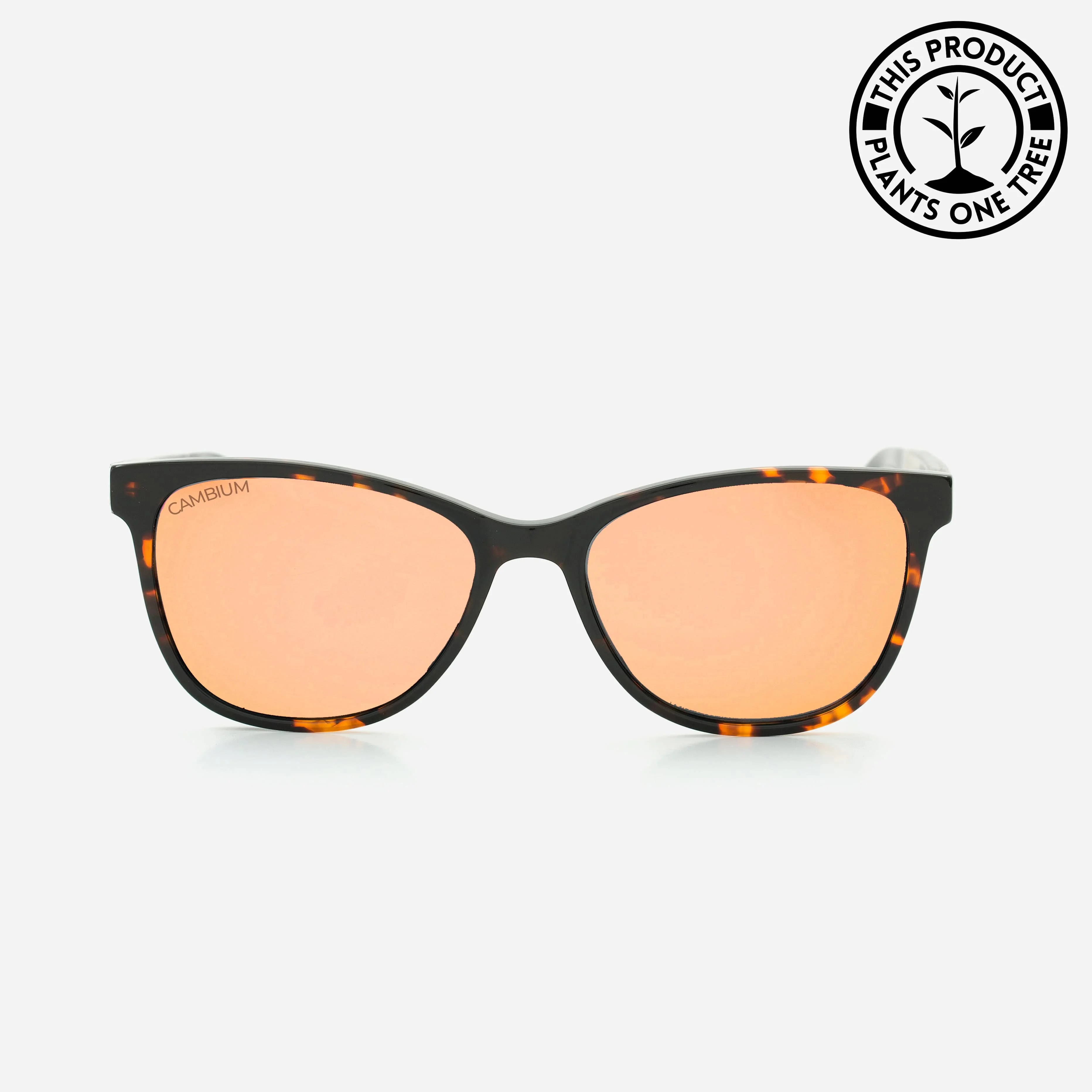
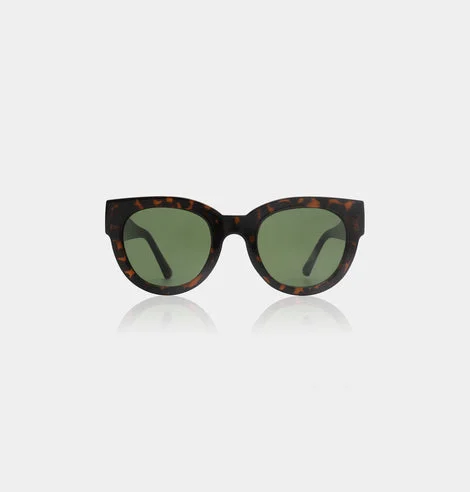
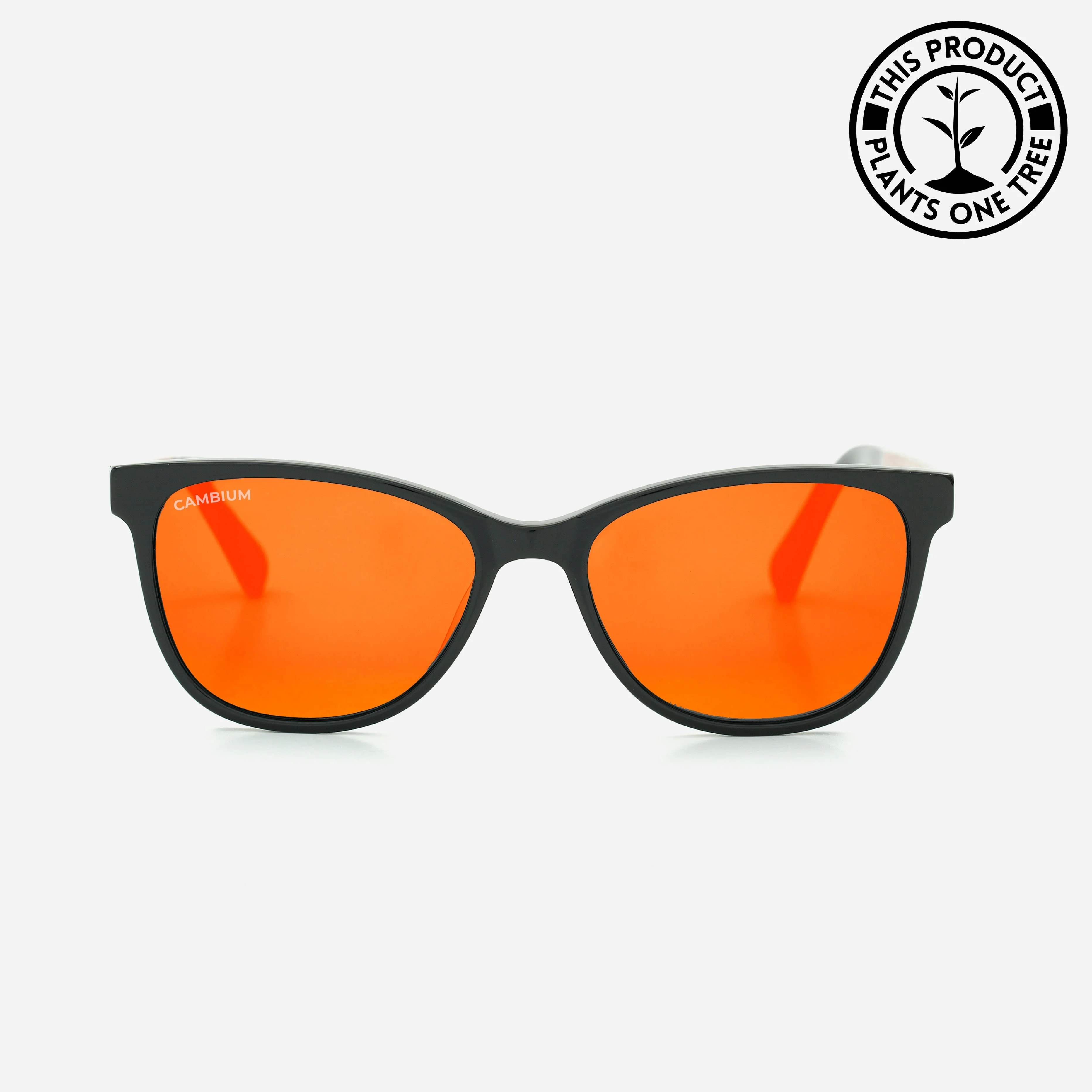
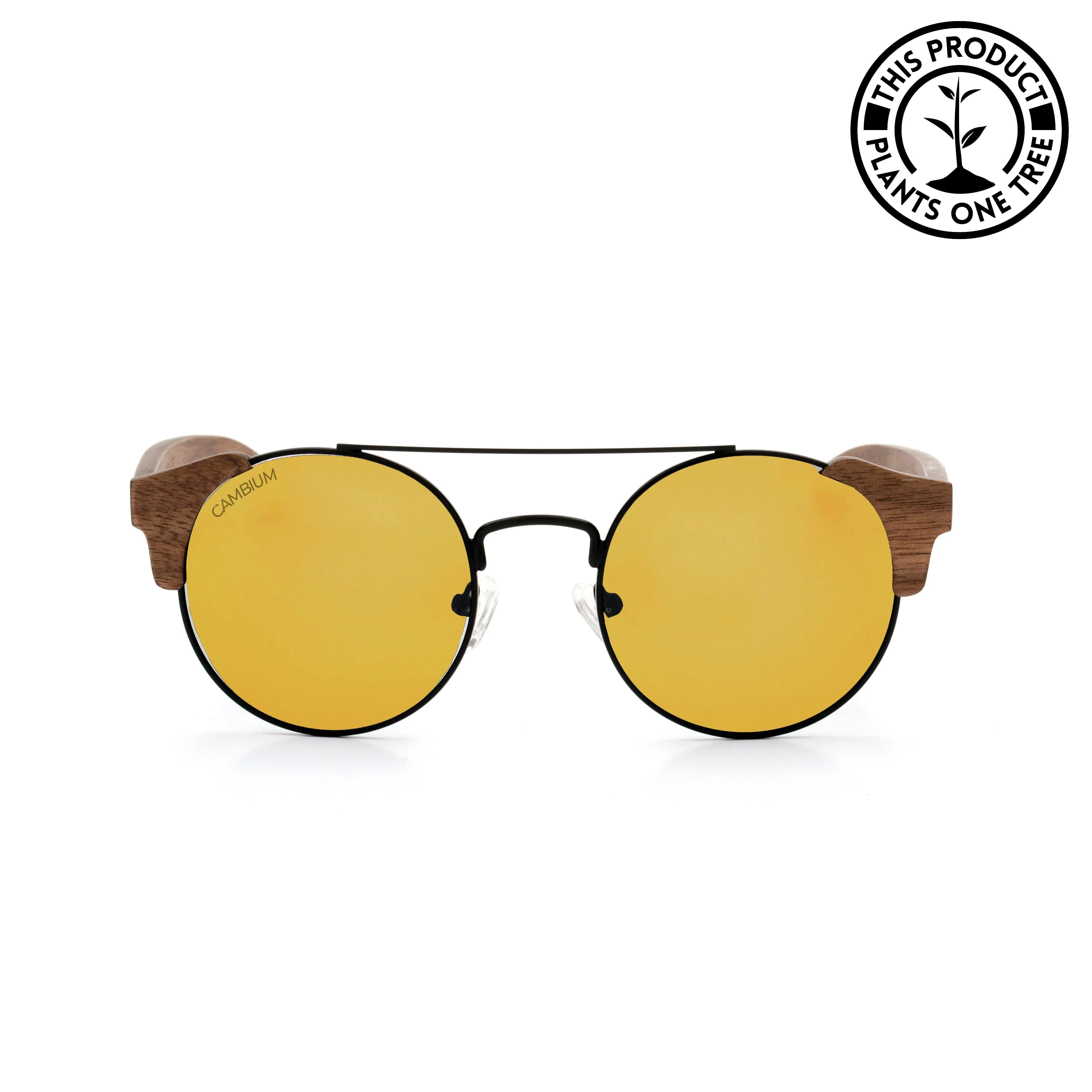
Wooden sunglasses with real wood temples and fronts, alongside recycled frames made from plastic bottles and bio-acetate.Wooden sunglasses with real wood temples and fronts, alongside recycled frames made from plastic bottles and bio-acetate. Polarised sunglasses cut glare from water and roads, and every lens should give full UV protection. Check the lens first, then pick the frame.
115 products3 brandsfrom £9.95




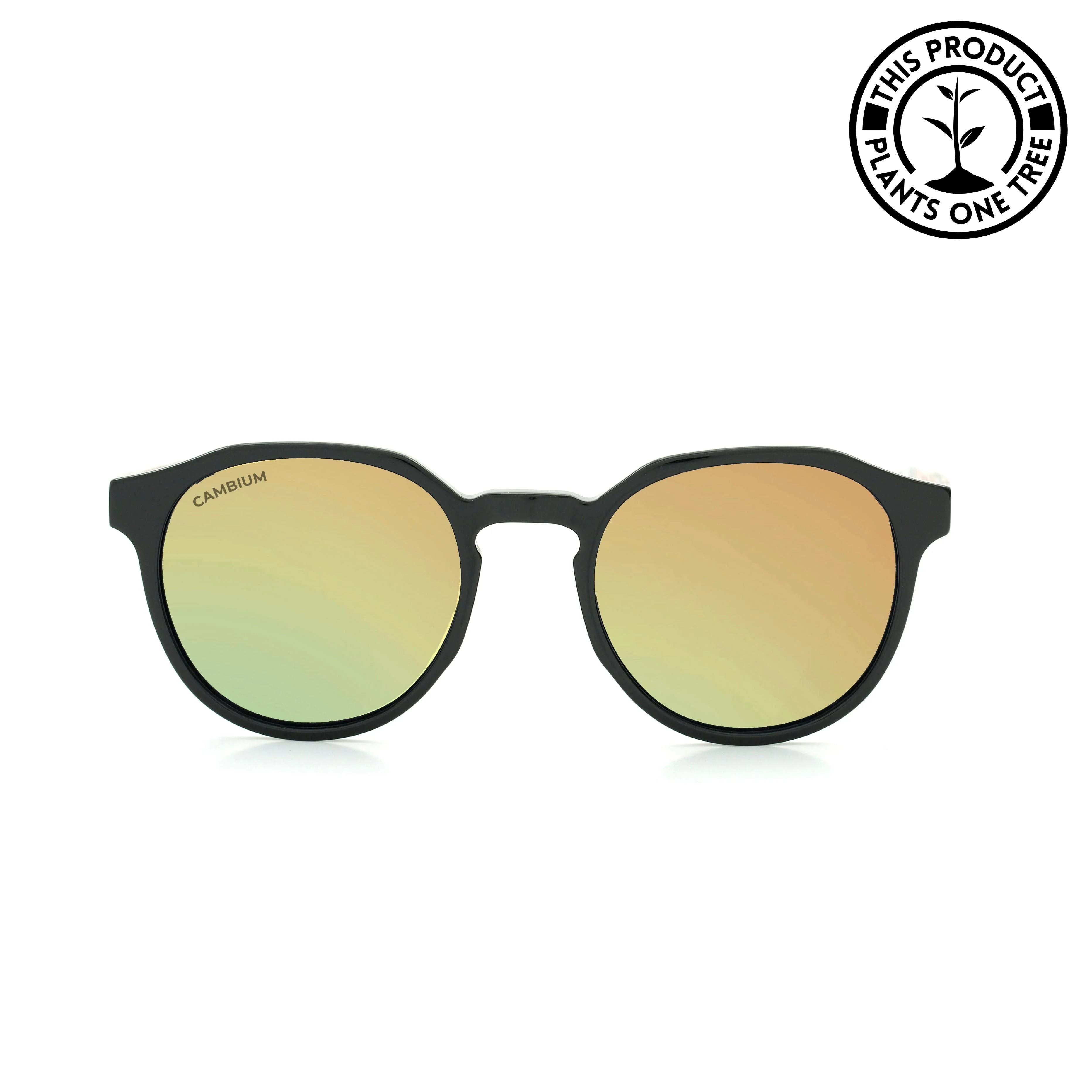
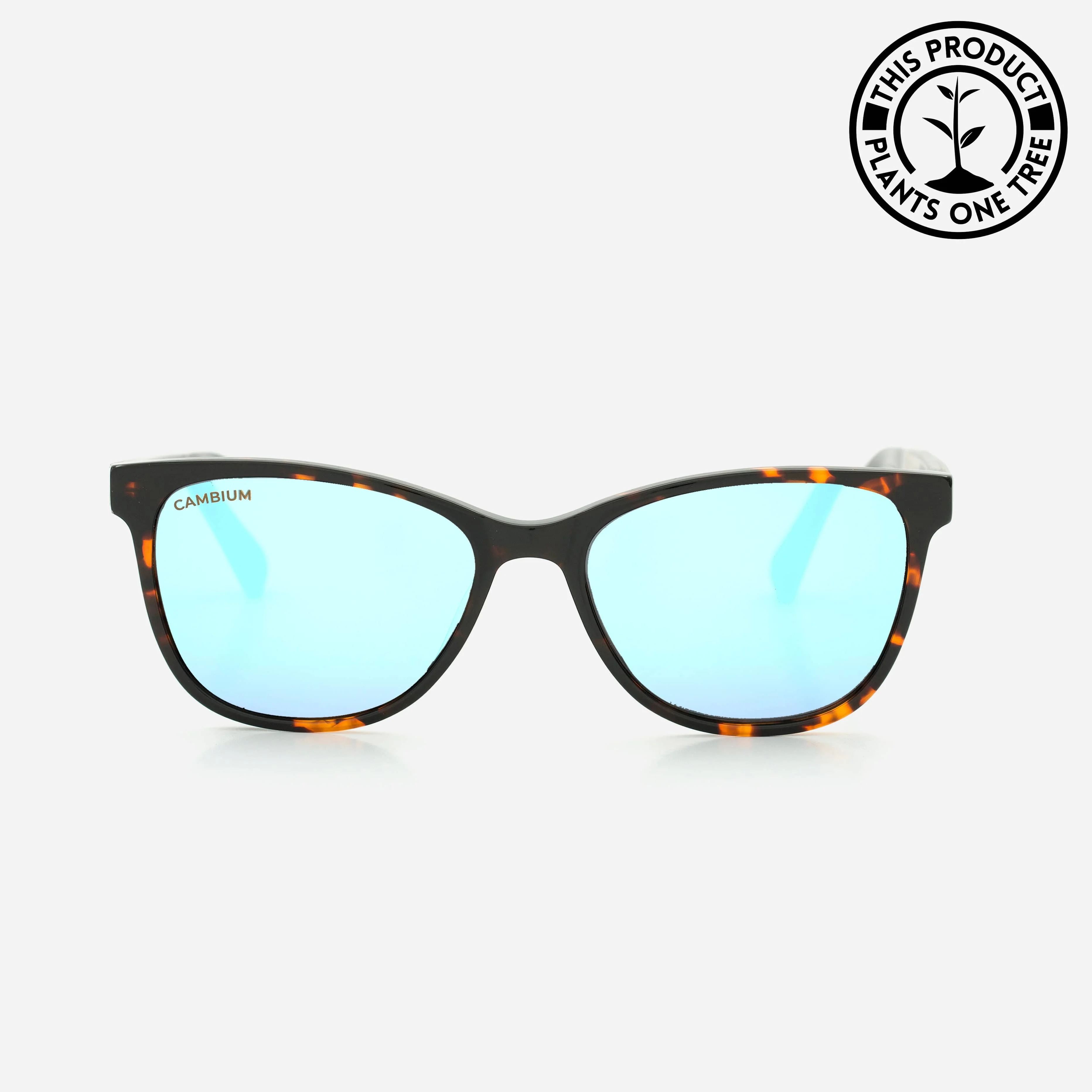


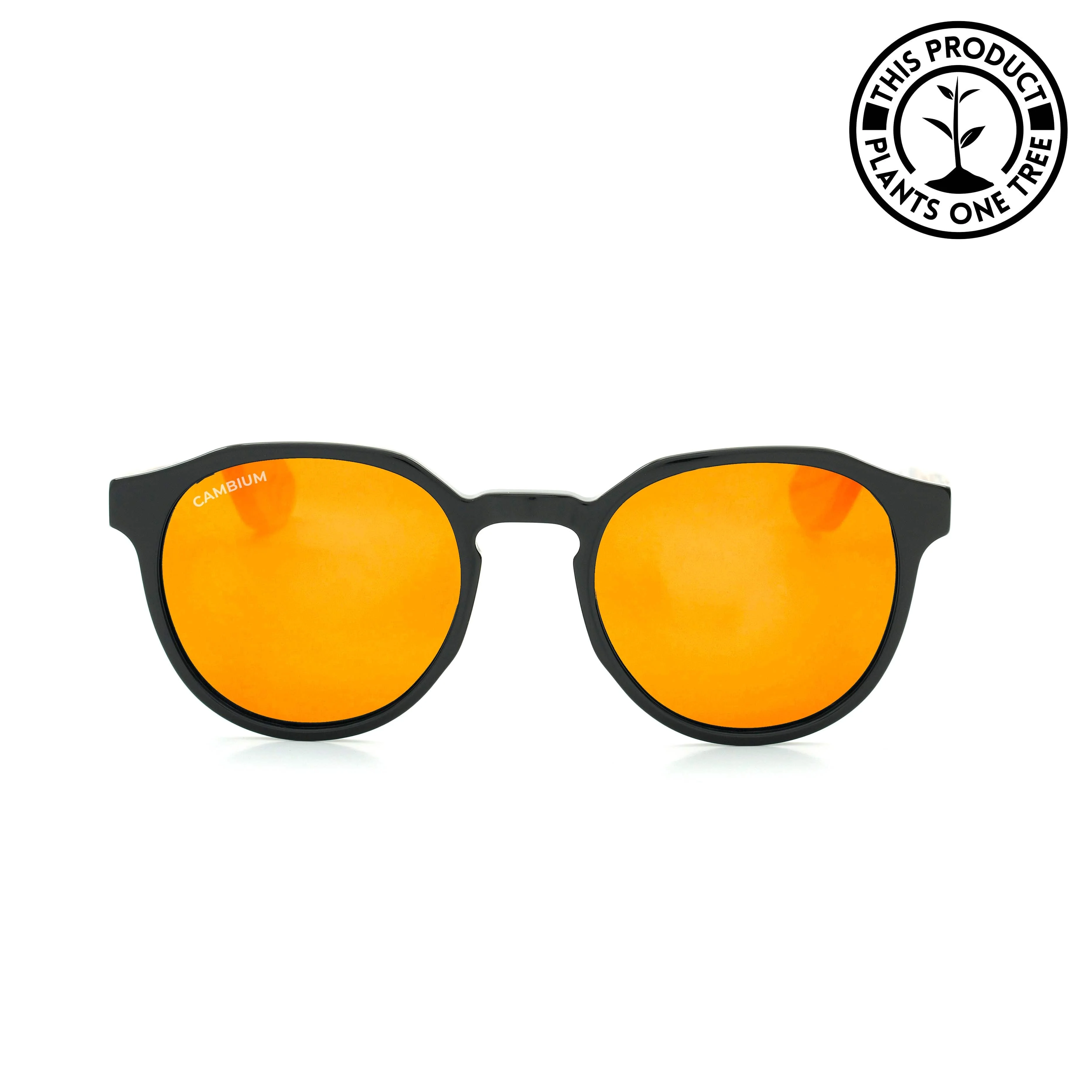

More in Accessories
What makes wooden sunglasses different
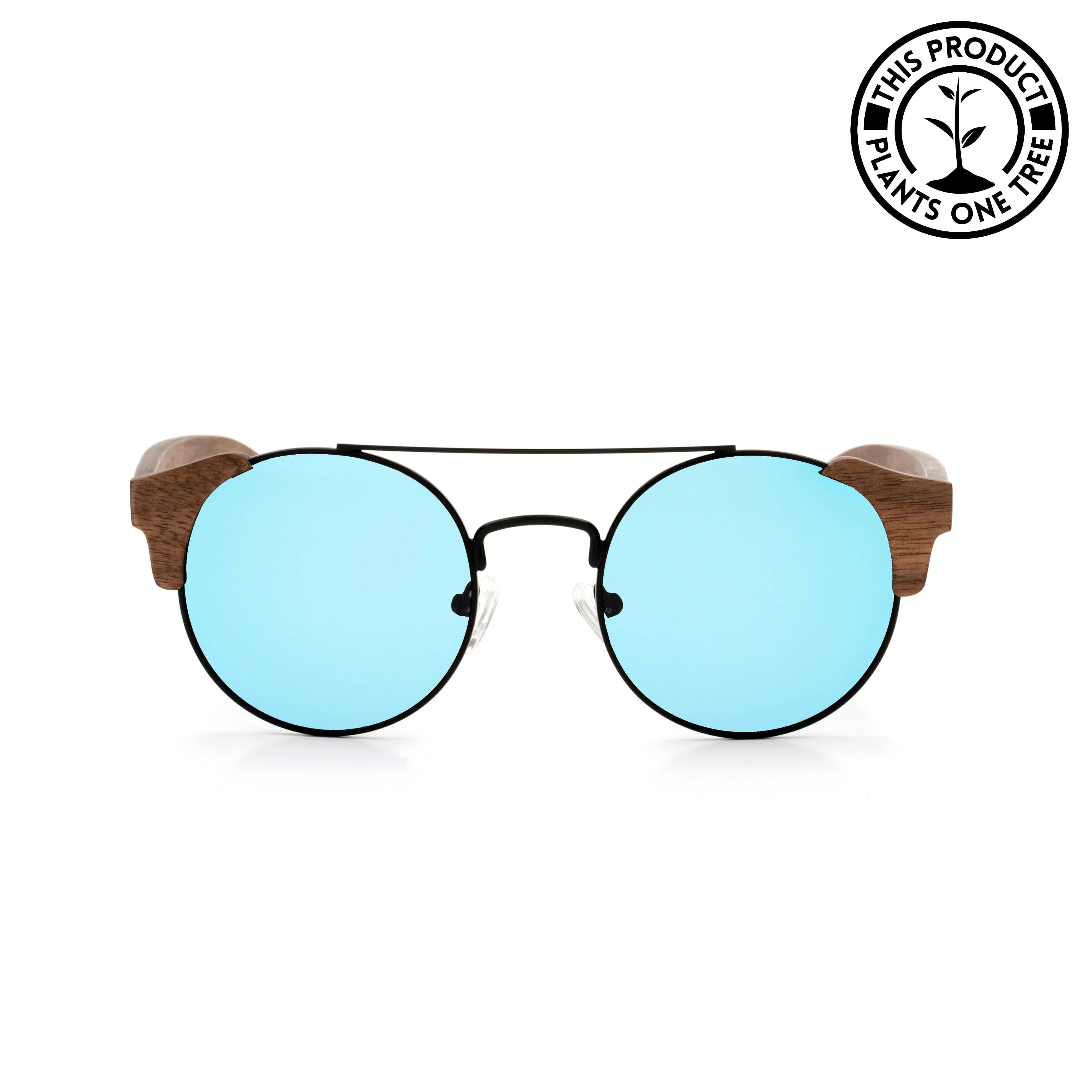
Wooden sunglasses are light, warm to the touch and carry a grain that is unique to each pair. Bear Essentials makes its wood sunglasses with walnut temples, some on wood veneer fronts and some on bio-acetate fronts made from wood pulp. Natural wood can be less flexible than plastic, so look for spring hinges or a metal core in the temples if you want a frame that grips without pinching. A matte oil finish wears better than a glossy lacquer. Wood sunglasses are also lighter than many acetate frames, which makes them comfortable on long days. If you have a narrow face, check the frame width on the product page, because wooden fronts do not bend to fit the way some plastics do.
Polarised sunglasses and lens protection
Polarised sunglasses cut glare reflected off water, roads and snow, which makes them good for driving, fishing and days by the sea. Polarisation is about comfort and clarity, and UV protection is a separate feature, so check both on the label. Look for full UVA and UVB protection on every pair you consider. Several of the Bear Essentials frames come as wooden polarised sunglasses, and replacement polarised lenses keep a favourite frame going for longer.
Recycled sunglasses and bio-acetate frames
Recycled sunglasses give plastic a second use. Komodo makes frames with more than half recycled material, and Sutsu makes each pair from five recycled plastic bottles. Acetate sunglasses are usually cut from cotton-based sheets, and bio acetate sunglasses take that further with plant-based plasticisers. Sustainable sunglasses last longest when the hinges are screwed rather than glued, so a repair is possible.
Choosing a frame shape
Pick a frame roughly as wide as your face, with the top of the frame following your brow line. Round faces suit square and wayfarer shapes, and angular faces suit rounder frames. Keep sunglasses in a case when they are off your face, and clean the lenses with a microfibre cloth rather than a shirt, which scratches coatings over time. For more wood and bamboo-based pieces, see Watches and the pop-up wooden designs in Wallets, and add a cap from Hats for bright days.
Common questions
Are wooden sunglasses durable?
Yes, when they are well made. Look for sealed wood, screwed hinges and a metal core or spring hinge in the temples. Keep them in a case, and avoid long soaks in water, which can dull the finish.
What does polarised mean on sunglasses?
Polarised lenses filter out horizontal glare reflected from surfaces such as water and wet roads. They make bright scenes clearer and more comfortable but are a separate feature from UV protection, so check for both.
Can you get wooden sunglasses with polarised lenses?
Yes. Several wooden frames come with polarised lenses, and replacement polarised lenses are available for some styles. Check each product page for the lens type.
Are recycled sunglasses as good as new plastic ones?
Recycled frames can be just as strong and comfortable as new plastic. What matters most is the lens quality, the UV protection and the hinge construction, so compare those on each pair.
From the Journal