

Vegan Hats
Finding stylish vegan hats in the UK means looking for materials that offer both comfort and durability without any animal-derived components. Our selection focuses on headwear made from plant-based fibres like organic cotton, linen, and recycled synthetics, ensuring a cruelty-free choice for every season. Each hat is chosen for its quality and ethical production, so you can wear it with confidence.
Related Categories
14 products · sorted by most popular
Brands
Product type
Colour
Clothing Size
Material
Style

Shinjuku Lanes
Ribbed Beanie

Shinjuku Lanes
Ribbed Beanie

Shinjuku Lanes
Ivory Ribbed Beanie
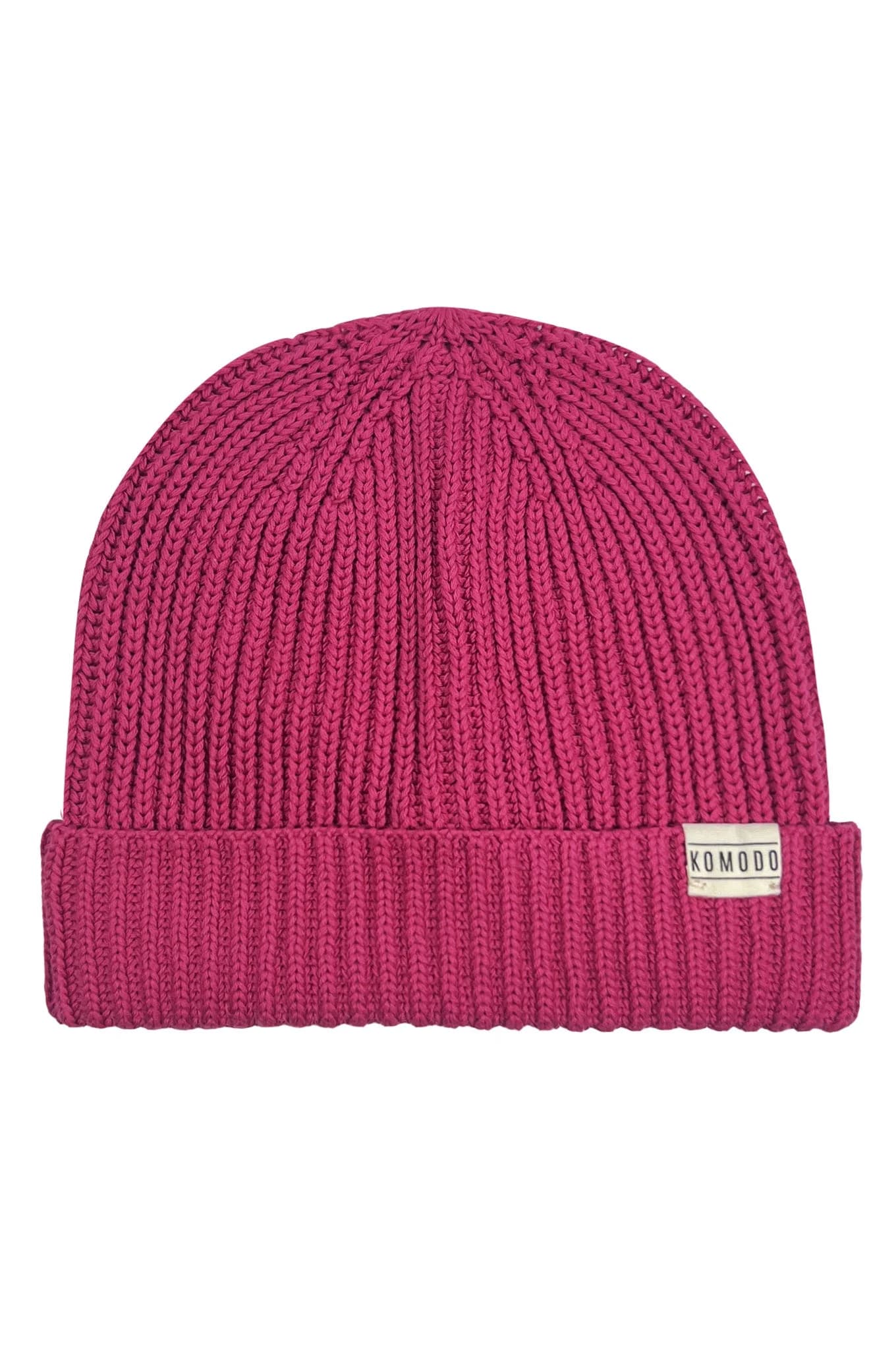

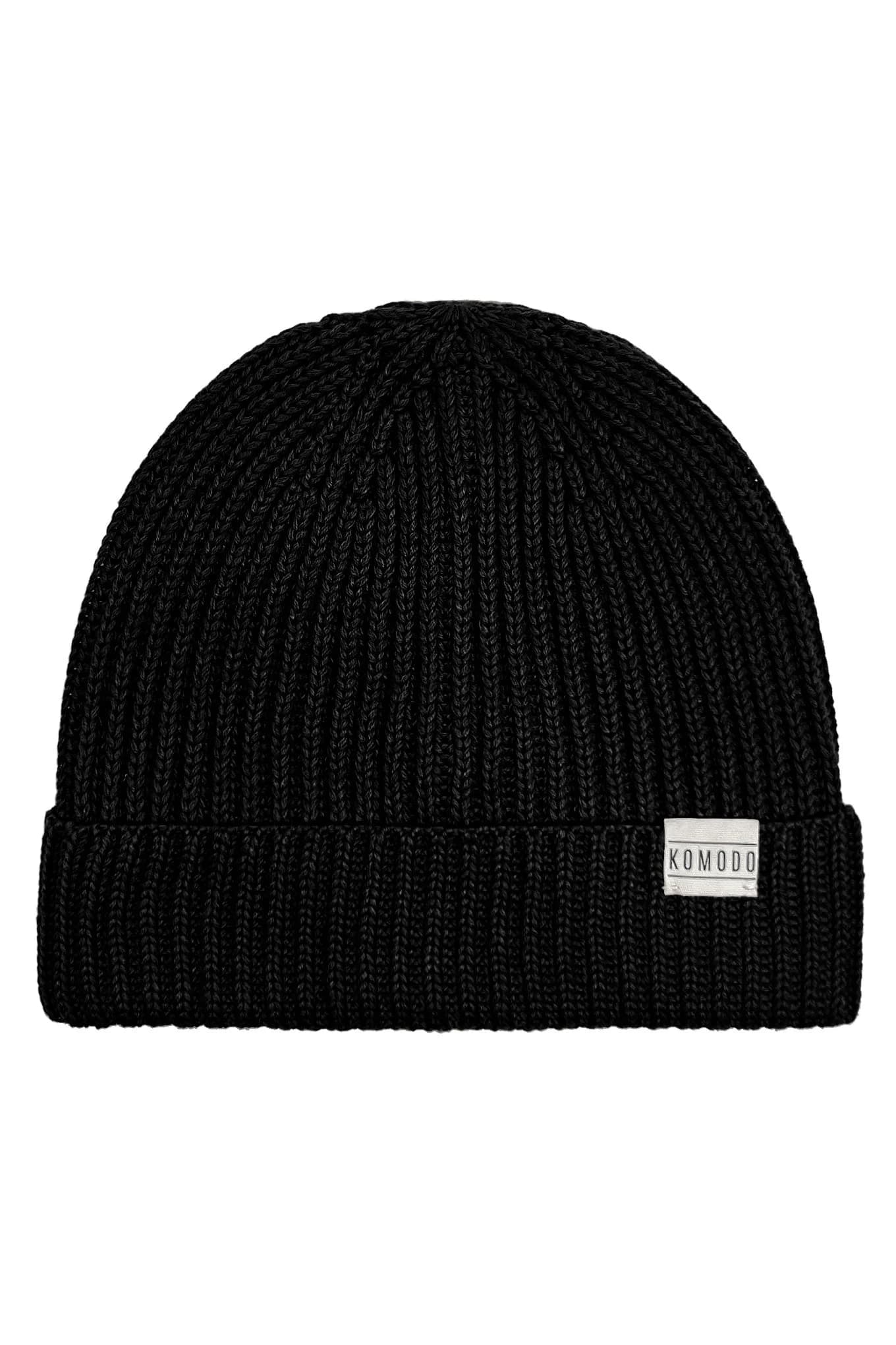
Shinjuku Lanes
Ribbed Beanie

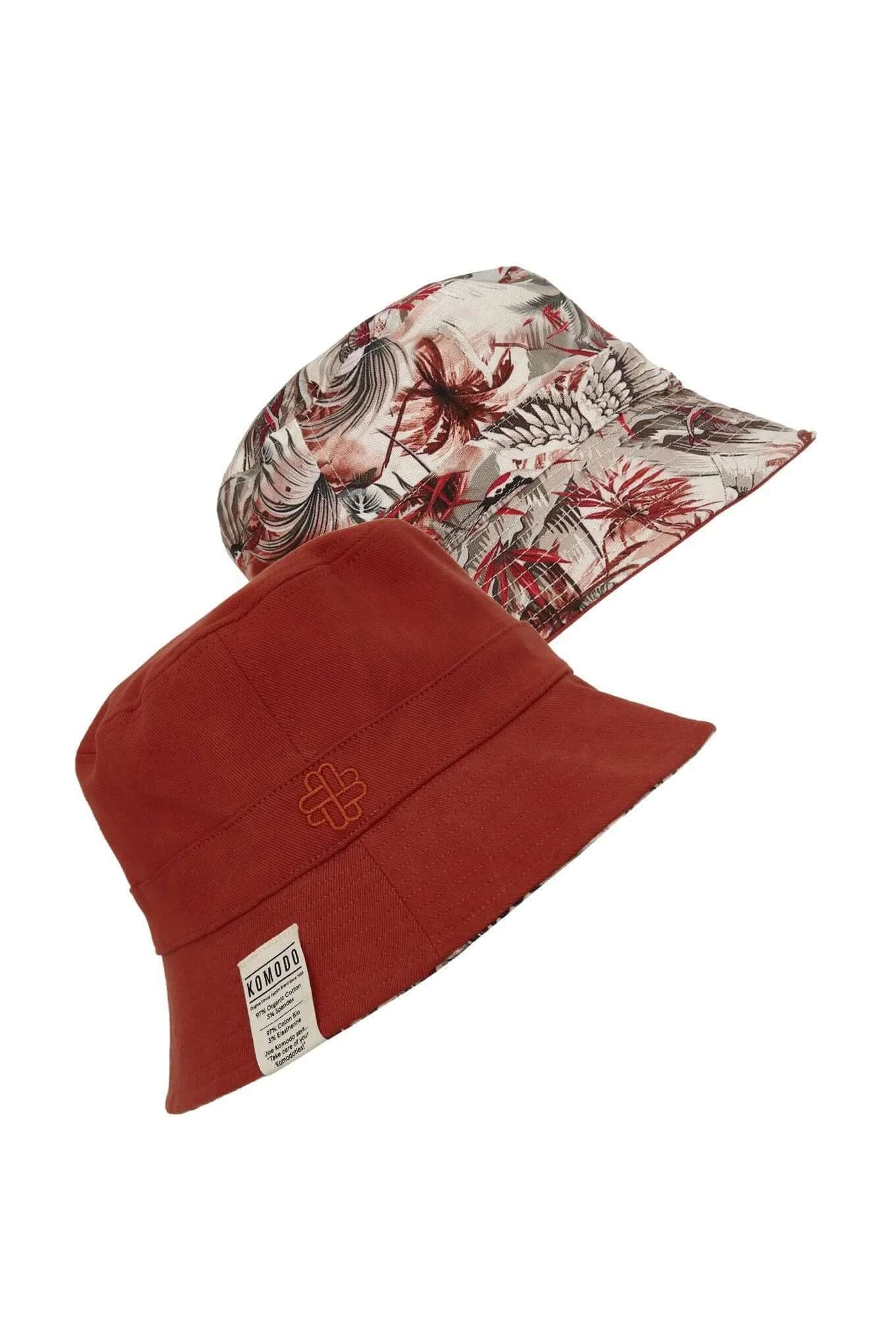
Komodo
Organic Cotton Bucket Hat




Choosing the Right Vegan Hat for Your Style
When selecting vegan hats, the material is key. Look for options made from organic cotton, which is breathable and soft, ideal for everyday wear. Linen hats offer a lightweight feel, perfect for warmer weather, while recycled polyester blends provide durability and water resistance for more active pursuits. Consider the hat's structure too: a wide-brimmed straw hat (made from plant fibres, of course) offers excellent sun protection, whereas a snug beanie made from acrylic or recycled wool alternatives provides warmth without compromise. Think about your existing wardrobe and what styles would complement it, whether it is a classic baseball cap, a chic fedora, or a cosy bobble hat.
Understanding Vegan Materials in Headwear
The term 'vegan' in hats means the complete absence of animal products, including wool, leather, silk, and even certain glues or dyes. Instead, ethical manufacturers utilise innovative plant-based and synthetic alternatives that perform just as well, if not better. For warmth, look for beanies made from recycled acrylic, organic cotton fleece, or innovative plant-based fibres that mimic wool's insulating properties. For sun protection, straw hats crafted from raffia, paper, or other natural plant fibres are excellent choices. Fabric hats often use organic cotton, hemp, or linen, which are breathable and sustainable. Always check the product description for specific material breakdowns to ensure your choice aligns with your vegan values.
Frequently asked questions
Q. What materials are vegan hats typically made from?
Vegan hats are typically made from plant-based fibres such as organic cotton, hemp, linen, and straw (like raffia or paper). They can also be crafted from synthetic materials like recycled polyester or acrylic, which offer durability and warmth without using animal products like wool or silk. The key is to ensure no animal-derived components are used in the fabric, dyes, or adhesives.
Q. Are vegan hats as durable as those made with animal products?
Yes, vegan hats can be just as durable, if not more so, than those made with animal products. The durability largely depends on the specific plant-based or synthetic materials used and the quality of craftsmanship. For instance, hats made from recycled polyester are often highly resistant to wear and tear, while organic cotton offers excellent longevity with proper care. Many modern vegan materials are engineered for performance and resilience.
Q. How do I care for my vegan hat?
Caring for your vegan hat depends on its material. For cotton or linen hats, hand washing with a mild detergent and air drying is usually recommended to maintain shape and fabric integrity. Synthetic hats, like those made from recycled polyester, may be machine washable on a gentle cycle, but always check the care label. Avoid harsh chemicals or high heat, which can damage fibres or alter the hat's structure.
Q. Can I find warm vegan hats for winter?
Absolutely, there are many excellent options for warm vegan hats suitable for winter. Look for beanies and other cold-weather styles made from materials like recycled acrylic, organic cotton fleece, or innovative plant-based fibres designed to provide insulation. These materials effectively trap heat and offer comfort without relying on wool or other animal-derived fibres, ensuring you stay warm ethically.
Q. What should I look for to ensure a hat is truly vegan?
To ensure a hat is truly vegan, carefully check the product's material composition and any certifications. Look for explicit mentions of plant-based or synthetic materials, and confirm the absence of wool, leather, silk, or fur. Also, be mindful of hidden animal products in glues, dyes, or trims. Reputable brands will clearly label their vegan products, often with specific material breakdowns.