






Veo and Wearth are now Ziracle. Same mission, better platform. See what's new

Ziracle Journal

Honest reads on living well and living sustainably.

Skinimalism Guide: Why less is more for your skin (and your mind)

Skinimalism Guide: Why less is more for your skin (and your mind)

A skinimalism guide: the three-product routine, the ingredients that actually work, and why a simpler approach beats a stacked shelf.

By Amelia Marshall

How to Practise Self-Love (without the bubble bath trap)

How to Practise Self-Love (without the bubble bath trap)

Five evidence-backed ways to practise self-love day to day: sleep, food, skincare, slow breathing and a walk.

By Janet Home

Skinimalism Guide

Skinimalism is stripping your routine back to the bare minimum. Just the essentials. No multi-step regimens, no marketing noise, no assumption that more products equal better skin. It’s a response to something broader: the realisation that social media images of flawless skin set an impossible standard, and that standard is damaging your actual skin and your actual mood.

Overloaded skincare routines damage skin. More products mean more potential irritants, more disruption to your skin barrier, and more waiting around for results that never show. The skinimalism movement is gaining traction because people are discovering that simplicity works better than complexity. Good skin doesn’t require perfection. It requires consistency, the right few ingredients, and freedom from comparison with curated images online.

Here’s how it works, what to keep, what to cut, and why your skin and your head will thank you.

Why minimalism works for skin

Your skin barrier is delicate. It’s designed to keep irritants out and moisture in. When you layer eight different products on it, you’re constantly disrupting that barrier. Each new product introduces potential irritants. Each new ingredient your skin hasn’t seen before requires adjustment. If one of those ingredients triggers a reaction, you don’t know which one because you’re changing too many variables at once.

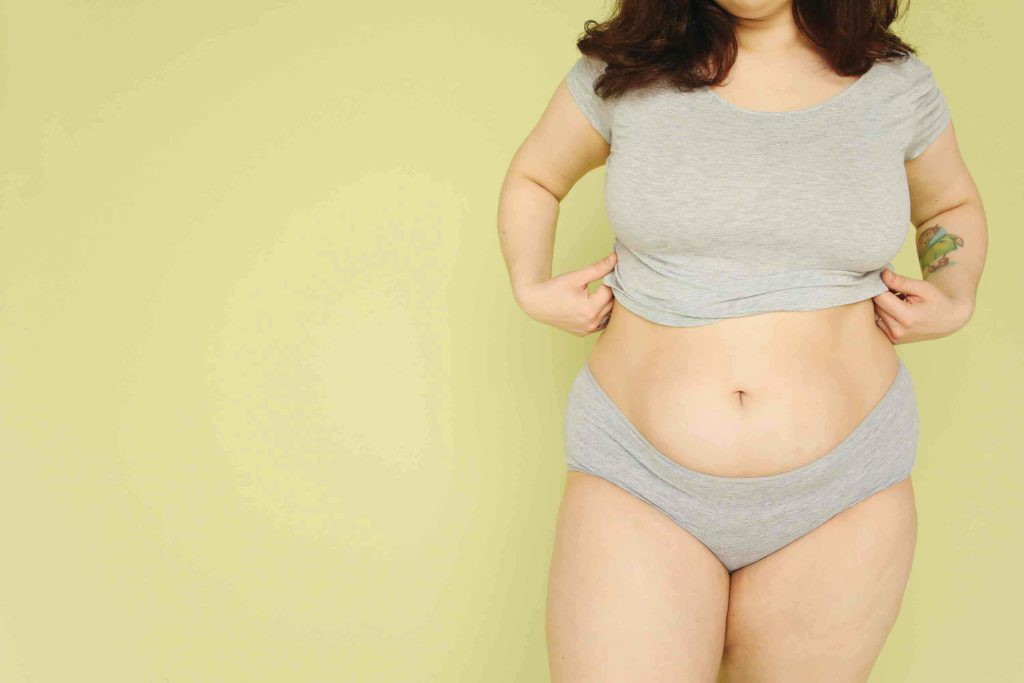
shapely woman in grey underwear against a greeny-yellow background showing that beauty comes in all shapes and sizes.
Credit: Polina Takilevich

A 2021 review in the Journal of Cosmetic Dermatology found that over-exfoliation and multi-active layering are among the most common causes of compromised skin barrier function in otherwise healthy adults, with symptoms including redness, stinging, heightened sensitivity and breakouts that mimic acne. Skinimalism solves this by keeping variables low. With three products, you can track cause and effect. If something goes wrong, you know exactly what caused it.

Why minimalism works for your head

There’s a mental-health piece here too. Scrolling through filtered images of perfect skin creates a gap between what you see and what you experience. That gap creates anxiety. A 2019 review in Body Image summarising multiple studies found that exposure to idealised, edited images on social media is associated with reduced appearance satisfaction and increased anxiety about one’s own skin and body.

Credit: Snog, Marry, Avoid

The acne positivity movement got this right. Your acne isn’t a failure. A routine with eight steps isn’t evidence of care. Sometimes the best thing you can do for problem skin is use less. Skinimalism is partly a skincare philosophy and partly a rejection of comparison culture. It’s saying: good skin doesn’t require perfection. It requires self-acceptance and smart choices about which products actually deliver results.

What skinimalism actually is in practice

Skinimalism means you have a gentle cleanser, a targeted treatment, and a moisturiser with SPF during the day. That’s it. No toners, no essences, no serums for every possible concern. You choose products that actually do something, and you give them time to work before adding more.

girl with textured skin and acne scarring, highlighting the acne positivity movement
Credit: Nicole aka, @theblemishqueen

The baseline is clean skin. You’re removing dirt and excess oil with a gentle approach that doesn’t strip your skin. Browse the Soaps and Cleansers edit for the face-and-body side. Then you address your specific concern. If that’s acne, a treatment with salicylic acid. If it’s sensitivity, something with calming ingredients like niacinamide or centella. Then you seal everything in with a moisturiser.

At night, you repeat the cleanse and treatment, then seal with a heavier moisturiser or a facial oil if your skin is dry. That’s the whole routine. Three products, two times a day. The Serums edit is where your targeted treatment sits, and the Oils and Balms edit covers the final moisturising layer if oil is your preference.

The ingredients that actually work

Vitamin C is an antioxidant that protects against environmental damage and supports collagen production. The American Academy of Dermatology lists it as one of the ingredients with the strongest evidence for anti-ageing benefits when formulated at appropriate concentrations.

Retinol, derived from vitamin A, is the single most-studied anti-ageing ingredient in dermatology, with decades of randomised trials supporting its effects on fine lines and skin texture. Start low and slow, once or twice a week, and build up. It’s not a skinimalism requirement, but if you’re keeping only one active, many dermatologists recommend retinol over almost anything else.

Niacinamide (vitamin B3) calms inflammation, reduces the appearance of pores, and supports the skin barrier. A 2021 meta-analysis in Clinical, Cosmetic and Investigational Dermatology found that topical niacinamide formulations produced modest but consistent improvements in skin elasticity, hydration and pigmentation across multiple trials.

Sunscreen is the non-negotiable one. Daily SPF is the ingredient with the strongest evidence for preventing the visible signs of ageing and reducing skin cancer risk, according to sustained guidance from the NHS. If you keep only one skincare product, make it a broad-spectrum sunscreen.

These aren’t secret ingredients. They’re the ones that appear in legitimate dermatology research and have decades of evidence behind their efficacy. The mistake most people make is assuming they need all of them at once.

A three-step routine you actually do beats an eight-step routine you abandon after a week.

Consistency beats complexity every time

A three-step routine you actually do beats an eight-step routine you abandon after a week. This is the practical argument for skinimalism. You’ll use it consistently. You’ll notice results because there’s nothing else changing. If something happens to your skin, you know exactly what caused it because you’re only using three products.

Consistency is where skin improvement happens. Your skin cells turn over on a roughly 28-day cycle, which is why dermatologists recommend giving any new treatment at least four weeks before judging it. If you’re cycling through products constantly, you’re never giving anything a fair trial. Skinimalism forces consistency because there’s less to change.

Acne is not a skincare failure

Here’s where it really matters: if you have acne, it’s not because your routine isn’t complex enough. Acne is hormonal, bacterial or structural. An expensive ten-step routine doesn’t fix any of that. Sometimes simpler routines actually improve acne because they’re less likely to irritate and compromise the barrier.

The acne positivity movement exists because people internalised a message that clear skin equals self-care and worth. That isn’t true. Acne is a skin condition. Some people get it regardless of what they do. Others can prevent it with basic hygiene and the right treatment. Most people are somewhere in between. Skinimalism gives you permission to have acne and not treat it as a personal failure. If acne is persistent, cystic, or affecting your confidence significantly, a GP or dermatologist is the right next step rather than another bottle from the shelf.

Making the switch without breaking your skin

Don’t strip everything at once. Drop one product this week. See how your skin responds over the full 28-day cycle. Drop another next week if everything’s still fine. This matters because you want to know what actually works for your specific skin type.

If your skin gets worse when you strip it back, you might actually need more support than minimalism. That’s not a failure. It means your baseline needs are higher. The point of skinimalism isn’t achieving the fewest possible products. It’s using the fewest that actually keep your skin healthy and functioning.

Skinimalism is a relief. You stop waiting for the perfect routine and start noticing what your skin actually needs. You stop comparing your baseline to filtered images. You start understanding your own skin because you’re not drowning it in complexity and contradictory products. That’s when real improvement happens.

For more on the broader picture, read our guides to eco swaps for beauty and anti-pollution skincare.

Every brand in the Beauty and Self-Care category on Ziracle has passed the same standard: honest ingredients, transparent formulation, and packaging that takes the environment seriously. Filter by Organic or Cruelty Free to narrow to products that match the skinimalism brief.

Ready to simplify? Browse the Healthy Skin edit and pick the three products you’ll use every day.

FAQs

What are the three products every skinimalism routine needs?

A gentle cleanser, a targeted treatment for your specific concern, and a moisturiser with SPF during the day. At night, the SPF drops out and you can use a richer moisturiser or a facial oil if your skin is dry. That’s the whole routine. Cleanser, treatment, moisturiser. Adding more isn’t inherently wrong, but it should be because you’ve identified a specific need rather than because the shelf had a fourth thing on it.

Is skinimalism suitable for all skin types?

For most, yes. People with very dry, very reactive, or clinically-diagnosed conditions like rosacea, severe eczema or cystic acne may need additional products or prescription treatments, and skinimalism doesn’t mean avoiding medical care. If your skin gets worse when you strip back, that’s information rather than failure. Build back up gradually with the minimum additions that stabilise your skin.

How long does it take to see results from a simpler routine?

At least four weeks, because skin cells turn over on a roughly 28-day cycle. This is why dermatologists consistently recommend giving any new product or routine change at least four weeks before judging it. Skinimalism often shows initial improvement in barrier function within two weeks (less redness, less stinging, better hydration) but deeper changes to skin texture and clarity take longer.

What ingredients should I actually keep?

The evidence-based shortlist: a gentle cleanser (not a harsh foaming one), sunscreen (broad-spectrum SPF 30 or higher, every day), a moisturiser appropriate to your skin type, and one targeted active if you have a specific concern. Retinol for ageing and texture, niacinamide for sensitivity and barrier support, salicylic acid for oily or acne-prone skin, vitamin C for antioxidant protection. Pick one active, use it consistently, and add more only when the first has had a fair trial.

Can I still use makeup with a skinimalism routine?

Yes. Skinimalism is about the underlying skincare routine, not a ban on cosmetics. What often happens when people simplify their skincare is that they also reduce their makeup, because the skin underneath looks better enough that heavy coverage feels unnecessary. The other direction works too: some people keep their makeup routine the same and just simplify the skincare underneath. Either is fine.

How to Practise Self-Love

Self-love has become shorthand for bubble baths and face masks, and the wellness industry is happy to keep it that way. The real version is less photogenic and more useful: the daily choices that keep your body working and your mind settled. Five habits below, each with evidence behind it, each small enough to start tonight.

Most of us already know what we should be doing. The gap between knowing and doing is where self-love lives.

This is a guide to closing that gap without taking on a second job. Start where the evidence is strongest and the rest gets lighter. One habit at a time, built properly, tends to carry the next with it.

Why sleep has to come first

If sleep is broken, nothing else lands. The American Heart Association added sleep to its Life’s Essential 8 health behaviours in 2022, placing it alongside diet and exercise as a core determinant of long-term health. Poor sleep degrades mood, immunity, digestion and decision-making, often before anyone notices the pattern.

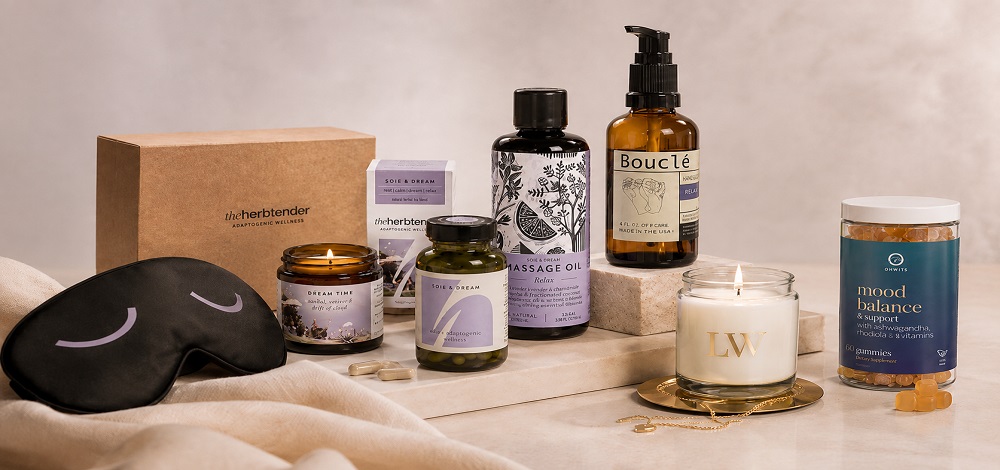
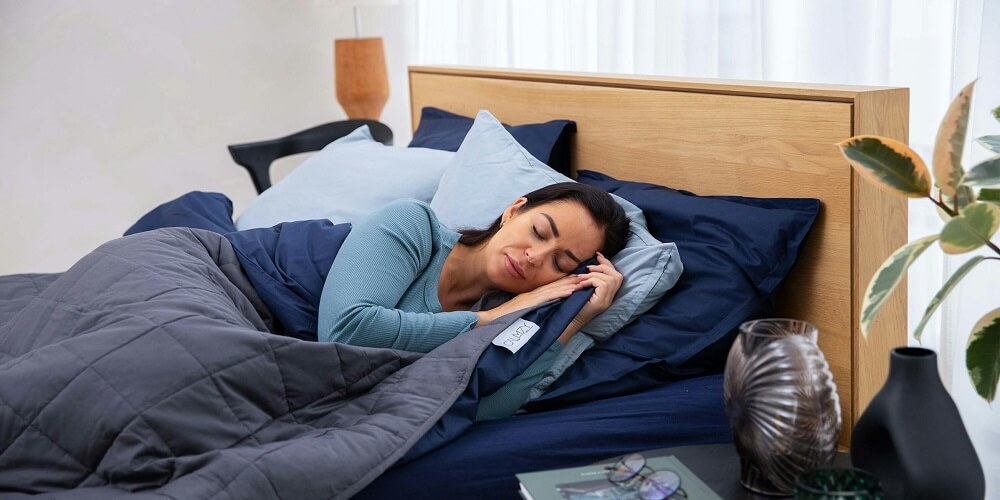
woman asleep

The first fixes are environmental. A dark, cool bedroom beats a warm, lit one by a wide margin. Screens off an hour before bed, because blue light suppresses the melatonin rise that starts the falling-asleep process. The mattress, the pillow, the pyjama fabric against your skin are not optional upgrades once you have tried the alternative.

Then the inputs. Caffeine has a half-life of around five hours for most adults, according to the Sleep Foundation, which means a 4pm flat white still carries meaningful stimulant effect at 9pm. Alcohol feels sedating and is not: it fragments the second half of the night and cuts deep sleep. Neither needs to go forever. Both need to be timed.

A good bedroom is the closest thing to free medicine.

Our sleep guide goes deep on timing, architecture and the one change that makes the biggest difference. For products that support rest, start at Sleep Better.

How food actually changes how you feel

A 2019 meta-analysis in Psychosomatic Medicine pooled 16 randomised controlled trials and found that dietary improvements produced meaningful reductions in depressive symptoms, with effects most pronounced in women. Food is not a cure, but it is a lever most people underuse.

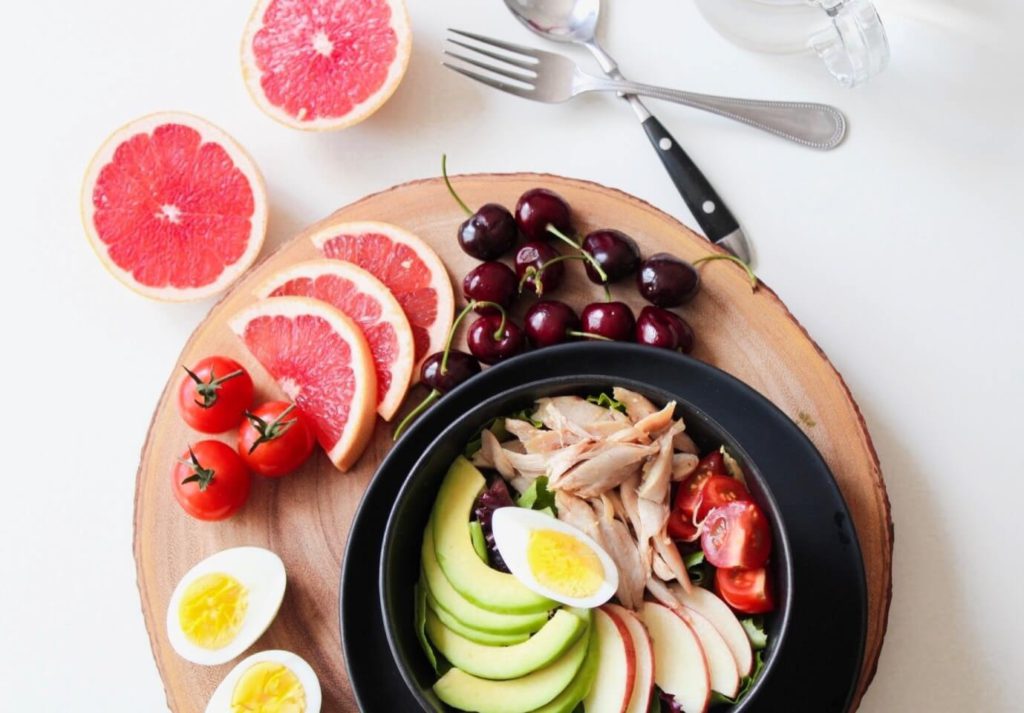
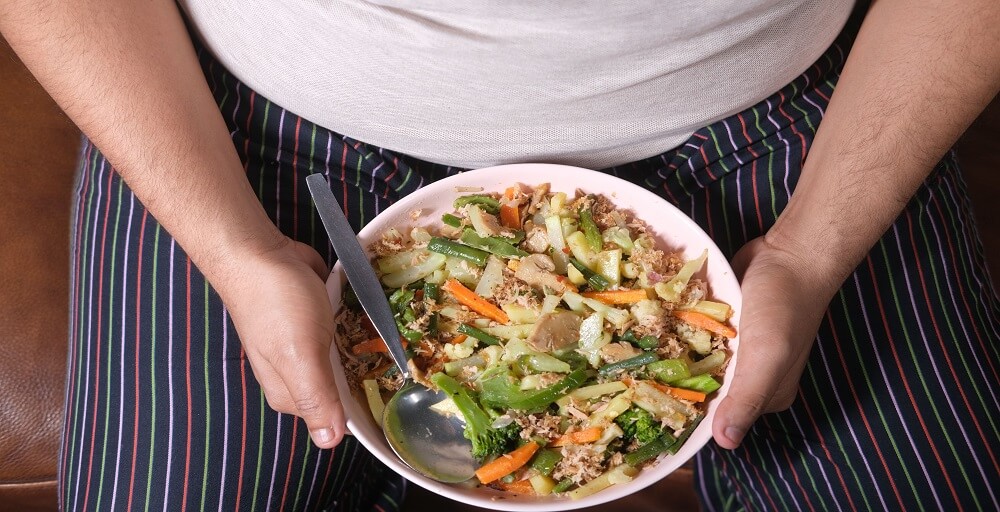
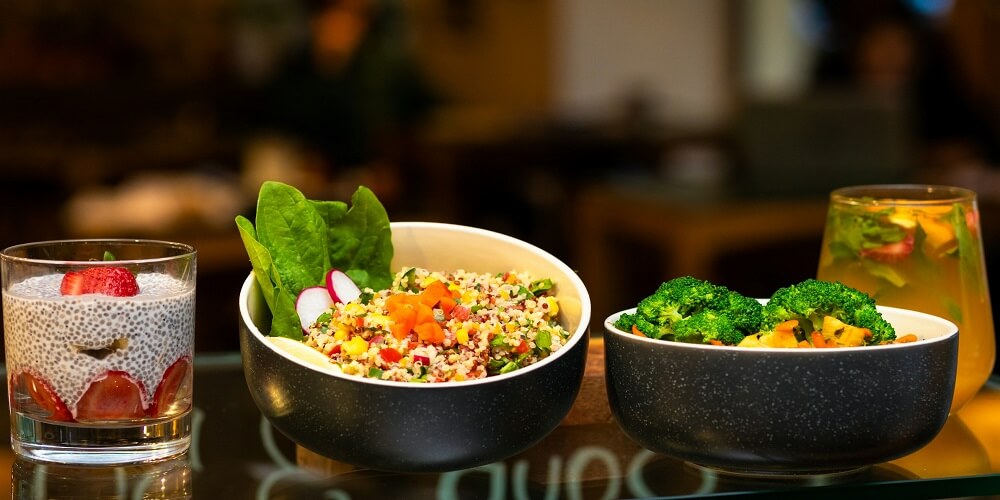
nicely presented healthy meal consisting of fruits, vegetables, eggs and meat.

The pattern matters more than any single food. Plenty of vegetables and fruit, enough protein to stabilise energy, fermented foods a few times a week to feed gut bacteria, fewer ultra-processed meals than the UK average. The ZOE research led by Professor Tim Spector has made the strongest recent case for plant diversity, around thirty different plant foods across a week, as a practical marker of gut health that in turn shapes mood and inflammation.

The useful rule: notice how you feel two hours after eating, not two minutes. Energy that holds, mood that stays steady, hunger that arrives when it should. Keep a rough note for a week and the pattern becomes obvious.

Skin, considered

Skincare is worth taking seriously and worth not overcomplicating. A routine is a quiet form of care you give yourself twice a day, and the evidence for consistent use of sunscreen, moisturiser and a basic cleanser is better than the evidence for almost any premium active.

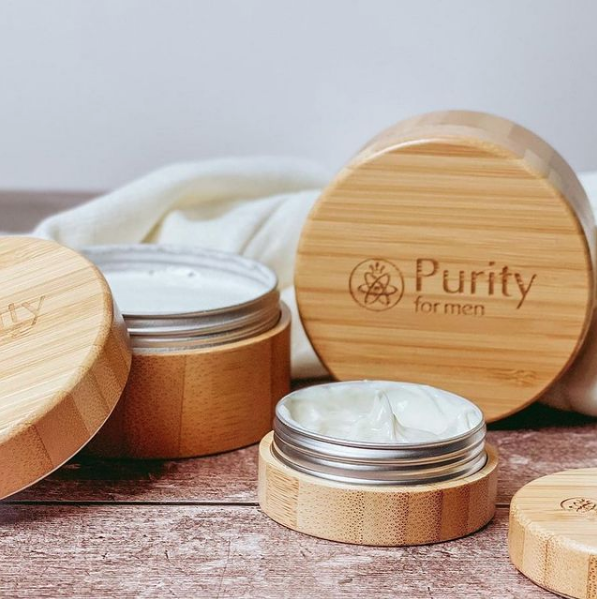
mens natural skincare

The ingredient list does matter for some skin types. Sulphates like SLS strip the skin barrier. Denatured alcohol high in a formula dehydrates. Plant-based and gentler formulations are not a moral choice, they are often the more effective one for reactive skin. Where the barrier is compromised, look for jojoba, squalane, or oat-derived humectants. For blemishes, low-dose retinoids and azelaic acid have the strongest clinical evidence, per NHS guidance on acne.

Hydration matters too, but the eight-glasses-a-day rule is more folklore than fact. Drink when thirsty, more in the heat, and pay attention to urine colour. That is enough.

Browse Beauty and Self-Care for the full edit. For plant-led formulations specifically, filter by Organic.

What ten minutes of slow breathing actually does

Slow breathing, roughly six breaths per minute, reliably shifts the autonomic nervous system toward parasympathetic dominance. A 2018 review in Frontiers in Neuroscience found that slow-breathing techniques increase heart rate variability and reduce self-reported anxiety across a wide range of studies. The mechanism is the vagus nerve, which is engaged more strongly during the exhale. Longer exhales, more vagal tone, calmer state.

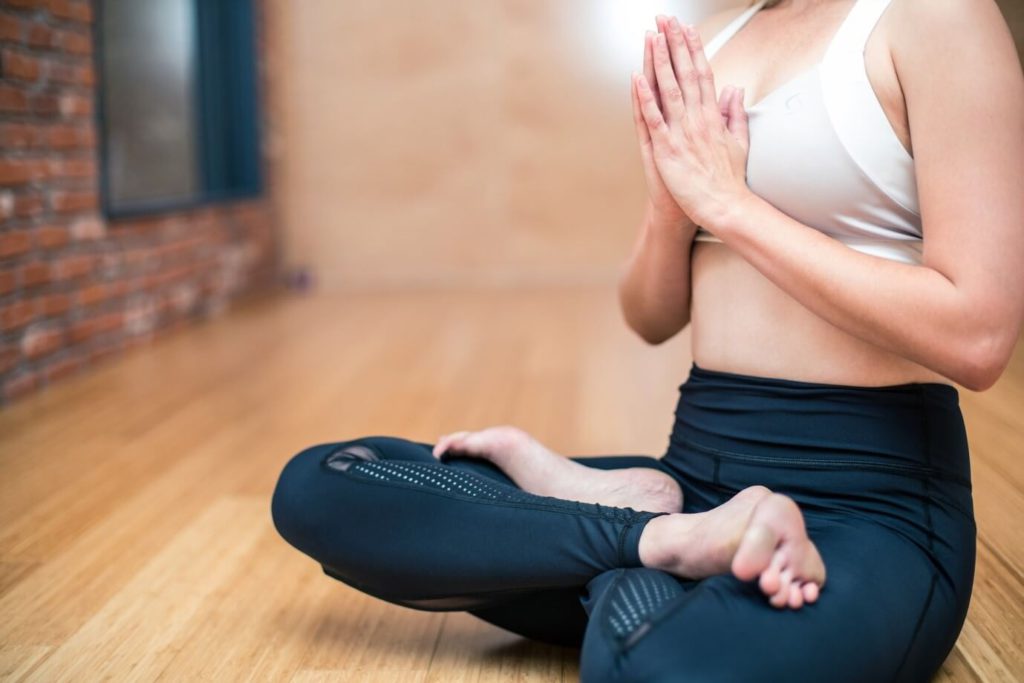
woman doing yoga

You do not need a practice, an app, or a candle. Inhale for four, exhale for six, for two minutes, and the nervous system registers the change. Do it before a meeting you are dreading. Do it when your toddler has thrown something.

Meditation layers on top. Even ten minutes a day produces measurable cortisol reductions across most studies, with the caveat that consistency beats duration by a wide margin. Five minutes daily outperforms thirty minutes once a week.

For tools and support, Mindfulness and Meditation collects what we think is worth the money.

Why a walk still works

A 2007 report by UK mental health charity Mind, drawing on studies commissioned from the University of Essex, found that a countryside walk reduced depressive symptoms in 71% of participants, while a walk around an indoor shopping centre increased tension in 50% and worsened depression in 22%. A later meta-analysis by Barton and Pretty, published in Environmental Science and Technology in 2010 and pooling ten studies with over 1,250 participants, confirmed that even five minutes of green exercise produced measurable mood improvements. The evidence has since been strengthened significantly at government level: the NHS England Green Social Prescribing Programme (2021–2025) — the largest nature-based social prescribing study ever conducted, involving over 8,000 people across seven areas, backed by HM Treasury, Defra, DHSC and Natural England — found statistically significant improvements in mental health and wellbeing, with participants’ happiness and sense of life being worthwhile rising to near national averages and anxiety levels falling significantly. For every £1 invested, the programme generated a social return of up to £2.42.

woman walking in nature

The Ramblers estimate there are 140,000 miles of public rights of way across England and Wales. A weekly walk in a park or along a footpath is one of the highest-return self-care practices available, and it is free. Green spaces lower cortisol within minutes. Trees release compounds called phytoncides that measurably lift immune markers. The brain shifts out of the rumination network and into an observational state, which is meditation by another name.

Forty minutes outside beats most of what the wellness industry sells.

How to make any of this stick

Pick one. Build it for two weeks before you add another. The implementation problem is the only real problem: everything on this list has been known for years.

Sleep first, because it carries everything else. Food next. A weekly walk after that. The breath practice and the skincare routine fold in around the edges once the foundation holds. A single habit kept for a month is worth more than five attempted for a weekend. If a habit starts to feel like a performance, make it smaller until it does not.

Self-love that costs time is often self-love that pays back in time. Better sleep returns the hour you spent on bedroom routine. Walking returns energy. The trick is to stop waiting for a quieter week to begin, and to begin in the week you actually have.

Start with sleep tonight. Everything else follows from there.

For integrated support across stress, rest and daily self-care, Reduce Stress is the goal page to bookmark.

FAQs

Is self-love the same as self-care?

Not quite. Self-care is often framed as a treat: the massage, the bath, the rest day. Self-love is the underlying decision that you are worth the time those things take, which means it shows up in unglamorous choices too. Going to bed on time, keeping the kitchen stocked, saying no when you mean no. The treats are optional. The decision is not.

How long does it take to feel the effects of better sleep habits?

Most people notice changes within two weeks of consistent sleep timing and a dark, cool room. Deeper effects on mood, skin and energy build over a month or two. The Sleep Foundation suggests around four to six weeks for a new sleep routine to feel automatic rather than effortful.

What is the single most useful self-love habit to start with?

Sleep. It is the one that makes every other habit easier. Fix the bedroom, time the caffeine, and protect the last hour before bed. Mood, skin, food choices and energy all improve once sleep is working, often without any other intervention.

Does diet really affect mental health?

The evidence points to an overall pattern, not to any single food. The 2019 Psychosomatic Medicine meta-analysis found the largest effects came from whole-food, nutrient-dense eating, with vegetables, pulses, oily fish, olive oil and fermented foods featuring heavily. Restriction produced smaller effects than addition. Adding nourishing foods tends to outperform cutting things out.

Is walking really enough to count as exercise for mental health?

Yes. The University of Essex green-exercise research suggests five minutes in nature produces a measurable mood effect. For cardiovascular benefit, the NHS recommends 150 minutes of moderate activity a week, which three or four brisk walks comfortably cover.