Veo and Wearth are now Ziracle. Same mission, better platform. See what's new

Eco Swaps for Food and Drink: Where the Plastic Actually Comes From

You’ve switched the shampoo bar. You’ve swapped the kitchen spray. The bathroom cabinet looks different, the cupboard under the sink looks different, and yet the recycling bin is still full every week, still mostly plastic, still mostly from food. That’s not a failure of effort. It’s where the problem actually lives.

So here’s what’s worth changing in the food aisle, what’s genuinely difficult, and why the hardest parts aren’t yours to fix.

Why food and drink is where most household plastic starts

A 2022 Greenpeace and Everyday Plastic count, the largest household plastic survey ever run in the UK, found that 83% of the plastic counted came from food and drink packaging. That isn’t shampoo bottles or cleaning products. That’s the packaging your food arrives in, week after week, from the supermarket.

The two largest categories within that: snack packaging and fruit and veg packaging. Between them they make up most of what the average household throws away. WRAP estimates that fresh fruit and vegetables alone generate tens of thousands of tonnes of hard-to-recycle plastic each year, and most of it is film. Soft plastic film is one of the hardest consumer materials to recycle at scale, and the vast majority of it in UK households ends up in general waste.

This matters for how you approach the food aisle. The cleaning and beauty swaps covered elsewhere in this series sit largely within your control. You choose the format, you swap the product. Food packaging is different. Some of it you can change. Some of it is a supermarket and supply-chain problem wearing a consumer-choice costume.

The swaps that are actually within reach

Buy loose fruit and veg where you can

The single most impactful food swap on the list. WRAP’s 2022 research found that removing plastic packaging from a handful of the most commonly bought fruit and vegetable items could prevent around 100,000 tonnes of food and plastic waste each year in the UK, in part by letting people buy only what they need rather than being forced into a pre-weighed pack. The plastic on most pre-packed fresh produce is film, which is rarely kerbside-recyclable and usually ends up incinerated.

Most supermarkets now offer at least some loose options. Bring a paper bag or a reusable produce bag. Where loose isn’t available, go for cardboard or paper over plastic film where there’s a choice. It isn’t always possible. When it is, it’s the highest-return swap in the food aisle.

Switch to a reusable bottle and cup

A reusable water bottle removes the most avoidable category of single-use plastic from most people’s days. The same applies to a reusable coffee cup if you buy coffee on the go. Both are low-cost, immediate, and ask for no adjustment once the habit lands. Browse the Water Bottles edit and Reusable Coffee Cups edit.

Choose glass, cardboard or aluminium over plastic where the product is identical

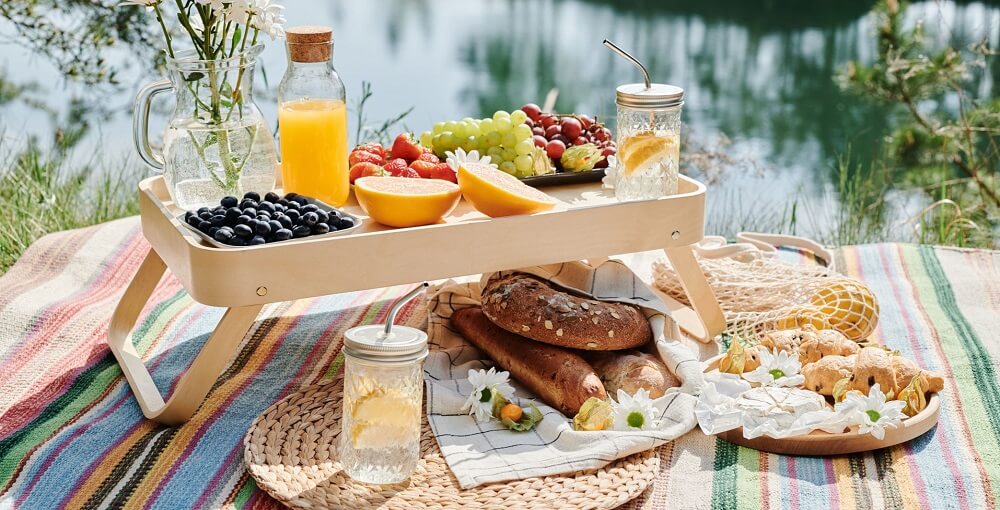
For pantry staples: passata in a carton rather than a plastic bottle, tinned tomatoes rather than plastic pouches, glass jars of nut butter rather than plastic tubs. The product inside is identical. The packaging choice isn’t. This is the kind of swap that costs no extra effort at the point of purchase and compounds across dozens of items a year. See The Pantry range for staples already packaged well.

Buy in bulk where you use something reliably

A large bag of oats produces less packaging per portion than five small ones. Same with rice, lentils, flour, and most dried goods. Buying the largest practical size of products you’ll definitely get through is one of the lower-effort packaging reductions available. Many independent shops and zero-waste retailers now offer loose options for dried goods, coffee, and oils. The Bulk Pantry edit collects this kind of product in one place.

Reusable produce bags

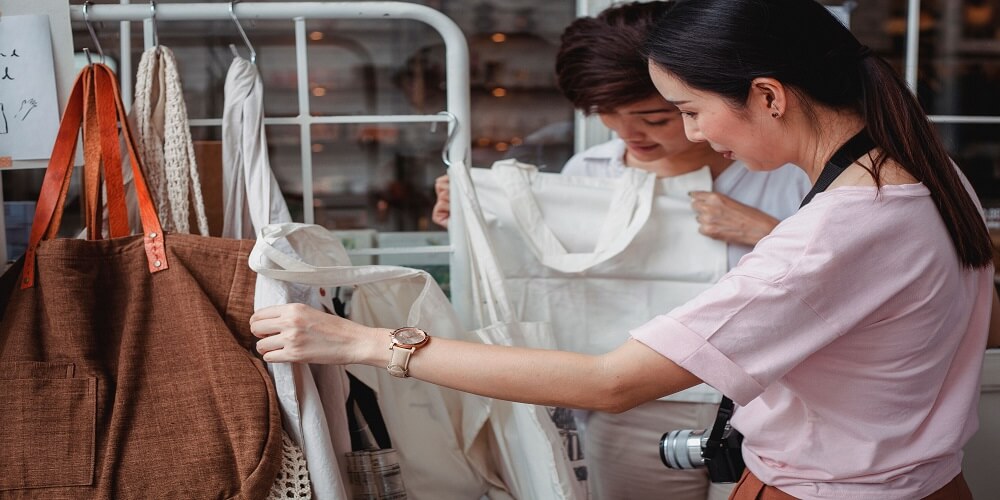
Swapping the single-use plastic bags in the fruit and veg aisle for lightweight mesh or cotton reusables is a small but consistent win. They wash easily and last for years. Not transformative on their own, but they add up alongside the other changes.

What’s harder than it looks, and why it’s not your fault

Some of it you can change. Some of it is a supermarket and supply-chain problem wearing a consumer-choice costume.

Crisps, biscuits, cereal bars, confectionery. The hardest food category to improve. Almost all of it is plastic film or foil-laminate. Neither is collected by most UK councils. Neither has a widely available plastic-free alternative that performs comparably at the supermarket scale. TerraCycle runs collection schemes for some brands, but these require dropping packaging at specific points rather than putting it in the kerbside bin.

Ready meals, deli packaging, pre-marinated meat trays fall into the same category. The plastic trays and film lids are rarely recyclable at home. Alternatives exist in some supermarkets (paper-based trays, cardboard sleeves) but they’re inconsistent and not always clearly labelled.

Plastic film on multipacks: the wrap holding together a four-pack of tinned tomatoes or a six-pack of yoghurt pots is almost never recyclable at home. According to WRAP’s Recycling Tracker, only a minority of UK local authorities collect flexible plastic kerbside, though the larger supermarkets have installed soft-plastic collection points in many stores. Using these is worth doing. Relying on them as the main solution is not.

The honest position: a lot of food packaging waste isn’t within the consumer’s control at current supermarket infrastructure. Buying better where you can, supporting refill and loose options where they exist, and accepting that the rest is a supply-chain problem is the most realistic stance. Every choice adds up. But not every choice is yours to make. For the same approach applied to your bathroom and home, see our guides to eco swaps for beauty and eco swaps for home.

What to buy when you’re shopping well

Every product in the Food and Drink category on Ziracle has passed the same standard: good food, responsibly sourced, packaged with as little unnecessary plastic as possible. For this category specifically, that means Organic where it matters, minimal or plastic-free packaging, and brands that are transparent about what’s in the product and where it came from. Many carry Fair Trade certification for supply-chain transparency beyond the packaging question.

The formats worth looking for: glass jars, cardboard, aluminium, and brands with refillable or return schemes. The brands that earn their place are the ones where the food itself is worth buying and the packaging is a considered choice rather than an afterthought.

You now know where most of the plastic in your kitchen actually comes from, which swaps are worth making, and which ones are beyond what any single shopper can solve. Which means the next supermarket trip looks a bit different.Ready to switch?

Browse the Plastic Free edit and start with one item at a time.

FAQs

What percentage of household plastic comes from food and drink?

According to the 2022 Big Plastic Count, run by Greenpeace and Everyday Plastic across more than 220,000 UK participants, food and drink packaging accounted for 83% of the plastic items counted in the average household’s weekly waste. That’s why the food aisle is where the biggest opportunity sits, even after you’ve switched cleaning and beauty products.

Is buying loose fruit and vegetables actually worth the effort?

Yes. WRAP’s 2022 research found that removing plastic from a small handful of the most-bought fresh items could prevent around 100,000 tonnes of food and plastic waste a year in the UK, in part because loose produce lets people buy only what they need rather than being forced into pre-weighed packs that often go off. Bring a paper bag or a reusable mesh produce bag.

Can I recycle the plastic film on multipacks or fresh produce?

Rarely at home. Soft plastic film is one of the hardest consumer materials to recycle at scale, and only a minority of UK councils collect it kerbside according to WRAP’s 2023 Recycling Tracker. Many larger supermarkets (Tesco, Sainsbury’s, Co-op) now have in-store soft plastic collection points. Use them where you can. Don’t count on them as the main solution.

Are reusable water bottles really a meaningful swap?

For single-use plastic bottles specifically, yes. It removes one of the most avoidable categories of daily plastic. The environmental payback depends on the material (a stainless steel bottle takes a few months of regular use to break even against single-use plastic, a glass one longer), but once you’re past that threshold the maths works. Same applies to a reusable coffee cup if you buy coffee out.

What about snacks and biscuits?

The hardest category. Almost all mainstream snack packaging is plastic film or foil-laminate, neither of which is typically recyclable at home. TerraCycle runs collection schemes for some brands, and supermarket soft plastic bins accept some types. Beyond that, buying fewer individually wrapped items and choosing brands that use cardboard or paper where possible is the realistic stance. Much of it isn’t a consumer problem to solve alone.
What is Conscious Consumerism (and how to do it without becoming a full-time researcher)

Conscious Consumer in nature||||Nature is healing meme of cow in the ocean|slow shutter speed timelapse photograph of a shopping centre full of shoppers|Shopping Mall

Shopping with your values used to feel like homework. Twenty years ago, finding a pair of jeans that wasn’t made in a sweatshop required hours of digging and usually ended in a frustrated compromise. Now the landscape has shifted. Labels tell you more. Certifications exist. Entire marketplaces have been built around the question.

What has not shifted is the time most people have to spend on it. If conscious consumerism means researching every brand before every purchase, nobody does it for long. Burnout is real, and the shopping-as-homework model is how sustainable intentions die in month three.

This guide is about the opposite approach. Conscious consumerism done well is a set of mental shortcuts, not a research project. A handful of questions you learn to ask, a few certifications that do the verification for you, and a willingness to choose imperfect-but-better over paralysed-by-perfection. Done this way, it stops feeling like effort and starts feeling like ordinary shopping, just pointed in a slightly better direction.

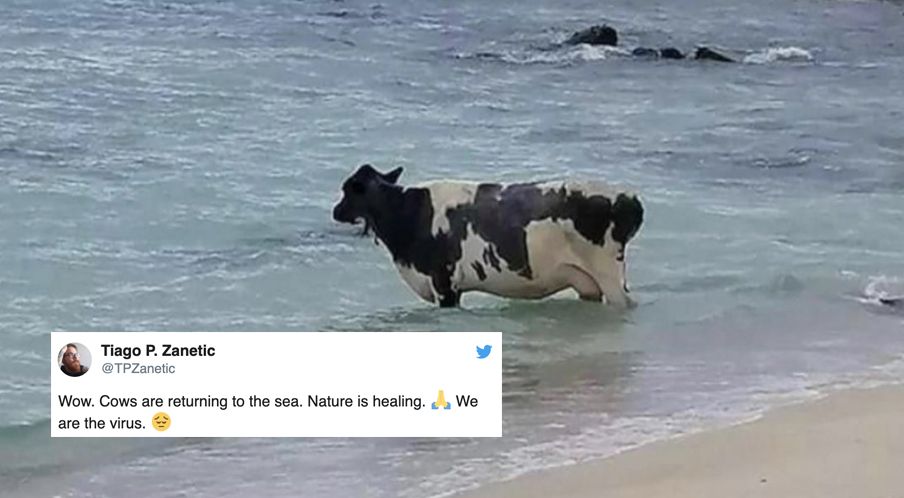
Nature is healing meme of a cow in the sea
Tiago P. Zanetic’s Tweet of a ‘Nature is Healing’ meme

The honest starting point

Conscious consumerism is not about moral perfection. Nobody shops ethically across every category all the time. Budget, time, access, and life all constrain what is possible in any given week. Setting the bar at total consistency is the surest way to give up the whole project within a year.

The better framing: every purchase is information. You are telling companies, quietly and cumulatively, which practices you support and which you do not. The aggregate of millions of people making slightly better choices is what has pushed the B Corp movement past 9,000 certified companies globally, shifted the high-street response to fair pay, and moved organic from speciality to supermarket aisle. Your individual purchase does not save the world. Your pattern of purchases, multiplied by millions, is what changes the market.

This frees you from the perfection trap. Done is better than perfect, in this as in most things.

The five questions that do most of the work

Five questions, asked of any product you are about to buy, will sort most of the genuinely-better options from the genuinely-worse ones in under a minute.

Where was this made, and by whom? A specific factory in a named city beats “imported” every time. A named workshop is better still.

Were the people who made it paid fairly? You usually cannot verify this directly. What you can verify is whether the brand participates in a fair-pay certification that audits it.

What is it made of, and where did the raw material come from? Cotton from a GOTS-certified farm is different from cotton whose origin the brand cannot trace. Recycled aluminium is different from newly mined.

Was any animal harmed in production or testing? For cosmetics, this is the cruelty-free question. For clothing, it is whether any animal-derived materials came from certified welfare-standard operations.

Is there a certification backing the brand’s claims, or is it marketing? This is the meta-question. A brand that has paid for independent verification has agreed to be held accountable to a named standard. A brand that has not is asking you to trust them on their own word.

Most of the time, the fifth question answers the first four at once.

The four certifications that do the most work

Four certifications are worth learning. They are the shorthand that removes most of the research burden.

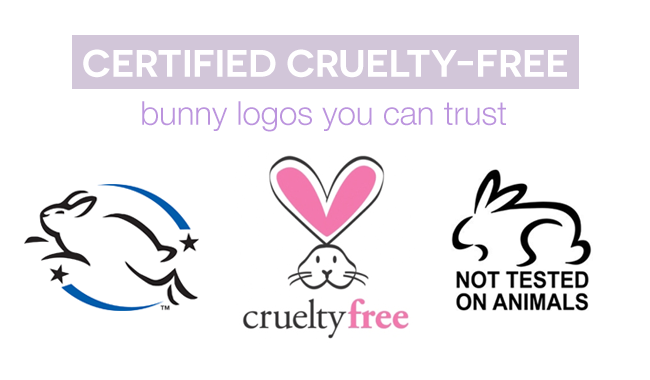
cruelty-free bunny logos

Fair Trade certification, run in the UK by the Fairtrade Foundation, audits for minimum prices, a community premium paid on top, safe working conditions, and restrictions on the worst agrochemicals. It applies across coffee, cocoa, bananas, cotton, gold, and a growing list of other commodities. A Fairtrade mark on a product means the producer was paid above a defined floor, regardless of what the open market did that season.

Organic certification (in the UK, this is usually the Soil Association, and for textiles specifically, GOTS -the Global Organic Textile Standard) means the crop was grown without synthetic pesticides, synthetic fertilisers or genetically modified seeds. GOTS goes further on textiles and covers the manufacturing process as well.

Cruelty Free certification (Leaping Bunny is the internationally recognised mark) means no animal testing occurred at any stage of the supply chain, including by third-party suppliers. “Not tested on animals” as an unverified claim is weaker: it often applies only to the final product, not the ingredients.

B Corp status applies to the whole business rather than a specific product. It signals that a company has been independently audited against standards on environmental impact, worker welfare, community engagement and governance. Over 9,000 businesses globally hold it. It is not material-specific, but B Corp brands tend to take sourcing seriously as a matter of course.

None of these certifications is perfect. All require ongoing independent scrutiny. But a brand that carries several of them has chosen to be held accountable in ways that a brand with none has not.

The buy-less-but-better principle, without the moralising

The single most effective thing most people can do, across almost every category, is consume less and keep what they do buy for longer. This is not a new insight. What is often missing from it is the cost-per-wear maths that makes it work.

A £12 T-shirt you wear five times before it loses shape costs £2.40 per wear. A £45 organic-cotton T-shirt you wear forty times costs £1.13 per wear. The second option is better for your wardrobe, better for your wallet, and considerably better for the people and land involved in making it. The cheap item feels cheaper. It is not.

The same maths applies to a £9 face cream that lasts three weeks versus a £28 one that lasts three months. To a £15 pair of earrings that tarnishes in a summer versus a £60 pair in recycled silver worn for a decade. To a £20 cushion cover that fades in six months versus a £45 organic-cotton one that holds up for years.

The habit that matters is doing the maths before the purchase rather than after the disappointment.

The food question, and why small shifts matter more than big gestures

Food is where conscious consumerism scales fastest, because most people eat three times a day. A single purchase decision times 1,000 repetitions is a meaningful footprint change without requiring any single moment of heroic commitment.

The Veganuary movement -which recorded roughly 25.8 million global participants across 20+ countries in January 2025 -has made the point that reducing rather than eliminating is the more achievable path for most people. Veganuary’s own participant survey for 2025 found that 81% of participants who were not already vegan planned to at least halve their animal-product intake permanently after the month ended. The interesting finding is not that everyone becomes vegan, but that most people stay somewhere on the spectrum between where they started and where they finished.

The smaller shifts are the reliable ones. A few meat-free dinners a week. A weekly vegetable box from a local grower. Cooking slightly more and eating out slightly less. Buying loose rather than packaged where your supermarket allows it. Eat Well is the goal page to bookmark if food is where you want to start.

Why small system changes beat individual willpower

The UK’s 5p plastic bag charge, introduced in October 2015 and extended to 10p across all retailers in May 2021, is the case study worth learning from. According to DEFRA, single-use carrier bag sales in England’s major supermarkets dropped by over 95% since the charge was introduced, with average household use falling from around 140 bags a year in 2014 to around four.

One small policy change shifted behaviour across millions of people without requiring any individual effort of willpower. That pattern is worth internalising. Systems that remove the path of least resistance do more than moral persuasion ever will.

The consumer version of this principle: make the better choice the default. Keep a reusable bag in every coat pocket. Keep a refillable water bottle in the kitchen and the car. Set up a weekly box delivery rather than trying to shop ethically on a rushed Thursday. Most consistent sustainable behaviour comes from designing the system, not from remembering the intention.

Where to start

Pick one category. Food, clothing, personal care, or home cleaning. Try one swap in that category for a month. A reusable water bottle. One Fairtrade brand of coffee. One GOTS-certified item of underwear. A compostable or refillable version of something you already buy.

Live with it for four weeks. Notice whether it works for your life. If it does, keep it and move to the next category. If it does not, try a different version of the same swap before giving up. The second attempt almost always works better than the first, because you have learned something about what matters to you in practice.

The categories compound. By year two, the shift that felt like effort in month one has become the default. By year three, you stop noticing you are doing it. That is the point at which conscious consumerism becomes ordinary consumerism, done slightly more thoughtfully, with less time spent thinking about it.

Where to start on Ziracle

Every brand in the Ziracle edit has been assessed against the same four-part question: does it do what it claims, is it made the way the brand says, is the brand honest about both, and is there independent verification to back it up. You can browse by value – Fair Trade, Organic, Cruelty Free, or B Corp – to filter the edit according to what matters most to you.

For the longer argument about why well-made basics hold up over time, our sustainable denim guide works through the maths on a single category. For the packaging side of the same argument, the plastic-free living guide covers practical, habit-level changes at home.

The honest summary of this entire guide: conscious consumerism is not about self-denial or moral purity. It is about a few mental shortcuts, a handful of certifications worth knowing, and the willingness to let imperfect-but-better be good enough.

FAQs

Isn’t conscious consumerism just expensive consumerism with better PR?

Sometimes, yes. There are plenty of “ethical” products priced well above what their actual sourcing justifies, and plenty of mass-market brands that produce well-sourced basics at competitive prices. The defence is the certification question. A £45 T-shirt with no independent verification is a premium. A £45 T-shirt with GOTS and Fairtrade certification is paying for those audits. Price alone does not signal ethics. Paid-for third-party verification does.

What’s the one certification I should pay attention to if I only learn one?

B Corp, if you want the broadest signal. B Corp applies to the whole business and covers environmental, social, governance and worker-welfare standards. It does not replace specific material certifications (like GOTS for organic textile or Fairtrade for coffee) but it does mean the business behind the product has agreed to be independently audited against a broad standard.

Can I shop consciously on a tight budget?

Yes, with a different approach. The entry points for tight-budget conscious shopping are not premium brands. They are buying less, buying secondhand, using what you own for longer, cooking more from basic ingredients, and picking one or two categories where paying slightly more is worth it. Most genuinely sustainable behaviour is not about expensive purchases. It is about fewer purchases, and the things you already own lasting longer.

How do I avoid greenwashing?

Two quick tests. Does the brand name its specific certifications (with licence numbers where applicable), or does it use vague terms like “eco-friendly,” “natural,” or “green”? And is the claim specific and measurable (this cotton is GOTS-certified), or is it aspirational (we care about the planet)? The first type is verifiable. The second is marketing.

What’s the single most impactful swap I can make?

Statistically, if you eat meat daily, moving to meat a few times a week is the biggest single environmental swap most people can make. If you already eat little meat, the biggest single swap is usually buying fewer clothes and keeping them longer. Both apply to most people. Either is a reasonable place to start.

Slow Fashion: How To Stop Moving So Fast

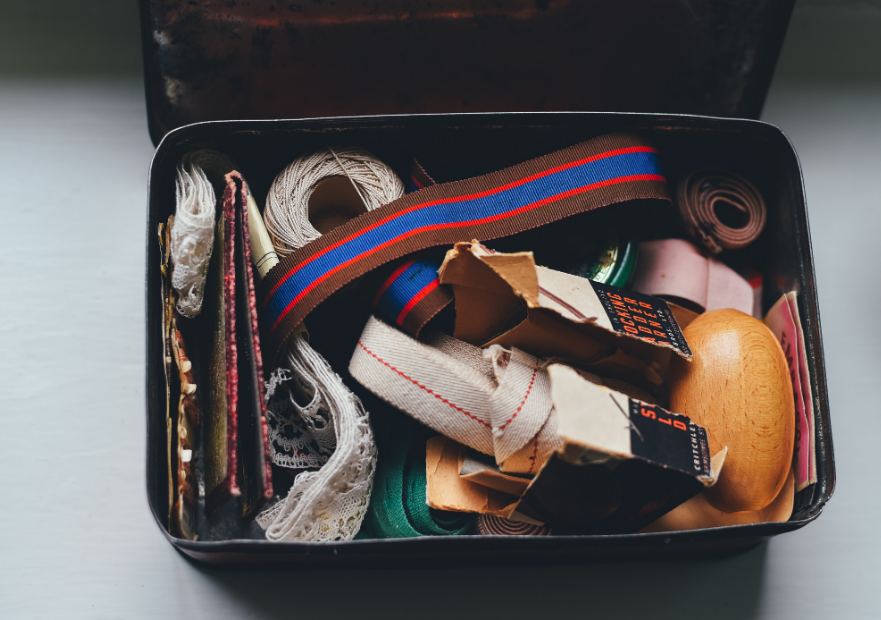
suitcase full of fabric and seamstress materials|||

Convenience now sits at your fingertips. You can order a jacket online tonight and have it draped over your shoulders by tomorrow evening. With that kind of ease, it’s no surprise that people are buying more clothes than ever, often without needing them.

Great choice brings great responsibility. And responsibility is what the slow fashion movement is asking us to take seriously. Shopping fast has a real cost: environmental, ethical and economic. Shopping slowly is the practical alternative, built around quality, longevity and the people making the clothes in the first place.

Here’s what fast fashion actually does to the planet and to garment workers, what slow fashion is as a response, and how to shift your own wardrobe without giving up style or affordability.

What fast fashion is

Fast fashion is inexpensive, on-trend clothing designed to move quickly from catwalk or celebrity inspiration to store shelves. Manufacturers mass-produce popular garments at lightning speed and for very low cost, targeting trend cycles that now turn over in weeks rather than seasons.

Commercially it’s been a runaway success. The speed and price point come at a cost. To make the numbers work, environmental corners get cut, labour standards get compressed, and quality gets stripped out of the finished garment. The result is a supply chain that has an enormous impact on the planet and on the people inside it.

How fast fashion affects the environment

To keep up with flash-in-the-pan trends and churn out the sheer volume of clothes required, fast fashion brands rely on cheap textile dyes. According to a 2019 UN Environment Programme briefing, the fashion industry is responsible for around 20% of global wastewater and generates around 10% of global carbon emissions, more than all international flights and maritime shipping combined. Dye runoff from textile manufacturing contaminates rivers and drinking water in many of the countries where clothes are produced.

If clothes are being sold for very little, the quality is low too. Polyester is one of the most widely used fabrics in fast fashion, and its environmental footprint is severe. A 2022 report from the Ellen MacArthur Foundation noted that polyester is derived from fossil fuels and sheds microfibres every time it goes through a wash cycle, adding directly to the rising levels of microplastics in our oceans.

Cotton is also a major offender. The global cotton supply chain is complicated, and fast fashion has pushed cotton farmers to the bottom of it. They’re largely invisible to the consumer and have almost no power to negotiate fair prices with traders. The Fashion Transparency Index 2023 from Fashion Revolution found that only 1% of major fashion brands disclosed paying a living wage to workers across their supply chain. That lack of power has real-world consequences.

How fast is fashion really moving?

The speed at which garments are produced is matched by how quickly they get thrown away. A surprising share of the clothes in most wardrobes are never worn at all. WRAP’s 2022 Textiles Market Situation Report found that around 26% of adult wardrobes in the UK contain items that haven’t been worn for at least a year. That represents around £4,000 worth of clothing per household, much of it sitting unused.

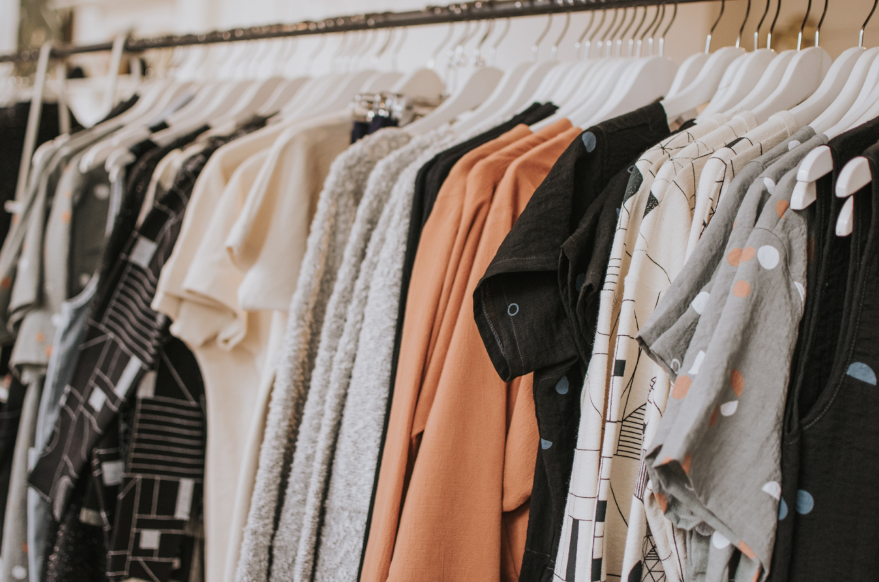
rail with clothes hanging

That creates an enormous textile waste problem. WRAP’s Valuing Our Clothes research estimated that hundreds of thousands of tonnes of UK clothing end up in landfill every year, with the ‘wear it once’ culture driving increasing volumes of nearly-new garments into the bin. Even when clothes are donated, a sizeable share can’t find a second home and ends up exported, incinerated or dumped.

Around a quarter of adult wardrobes in the UK contain clothes that haven’t been worn for over a year.

The people who pay the price

Alongside the environmental cost is an ethical one. Fast fashion brands rely heavily on garment workers in lower-income countries who are paid low wages and often work without basic rights like safe conditions, clean water, regulated hours, or the ability to organise. Most consumers making a quick purchase online have no visibility into that side of the supply chain at all.

As the harms of fast fashion have become more widely reported, a growing number of activists, researchers, petitioners and brands have stepped in to raise awareness and direct shoppers towards a more considered way of buying. That push is what gave rise to the slow fashion movement.

What slow fashion is

Slow fashion is sustainability in a single unified movement, conscious and considered by design. The term was coined by researcher Kate Fletcher in a 2007 article for The Ecologist, which drew a direct parallel with the slow food movement. Fletcher, based at the Centre for Sustainable Fashion at London College of Fashion, argued that speed itself was a core driver of the industry’s damage. Slowing it down wasn’t about nostalgia. It was about aligning production and consumption with the realities of supply chains, resources and human labour.

Slow fashion is the direct opposite of fast fashion. It stands for designing, making and buying garments for quality and longevity. It favours slower production schedules, fair wages, lower carbon footprints and, ideally, zero waste. Designers working in a slow fashion model create timeless pieces built to last, and they consider the full product life cycle: the materials used, the human labour involved, and the intended life of the garment on the wearer’s back.

Like slow living, slow fashion is holistic. It focuses on purpose rather than pace. It pushes back against the default cultural settings of ‘more is more’ and ‘faster and cheaper are better’ and asks a harder question: what does this piece need to do, and how long should it last?

Organic cotton growing in a field

How to shop more slowly

Slow fashion is less about rules and more about habits. Six practical shifts that make a real difference to how a wardrobe behaves over time.

The 30 wears test

The slow fashion movement is about getting the most out of your wardrobe: wearing pieces in different ways, time and again. One of the simplest ways to adopt the mindset is the 30 wears test, launched by Livia Firth through her Eco-Age consultancy. The #30wears campaign proposes a single question to ask before any new purchase: will I wear this at least 30 times?

The campaign isn’t an instruction to stop buying clothes. It’s a nudge to think about clothes as investments rather than disposable entertainment. That single mental check filters out an enormous amount of impulse buying before it happens, and it directly reduces landfill waste and carbon footprint.

Donate your unwanted clothes

One person’s clear-out is another person’s wardrobe addition. Donating clothes to family, friends or a local charity shop gives items a second life and keeps them out of landfill. It also scratches the ‘something new’ itch without adding to the supply of virgin clothing.

A useful habit is one-in, one-out: every time you buy something new, donate or pass on something already in your wardrobe. It keeps the volume of what you own steady and forces you to think twice before each purchase.

Look after your clothes so they last longer

A piece from a slow fashion brand usually costs more, and that price tag tends to make you care for it more carefully. It’s also likely to be higher quality, made from better materials, in a workplace where employees are treated well. Engineered to last decades if you let it.

How you treat your clothes is the single biggest factor in how long they last. Cashmere can last a lifetime if you store and wash it properly. Denim keeps its colour longer if you wash it inside out and less frequently. A little effort on care routines pays off in years of extra wear.

Buy the right materials

If you’re unsure what to buy, stick to natural fabrics you’ve heard of: wool, silk, linen, organic cotton and hemp. Synthetic fabrics are produced in labs using chemicals derived from petroleum. They’re not biodegradable, and they shed microfibres every time you wash them, sending plastic directly into rivers and oceans.

Tencel and other closed-loop cellulose fibres are the exception worth knowing about. They’re semi-synthetic, made from wood pulp, and they perform well without the fossil fuel footprint of polyester or nylon.

Shop vintage

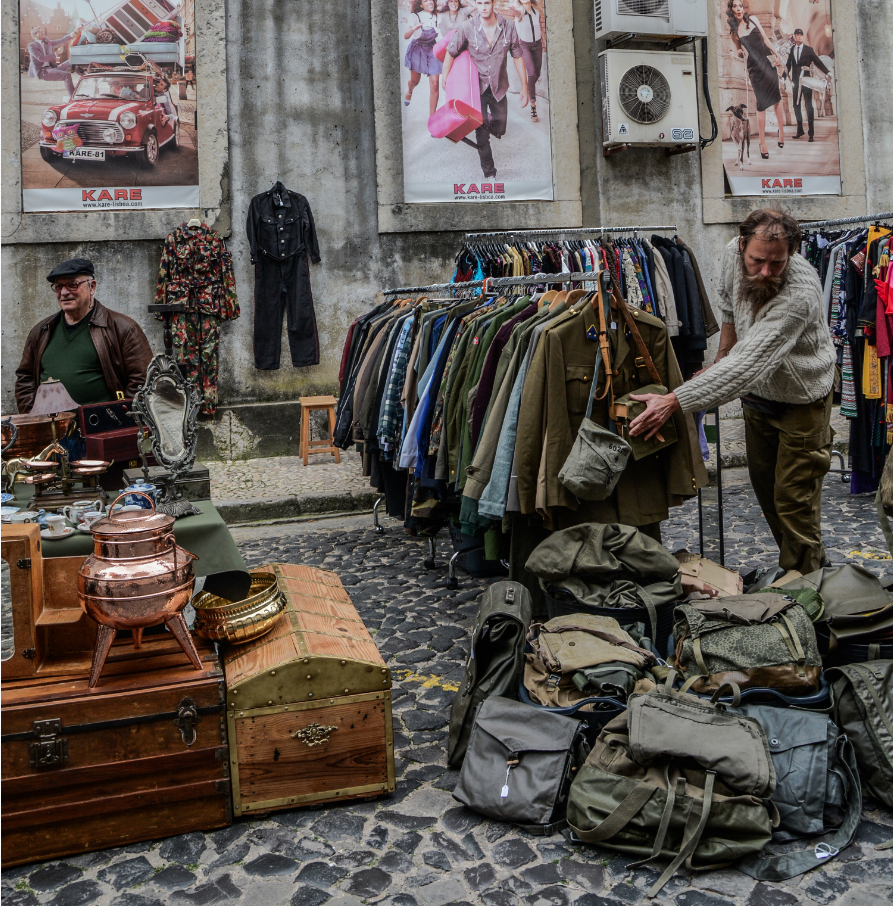
Vintage clothes are stylish, affordable and often more interesting than anything in a current high street rail. If you want to shop more slowly, a vintage or second-hand shop is one of the lowest-impact places to start. Every new item of clothing has a substantial carbon footprint attached to its manufacturing, while the energy needed to produce vintage clothing is effectively zero. Vintage plays a real role in reducing the industry’s reliance on new fibre production, dyeing and bleaching.

Mend and make do

In the 1940s, the Make Do and Mend campaign encouraged people to repair their clothes when they ripped or when buttons came loose. That was a wartime rationing measure, but the underlying idea translates directly to slow fashion. A small tear or a missing button is almost always fixable.

If you don’t have the time or the skills for a sewing machine, pay a professional to do it. A local tailor or alterations service can extend the life of a garment for a tiny fraction of the cost of replacing it. Repairing should be the default move, not a fallback.

Progress, not perfection

Slow fashion isn’t a set of commandments. It’s a way of relating to your wardrobe that treats clothes as things worth caring about. Buy less. Buy better. Wear things for longer. Mend what you can. Donate what you don’t wear. Shop vintage when you need something new. None of it requires a complete lifestyle overhaul.

For more on the broader picture, read our guides to why sustainable fashion costs more and eco swaps for fashion.

Every brand in the Apparel and Style category on Ziracle has passed the same standard: kind to the people making the clothes, transparent about materials and supply chain, built to last longer than a season. For brands with verified ethical and environmental credentials, filter by Fair Trade or B Corp.

Ready to shop? Browse the Clothing edit and pick pieces you’ll wear at least thirty times.

FAQs

What’s the real difference between fast fashion and slow fashion?

Speed, cost and lifespan. Fast fashion is designed to move from catwalk idea to wardrobe in weeks, at the lowest possible cost, with trend turnover measured in weeks rather than seasons. Slow fashion reverses all three variables: longer design cycles, higher unit costs that reflect fair wages and better materials, and pieces designed to be worn for years. The trade-off is that slow fashion items cost more at checkout. The pay-off is a lower cost per wear, less landfill waste, and better supply chain practices.

Is slow fashion just about buying expensive clothes?

No. Vintage, secondhand, rental and extending the life of clothes you already own are all part of slow fashion, and all are often cheaper than fast fashion over the lifetime of the wardrobe. The core principle is ‘buy less, wear more,’ not ‘buy premium.’ A thirty-wear shift in how often you use what you already own does more for both your wallet and the environment than upgrading every item to a certified ethical brand.

How do I know if a brand is actually slow fashion or just greenwashing?

Look for specifics, not slogans. Named factories, published supply chains, certifications you can verify (GOTS, Fair Trade, B Corp, OEKO-TEX), smaller collection sizes with longer lead times, and repair or take-back programmes. Brands that publish where their clothes are made, pay a documented living wage, and release fewer collections per year are doing the work. Brands that describe themselves as ‘conscious’ or ‘eco’ without backing it up with specifics usually aren’t.

What’s the 30 wears test?

A single question to ask before any new purchase: will I wear this at least 30 times? Launched by Livia Firth through Eco-Age, it’s designed to filter out impulse buying and reframe clothing as an investment rather than entertainment. The thirty-wear threshold is low enough to be realistic for most wardrobe pieces and high enough to rule out trend-driven items that will be dated within a season. If you can’t picture yourself wearing it thirty times, it’s probably not worth buying.

What are the most sustainable fabrics to buy?

Certified organic cotton, linen, hemp and Tencel sit at the top of most fibre assessments for their combination of durability, low water use (in the case of linen and hemp), and absence of pesticides or heavy chemical processing. Recycled wool and recycled cotton avoid the environmental cost of new fibre production. Avoid virgin polyester, nylon and acrylic where possible: they’re fossil-fuel-derived and shed microplastics in every wash.