Most jewellery marketed as sustainable isn’t. The word has become so loosely applied that “ethical”, “responsible” and “conscious” now sit on product pages for pieces whose origins nobody has traced. Most high-street buyers have no practical way to know whether the gold in a ring came from a regulated Canadian mine or a flooded pit in the Peruvian Amazon. The supply chain is genuinely complex. The ambiguity is genuinely convenient for the industry.
This guide cuts through it. Start with the argument underneath: the only meaningful difference between performative sustainability and real sustainability in jewellery is traceability. Once you know what to look for, the choice gets simpler. You do not need to memorise every certification. You need to understand what the certifications exist to solve, and which brands have taken that seriously enough to prove it.
What follows is the practical map. What mining actually costs. What fast-fashion jewellery does to that cost. Which certifications are worth knowing. And what “buy less, choose well” looks like in practice for a category that is built, more than most, on the assumption that you will keep buying.
Why jewellery sits at the harder end of sustainable shopping
Jewellery is different from clothing and food because the supply chain starts underground. Gold, silver, diamonds and coloured stones are extracted before they are transformed, which means every piece carries the environmental and human cost of that extraction whether or not the brand mentions it.
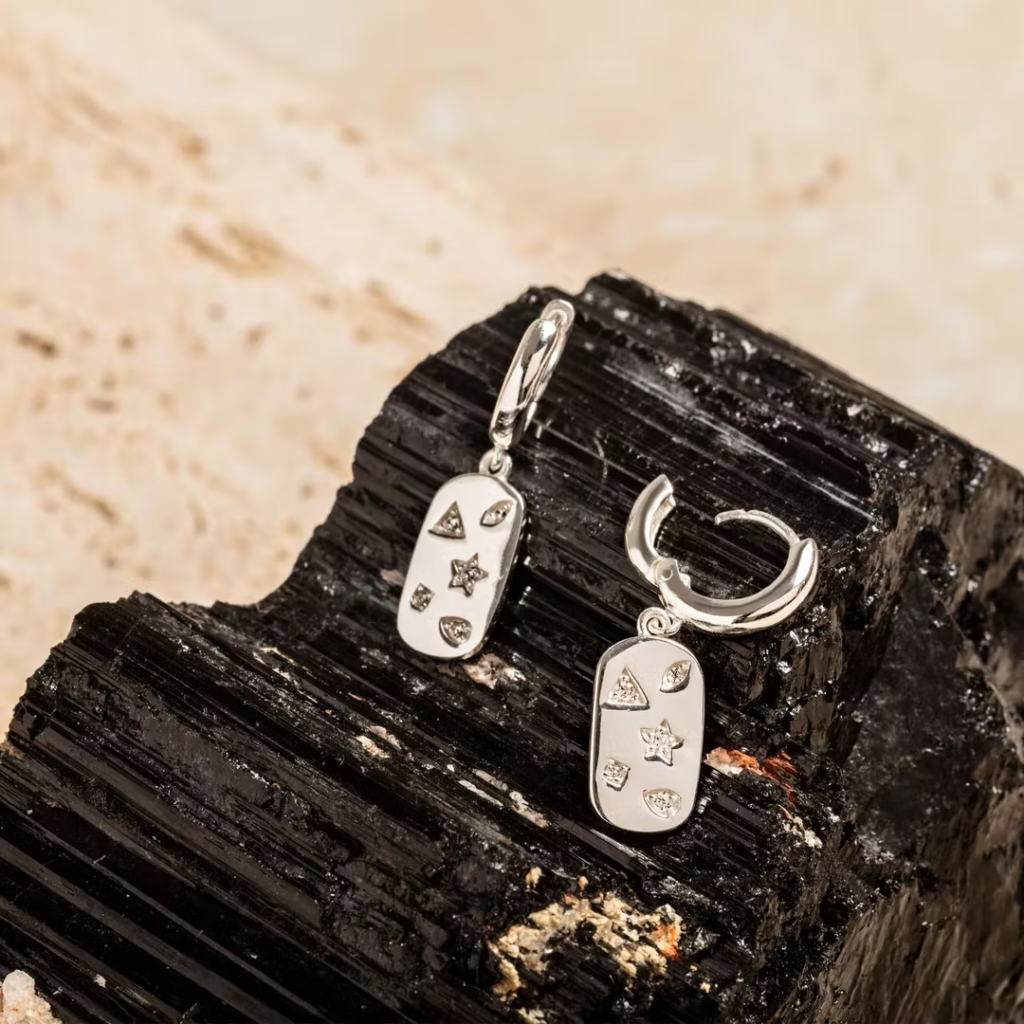
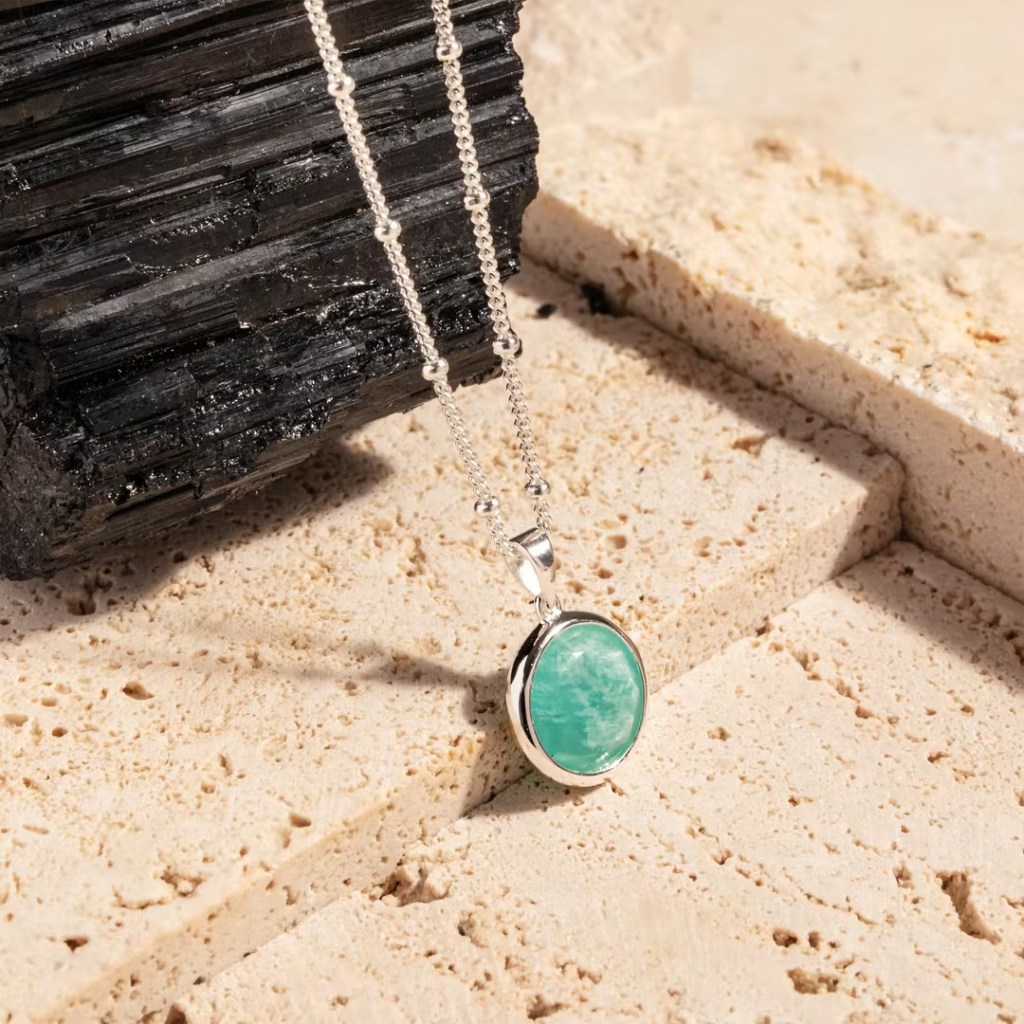
The scale is significant. The global jewellery industry now generates around $349–381 billion in annual revenue, according to current market estimates — up substantially from the $300 billion figure cited in Human Rights Watch’s 2018 report The Hidden Cost of Jewelry, which investigated the supply-chain practices of thirteen leading global brands. The report found that most companies still fell short of basic international human-rights standards, and that many were over-reliant on voluntary industry certifications with weak enforcement.
Consumer appetite has shifted faster than the industry has. A 2021 Tracemark report on sustainable luxury found that 94% of jewellery buyers believe brands should be more transparent about where raw materials come from. The same study found that 71% would actively choose a piece for traceability, and 77.5% would pay more for it. The market is ready. The industry, with a few exceptions, is still catching up.
The gap between what people want and what the market offers is the gap this guide is trying to help you close.
What mining actually costs, in plain terms
Large-scale industrial mining is energy-intensive and disruptive. Acid mine drainage can contaminate rivers for decades. Tailings dams occasionally fail, catastrophically. Forests are cleared, topsoil removed, waterways redirected. The environmental damage compounds over time and is expensive, or impossible, to reverse.
The smaller and less regulated end of the industry is worse.
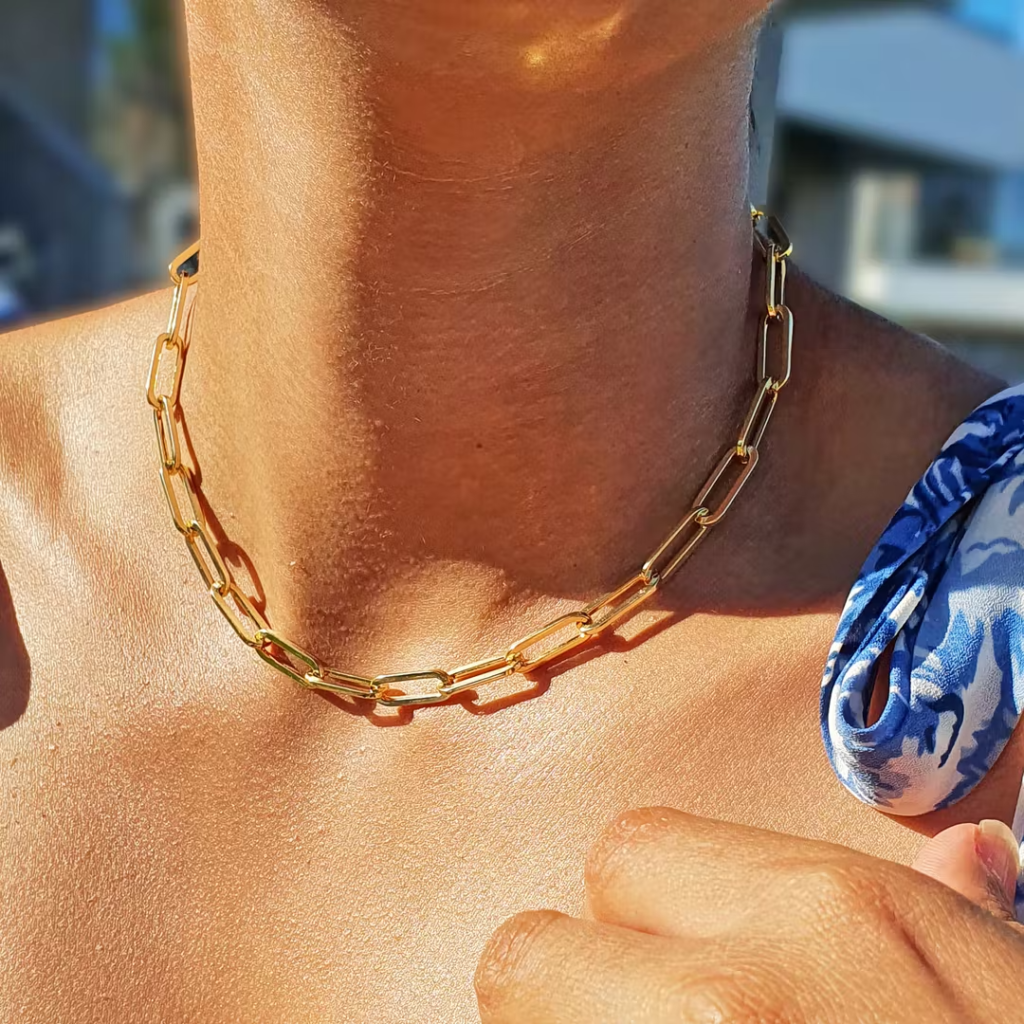
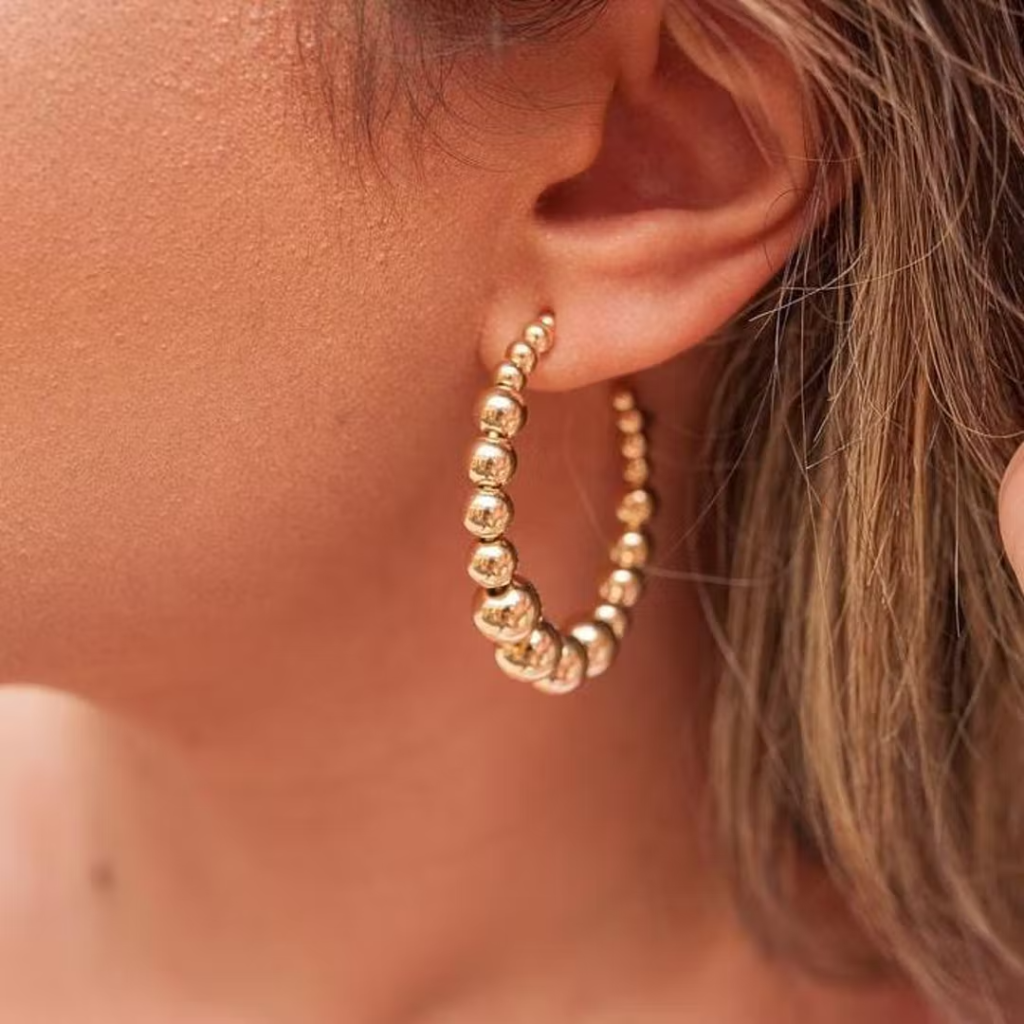
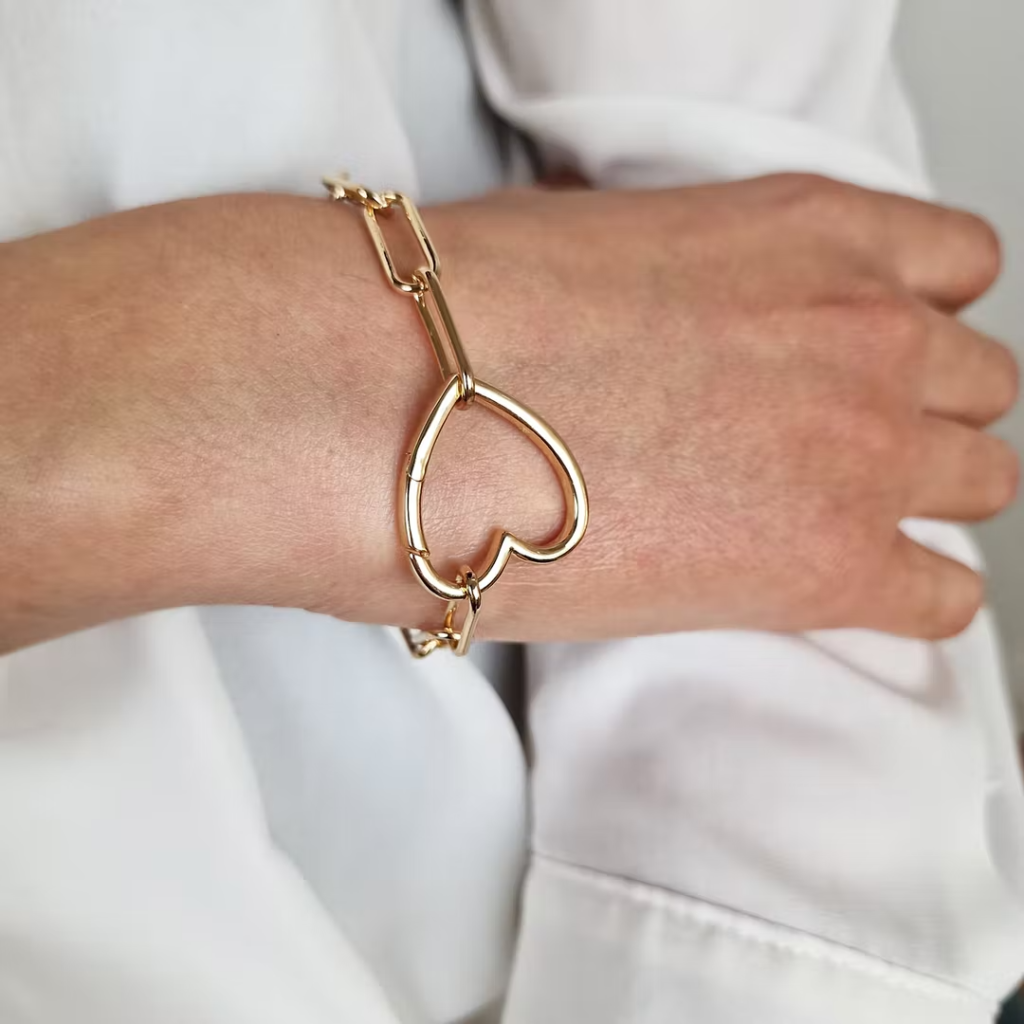
Artisanal and small-scale gold mining (ASGM) is the single largest source of mercury pollution in the world. The UNEP Global Mercury Partnership confirms that mercury releases to air, water and land from artisanal and small-scale gold mining are estimated to represent 37% of the total 2,200 tonnes of human-caused mercury emissions each year, based on the UNEP Global Mercury Assessment. ASGM is the sector that demands the largest quantity of mercury globally, with virtually all of the mercury used being released into the environment. The US Environmental Protection Agency puts the figure at 38%. The mechanism is simple: miners use mercury to bind gold particles from sediment, then burn off the mercury with a torch, releasing vapour that lodges in water, soil and the food chain. Up to 20 million people work in ASGM globally, including an estimated 4 to 5 million women and children.
Mercury does not break down. Once it enters a waterway, it bioaccumulates in fish, then in the people who eat them. There is no safe exposure level. The people most harmed by this system are the ones least compensated for their labour.
The Human Rights Watch investigation documented child labour, unsafe working conditions, and supply-chain opacity at scale. Juliane Kippenberg, Associate Director of the Children’s Rights Division at Human Rights Watch and a lead author of the report, has been explicit about where the industry’s defences fail. Too many companies, she has argued, treat membership of the Responsible Jewellery Council as proof of clean sourcing, when this is not enough to truly ensure it.
That is the gap worth paying attention to. Certification without verification is marketing.
Why fast-fashion jewellery is worse than it looks
Walk into any high-street fashion retailer and you will find jewellery priced below the cost of a coffee. A thin layer of plated metal over a cheap alloy base, set with glass or plastic “stones”, assembled in a factory that does not appear anywhere on the brand’s website. The plating wears off within months. Skin stains green. Clasps break. The piece ends up in a bin, on a path to landfill, contributing to a category of waste that barely shows up in most sustainability conversations because each individual piece is so small.
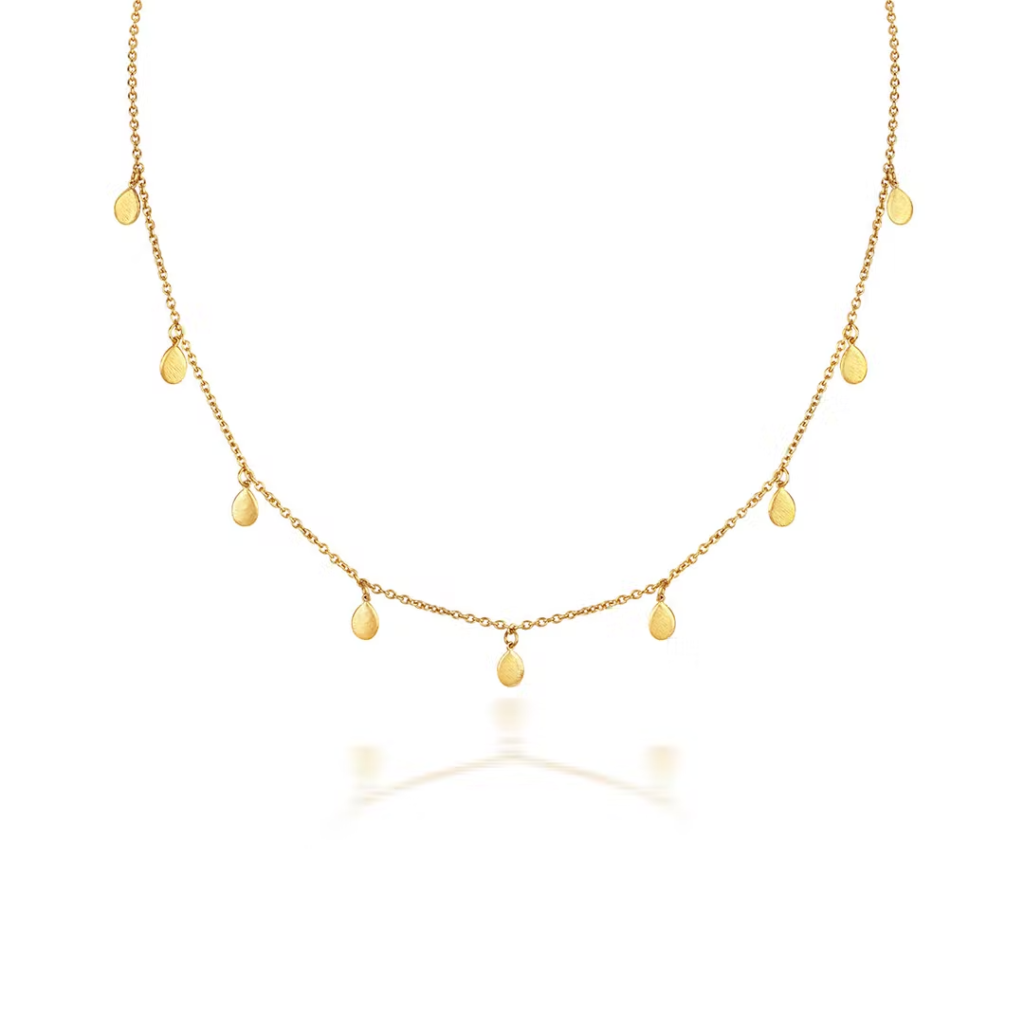
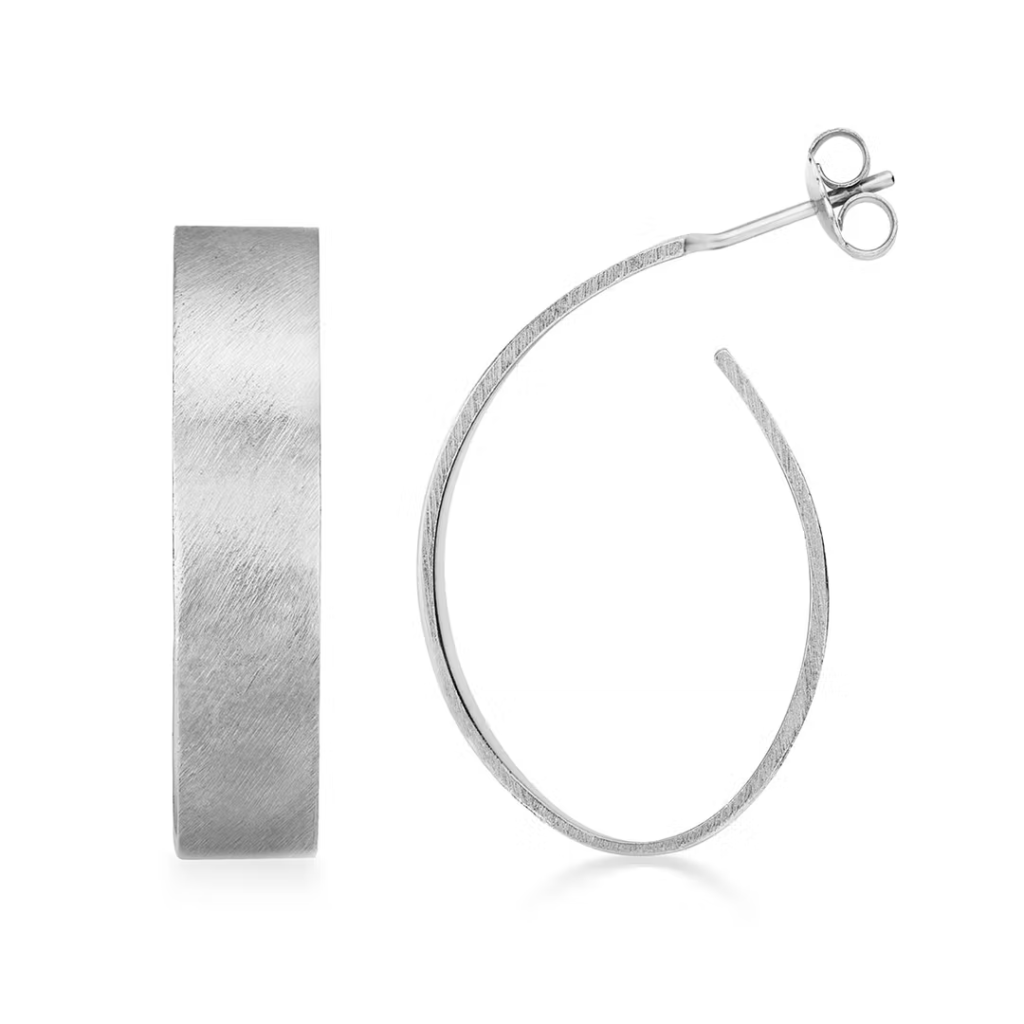
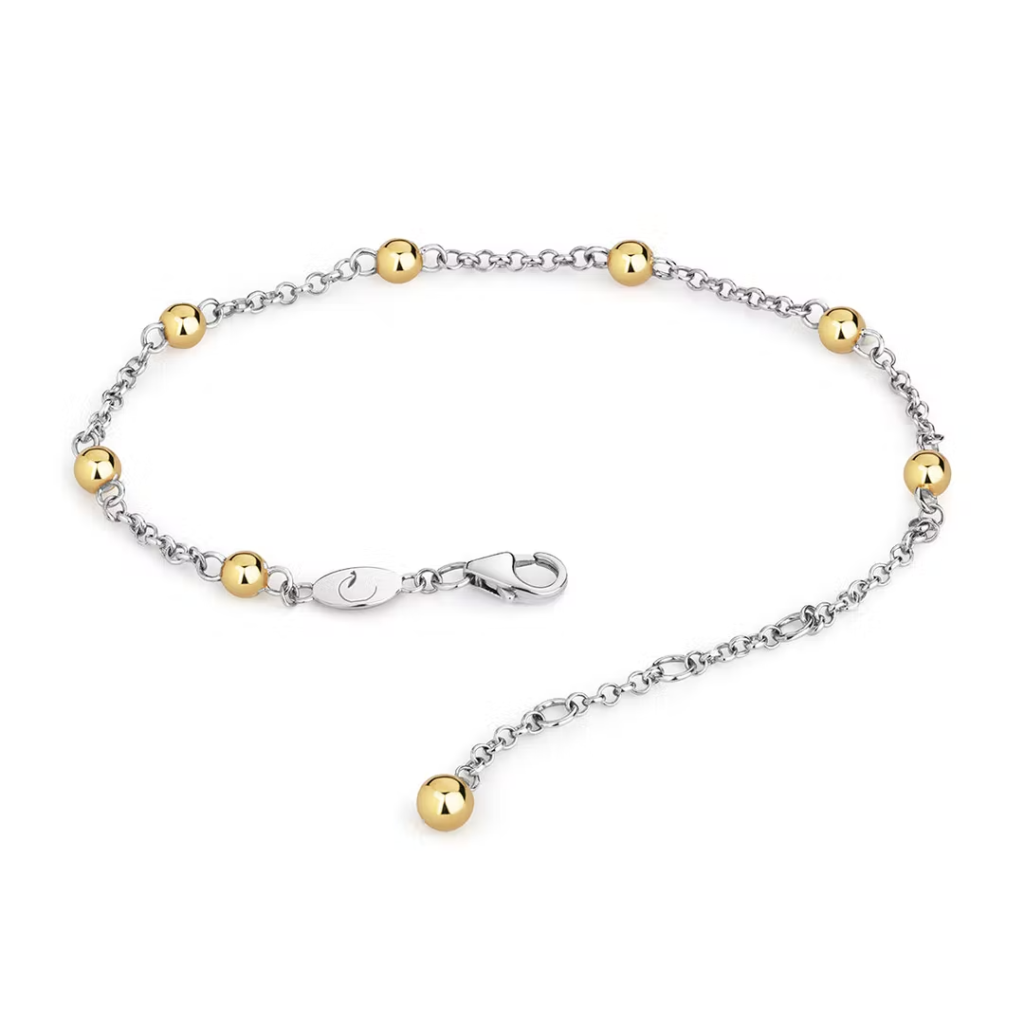
The business model depends on you replacing it. Margins are thin, so volume must be high. The brand wants you to buy five pieces a year, not one that lasts ten. Every design choice, from the quality of the clasp to the thickness of the plating, supports that cycle.
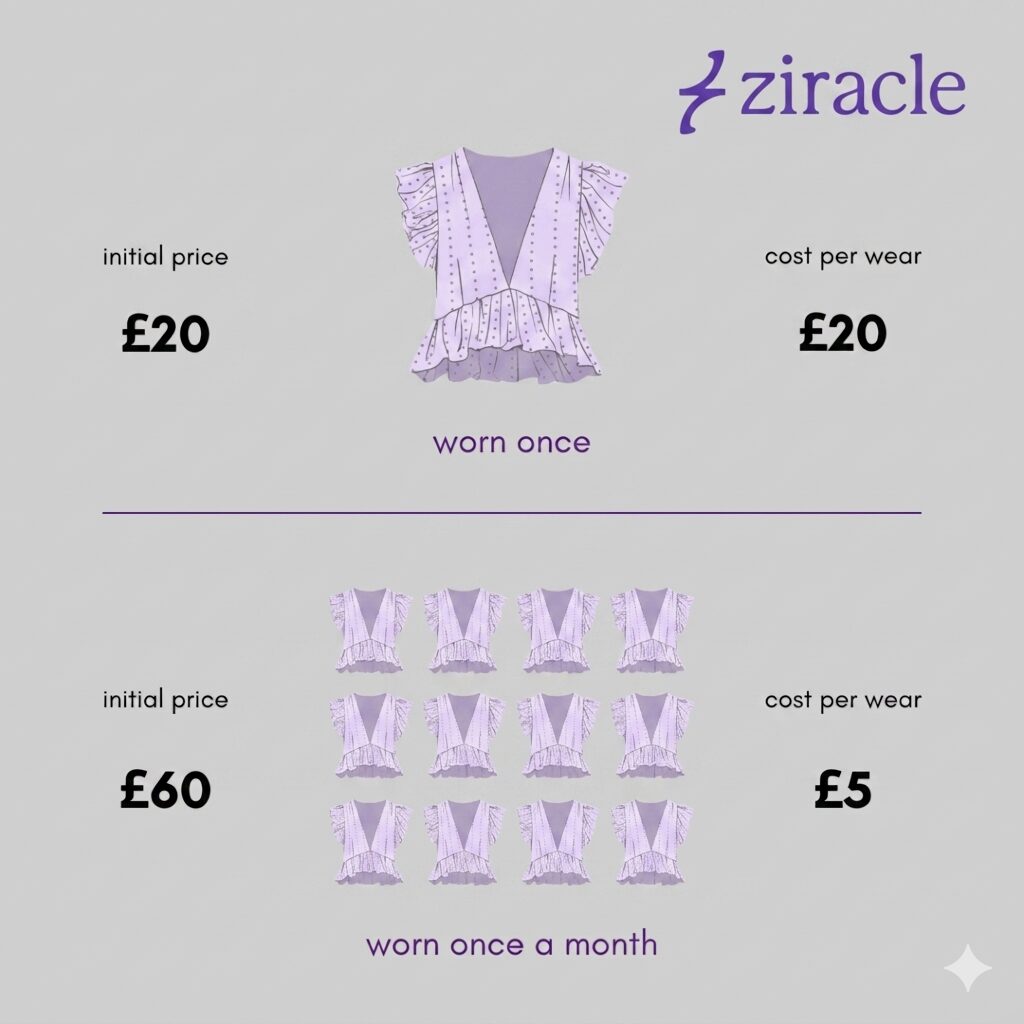
This is the single category in jewellery where sustainability, quality and value align perfectly. A £5 chain you replace three times a year costs more than a £120 recycled-silver chain you wear for a decade, and produces vastly more waste. The maths is not subtle. It just requires you to stop treating jewellery as disposable.
For the wider argument on why well-made things cost more, see our guide to why sustainable fashion costs what it does.
The materials worth knowing
Four material categories matter most when you shop.
Recycled precious metals. Most gold and silver on the market can be recycled without any loss of quality, because these metals do not degrade. Recycled gold uses around 99% less energy than newly mined gold and carries no fresh mining impact. A recycled-gold ring is indistinguishable from a newly mined one. The only difference is the supply chain.
Fairtrade or Fairmined gold. This is the category to know if you want small-scale mining that actually supports the communities doing it. Fairtrade Gold certifies artisanal miners who meet standards on fair wages, safe working conditions, environmental management and restrictions on mercury use. Fairmined, the parallel standard run by the Alliance for Responsible Mining, does similar work. Both cost more than generic gold. Both are traceable to named mines. The UK has one of the most developed Fairtrade Gold markets in the world.
Lab-grown diamonds and coloured stones. Physically and chemically identical to mined stones. Graded on the same scale. Typically cost 30 to 60% less. No extraction, no displacement, no ecosystem damage. The main reason to choose a mined stone over a lab-grown one is sentimental attachment to the category, not material quality. The lab-grown market has matured considerably in the last five years.
Solid sterling silver and vermeil (gold-plated sterling silver). Both last, if the plating on vermeil is thick (the usual standard is 2.5 microns minimum). Base-metal plated pieces are a different category entirely: the plating is thinner, wears off within months, and the metal underneath is usually the problem.
Skip anything labelled “gold-coloured”, “gold-tone” or “mixed metal” without specifics. The vagueness is doing work.
Certifications that are worth something
Three matter most in practice.
Fair Trade certification on jewellery means the miners or artisans received fair wages and worked in conditions the certification audits. It applies to gold, silver and, increasingly, gemstones. Fairtrade Gold specifically requires traceability back to named small-scale mines.
B Corp status applies to the brand rather than the material. It signals that a company has committed to and been independently audited against environmental, social and governance standards across its whole operation. It is not material-specific, but B Corp jewellery brands tend to have thought seriously about sourcing.
The Responsible Jewellery Council (RJC) is the industry’s own certification body, with over 1,000 members. Human Rights Watch has been explicit about its limitations: RJC membership can certify companies whose supply chains still contain documented abuses, because the standards and auditing practices have historically been weak. Treat RJC certification as a floor, not a ceiling. A brand relying on it alone is telling you they have done the minimum.
No certification is perfect. The point is not perfection but evidence. A brand that has paid for third-party verification has chosen to be held accountable in a way that most haven’t.

What to ask before you spend
Five questions, applied to any piece over about £50, sort genuine from performative quickly.
Where was the metal sourced? A brand that knows the answer will tell you. A brand that does not is worth questioning.
Where was the piece made? Handmade in a small studio beats assembled in an unnamed factory. The country alone is not enough. “Handmade in Italy” can mean a master goldsmith or a factory; ask which.
Who made it? Some of the best small brands have decade-long relationships with their workshops and will name them. Silence on this question, after you ask, is information.
What is the repair and resizing policy? A brand that stands behind its pieces offers to service them. A brand that does not expects you to replace them.
What happens when you are finished with it? Brands that offer take-back, resale or buy-back schemes keep pieces in circulation. These programmes are new and still rare in jewellery, and they are a strong signal when they exist.
None of these questions require specialist knowledge. They require the patience to ask and the willingness to walk away if the answers are vague.
What “buy less, choose well, make it last” actually looks like
Vivienne Westwood’s three-word instruction — “Buy less, choose well, make it last” — applies to jewellery more cleanly than to most categories. A piece of recycled-silver or Fairtrade-gold jewellery, well-designed, can be worn daily for decades. The piece your grandmother wore, brought in for a resize and a polish, is worth more than a dozen trend-led pieces you will have forgotten about by next summer.

The practical version of the instruction:
Choose pieces that work with most of what you own, not the item you saw once and had to have. Simplicity ages better than trend. A plain necklace in a metal that suits your skin tone will outlast any statement piece.
Spend more per piece and buy fewer pieces. One considered ring beats ten impulse buys, for your wardrobe, your wallet and the planet.
Maintain what you have. Take it to a jeweller once a year. Get clasps checked, prongs tightened, metal polished. The piece will last three times longer for a fraction of the replacement cost.
Sell or gift what you no longer wear rather than letting it sit in a drawer. Vintage jewellery is a genuinely circular category, and the secondhand market for good pieces is strong.
For the personalised-piece version of this argument, initial jewellery and birthstone pieces are among the formats most likely to be kept and passed on, according to auction-house data on heirloom jewellery.
Where to start on Ziracle
Every brand in our Apparel and Style edit has been assessed against the same standard: does it do what it claims, is it made the way the brand says, and is the brand honest about both. The Jewellery and Accessories range is where to start for pieces built to last, and Watches for timepieces that hold their value.
For more on the principles behind the edit, see our sustainable denim guide, or the beginner’s guide to sustainable fashion.
For integrated support across everyday choices, Reduce Stress is the goal page we most often point people to when they say the homework of conscious shopping feels overwhelming.
The honest promise behind this guide: once you know what to ask, shopping for jewellery stops being a research project and starts feeling like the ordinary, quiet decision it should be.
FAQs
Yes. Gold is an elemental metal that does not degrade through recycling. A recycled-gold ring is physically and chemically identical to a newly mined one and carries none of the fresh-mining impact. The main constraints are supply (recycled gold is in high demand) and price (it can cost fractionally more than freshly mined gold). Both are worth it. Look for the Responsible Jewellery Council’s Chain of Custody certification for recycled gold, which is the strongest documentary evidence you can get.
Physically, yes. Financially, less so. Lab-grown diamonds have the same crystal structure, hardness and optical properties as mined diamonds and are graded on the same 4Cs scale. They typically cost 30 to 60% less at purchase. Their resale value is lower than mined diamonds, because the market for secondhand lab-grown stones is still immature. If you are buying a piece to wear and keep, rather than as a financial asset, lab-grown offers considerably better value and no mining impact.
Both certify artisanal and small-scale gold mining against standards covering fair wages, safe working conditions and restrictions on mercury use. Fairtrade Gold is run by the Fairtrade Foundation, the same body that certifies coffee, cocoa and bananas. Fairmined is run by the Alliance for Responsible Mining, a separate non-profit. The standards are broadly comparable. In the UK, Fairtrade Gold is the more commonly seen label at the consumer end. Both are genuinely meaningful. Neither is perfect.
Treat it as a minimum rather than a guarantee. Human Rights Watch’s 2018 investigation found that the RJC’s standards and auditing practices have historically allowed members to be certified despite documented human-rights risks in their supply chains. A brand whose only sustainability credential is RJC membership is telling you they have done the minimum the industry requires. Look for brands that layer additional certifications (Fairtrade Gold, B Corp) or, better, publish named mines and workshops for their supply chain.
Ask three questions. Can they name the mine, refinery or workshop? Do they publish a list of suppliers rather than a vague country of origin? Do they offer repair, resize or buy-back services? Brands making genuine commitments tend to answer all three easily, because they have already done the work. Brands hiding behind the word “ethical” tend to give country names without mine names, origin claims without documentation, and replacement offers rather than repair offers.