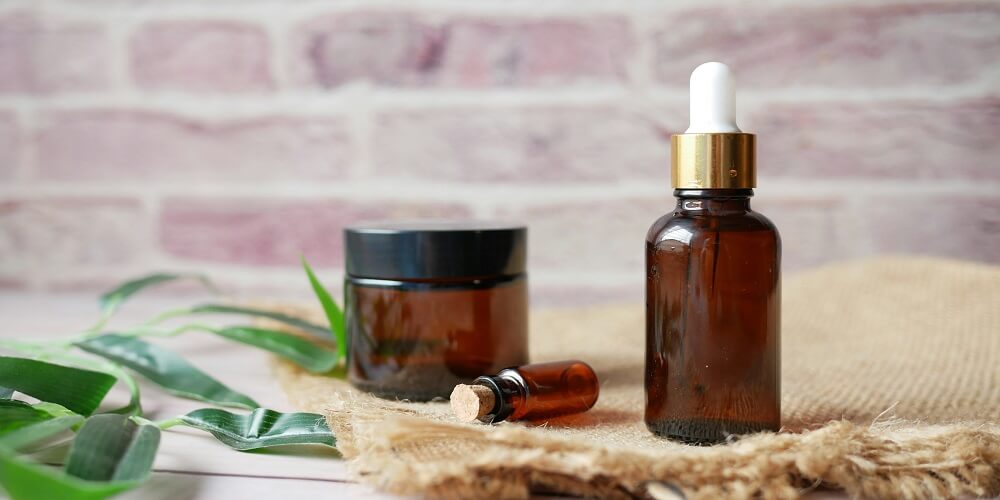
Here is something worth getting straight from the top: the article you are probably looking for is called “essential oils for wrinkles,” and it is the wrong article. Essential oils are the volatile, aromatic compounds, frankincense, ylang ylang, rose otto. They smell beautiful and they do some things, but they are not what actually works on fine lines. What works is facial oils, also known as carrier oils, the heavier plant-pressed lipids like rosehip, argan, and jojoba. The distinction matters because it changes what you buy. Get the right one and you have a genuinely useful addition to your skincare. Get the aromatherapy blend and you have something that smells lovely and does very little for your skin.
What actually causes the signs that bother people
Free radicals, UV exposure, and a slowdown in natural oil production. A 2020 review in Current Environmental Health Reports confirmed that traffic-related pollution and UV are the two biggest accelerants of extrinsic ageing, working synergistically. Intrinsic ageing adds its own layer: after roughly age 30, collagen production drops by around 1% a year, sebum output falls, and the lipid barrier thins. The result is drier, thinner, more reactive skin that shows damage more easily than it used to.
Facial oils address two of those three things directly. They replace lost lipids, and the better ones bring antioxidants that neutralise free radicals. They will not undo UV damage, and they are not a substitute for sunscreen or retinol. What they are is the quietly effective, evening-based workhorse that most anti-ageing routines benefit from.
The ones with the strongest evidence
Work top to bottom. These are ordered by the strength of the clinical data behind them, not by price or novelty.
01. Rosehip seed oil (Rosa canina). The most interesting plant oil in skincare. It contains naturally occurring trans-retinoic acid (the active form of vitamin A, the same molecule as prescription tretinoin) at concentrations between 0.01% and 0.1%, per a 2015 analysis in Skin Pharmacology and Physiology. A 2015 randomised trial in Clinical Interventions in Aging gave 34 adults aged 35–65 a standardised rosehip preparation for eight weeks and measured significant reductions in crow’s-feet wrinkles and improvements in skin moisture and elasticity. A smaller 2025 pilot study in MDPI Cosmetics found measurable wrinkle and UV-spot reduction after five weeks of topical use. Format recommendation: cold-pressed, unrefined, stored in dark glass. Oxidises quickly, so buy small bottles and keep them out of sunlight.
02. Argan oil. Rich in vitamin E, squalene, and linoleic acid. A 2015 study in Clinical Interventions in Aging found that daily application to the face increased skin elasticity measurably over 60 days in postmenopausal women. Best for people whose main issue is dryness and a thinning barrier rather than hyperpigmentation.
03. Squalane (plant-derived, usually olive). Not strictly an oil, but the closest mimic of the skin’s own sebum, which makes it exceptionally well-tolerated. Sits under or over other oils without interfering. No strong anti-ageing data of its own, but it solves the delivery-vehicle problem for everything else in the routine.
04. Jojoba oil. Also a wax ester rather than a true oil, also very close to sebum in structure. Good for oily or combination skin that cannot tolerate heavier oils. Mild evidence for barrier support; not a standalone anti-ageing agent.
05. Sea buckthorn oil. Very high in vitamin C, carotenoids, and omega-7. Antioxidant-rich. Will stain cotton a faint orange if you use too much, which is a good reminder that you almost certainly are. A few drops, no more.
06. Marula oil. High in monounsaturated fats and tocopherols. Lighter texture than rosehip, less prone to oxidation. Limited direct clinical data, but the lipid profile is genuinely good.
The role essential oils actually play
Essential oils (frankincense, ylang ylang, sweet orange, lavender) appear in most “anti-ageing facial oil” blends at 0.5–2% for fragrance, mood, and mild antioxidant contribution. That is a legitimate role, but it is supporting, not leading. Frankincense in particular is often marketed as a cell-regenerative active; the evidence is limited to in vitro work on boswellic acids and has not been replicated on human facial skin. Enjoy the scent, do not pay a premium for the claim.
One note of caution: citrus essential oils (bergamot, sweet orange, lemon) can be mildly phototoxic, so a blend that contains them is best used at night only, not in the morning.
How to use a facial oil without wasting it
Clean, slightly damp skin. Four to six drops warmed between clean palms, then pressed into the face rather than rubbed. If the skin is already treated with a water-based serum, the oil goes last, sealing everything in. If oil is the only leave-on step, a heavier moisturiser is not required; the oil does the barrier work.
One thing that sabotages oil use more than anything else: applying it under SPF in the morning. Most mineral and hybrid sunscreens do not play well with a heavy oil underneath, and the finish tends to pill. Oils work best as a nighttime step. If you want a morning option, squalane or jojoba are the ones that layer well under most sunscreens; leave the heavier oils for evening.
The ones that aren’t ready yet
“Anti-ageing” essential-oil blends without a substantial carrier-oil base. If the ingredient list starts with rose or frankincense before any carrier is named, you are paying for fragrance at skincare prices.
CBD facial oils marketed for wrinkles. The skincare evidence is genuinely thin. CBD may help with inflammation and reactive skin, which is useful, but it is not an anti-ageing ingredient on any rigorous reading of the data.
Anything promising to “boost collagen” topically without retinoids, vitamin C, or peptides. These are the three ingredient classes with credible topical collagen evidence. A facial oil alone does not belong in that category.
If you live in a UK city, the useful version of all this is short: a rosehip or rosehip-argan blend at night, a vitamin C serum in the morning, daily SPF, and sleep. Everything else is refinement.
Rosehip seed oil has the strongest clinical evidence for reducing the appearance of fine lines. A 2015 randomised trial in Clinical Interventions in Aging, using a standardised rosehip preparation on 34 adults aged 35–65, found measurable reductions in crow’s-feet wrinkles and improvements in elasticity after eight weeks. The active ingredient is trans-retinoic acid, the same molecule as prescription retinoids, present naturally at low concentrations in cold-pressed rosehip oil.
Are essential oils actually good for wrinkles?
Not really, and this is worth getting right. “Essential oils” (frankincense, ylang ylang, lavender) are the fragrance fraction of most facial-oil blends. They contribute a mild antioxidant effect and a pleasant scent, but the clinical evidence for wrinkle reduction sits with the carrier oils (rosehip, argan, jojoba), not the essentials. Be cautious of products that lead with essential-oil marketing.
How long does it take to see results?
Five to eight weeks of daily consistent use is the honest answer, based on the clinical trial data. The 2015 rosehip trial measured results at 8 weeks. The 2025 MDPI Cosmetics pilot saw changes by 5 weeks. If a product promises visible results overnight, it is selling you hydration, not structural change.
Can I use facial oil instead of moisturiser?
For some skin types, yes. A good plant oil provides lipid barrier support, locks in water, and delivers antioxidants in a single step, so a separate moisturiser is often unnecessary, especially at night. If your skin is very dry or very dehydrated, layering a water-based serum or hydrator under the oil works better than oil alone. Combination and oily skins usually prefer jojoba or squalane, which are the closest mimics of natural sebum.
Why do facial oils go rancid?
Oils oxidise when exposed to light, heat, and air, and oxidised oils on skin cause free-radical damage rather than preventing it. This is why the packaging matters: dark glass, small sizes, a pump or dropper rather than an open-mouth bottle, and ideally a vitamin E component to slow oxidation. If an oil smells sour, waxy, or markedly different from when you bought it, it has gone off. Replace it.
Benzoyl peroxide. Dihydroxyacetone. Glycerin. Emollient. The ingredients list on most skincare products reads like a chemistry paper. Many of those ingredients are harmless, some are useful, and a fair number are there mainly to extend shelf life. All of them come wrapped in beautiful packaging with a price tag to match.
Slow beauty is a direct response to that status quo, asking the same questions slow fashion asks but about what we put on our skin. Fewer ingredients. Local and seasonal where possible. Less packaging, less shelf-life engineering, and more attention to the full journey of the product. Foraging for your own skincare ingredients sits comfortably inside that movement, and it’s a surprisingly practical place to start if you want a near-zero-waste beauty routine.
Foraging is the practice of sourcing ingredients from the wild, most often for food, but also for home remedies and skincare. There’s an abundance of natural ingredients with skincare benefits growing in British woodlands, hedgerows and gardens, and many of them can be combined with other natural sources to produce serums, toners, scrubs and bath salts. Most cost little to nothing beyond the effort of finding them.
Natural ingredients grow by season, so you can’t forage the same things all year. Here’s a seasonal guide to the most useful plants for skincare, where to find them, and four recipes to get started. A few important notes on safety first.
A note on foraging safely
Before you head out, read the Woodland Trust’s foraging guidelines. The short version: only forage what you can identify with total confidence, take small amounts from abundant sources, never uproot plants (which is illegal on land you don’t own under the Wildlife and Countryside Act 1981), and never forage in protected sites.
Plant identification matters enormously. Some plants that look edible are toxic, and several common look-alikes can cause serious harm. If you’re in any doubt, leave it alone and check a reliable reference like Kew’s guide to poisonous plants or go with someone experienced. When you’re foraging for skincare in particular, patch-test on a small area of skin before applying anything more widely. Natural doesn’t automatically mean non-irritant.
One more thing. The NHS is clear that herbal and plant-based products are not a substitute for medical treatment. If you have a persistent skin condition, see a dermatologist. Foraged skincare is for everyday routines, not for treating serious issues.
Spring
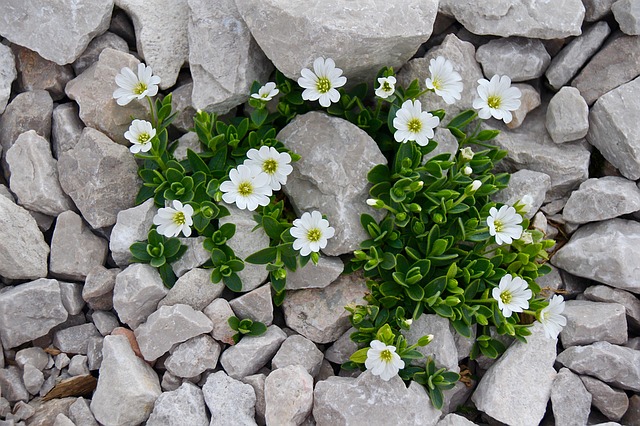
Chickweed
Where: shady, moist locations including gardens and woodland edges. Chickweed forms small low-growing mats with distinctive white star-shaped flowers.
Benefits: chickweed has traditionally been used to soothe a range of skin issues thanks to its natural antiseptic, antifungal and anti-inflammatory properties. It’s often used as a quick remedy for itchiness and surface irritation.
Dandelion
Where: dandelions prefer moist, sunny areas, only going dormant in the coldest winters. They’re one of the easiest foraging plants to find in the UK because they grow almost everywhere, including lawns and pavements.
Benefits: the sap from dandelions is naturally alkaline, which makes it useful against germs, bacteria and fungus. It’s been used traditionally to treat ringworm and eczema. Seen as a natural detoxifier, dandelion juice also appears in homemade acne treatments, and the plant’s vitamin C content can support the appearance of scars and inflammation.
Goose grass
Where: turf, landscaped areas like crop fields, orchards and gardens. Goose grass, also known as cleavers, is the sticky plant children used to throw at each other in playgrounds.
Benefits: goose grass has long been used in folk medicine for skin complaints like psoriasis and eczema, and for helping small cuts, scrapes and abrasions to heal. It’s usually applied as a cooled infusion or a cold-pressed juice.
Wild garlic
Where: near marshland or water drainage ditches across much of the UK, often carpeting the floor of damp woodland in spring. You’ll usually smell it before you see it.
Benefits: wild garlic is rich in allicin, which gives it antiviral, antifungal and antiseptic properties. It’s used in cleansing products and in homemade acne treatments because it helps remove the bacteria that cause breakouts. Garlic also contains vitamin C, known to support collagen production and protect against the effects of UV exposure.
Recipe: dandelion face serum
Designed to brighten the complexion and firm the skin. The flower’s properties are known for supporting the appearance of age spots and scars, so it works well as a serum layer before your moisturiser, morning or night.
Ingredients: 6 fresh dandelion flowers and leaves, 1 aloe vera leaf, 1 teaspoon vitamin E oil.
Wash the flowers and chop off the base of the stems to remove any dirt. Leave to drain.
Slice the aloe vera leaf down the middle and scoop out the gel to fill half a cup.
Blend the dandelions and aloe vera gel in a food processor or NutriBullet.
Leave the mixture to sit for one hour.
Using a cloth or strainer, squeeze the gel into a bowl until all you have left is dandelion pulp in the strainer and dandelion-infused gel in the bowl.
Gently mix in the vitamin E.
Pour into a pot or bottle, preferably dark glass to preserve the contents for longer.
Apply to clean skin morning and night. Use within 10 weeks.
Summer
Chanterelle mushrooms
Where: growing in clusters in mossy coniferous forests, and also in mountainous birch forests. Chanterelles have a distinctive trumpet shape and a golden-yellow colour, with false gills rather than true ones.
Benefits: like many fungi, chanterelles are rich in vitamin D. They’re also rich in niacin, which has been used traditionally to address conditions like eczema and rosacea by helping to reduce redness, inflammation and irritation. Only forage mushrooms with expert ID. Several UK species are lethally toxic.
Blackberries
Where: commonly found in brambles across most UK woodland and along hedgerows. Pick them ripe and jet-black, never at the roadside where exhaust residue will have settled on the fruit.
Benefits: blackberries are rich in antioxidants, which support circulation and immune function. They feature in face masks because of their astringent properties. The high vitamin C content supports collagen production, and the antioxidants help the skin look brighter and healthier.
Hazelnuts
Where: moist, lowland soil and under the shade of oak trees. The nuts ripen in late summer and early autumn.
Benefits: hazelnuts contain a high concentration of antioxidants and are often applied to the skin as a cold-pressed oil. Naturally rich in fatty acids and vitamin E, hazelnut-based products support hydration and elasticity. They’re also a good protein source if you want to take some home for the kitchen.
Honeysuckle
Where: honeysuckle grows close to home, often on the exteriors of buildings and along hedgerows and woodland fringes. Its strong sweet scent makes it easy to find in the evening.
Benefits: honeysuckle features in traditional remedies for eczema, acne and rosacea. Oil distilled from the plant is also used in hair products to strengthen roots and strands. As an essential oil, honeysuckle is used in aromatherapy and is thought to help with headaches, sinus pressure and stress.
Recipe: rose face spritz
Doubles as a face toner and as a cooling spritz on hot days. Use fresh, unsprayed roses from your own garden or a friend’s.
Ingredients: 7 roses, 1.5 litres of distilled water.
Gently pull the petals from the roses and place them in a colander under lukewarm running water to remove any dirt.
Once clean, put the petals in a pan with the distilled water. If 1.5 litres isn’t enough to cover them, add more.
Over a low to medium heat, bring the petals to a simmer for about 25 minutes until they’ve lost their colour and gone very pale pink.
Strain the mixture and separate the petals from the water. Don’t throw the petals away, you can add them to a bath that evening.
Pour the rose water into a dark bottle and use as a cooling face spritz throughout summer.
Foraging is a near-zero-waste way to learn what actually grows around you.
Autumn
Rosehips
Where: rosehips develop from the seed pods of wild roses along hedgerows, waste ground and woodland edges. They ripen from late summer onwards and are at their best after the first frost.
Benefits: rosehips are known for their astringent properties, which help tighten the skin and close pores. They also contain lycopene and beta carotene (the same compound that gives carrots their colour) and have been used to address hyperpigmentation: skin that has darkened in places due to sun, hormones or medication. Rosehip oil is a staple in natural skincare for its essential fatty acid content.
Hawthorn
Where: hawthorn grows in hedgerows, woodland and scrubland. The berries (haws) ripen to a deep red in autumn.
Benefits: hawthorn berries are naturally rich in polyphenols, and are traditionally associated with supporting the immune system and cardiovascular health. Cosmetically, they appear in hair products where they have a reputation for supporting fast hair growth and strong roots.
Walnuts
Where: in woodland, most commonly in southern parts of England. Wild walnut trees are less common than their cousins in orchards, so take only what you’ll use.
Benefits: most of the skincare benefits come from the shell and leaves, which makes walnuts an excellent near-zero-waste option. Walnut extracts help protect the skin from free radicals, and the shells make a brilliant natural exfoliant thanks to their rough texture. Grind them fine before use on the face. Shells are gentler on arms, legs and feet.
Recipe: walnut body scrub
Supports circulation, buffs away dead skin cells, and leaves skin smoother and brighter. Use no more than once or twice a week.
Grind the walnut shells into tiny particles. You can do this in a pestle and mortar, in a canvas bag with a rolling pin, or in a blender. Set aside.
Put the shea butter and almond oil in a heat-proof bowl and place it over a pan of hot water, as you would to melt chocolate.
On a low heat, let the shea butter melt into the oil.
Once fully melted, remove from heat and allow to set. You can speed this up in the fridge.
Use a wooden spoon to mix until the product turns fluffy.
Add the crushed walnut particles, vitamin E and rosehip oil. Stir through.
Spoon into a dark glass jar to keep it fresh. Use in the shower on damp skin, avoiding the face.
Winter
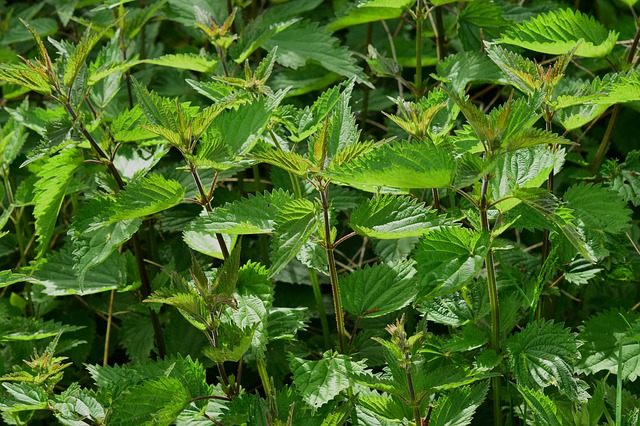
Nettles
Where: nettles prefer rich, moist soil and are commonly found near rivers, streams and lakes. Wear gloves when harvesting. Nettles lose their sting once they’re cooked or properly processed.
Benefits: prepared properly, nettles are a rich source of antioxidants and have a reputation for supporting skin against the effects of heavily polluted air. They’re also traditionally used as a hair rinse, where they’re thought to inhibit a hormone associated with hair loss and stimulate the scalp.
Beech nuts
Where: beech nuts prefer dry conditions and acidic soil. They can be tricky to find, but mature woodland is a good place to start, particularly where there are large beech trees.
Benefits: beech nuts have a reputation as a powerful antiseptic and are traditionally associated with strong hair growth. Oil distilled from beech nuts is thought to strengthen follicle cells and slow hair loss. Important caveat: parts of the beech tree are toxic, so don’t attempt to forage or prepare beech nuts without expert guidance.
Rowan berries
Where: rowan trees grow at high altitude, particularly in the Scottish Highlands, and produce bright orange-red berry clusters. Rowan is also common in urban parks and gardens across the UK.
Benefits: packed with vitamin C, rowan berries are associated with supporting collagen production, which helps keep skin feeling firm and reduces the appearance of wrinkles over time. They can also be applied to dry or sore patches of skin for itchiness and irritation, and have traditionally been used for eczema and other skin inflammations. Raw rowan berries are mildly toxic, so they need to be cooked before use.
Pine
Where: Scots pine is the only truly native pine in the UK. It thrives on heathland and is widely planted for timber. It’s also found in the Caledonian Forest in the Scottish Highlands.
Benefits: pine nut-based products help combat the effects of free radicals, which are associated with higher pollution levels, and feature in many anti-ageing formulations. Naturally fragrant, pine nuts are also used in perfumes and shower gels.
Recipe: rosehip bath salts
A luxurious bath salt infused with rosehips you can forage through autumn and into winter. Rosehips are rich in essential fatty acids which help nourish and rehydrate dry winter skin. Pour a hot bath, sprinkle in your salts, and let the mixture do the work.
Ingredients: 10 to 15 rosehips, Himalayan bath salts, almond oil, 4 rose petals, 4 drops of lavender essential oil.
Part one: infuse the oil.
Chop any stalks and leaves from the rosehips and wash them with cold water in a strainer.
Fill a jar (jam size works well) one-third with rosehips and top it up with almond oil.
Leave to infuse for a minimum of four hours. The longer you leave it, the better the result.
Strain the rosehip oil into a clean jar so you now have rosehip-infused almond oil.
Part two: mix the bath salts.
In a mixing bowl, add the Himalayan bath salts.
Mix in one teaspoon of your rosehip oil and the lavender essential oil. You can add more lavender if you like a stronger smell.
Grind the rose petals in a pestle and mortar, then add them to the mix.
Stir everything together and spoon into a jar, ready to sprinkle into your next bath.
Progress, not perfection
Foraging your own skincare isn’t going to replace your whole bathroom cabinet. It’s not meant to. Think of it the way you might think of growing your own herbs. You’ll still buy most of what you use, but the bits you make yourself tend to be the pieces you enjoy the most, and they come with no packaging, no shipping, no ingredient list to decode.
The bigger shift is the mindset. Foraging pushes you to notice what actually grows around you. That noticing tends to spread to the other parts of your routine, which is how slow beauty becomes a habit rather than a one-off project.
Every brand in the Beauty and Self-Care category on Ziracle has passed the same standard: honest ingredients, transparent formulation, and packaging that takes the environment seriously. For products with short ingredient lists and whole-plant formulations, filter by Organic or Plastic Free to match the spirit of the foraged routine above.Ready to shop?
Browse the Healthy Skin edit for brands that work with whole ingredients from the start.
FAQs
Is foraging for skincare actually legal in the UK?
On land where you have permission, and within sensible limits, yes. The Wildlife and Countryside Act 1981 makes it illegal to uproot any wild plant without the landowner’s permission, and foraging in designated protected sites (National Nature Reserves, SSSIs) generally requires specific consent. Picking small amounts of leaves, flowers and fruit from common plants on public land for personal use is usually acceptable. Commercial foraging or stripping a site clean is not. The Woodland Trust’s guidelines are the most accessible starting point.
Is foraged skincare actually better for your skin than shop-bought?
It depends what you’re comparing it to. Foraged skincare has short ingredient lists, no packaging and no preservatives, which appeals to people who want minimal formulations. It also has a very short shelf life (typically two to ten weeks depending on the recipe) and no standardised potency, because plant concentrations vary with season, soil and species. For everyday use by people without sensitive skin, it’s a reasonable alternative. For anyone with reactive skin, eczema, or a specific condition, professionally formulated skincare is usually the more reliable choice. Always patch-test first.
What should I never forage without expert help?
Mushrooms, first and most importantly. Several UK species are lethally toxic, and some of them look very similar to edible ones. Beech nuts, which contain compounds that can be toxic if not properly processed. Anything you can’t identify with complete confidence. The rule of thumb: if you aren’t 100% sure what it is, leave it alone. Kew Gardens and the Woodland Trust both publish clear identification guides online.
How long does foraged skincare last?
Most of the recipes in this guide last between two and ten weeks, stored in dark glass in a cool place. The lack of preservatives is part of why they’re gentle, and also why they go off faster than shop-bought products. If something changes colour, smell, or texture, throw it out. Making smaller batches more often is the practical way to work with natural formulations.
Can I forage ingredients in a city?
With care, yes. Parks, community gardens, and private gardens (with permission) often have useful plants. Avoid anything within a few metres of busy roads, where exhaust particulates settle on leaves and fruit. Don’t forage in sites sprayed with herbicides or where dogs regularly urinate. Urban blackberries and elderflower are particularly popular and usually safe if picked sensibly away from traffic.
The bathroom cabinet is the easiest place to cut plastic out of your life. It’s also the place where most eco swap advice falls apart, which is why so many people have a half-empty shampoo bar sulking at the back of a drawer.
Shampoo bars that refuse to lather. Deodorants that tap out by 11am. Swaps that feel like a downgrade dressed up as virtue. This isn’t that list. Here’s what’s worth switching, what to expect, and how to do it without throwing out half a shelf of products you’ve already paid for.
Why the bathroom is the right place to start
The British Beauty Council reports that the beauty industry produces over 120 billion units of packaging each year, and most of it never gets recycled. Only 14% of that packaging makes it to a recycling plant, and just 9% is actually recycled in the UK — the rest goes straight to landfill, where single-use plastic packaging can take up to 450 years to break down.
That’s the problem worth solving, and the bathroom is the obvious place to solve it. Bathroom products are among the most repeatable purchases most people make. Shampoo every few weeks. Moisturiser every couple of months. Change the format of one of those, and the impact compounds with every reorder.
In the UK, around 520 million shampoo bottles are thrown away every year, according to research commissioned by packaging firm DS Smith. That single category, changed, would be a meaningful shift. And shampoo is where this usually starts.
The swaps that work. And the ones that don’t.
Shampoo bars: yes, if you buy the right one
A well-made shampoo bar replaces two to three bottles of liquid shampoo and produces zero plastic waste. The environmental case is clear. The performance case took a while to catch up, but it’s caught up. One bar lasts longer per wash, weighs less to ship, and lives quite happily on a soap dish. You can find pH-balanced bars in our Shampoo edit.
The caveat matters. Not all shampoo bars are equal. Plenty of the first-wave bars used saponified soap bases with a high pH that roughed up the hair cuticle, left residue, and caused the lather problems that put people off the whole category. pH-balanced syndet bars, made with mild synthetic detergents rather than soap, behave far more like a conventional shampoo. According to a 2014 review in the International Journal of Trichology, syndet cleansers are gentler on both hair and scalp than traditional soap formulas.
Look for the distinction when you buy. Give any new bar three to four washes before you judge it. The scalp adjusts.
Conditioner bars: yes
Easier transition than shampoo. Conditioner bars melt on contact with warm water and distribute much like a liquid conditioner. Less adjustment, same plastic saving. Browse the Conditioner range.
Solid soap and body wash bars: yes, and easy
The lowest-friction swap in the bathroom. A good soap bar with moisturising oils performs about as well as most liquid body washes, produces no plastic waste, and lasts longer. No adjustment period. Start here if you’ve never swapped anything before. The Soaps and Cleansers edit is a good first port of call.
Refillable deodorant: yes
The category has come on considerably. Refillable aluminium deodorants with cardboard or pulp refill inserts now perform as well as conventional roll-ons for most people. The upfront cost is higher and the ongoing cost is lower. See the Refillable Deodorant range.
Natural deodorant: worth trying, with care
Aluminium-free natural deodorants work for many people but not everyone. If sweating is a concern, test during a quieter week rather than committing on a high-stakes one. The switch usually takes two to three weeks as the body adjusts. A refillable conventional deodorant is the better answer if the natural version doesn’t hold up for you.
Reusable cotton pads: yes, immediately
Single-use cotton pads are a small but constant source of waste. Reusable cloth rounds wash in with the normal laundry and replace the disposable version entirely. One pack of ten lasts years. The shortest payback period on the list.
Bamboo toothbrushes: yes
The NHS recommends changing your toothbrush, or electric toothbrush head, every three months, or sooner if the bristles are frayed. That’s a lot of plastic across a population. Bamboo handles with nylon bristles are the practical swap — browse the Oral Care edit for options. The bristles still go in general waste, but the handle composts. Fully compostable bristles exist but don’t clean as well, which is a trade-off worth knowing about.
Refillable skincare: prioritise this over format swaps
For moisturisers, serums and cleansers, refillable schemes tend to land a bigger win than switching format entirely. A glass jar refilled ten times is a better outcome than ten compostable single-use alternatives. Look for brands running active refill programmes rather than brands that simply use recycled packaging. The Refillable Skincare edit curates these.
What doesn’t work yet
Mascara, most foundations, and complex multi-component products. The packaging problem on these hasn’t been solved at scale. TerraCycle runs collection schemes for some brands, which is currently the best option. Buying less, buying better, and using products fully before replacing them does more here than any packaging swap.
How to switch without wasting what you’ve already got
The most sustainable thing in your bathroom cabinet is a product you’ve already bought.
Use it up first. The manufacturing cost is already sunk, and chucking a half-full bottle to replace it with something greener is the wrong maths. When a product runs out, replace it with the better version. Start with the things that cycle fastest: shampoo, body wash, soap, cotton pads. Most repetitions, fastest payback. For a similar approach applied to your wardrobe, see our beginner’s fashion guide.
Keep a list. When something runs low, check whether there’s a better format or brand before you reorder the same thing on autopilot. That pause is where most of the change actually happens.
What to buy when the time comes
Every product in the Beauty and Self-Care category on Ziracle has passed the same bar: kind to skin, honest about ingredients, and made with the planet in mind. For eco beauty specifically, that means plastic-free or refillable packaging, formulations without unnecessary synthetics, and brands that are transparent about their supply chain. We also prioritise brands certified Cruelty Free and products made with Organic ingredients where relevant.
The formats to look for: solid bars for hair and body, refillable deodorant, reusable cotton rounds, and skincare brands with active refill schemes. If you want to keep going down this rabbit hole, read our guide to eco swaps for home next, or our rundown of the best zero waste beauty brands.
You now know which swaps are worth making and which ones aren’t ready yet. Next time something runs out, you know exactly what to replace it with.Ready to shop? Browse our edit of Refillable beauty to find products that have already passed the standard.
FAQ
Do shampoo bars actually work as well as liquid shampoo?
Modern pH-balanced syndet bars perform comparably to liquid shampoo for most hair types. The earlier generation of soap-based bars had a high pH that roughed up the hair cuticle, which is where the reputation for poor performance came from. Give a good syndet bar three to four washes before you judge it. The scalp needs a little time to adjust.
Are refillable deodorants worth the higher price?
Yes, over time. The upfront cost of a refillable aluminium case is higher than a conventional plastic deodorant, but the refill inserts are cheaper than buying new roll-ons each time, and the plastic saving is significant over a year. Performance is comparable for most people. Natural aluminium-free versions are worth trying separately, but expect a two to three week adjustment period.
What should I do with half-used products when I switch?
Use them up. Binning a half-full bottle to replace it with something greener makes the manufacturing cost a sunk loss and buys you zero environmental benefit. The right time to swap is when the product runs out. Keep a running list so you remember to reorder the better version rather than the old one on autopilot.
Which eco beauty swap has the biggest impact?
Shampoo, because it’s the most repeatable. Around 520 million shampoo bottles are discarded in the UK each year. Switching a product you buy every few weeks compounds the saving fast. Body wash, soap, and cotton pads come next for the same reason. Mascara and foundation are further down the list because the packaging problem hasn’t been solved at scale yet.
Skinimalism is stripping your routine back to the bare minimum. Just the essentials. No multi-step regimens, no marketing noise, no assumption that more products equal better skin. It’s a response to something broader: the realisation that social media images of flawless skin set an impossible standard, and that standard is damaging your actual skin and your actual mood.
Overloaded skincare routines damage skin. More products mean more potential irritants, more disruption to your skin barrier, and more waiting around for results that never show. The skinimalism movement is gaining traction because people are discovering that simplicity works better than complexity. Good skin doesn’t require perfection. It requires consistency, the right few ingredients, and freedom from comparison with curated images online.
Here’s how it works, what to keep, what to cut, and why your skin and your head will thank you.
Why minimalism works for skin
Your skin barrier is delicate. It’s designed to keep irritants out and moisture in. When you layer eight different products on it, you’re constantly disrupting that barrier. Each new product introduces potential irritants. Each new ingredient your skin hasn’t seen before requires adjustment. If one of those ingredients triggers a reaction, you don’t know which one because you’re changing too many variables at once.
Credit: Polina Takilevich
A 2021 review in the Journal of Cosmetic Dermatology found that over-exfoliation and multi-active layering are among the most common causes of compromised skin barrier function in otherwise healthy adults, with symptoms including redness, stinging, heightened sensitivity and breakouts that mimic acne. Skinimalism solves this by keeping variables low. With three products, you can track cause and effect. If something goes wrong, you know exactly what caused it.
Why minimalism works for your head
There’s a mental-health piece here too. Scrolling through filtered images of perfect skin creates a gap between what you see and what you experience. That gap creates anxiety. A 2019 review in Body Image summarising multiple studies found that exposure to idealised, edited images on social media is associated with reduced appearance satisfaction and increased anxiety about one’s own skin and body.
Credit: Snog, Marry, Avoid
The acne positivity movement got this right. Your acne isn’t a failure. A routine with eight steps isn’t evidence of care. Sometimes the best thing you can do for problem skin is use less. Skinimalism is partly a skincare philosophy and partly a rejection of comparison culture. It’s saying: good skin doesn’t require perfection. It requires self-acceptance and smart choices about which products actually deliver results.
What skinimalism actually is in practice
Skinimalism means you have a gentle cleanser, a targeted treatment, and a moisturiser with SPF during the day. That’s it. No toners, no essences, no serums for every possible concern. You choose products that actually do something, and you give them time to work before adding more.
Credit: Nicole aka, @theblemishqueen
The baseline is clean skin. You’re removing dirt and excess oil with a gentle approach that doesn’t strip your skin. Browse the Soaps and Cleansers edit for the face-and-body side. Then you address your specific concern. If that’s acne, a treatment with salicylic acid. If it’s sensitivity, something with calming ingredients like niacinamide or centella. Then you seal everything in with a moisturiser.
At night, you repeat the cleanse and treatment, then seal with a heavier moisturiser or a facial oil if your skin is dry. That’s the whole routine. Three products, two times a day. The Serums edit is where your targeted treatment sits, and the Oils and Balms edit covers the final moisturising layer if oil is your preference.
The ingredients that actually work
Vitamin C is an antioxidant that protects against environmental damage and supports collagen production. The American Academy of Dermatology lists it as one of the ingredients with the strongest evidence for anti-ageing benefits when formulated at appropriate concentrations.
Retinol, derived from vitamin A, is the single most-studied anti-ageing ingredient in dermatology, with decades of randomised trials supporting its effects on fine lines and skin texture. Start low and slow, once or twice a week, and build up. It’s not a skinimalism requirement, but if you’re keeping only one active, many dermatologists recommend retinol over almost anything else.
Niacinamide (vitamin B3) calms inflammation, reduces the appearance of pores, and supports the skin barrier. A 2021 meta-analysis in Clinical, Cosmetic and Investigational Dermatology found that topical niacinamide formulations produced modest but consistent improvements in skin elasticity, hydration and pigmentation across multiple trials.
Sunscreen is the non-negotiable one. Daily SPF is the ingredient with the strongest evidence for preventing the visible signs of ageing and reducing skin cancer risk, according to sustained guidance from the NHS. If you keep only one skincare product, make it a broad-spectrum sunscreen.
These aren’t secret ingredients. They’re the ones that appear in legitimate dermatology research and have decades of evidence behind their efficacy. The mistake most people make is assuming they need all of them at once.
A three-step routine you actually do beats an eight-step routine you abandon after a week.
Consistency beats complexity every time
A three-step routine you actually do beats an eight-step routine you abandon after a week. This is the practical argument for skinimalism. You’ll use it consistently. You’ll notice results because there’s nothing else changing. If something happens to your skin, you know exactly what caused it because you’re only using three products.
Consistency is where skin improvement happens. Your skin cells turn over on a roughly 28-day cycle, which is why dermatologists recommend giving any new treatment at least four weeks before judging it. If you’re cycling through products constantly, you’re never giving anything a fair trial. Skinimalism forces consistency because there’s less to change.
Acne is not a skincare failure
Here’s where it really matters: if you have acne, it’s not because your routine isn’t complex enough. Acne is hormonal, bacterial or structural. An expensive ten-step routine doesn’t fix any of that. Sometimes simpler routines actually improve acne because they’re less likely to irritate and compromise the barrier.
The acne positivity movement exists because people internalised a message that clear skin equals self-care and worth. That isn’t true. Acne is a skin condition. Some people get it regardless of what they do. Others can prevent it with basic hygiene and the right treatment. Most people are somewhere in between. Skinimalism gives you permission to have acne and not treat it as a personal failure. If acne is persistent, cystic, or affecting your confidence significantly, a GP or dermatologist is the right next step rather than another bottle from the shelf.
Making the switch without breaking your skin
Don’t strip everything at once. Drop one product this week. See how your skin responds over the full 28-day cycle. Drop another next week if everything’s still fine. This matters because you want to know what actually works for your specific skin type.
If your skin gets worse when you strip it back, you might actually need more support than minimalism. That’s not a failure. It means your baseline needs are higher. The point of skinimalism isn’t achieving the fewest possible products. It’s using the fewest that actually keep your skin healthy and functioning.
Skinimalism is a relief. You stop waiting for the perfect routine and start noticing what your skin actually needs. You stop comparing your baseline to filtered images. You start understanding your own skin because you’re not drowning it in complexity and contradictory products. That’s when real improvement happens.
Every brand in the Beauty and Self-Care category on Ziracle has passed the same standard: honest ingredients, transparent formulation, and packaging that takes the environment seriously. Filter by Organic or Cruelty Free to narrow to products that match the skinimalism brief.
Ready to simplify? Browse the Healthy Skin edit and pick the three products you’ll use every day.
FAQs
What are the three products every skinimalism routine needs?
A gentle cleanser, a targeted treatment for your specific concern, and a moisturiser with SPF during the day. At night, the SPF drops out and you can use a richer moisturiser or a facial oil if your skin is dry. That’s the whole routine. Cleanser, treatment, moisturiser. Adding more isn’t inherently wrong, but it should be because you’ve identified a specific need rather than because the shelf had a fourth thing on it.
Is skinimalism suitable for all skin types?
For most, yes. People with very dry, very reactive, or clinically-diagnosed conditions like rosacea, severe eczema or cystic acne may need additional products or prescription treatments, and skinimalism doesn’t mean avoiding medical care. If your skin gets worse when you strip back, that’s information rather than failure. Build back up gradually with the minimum additions that stabilise your skin.
How long does it take to see results from a simpler routine?
At least four weeks, because skin cells turn over on a roughly 28-day cycle. This is why dermatologists consistently recommend giving any new product or routine change at least four weeks before judging it. Skinimalism often shows initial improvement in barrier function within two weeks (less redness, less stinging, better hydration) but deeper changes to skin texture and clarity take longer.
What ingredients should I actually keep?
The evidence-based shortlist: a gentle cleanser (not a harsh foaming one), sunscreen (broad-spectrum SPF 30 or higher, every day), a moisturiser appropriate to your skin type, and one targeted active if you have a specific concern. Retinol for ageing and texture, niacinamide for sensitivity and barrier support, salicylic acid for oily or acne-prone skin, vitamin C for antioxidant protection. Pick one active, use it consistently, and add more only when the first has had a fair trial.
Can I still use makeup with a skinimalism routine?
Yes. Skinimalism is about the underlying skincare routine, not a ban on cosmetics. What often happens when people simplify their skincare is that they also reduce their makeup, because the skin underneath looks better enough that heavy coverage feels unnecessary. The other direction works too: some people keep their makeup routine the same and just simplify the skincare underneath. Either is fine.
The bathroom is one of the easiest rooms in the house to clean up. Most of us reach for the same few products most days, which means a handful of smarter swaps can cut a surprising amount of plastic out of your life without asking you to overhaul how you live. Shampoo is a good place to start.
A household of four getting through a bottle of shampoo every two months will go through roughly 240 bottles in a decade. Scale that up across the UK and the numbers get harder to ignore. According to the UN Environment Programme’s Beat Plastic Pollution data, more than one million plastic bottles are purchased globally every minute — a figure that has held consistent across UNEP reporting and continues to rise, with global plastic production now estimated at 400 million tonnes per year according to the UNFCCC, a figure set to double by 2040. Most of those bottles end up in landfill, incinerators, or the ocean. A shampoo bar, by contrast, arrives in paper or compostable wrap and disappears down the drain as water by the time you’ve finished it.
Zero-waste hair care is the simple idea that you should be able to wash your hair without generating a new piece of plastic every few months. The products are the best they’ve ever been, the format travels well, and the savings stack up quickly. Here’s how it works, why it’s worth switching, and how to make the move without ruining your hair on the way.
What zero-waste hair care actually is
Zero-waste hair care covers any product designed to wash, condition or style your hair without relying on single-use plastic packaging. The best-known format is the solid shampoo bar, which looks a little like a bar of soap but is formulated specifically for hair. You wet the bar, rub it directly onto your scalp or between your hands, and work the lather through as you would with a liquid shampoo. Browse the Shampoo edit for options.
Conditioner bars, solid styling pastes, refillable glass dispensers and compostable sachets all sit under the same umbrella. The common thread is that the packaging either disappears entirely or goes back into a reuse cycle. Most bars arrive wrapped in a paper band, a card sleeve, or a thin compostable film. Some are shipped in nothing more than a cotton pouch.
The format isn’t new. Solid soaps have been used for thousands of years, and solid shampoos were the norm in most households until liquid detergents took over in the mid-20th century. What’s changed is the formulation. Modern bars use mild surfactants, plant oils and botanical extracts that give you the lather, slip and finish you’d expect from a premium liquid shampoo, without the water content and without the bottle.
A short history of the shampoo bar
Washing hair with a solid is older than the bottle. Liquid shampoo as we know it took off in the first half of the 20th century, and by the 1940s the bottle had become the default format in most Western bathrooms. The bar stuck around in one niche in particular: travellers, soldiers and outdoor-sports communities kept using solid shampoos because they were lighter, more durable and harder to spill.
Over the last two decades the bar has come back into the mainstream, pulled along by the zero-waste movement, rising awareness of single-use plastic, and a surge of independent beauty brands. What used to be a camping essential is now a bathroom essential, and the range on offer has moved well beyond a single all-purpose bar. You can find bars for fine hair, coarse hair, curly hair, oily scalps, sensitive skin, colour-treated hair and almost every other use case a liquid shampoo can cover.
The environmental case for switching
The core argument for zero-waste hair care is the packaging. A typical bottle of shampoo is largely water by weight, which means you’re paying to ship water around the world, bottle it, and throw the bottle away. A shampoo bar has almost no water in it, which compresses the same number of washes into a fraction of the size and weight.
The shipping maths are striking. One shampoo bar can replace two to three bottles of liquid shampoo, and a single shipping pallet can carry several times more bars than bottles for the same weight. Less water, less plastic, fewer trucks, lower emissions. Packaging-focused guidance from WRAP has repeatedly flagged beauty and personal care as one of the fastest-moving categories for single-use plastic, and one where lightweight, concentrated formats offer the clearest path to cutting it out.
According to the British Beauty Council’s Courage to Change report and its ongoing Great British Beauty Clean Up initiative (2025–26), the beauty industry produces over 120 billion units of packaging globally, with 86% of plastic beauty packaging not recycled in the UK. Only 14% of empties makes it to a recycling plant and ultimately only 9% is actually recycled. Every bottle that never gets made is plastic that never needs to be dealt with downstream. A typical bottle of shampoo is largely water by weight. A bar almost entirely isn’t.
What it does for your hair
The environmental case is the headline, but the formulation gap between shampoo bars and conventional liquid shampoos is narrower than most people expect, and in places it runs the other way. Many mass-market liquid shampoos rely on sulphates like sodium lauryl sulphate (SLS) and sodium laureth sulphate (SLES) for their thick foam. The American Academy of Dermatology notes that sulphates are effective cleansers, but can be drying or irritating for people with sensitive skin, eczema, rosacea or colour-treated hair.
Most well-formulated shampoo bars skip SLS and SLES in favour of milder surfactants like sodium coco-sulfate or decyl glucoside, combined with plant oils and butters that condition as they clean. A 2015 review in the International Journal of Trichology found that syndet cleansers using milder surfactants are gentler on the hair cuticle and scalp than traditional soap-based formulas. Bars also make it easier to avoid the silicones, synthetic fragrances and polymer thickeners that stack up in many liquid shampoos, because there’s less room in the formulation for filler ingredients.
There’s a transition period worth being honest about. If you’re moving from a silicone-heavy conventional shampoo to a bar, your hair can feel waxy or limp for a week or two while the coating you’ve built up washes out. A cider vinegar rinse (a tablespoon of apple cider vinegar in a mug of water, poured over and rinsed out) can speed that up. After the adjustment, most people find their hair feels lighter and looks healthier, and many can stretch washes further apart than before.
How to use a shampoo bar
The technique is simple, but the first few washes go better if you know what you’re doing. Wet your hair thoroughly. Wet the bar. Then either rub the bar directly onto the top of your head, working it along the hair from root to tip, or rub it between your hands to build a lather and apply that to your scalp. Work the lather in with your fingertips, massaging the roots rather than scrubbing the lengths, then rinse thoroughly.
If your water is hard, you may find the bar lathers less generously than it does in soft-water areas. A quick prep wash, rinsing your hair in plain water for longer than usual before applying the bar, helps. Some people follow with a solid conditioner bar. Others find the bar alone is enough, especially with shorter hair. Browse the Conditioner edit for options if you want to try one.
Storage is the one area where bars ask a little more of you than a bottle. Let the bar dry between uses. A draining soap dish, a bamboo tray or a small tin with holes works well. A bar left in a puddle will dissolve far faster than one stored dry, and you’ll get through your supply much sooner than you need to.
Shampoo bars travel better
If you travel, the bar format is practically made for your wash bag. UK aviation security regulations, as confirmed by the Civil Aviation Authority, continue to limit liquids, aerosols and gels in hand baggage to containers of 100ml or less at most UK airports. While new CT scanners are being progressively rolled out across UK airports — with Birmingham and Edinburgh among the first to lift the limit to 2 litres in 2025 — the 100ml rule still applies at the majority of departure points including Heathrow, Gatwick and Manchester as of June 2026. Solid shampoo bars are none of those things regardless: they are not liquids, gels or aerosols, and do not count against the allowance at any UK airport. You can pack a full-sized bar in your hand luggage without restriction.
The weight savings are real for longer trips too. One bar, which might weigh 50 to 80 grams, can cover the same number of washes as a couple of travel-size bottles plus a full-size bottle at destination. No leaks, no airport friction, no last-minute rush to buy a replacement from a hotel gift shop.
Longevity and value for money
The upfront price of a shampoo bar is usually higher than a supermarket bottle of shampoo, and that comparison is where a lot of people lose confidence in the switch. The full-cost picture looks different. A well-made bar will typically last for 50 to 80 washes, which is two to three bottles of liquid shampoo depending on the brand. Factor in the concentration, the packaging savings and the longer time between purchases, and bars generally come out ahead on price per wash.
They also take up a fraction of the cupboard space. A small shelf that used to hold three bottles can hold a six-month supply of bars stacked into a tin. If you’re living in a smaller home, or trying to keep the bathroom simple, that matters more than it sounds.
Progress, not perfection
Zero-waste hair care is one of the lowest-friction swaps in the zero-waste playbook. The products work, the environmental case is strong, the travel case is better, and the cost case holds up once you factor in how long the bars last. You don’t have to get every product in your bathroom right on day one. Switch the shampoo. See how it feels. Then think about the conditioner, the body wash, the toothpaste tablets and the rest of the shelf.
Every brand in the Beauty and Self-Care category on Ziracle has passed the same standard: honest ingredients, transparent formulation, and packaging that takes the environment seriously. For zero-waste hair care specifically, filter by Plastic Free or Organic to find bars and refillable options from brands that work this way by default.
Ready to switch? Browse the Hair Lab edit and pick the bar that suits your hair type.
FAQs
Will a shampoo bar work for my hair type?
For most hair types, yes, but the transition period is real. Fine hair tends to adjust within a week or two. Curly and coarse hair sometimes takes longer because the bar lathers differently and the hair may need time to rebalance. Colour-treated hair generally does well on bars because most are sulphate-free, which is gentler on dye. Hard water areas can affect lather and rinse-off, in which case a cider vinegar rinse (one tablespoon in a mug of water) can help. If your hair feels waxy for the first week, it’s usually buildup washing out, not the bar failing.
How long does a shampoo bar last compared to a bottle?
A well-made bar typically lasts 50 to 80 washes, which is roughly two to three bottles of liquid shampoo depending on the brand and how heavily each is used. Stored properly (dry between uses, in a draining soap dish or a tin with holes), a single bar can cover three to six months for most users. Stored in a puddle, it will dissolve much faster.
Are shampoo bars just soap with a new name?
No, and this is an important distinction. Early-generation bars were often true soaps (saponified oils), which have a high pH and can rough up the hair cuticle. Most modern bars are syndets, short for synthetic detergents, using mild surfactants like sodium coco-sulfate or decyl glucoside that sit at a pH similar to hair itself. Syndet bars behave far more like a liquid shampoo than a traditional soap. If you’re picking a bar for the first time, look for the word ‘syndet’ or a stated pH around 5 to 6.
Do shampoo bars actually clean as well as liquid shampoo?
Yes, in most cases, once you’re through the transition period. The 2015 International Journal of Trichology review cited above found that syndet cleansers are comparably effective to liquid shampoos, and gentler on the hair cuticle. The mental adjustment most people need is to lather from the bar directly onto the scalp rather than expecting a thick foam like they’d get from a sulphate-heavy bottled shampoo. Less foam doesn’t mean less clean.
Can I use a shampoo bar if I travel a lot?
Bars are one of the best travel formats going. They aren’t liquids, gels or aerosols, which means they don’t count against airport liquid limits. A single bar can replace multiple travel-size bottles and a back-up full-size bottle at destination. They don’t leak, don’t spill, and generally fit in a small tin or cotton pouch. The one caveat is to keep the bar dry between uses during travel, either in a dedicated bar tin or a wrapped cloth pouch.
Microplastics are everywhere. In our oceans. In our seafood. In the air we breathe, and yes, in a surprising amount of what we put on our skin. The UK banned microbeads in rinse-off cosmetics back in 2018, and many other countries have followed, but the story doesn’t end there. Glitter, paints, polishes and detergents can still contain primary microplastics, and clothes shed plastic fibres every time they go in the wash.
Here’s what microplastics actually are, why they matter, and the practical swaps that stop you adding to the problem.
What are microplastics and microbeads?
Microplastics are any pieces of plastic under 5mm. Microbeads are a specific type of microplastic that was added to cosmetics and cleaning products for years, usually smaller than 1mm. On ingredient lists they appear as polyethylene (PE), polymethyl methacrylate (PMMA), nylon, polyethylene terephthalate (PET) or polypropylene (PP).
Primary microplastics like microbeads are manufactured small on purpose. Secondary microplastics are what happens when larger pieces of plastic break down in the environment. Both end up in the same places.
Why were microbeads added to cosmetics in the first place?
They were cheap. They had uniform size and shape, which made them less abrasive than natural alternatives like almond, oat or pumice. They didn’t degrade or dissolve, which gave products a long shelf life. They could add colour or sparkle to almost anything.
As cosmetic brands competed for space on pharmacy shelves, every new formula promised better performance. Microbeads turned up in everything from toothpaste and facial scrubs to bath bombs and hair gel.
Why microbeads are a problem
Microbeads are designed to be washed down the drain. They’re also too small to be filtered out by water treatment plants, which means they pass straight through and enter rivers and oceans through treated wastewater. They don’t biodegrade.
Research from Plymouth University found that a single 150ml tube of facial scrub could contain hundreds of thousands of microplastic particles, with thousands released with every use.
Once in the sea, microplastics attract waterborne toxins and bacteria, which stick to their surfaces. Fish, insect larvae and marine animals mistake them for food. The particles block digestive tracts, and the accumulated pollutants can enter the human food chain through contaminated seafood.
A 2018 study in Marine Pollution Bulletin analysed every marine mammal necropsied around UK coastlines over four years and found microplastics in every single animal, across ten different species. A 2017 paper in Environmental Pollution estimated that the average European shellfish consumer ingests around 11,000 microplastic particles a year through their diet. The picture of human health risk has sharpened considerably since: a landmark 2025 study published in Nature Medicine, led by University of New Mexico researchers, found microplastics and nanoplastics in every human brain tissue sample tested — with concentrations in brains sampled in 2024 approximately 50% higher than in those from 2016, and even greater accumulation found in people with a documented dementia diagnosis.
Microplastics have been found in every marine mammal surveyed in UK waters.
What the UK ban actually covered
The UK microbead ban came into force in 2018 under The Environmental Protection (Microbeads) (England) Regulations 2017, stopping the manufacture and sale of rinse-off cosmetic products containing microbeads — defined as any water-insoluble solid plastic particle of 5mm or less. The UK government’s consultation and policy statement set out the scope and rationale, with equivalent regulations enacted separately in Scotland, Wales and Northern Ireland. The Netherlands, South Korea, Taiwan, Sweden, New Zealand, France, Canada, India, Italy and parts of the US have brought in similar legislation.
The ban was a win, but it was narrow. It doesn’t cover leave-on cosmetics, glitter, paints, polishes or detergents.
In 2023, the European Chemicals Agency confirmed a broader restriction on intentionally added microplastics under the EU’s REACH regulation — one of the widest restrictions ever adopted by ECHA, covering a much wider range of product categories than the UK ban and phasing in over several years. As of 2025, the first phase of restrictions on glitter and loose cosmetic microplastics has already taken effect across EU member states.
Secondary microplastics from synthetic clothing and single-use plastic are a separate problem entirely, covered in our guide to eco swaps for fashion.
How to avoid adding to microplastic pollution
Even with the ban in place, there are still plenty of places primary and secondary microplastics enter the environment. Ten practical things you can do:
Check older cosmetics for the ingredient codes. Polyethylene (PE), polymethyl methacrylate (PMMA), nylon, polyethylene terephthalate (PET) and polypropylene (PP) are the main ones. If you spot them, use the product up carefully or bin it rather than rinsing it down the drain.
Wear clothes made from natural fibres. Linen, hemp and organic cotton shed far less than polyester and polyamide, which release microfibres with every wash. Browse the Clothing edit for natural-fibre options.
Choose natural paints, oils and polishes for your home. Acrylics, polyurethane and alkyds all contain types of plastic.
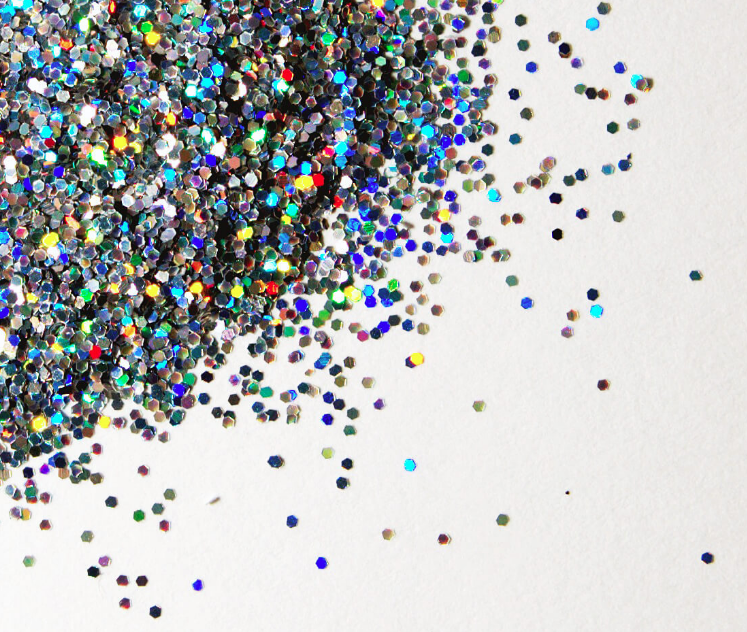
Skip glitter. Even biodegradable glitter can contain residual plastic, and a 2020 study by Anglia Ruskin University found that several “biodegradable” glitters tested had similar ecological effects to conventional plastic glitter.
Pick shoes made from natural fibres with natural rubber soles. Synthetic shoe soles are a measurable source of microplastic wear.
Make your own household cleaning products from simple ingredients like bicarbonate of soda and white vinegar, or buy concentrated refillable formats from the Refillable Multi-Surface edit.
Use natural fibre sponges and scrubbers for washing up and bathing. Loofah, cellulose and sisal replace synthetic sponges, which shed microplastics in wastewater.
Switch to loose leaf tea. A 2019 study in Environmental Science and Technology found that a single plastic teabag steeped at brewing temperature can release billions of microplastic and nanoplastic particles into a cup.
Cut back on single-use plastic to reduce secondary microplastic pollution at source.
Support campaigns pushing for tighter regulation, like Beat the Microbead from the Plastic Soup Foundation, which tracks microplastics in cosmetics globally.
Progress, not perfection
The microplastic story isn’t a clean fix. There’s no single product you can buy that undoes it, and obsessing over every ingredient list is exhausting. The realistic move is to cut plastic at the points where you have control, starting with the things you buy most often.
For more on practical swaps, read our guides to eco swaps for beauty and eco swaps for home. Both are full of simple replacements you can make without overhauling your life.
Every brand in the Beauty and Self-Care category on Ziracle is screened against the standard, so you don’t have to read every ingredient label. Brands that are Plastic Free go a step further.Ready to switch? Browse the Healthy Skin edit for products that leave microplastics out by design.
FAQs
Are there still microplastics in cosmetics sold in the UK?
Yes, but fewer than before. The 2018 UK ban stopped microbeads in rinse-off products like scrubs, shower gels and toothpaste. It didn’t cover leave-on cosmetics (moisturisers, foundations, mascara), glitter, or other categories where plastic particles may still appear. Check ingredient lists for polyethylene (PE), polymethyl methacrylate (PMMA), nylon, PET and polypropylene. The EU’s 2023 REACH restriction will phase out intentionally added microplastics more broadly across those categories over the coming years.
What’s the difference between microplastics and microbeads?
Microplastics are any plastic particle smaller than 5mm. Microbeads are a specific type of microplastic, usually under 1mm, that were manufactured small on purpose and added to cosmetics and cleaning products. All microbeads are microplastics. Not all microplastics are microbeads. Many microplastics are secondary, meaning they come from larger plastic items breaking down in the environment.
Do I actually eat microplastics from seafood?
The evidence suggests yes, and the picture has grown considerably more concerning. A 2017 paper in Environmental Pollution estimated that the average European shellfish consumer ingests around 11,000 microplastic particles a year through seafood alone. Microplastics have since been found in table salt, bottled water, tap water, blood, breast milk and human placentas. 2025 study in Nature Medicine found microplastics and nanoplastics in every human brain tissue sample examined, at concentrations that increased by approximately 50% between 2016 and 2024. A separate 2024 study in the New England Journal of Medicine found microplastics in arterial plaque and linked their presence to significantly elevated risk of heart attack, stroke, or death. Long-term health effects are still being studied but the evidence for harm is strengthening rapidly. The current scientific consensus is that exposure is real, measurable, and worth reducing at source.
Are natural fibre clothes really better than synthetic ones?
For microplastic pollution, yes. Synthetic fibres like polyester, polyamide and acrylic shed microfibres during every wash, which flow through wastewater treatment and into rivers and oceans. Natural fibres like organic cotton, linen, hemp and wool don’t. Natural fibres have their own environmental footprint (cotton is water-intensive, conventional wool raises animal welfare questions), which is why certifications like GOTS and Fair Trade matter. A microfibre filter bag for your washing machine is a useful intermediate step if your wardrobe is mostly synthetic.
What about biodegradable glitter?
It’s an improvement on conventional glitter but not a clean answer. A 2020 study by Anglia Ruskin University found that several biodegradable glitters tested had ecological effects comparable to conventional plastic glitter in freshwater systems. The more conservative choice is to skip glitter altogether, or use properly compostable mineral-based alternatives for specific occasions rather than treating biodegradable glitter as a free pass.