Veo and Wearth are now Ziracle. Same mission, better platform. See what's new

eco-friendly grocery shop|||||||

Household food waste in the UK runs at around 6 million tonnes a year, of which 4.4 million tonnes is edible food thrown away, according to WRAP’s 2022 Household Food and Drink Waste report. That comes to roughly 210 kilos per household, and a financial cost of around £1,000 per year for a family of four. The emissions cost is about 16 million tonnes of CO2 equivalent, which is more than some small countries’ total annual output.

The point of this statistic is not to make you feel bad. It is that the single highest-leverage sustainability intervention most UK households can make – higher than switching to a green tariff, higher than cutting car journeys, higher than almost any specific eco-swap you could name – is wasting less of the food they already buy. The environmental saving is real. The financial saving is substantial. And the behaviour change required is smaller than people expect.

This is a guide to the grocery shop that makes that shift happen in practice. Not a new diet. Not a shopping list of unfamiliar products. Just the specific habits that WRAP’s own research consistently finds separate households that waste a lot of food from households that waste very little.

The single fact that matters most

Nearly 40% of edible food wasted in UK homes is thrown away because it was not used in time, according to WRAP’s research. Another quarter is because people cooked, prepared or served too much. A further 22% is waste because people decided they did not want to eat something.

None of that is primarily a product problem. All of it is a planning problem. The bread goes stale, the salad wilts, the second half of the yogurt pot times out, the ambitious Thursday dinner does not actually get cooked. What happens in the kitchen is downstream of what happened at the shop. The shop is where most of this gets fixed.

Six steps, applied in order, do most of the work.

Step one: shop your kitchen before you shop the shop

Fifteen minutes at home before you write a list. Open the fridge, the freezer, the dry-goods cupboard, the fruit bowl. Note what is about to turn. Note what is already there. Build the week’s meals around using those things first.
Credit: Toa Heftiba

This step alone prevents duplicate buying, catches the food about to expire, and puts the ingredients you already own at the front of the week rather than at the back. A half-onion, a wilting pepper, and a handful of frozen peas become the base of a curry on Monday rather than bin contents on Sunday.

The mental shift: search for recipes that use what you have, not recipes that require you to buy everything. A quick search on any recipe site, or the BBC Good Food “what’s in your cupboard” function, will turn up four or five options for almost any combination of leftovers.

Step two: plan seven days on paper

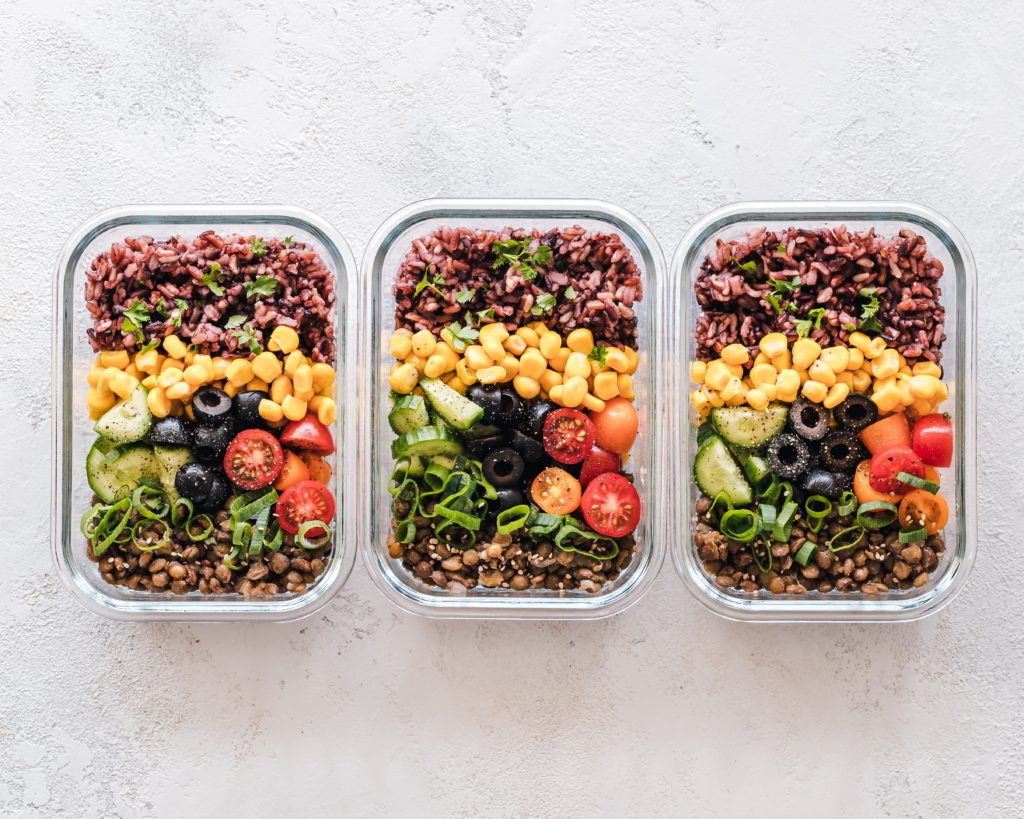
Fifteen more minutes with a piece of paper. Breakfast, lunch, dinner, for seven days. Not elaborate. Beans on toast counts. Jacket potato counts. A repeat of Tuesday’s dinner on Wednesday with the leftovers counts.
Credit: Ella Olsson

Assume two meals will go off-plan (unexpected takeaway, dinner at a friend’s, a rushed Tuesday when you grab a sandwich at work). Build five or six meals into the plan rather than seven. The flex matters. A rigid seven-meal plan that collapses on Thursday leaves ingredients stranded.

From this plan, write your shopping list. This single habit – planning meals before writing the list – is what WRAP research repeatedly identifies as the largest behavioural lever on household food waste.

Step three: buy only what you can actually store

The family-pack temptation is the biggest single driver of supermarket over-buying. A five-pack of peppers at a 20% discount is only a saving if you eat all five. For a household of two, it usually is not.
Credit: Nadia Pimenova

The rule that works: buy the quantity your meal plan calls for, plus a small buffer for sandwiches or breakfast. Not a discount-triggered quantity. Not a “might-need-it” quantity. The supermarket’s per-unit discount is often worse value than the smaller pack you will actually finish, once spoilage is factored in.

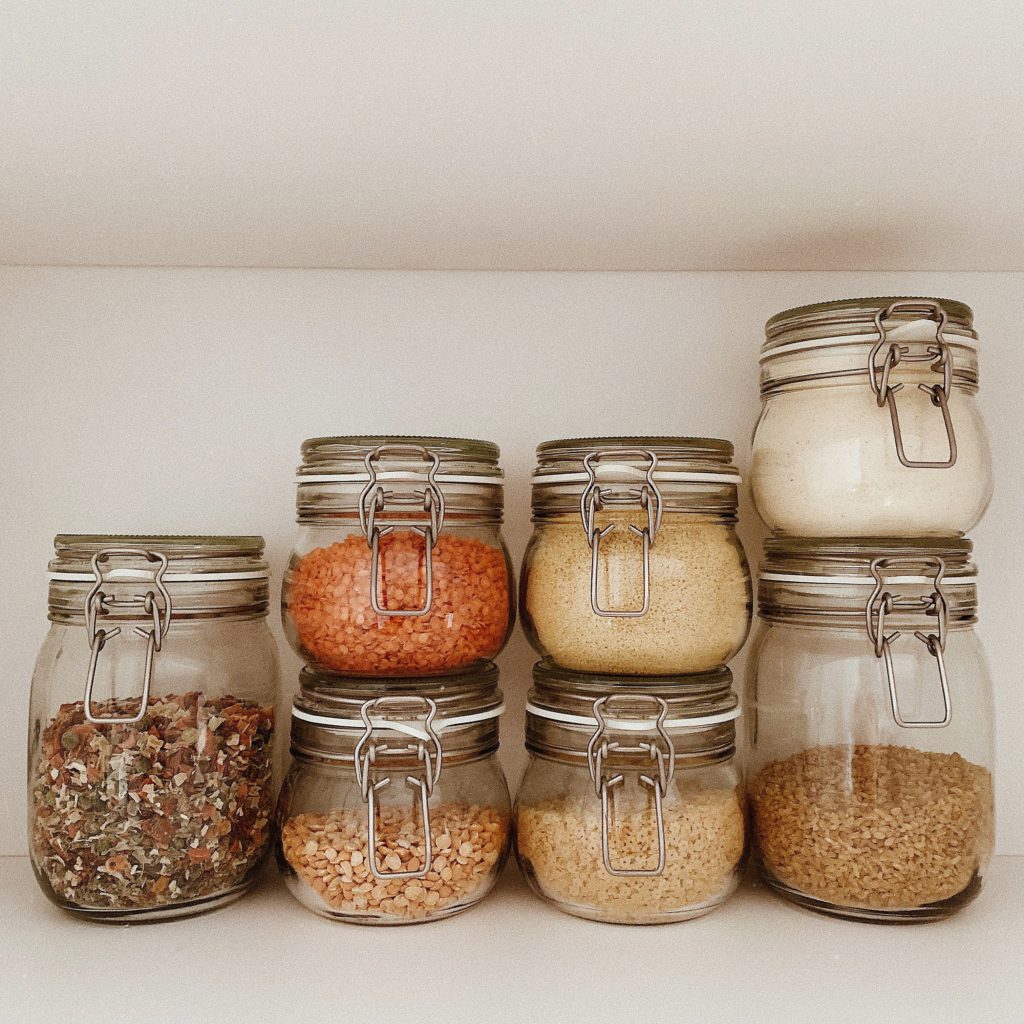
Good storage extends what you do buy. Glass jars for dry goods let you see what you have and how much is left. A fridge with clear containers at the front, rather than a drawer of opaque Tupperware at the bottom, means food you meant to eat gets eaten. The best storage tends to be clear, airtight, and visible. Most of it does not have to be new: repurposed jam jars and takeaway containers work as well as anything sold for the purpose.

Step four: take bags, and containers, to the shop

The UK’s plastic bag charge — introduced at 5p in 2015 and extended to 10p across all retailers in 2021 — has significantly reduced single-use carrier bag sales. According to DEFRA’s most recent carrier bag charge data (2024–25), sales by major retailers in England are down 79% since the first full year of reporting in 2016–17, equivalent to approximately 8 bags per person per year compared to an estimated 140 bags per person before the charge was introduced — a reduction of nearly 94% from the pre-charge baseline. Since its introduction, the charge has raised over £1.3 billion, most of which retailers have donated to good causes. Most households now have a small collection of reusable bags. The question is whether you remember to bring them.

Credit: Gaelle Marcel

The habit that works: keep a rolled-up tote bag in every coat pocket, handbag, and glove compartment you use. The single thing that breaks this habit is leaving the bags at home. Store them where they will be picked up automatically rather than where they have to be remembered.

For the next step up, bring reusable containers for counter services: butcher, deli, fishmonger, bakery. Many counter staff will happily tare your container on the scales. Some supermarkets now accept the same at their fresh counters. The small friction of asking disappears after two or three tries.

Step five: shop loose where you can, local where it works

Loose fruit and vegetables are usually cheaper than the pre-packed versions. The packaging accounts for a meaningful part of the supermarket price, and buying loose lets you take exactly the quantity you need. Most UK supermarkets now offer loose variants for common items. The selection expands every year.
Credit: Tim Mossholder

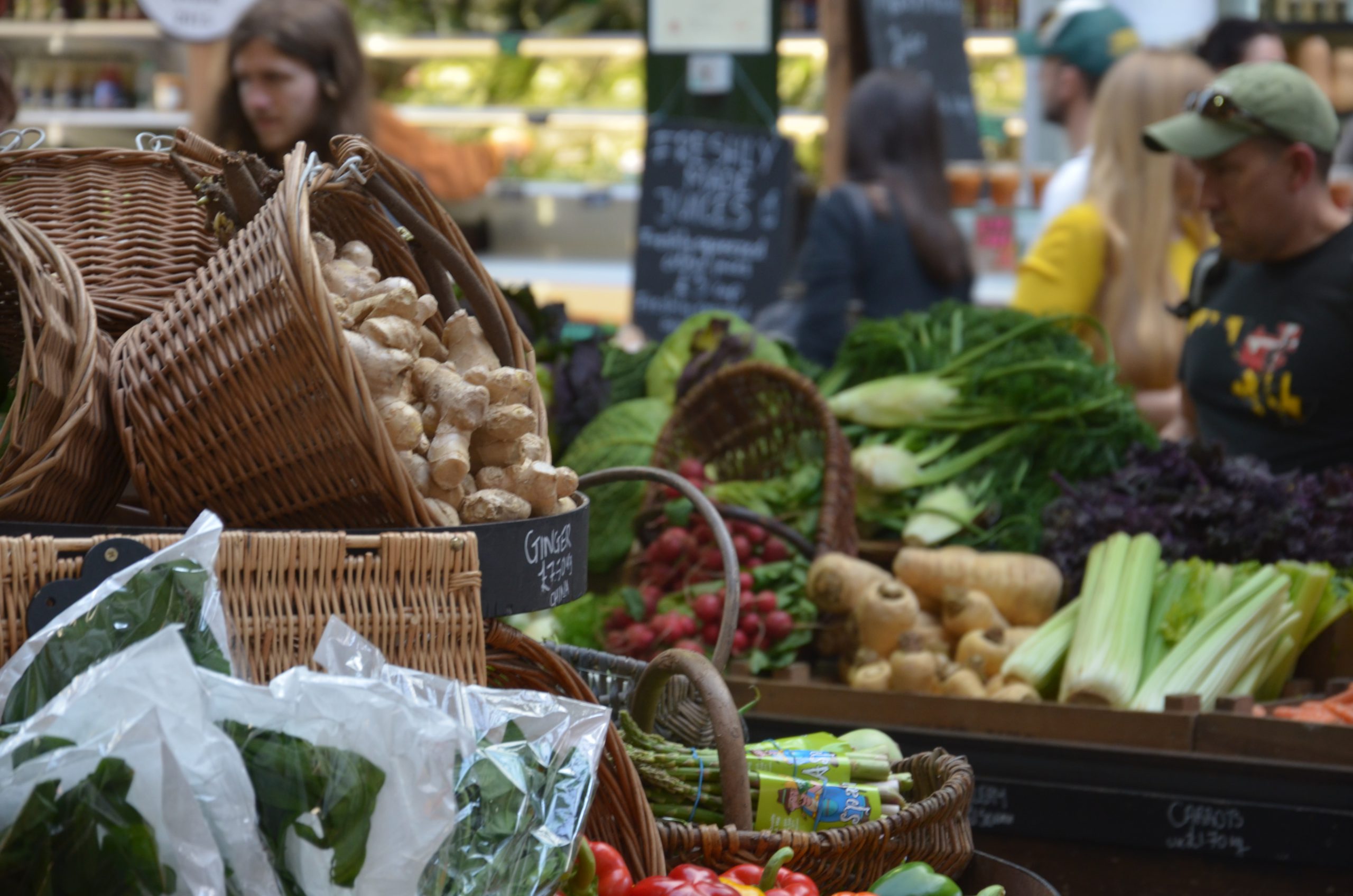
Local greengrocers, market stalls and farmers’ markets tend to stock loose produce as the default, often at prices below supermarket pre-packed equivalents. They are also useful for the things supermarkets do badly: properly ripe fruit, seasonal vegetables, bread with a short ingredient list.

Not everything has to shift. A weekly supermarket shop for the majority of your groceries, plus one weekly visit to a greengrocer or market for fresh produce, is a realistic split for most urban households. For the broader category of refillable and reusable groceries, our plastic-free living guide covers the household-wide version of this habit.

Step six: buy versatile, cook repeatedly

The single biggest predictor of whether a specialist ingredient gets used is whether it appears in more than one recipe you cook regularly. The fancy jar of miso, the unfamiliar grain, the single-recipe sauce – these are the items most likely to sit in the cupboard for a year and then be thrown out.
Credit: Syd Wachs

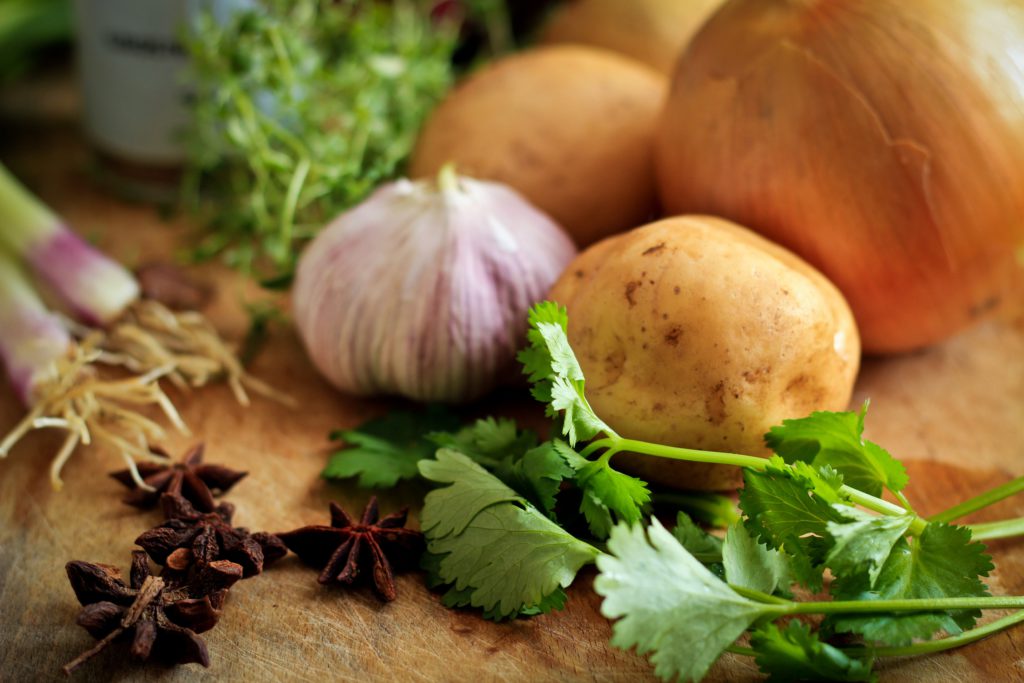
Stock versatile staples. Tinned tomatoes. Dried lentils and beans. Rice, pasta, oats. Onions, garlic, ginger. Olive oil, stock cubes, a small selection of dried herbs and spices you use often rather than a large selection you use rarely. These cover hundreds of meals between them.

Treat the specialist ingredient differently. Either buy the smallest quantity available (many spice shops and zero-waste shops sell spices by the gram), or commit to cooking the dish that uses it at least twice within a month. The second-cook principle converts most single-recipe buys into regular-pantry items.

What this looks like after six weeks

The honest end-state for most households who adopt these six steps is:

Shopping trips are slightly shorter because the list is specific and the store layout is familiar. The weekly bill is typically 15 to 25% lower, because the over-buying has stopped. The bin of edible food thrown away at the end of the week has dropped substantially. The fridge, at the point of the next shop, is empty rather than stacked with things to be rushed through. The occasional genuinely ambitious meal – the Sunday roast, the birthday dinner – still happens, but on top of a steady rhythm of simpler weeknight meals rather than in place of them.

This is not a lifestyle. It is a slightly better version of something you already do every week. The environmental benefit is a side effect of the fact that shopping with a plan is also cheaper, calmer, and quicker.

Where to start on Ziracle

Every brand in our Food and Drink edit has been assessed against the same standard: honest ingredients, transparent sourcing, and packaging that earns its place rather than only its marketing. Filter by Organic for produce and pantry staples certified to proper standards, or by Plastic Free for the items where the packaging is as considered as the contents.

For the storage side of the shift, Refills and Reusables covers containers, bags, wraps and the other small items that make the rest of this guide easier to maintain.

For the wider argument about how grocery shopping fits into household consumption overall, see our guide to what is conscious consumerism.

If food is where you are starting your broader sustainability shift, Eat Well is the goal page to bookmark.

FAQs

How much money can meal planning actually save?

WRAP’s estimate is that UK households of four waste around £1,000 of food a year on average. A meal plan that cuts that waste in half saves roughly £500, which is more than most people save through any single other sustainable-living change. The bigger saving often comes from shopping to a list, which reliably reduces impulse purchases by a significant margin across most households.

Isn’t cooking from scratch more expensive than ready meals?

Per-meal, almost never. Staples bought in reasonable quantities – rice, pasta, pulses, onions, tinned tomatoes, a few vegetables – make meals at under £2 per person that compete with the cheapest end of ready meals. The gap grows as you move up the ready-meal price range. The argument against cooking from scratch is almost always time rather than money, and batch-cooking (cooking once, eating twice) closes most of that gap too.

Are loose vegetables actually cheaper than pre-packaged?

Usually yes, by 10-30% on unit price, because you are not paying for the plastic wrap and the portion decision is yours. There are exceptions – some multi-buy offers on pre-packed items beat loose prices – but in general, loose is the better default. Check per-kilo prices rather than pack prices if you want to be sure.

What should I do with food that’s about to go off?

The core techniques are batch cooking, freezing, and casual improvisation. Wilting vegetables become soup. Stale bread becomes croutons, breadcrumbs or French toast. Yoghurt approaching its date works in marinades, baking and smoothies. The Love Food Hate Waste website has sections on “what can I do with” specific ingredients if improvisation is not your strength. Freezing is dramatically underused: most things freeze well if bagged properly, and the freezer is where your edible food waste largely stops being waste.

Is the environmental impact of food waste really that large?

Yes, substantially. WRAP estimates that UK household food waste alone produces the equivalent of around 16 million tonnes of CO2 a year, partly from the emissions embedded in producing the food and partly from methane when it rots in landfill. Globally, food waste accounts for an estimated 8 to 10% of greenhouse gas emissions. Reducing food waste is genuinely one of the highest-leverage household interventions on the climate side as well as the financial side.


How Food Affects your Mood

The 3pm crash after a sugary lunch. The low mood that follows a weekend of takeaways. The subtle shift in how manageable everything feels after two weeks of proper meals. None of this is personality. It is biochemistry, and it is one of the more useful things to understand about your own brain.

Food does not just fuel the body. It builds the chemicals the brain uses to regulate mood, motivation, sleep, and stress tolerance. Once you see the pathway, your choices around food start to feel less moral and more mechanical. The work becomes adjusting inputs, not managing guilt.

The gut-brain axis, briefly

Around 90% of the body’s serotonin, the neurotransmitter most closely associated with mood and calm, is produced in the gut rather than the brain. The 2015 Cell paper by Yano and colleagues at Caltech showed that specific gut bacteria signal intestinal cells to produce it. Take those bacteria away in germ-free mice, and serotonin drops by more than half.

silhouette of a man against a circular blue light
Credit: Ben Sweet

The gut and brain are in constant two-way conversation through the vagus nerve, the immune system, and the hormones they each produce. What you eat changes the microbiome. The microbiome changes the neurotransmitters. The neurotransmitters change how you feel, which changes what you reach for next. This is why a bad-eating week lowers mood, and a low mood drives the bad-eating week. The loop is the point.

A 2024 review in Medicine pulled this together across the current literature: gut microbiota modulate serotonin, dopamine, GABA, and glutamate, all of which are directly implicated in depression, anxiety, and stress response. This is no longer fringe nutrition. It is mainstream psychiatric research.

Amino acids build specific feelings

Neurotransmitters are built from amino acids you get from food. Tryptophan becomes serotonin (calm, contentment, steady mood). Tyrosine becomes dopamine (motivation, focus, drive). The body cannot synthesise tryptophan at all, so every molecule you have came from something you ate.

Tryptophan-rich foods: chickpeas, oats, eggs, tofu, turkey, salmon, bananas, almonds, pumpkin seeds. Research published in Nutrients confirmed that tryptophan crosses the blood-brain barrier more efficiently when paired with a carbohydrate, which is why oatcakes with almond butter or lentils with brown rice works better than either alone.

Tyrosine-rich foods: seeds, wholegrains, lentils, nuts, eggs, dairy, lean meat, dark chocolate. Useful for the mornings when the problem is motivation rather than anxiety. Protein at breakfast, rather than leaving it until dinner, front-loads tyrosine for the day.

Why sugar does work, briefly, and then doesn’t

Refined sugar genuinely does raise serotonin in the short term. This is the frustrating part of the comfort-eating loop: it is not imagined. The crash is also not imagined. Blood sugar spikes, then drops below where it started. Mood follows. The brain logs “sugar fixed it” and the pattern reinforces.

The workaround is not willpower. It is choosing foods that raise serotonin without the crash: slow carbohydrates paired with protein, fermented foods that feed the microbiome, consistent meals rather than long gaps followed by collapse. If you want to go deeper on this, the companion piece is natural ways to boost serotonin and dopamine.

The foods that actually build resilience

Omega-3 fatty acids. The brain is roughly 60% fat, and omega-3s (from oily fish, walnuts, flaxseeds) are structural components of brain cells. A 2019 meta-analysis in Translational Psychiatry found omega-3 supplementation produced measurable antidepressant effects, particularly at higher EPA doses.

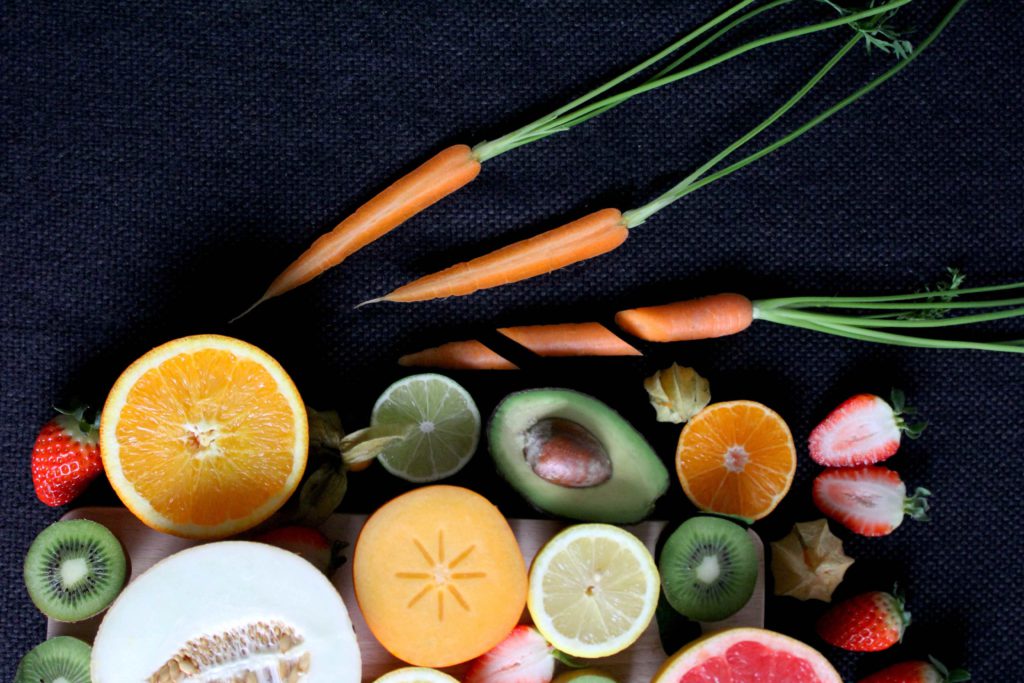
A selection of fruits and vegetables, including carrots, orange, melon, kiwi, avocado and strawberries against a black textured background.
Credit: Amoon Ra

Fermented foods. Kefir, kimchi, sauerkraut, miso, live yoghurt, kombucha. They introduce bacterial strains that the microbiome uses to produce and modulate neurotransmitters. A 2015 study in Psychiatry Research from William & Mary and the University of Maryland found fermented food intake was associated with reduced social anxiety symptoms in young adults.

B vitamins, zinc, magnesium. Cofactors in the chemistry that converts tryptophan to serotonin and tyrosine to dopamine. Deficiency shows up as a flat mood before it shows up as anything clinical. Wholegrains, leafy greens, nuts, seeds, and eggs cover most of it.

Polyphenols from plants. The colour pigments in berries, dark leafy greens, olive oil, and cacao. Antioxidant effects, anti-inflammatory effects, measurable microbiome effects. Variety matters more than any single “superfood.”

Consistency beats perfection

One salmon dinner will not fix anything. A consistent pattern of protein at breakfast, a mix of plants across the week, fermented foods a few times a week, and less reliance on refined sugar will shift how you feel. A 2017 Australian SMILES trial in BMC Medicine randomised adults with moderate-to-severe depression into either dietary counselling (towards a Mediterranean-style pattern) or social support. After 12 weeks, the diet group showed clinically meaningful improvements in depression scores. A food-as-medicine trial, with food as the only intervention. The SMILES findings have since been largely replicated: a 2025 systematic review and meta-analysis in Nutrition Reviews covering randomised controlled trials found Mediterranean diet interventions significantly alleviated depressive symptoms in adults with depression, and a 2025 meta-analysis in Annals of Internal Medicine confirmed that dietary interventions produce moderate-term reductions in depressive symptoms compared with no specific dietary advice.

A note on absorption: if bloating, IBS, or reflux is disrupting digestion, nutrient uptake drops and the rest of the strategy falters. The best foods for bloating guide covers the absorption side.

When food is part of the answer, and when it is not

Food matters. It is rarely the whole picture. Clinical depression, anxiety disorders, and other mental health conditions usually need more than a dietary shift, and sometimes need medication, therapy, or both. Food supports those treatments, it does not replace them. If mood is sustained low for more than two weeks, or if it is interfering with daily life, talk to your GP. Mind UK’s depression treatment guidance has clear, non-alarmist information on the treatment pathways available, from talking therapies to medication. The NHS clinical depression treatment page is also a useful starting point for understanding what is available on the NHS.

If what you want is a steadier baseline, start small. Protein and slow carbs at breakfast for two weeks. Notice what shifts. The connection becomes undeniable once you feel it.

Explore more in Gut Health, or browse Eat Well for the full set of food-and-mood guides.

FAQs

How quickly does food affect mood?

Some effects are almost immediate: blood sugar stability changes how you feel within a few hours of a meal. Microbiome-level changes take longer. The SMILES trial in BMC Medicine found clinically meaningful improvement in depression scores after 12 weeks of a Mediterranean-style dietary pattern. Most people notice a steadier baseline within two to three weeks of consistent eating.

Does the gut really produce 90% of your serotonin?

Yes, and it is well-established. A 2015 study by Jessica Yano and Elaine Hsiao at Caltech, published in Cell, showed that specific gut bacteria signal intestinal cells to produce serotonin. When the bacteria were removed, serotonin levels dropped by more than half in germ-free mice. The 90% figure refers to where serotonin is produced; only around 5% sits in the brain.

What foods raise serotonin naturally?

Tryptophan-rich foods paired with slow-release carbohydrates. Chickpeas with brown rice, oats with almond butter, eggs on wholegrain toast, salmon with sweet potato. Fermented foods help too, by supporting the gut bacteria that drive serotonin production. B vitamins, found in wholegrains and leafy greens, are essential for the conversion.

Can diet replace antidepressants?

No. Diet is a supporting intervention, not a replacement for clinical treatment. Medication and therapy do work that food cannot do on its own, particularly for moderate-to-severe depression. Food supports those treatments by stabilising the underlying biochemistry. Never stop medication without your GP.

What’s the single most useful change for mood?

Protein at breakfast. Most people eat their protein late in the day (lunch, dinner), which means the brain has limited tyrosine and tryptophan through the morning when motivation and mood tend to be most fragile. Front-loading protein changes the shape of the whole day for more people than any other single intervention.

Vegan living guide

Your gut produces a significant share of your body’s serotonin. If serotonin production shapes how you feel, and your gut produces most of it, then what you eat directly shapes your mood. This connection is one of the most practical reasons to move toward vegan or plant-based eating: not for ethics alone, not for the planet alone, but because you’ll likely feel better as a result. Your mental health is partly a direct result of what you feed your gut microbiome.

Here’s the difference between vegan and plant-based, the link between plant foods and mental health, and the practical foods that actually do the work.

Vegan vs plant-based: they aren’t the same thing

Plant-based describes your diet. Vegan describes your entire life. Someone eating a plant-based diet has removed or significantly reduced animal products from their meals. They eat plants, plant-based alternatives and plant-derived foods. Someone living vegan, as defined by The Vegan Society, seeks to exclude all forms of exploitation of animals for food, clothing or any other purpose, as far as is possible and practicable. Every choice aims to exclude animal exploitation and suffering.

Both can be healthy. Neither is inherently better than the other.

The distinction matters because if you’re moving toward veganism, you’re committing to more than food choices. You’re examining every purchase, every product, every decision through the lens of animal welfare. Your clothes, your toiletries, your household cleaners, your shoes. If you’re moving toward plant-based eating, you’re optimising your diet without necessarily changing everything else. You might eat plant-based but still wear leather, use wool, or use products with animal by-products. Both are valid approaches. Know which one you’re aiming for so your expectations match your commitment.

How your gut talks to your brain

The gut-brain axis is a two-way conversation between your digestive system and your central nervous system. Your gut microbiome (the bacteria, fungi and other microorganisms living in your digestive system) directly influences your brain chemistry. A 2015 review in Annals of Gastroenterology summarised the evidence that gut microbiota produce neurotransmitters including serotonin, GABA and dopamine, which communicate with the brain through the vagus nerve.

A significant share of your serotonin is produced in the gut. What you eat directly affects your mood.

Plant-based and vegetarian diets tend to create more stable, varied microbiota with a healthier population of beneficial bacteria. A 2019 study in Nature Microbiology led by researchers at KU Leuven identified specific bacterial species in the gut whose relative abundance correlated with self-reported quality of life, including markers of depression. Plant-based diets are typically higher in fibre, which feeds beneficial bacteria, which in turn produce short-chain fatty acids that support brain function. A 2020 meta-analysis in Neuroscience and Biobehavioral Reviews found that dietary patterns high in fruits, vegetables, wholegrains and legumes were associated with reduced risk of depressive symptoms across a large number of studies.

The effect isn’t small. It’s measurable. People report feeling better, sleeping better and managing stress more effectively.

This doesn’t mean plant-based eating is a cure for mental illness. It means it’s a foundational support for mental health. It works best alongside professional support, therapy and medical treatment when needed. As a baseline intervention, food is one of the more powerful tools you have.

The ‘junk food vegan’ trap

You can eat vegan and eat poorly. Processed vegan ice cream, sugary sweets, refined carbohydrates and ultra-processed alternatives don’t give your gut or your brain what they need. They satisfy cravings but not nutrition. They’re still vegan, but they’re not nourishing.

If you’re moving toward plant-based eating for your mental health, these don’t count. They won’t support your microbiome. They might taste good in the moment, but they leave you crashing later. Focus instead on whole foods: every colour of fruit and vegetable you can fit in, wholegrains, legumes, nuts, seeds and fermented foods. These do the actual work of feeding your microbiome and supporting serotonin production. The difference between vegan junk food and nourishing vegan food is the difference between restriction and genuine change.

What to eat

Start with vegetables. Dark leafy greens (spinach, kale, chard), broccoli, sweet potatoes, bell peppers, leafy herbs. These are nutrient-dense and full of fibre. The darker the green, the more nutrients it tends to contain.

Add fruit. Berries are particularly nutrient-dense, but eat what’s in season and what you enjoy. Apples, pears, bananas, oranges all support your microbiome.

Protein comes from beans, lentils, pulses, tofu, tempeh. These are rich in amino acids and fibre, inexpensive and versatile. Browse the Pulses edit for bulk options.

Healthy fats from avocado, nuts, seeds and olive oil support brain function and help nutrient absorption. Browse the Oils edit and the Nuts and Seeds edit.

Wholegrains. Oats, quinoa, brown rice, and wholewheat bread. Sustained energy and resistant starch that feeds your gut bacteria. Browse The Pantry range for staples.

Fermented foods. Sauerkraut, kimchi, tempeh, miso. These introduce beneficial bacteria directly into your digestive system. A 2021 randomised trial from Stanford University School of Medicine, published in Cell, found that a ten-week high-fermented-foods diet increased microbial diversity and reduced inflammatory markers. Browse the Fermented Foods edit.

Hydration matters more than people realise. Your brain needs water to function properly. The NHS recommends six to eight glasses of fluid a day, with water, lower-fat milks and sugar-free drinks contributing to the total. Dehydration affects mood, cognitive function and energy. Herbal teas count too.

Nutrients worth paying attention to on a vegan diet

The British Dietetic Association’s Vegetarian, Vegan and Plant-Based Diet Food Fact Sheet notes that well-planned vegan diets are healthful and nutritionally adequate, but they do require attention to several specific nutrients that are harder to get from plants alone. This position is reinforced by the Academy of Nutrition and Dietetics’ updated 2025 position statement, which confirmed that appropriately planned vegan dietary patterns can be nutritionally adequate and offer long-term health benefits in adults, while noting specific nutrients require monitoring.

Vitamin B12 is the most important. B12 is produced by bacteria and is found reliably only in animal products and fortified foods. Vegans need to either eat B12-fortified foods daily (fortified plant milks, nutritional yeast, some breakfast cereals) or take a supplement. Long-term B12 deficiency causes fatigue, nerve damage and cognitive issues, so this isn’t optional.

Vitamin D, iron, calcium, iodine and omega-3 fatty acids (specifically the long-chain DHA and EPA forms) also need attention. Vitamin D is harder to get in the UK through skin synthesis in winter and is worth supplementing October to March regardless of diet, per NHS guidance on vitamin D. The UK Government’s Scientific Advisory Committee on Nutrition (SACN) recommends 10 micrograms (400 IU) of vitamin D daily for everyone aged four and over throughout the year, and particularly through autumn and winter — making supplementation straightforward regardless of dietary pattern. Iron from plants (non-haem iron) is absorbed less efficiently than iron from meat, so pairing iron-rich foods with vitamin C helps. Algae-based supplements provide DHA and EPA without fish oil. Browse the Supplements edit for B12 and omega-3 options.

What your body also needs

Food is foundational, but not everything. Movement matters. The NHS recommends at least 150 minutes of moderate exercise a week. A 2023 umbrella review in the British Journal of Sports Medicine synthesising 97 meta-analyses found that regular physical activity produced reductions in symptoms of depression and anxiety comparable in magnitude to psychotherapy for many populations. Walking, cycling, swimming, dancing all count. Consistent movement matters more than intensity.

Time with people does work too. Connection matters to mental health. Fresh air and sunlight regulate your circadian rhythm and support vitamin D production. Journalling and meditation give your nervous system a chance to down-regulate. These aren’t optional add-ons. They’re essential components of wellbeing.

Plant-based eating is an accessible lever to pull, but it works best alongside everything else. Food, movement, connection, sleep and sunlight work together to create mental health. No single factor carries the whole burden.

For more on the specific food-mood link, read our how food affects mood guide, and our plant-based diet and mental health deep-dive.

Every brand in the Food and Drink category on Ziracle has passed the same standard: honest ingredients, transparent sourcing, and production that takes ethics seriously. For products that fit a vegan diet specifically, filter by Vegan or Organic.

Ready to start? Browse the Eat Well edit and pick one meal a day to shift toward whole, plant-based food.

FAQs

What’s the difference between vegan and plant-based?

Plant-based describes what you eat: mostly or entirely plants, with animal products reduced or removed. Vegan describes a whole lifestyle: avoiding animal products in food, clothing, cosmetics, household items and anywhere else practicable, framed around excluding animal exploitation. Both can be healthy. The distinction matters for setting expectations. A plant-based eater might wear leather and use wool. A vegan won’t. Know which one you’re aiming for.

Can a vegan diet actually support mental health?

The evidence is moderately strong. A 2020 meta-analysis in Neuroscience and Biobehavioral Reviews found that dietary patterns high in fruits, vegetables, wholegrains and legumes (which describes well-constructed vegan and plant-based diets) were associated with reduced risk of depressive symptoms across many studies. The mechanism involves gut microbiome diversity, fibre intake and the fatty acids produced by beneficial bacteria. It’s not a cure for diagnosed mental illness, and it shouldn’t replace professional support. It is a foundational layer for everyday mental wellbeing.

What nutrients should I watch on a vegan diet?

Vitamin B12 is the most important. B12 is only reliably found in animal products and fortified foods, so vegans need either fortified foods daily or a supplement. The British Dietetic Association also flags vitamin D, iron, calcium, iodine and long-chain omega-3 fatty acids (DHA and EPA) as nutrients that need specific attention. Most of these can be covered with a well-planned diet plus a B12 supplement and a vitamin D supplement through UK winters, but it’s worth taking seriously rather than assuming the diet covers everything by default.

What’s wrong with processed vegan foods?

Nothing, if they’re occasional. The issue is relying on them as the bulk of a vegan diet. Ultra-processed vegan foods (sweet snacks, meat alternatives high in saturated fat and salt, refined carbohydrates) are still vegan but don’t deliver the microbiome or mental health benefits that come from whole plant foods. If you’re moving to vegan or plant-based eating partly for how you feel, the whole-food version is what does the work. Processed vegan junk food satisfies a craving but leaves the fibre, diversity and nutrient-density out.

How long does it take to feel a difference after switching?

Two to four weeks for most people, if the shift is toward whole foods rather than processed vegan alternatives. The Stanford fermented foods study measured meaningful microbial changes over ten weeks, but digestive differences and energy changes often appear earlier. Giving any dietary shift at least a month of consistency before judging it is the realistic approach. If you feel worse after two to three weeks, check that you’re getting enough protein, iron, B12 and calories, and consider a consultation with a dietitian.