
Veo and Wearth are now Ziracle. Same mission, better platform. See what's new

Janet Home

Brands, Ziracle

Janet Home has spent over a decade working across ethical and plant-based businesses, building hands-on experience in retail operations, brand growth, and sustainable consumer products. She managed the shop and events at one of the UK's longest-running vegetarian restaurants, ran operations at an ethical plant-based chocolate company, and led B2B growth at a sustainable feminine care brand. She writes for the Ziracle Journal on plant-based eating, natural ways to support mood and energy, slow fashion, microplastics in cosmetics, zero-waste hair care, foraging for skincare ingredients, and self-love practices.

Janet Home has published 12 articles

Author Journal

Microplastics In Our Cosmetics

Live Sustainably

The Truth About Microplastics In Our Cosmetics

By Janet Home ·

May 31, 2019 ·

Slow Fashion: How To Stop Moving So Fast

Live Sustainably

Slow Fashion: How To Stop Moving So Fast

By Janet Home ·

May 22, 2019 ·

Microplastics In Our Cosmetics

Microplastics are everywhere. In our oceans. In our seafood. In the air we breathe, and yes, in a surprising amount of what we put on our skin. The UK banned microbeads in rinse-off cosmetics back in 2018, and many other countries have followed, but the story doesn’t end there. Glitter, paints, polishes and detergents can still contain primary microplastics, and clothes shed plastic fibres every time they go in the wash.

Here’s what microplastics actually are, why they matter, and the practical swaps that stop you adding to the problem.

What are microplastics and microbeads?

Microplastics are any pieces of plastic under 5mm. Microbeads are a specific type of microplastic that was added to cosmetics and cleaning products for years, usually smaller than 1mm. On ingredient lists they appear as polyethylene (PE), polymethyl methacrylate (PMMA), nylon, polyethylene terephthalate (PET) or polypropylene (PP).

Primary microplastics like microbeads are manufactured small on purpose. Secondary microplastics are what happens when larger pieces of plastic break down in the environment. Both end up in the same places.
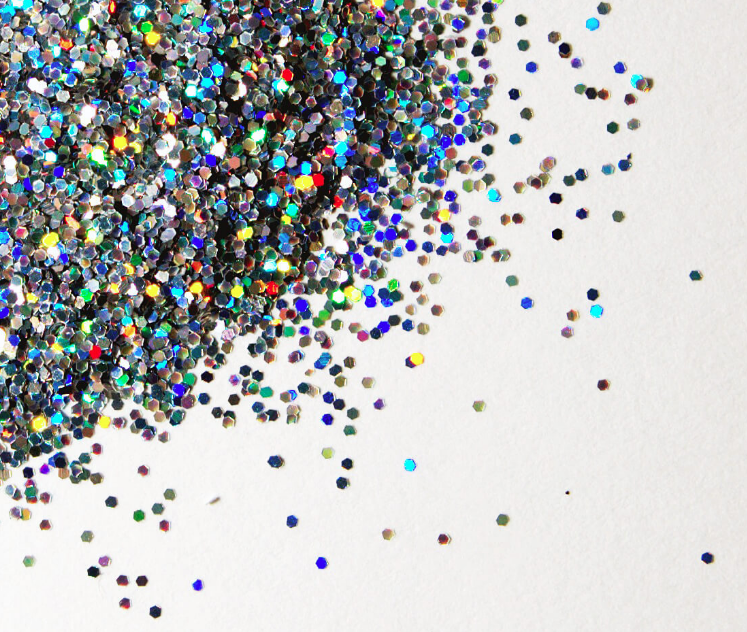
Pile of glitter spread over a white table

Why were microbeads added to cosmetics in the first place?

They were cheap. They had uniform size and shape, which made them less abrasive than natural alternatives like almond, oat or pumice. They didn’t degrade or dissolve, which gave products a long shelf life. They could add colour or sparkle to almost anything.

As cosmetic brands competed for space on pharmacy shelves, every new formula promised better performance. Microbeads turned up in everything from toothpaste and facial scrubs to bath bombs and hair gel.
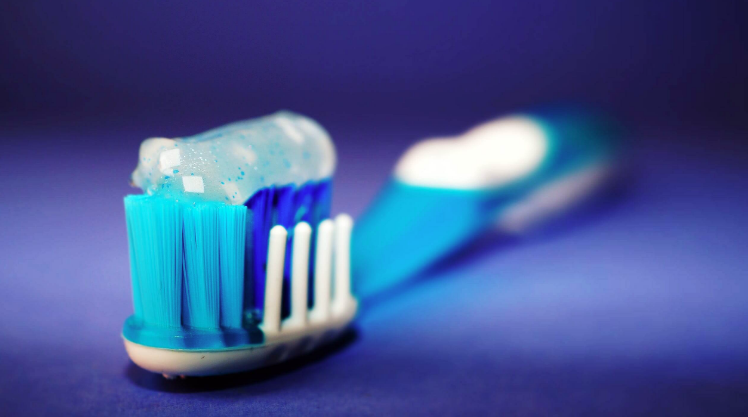
toothbrush with toothpaste on it that has microbeads in it.

Why microbeads are a problem

Microbeads are designed to be washed down the drain. They’re also too small to be filtered out by water treatment plants, which means they pass straight through and enter rivers and oceans through treated wastewater. They don’t biodegrade.

Research from Plymouth University found that a single 150ml tube of facial scrub could contain hundreds of thousands of microplastic particles, with thousands released with every use.

Once in the sea, microplastics attract waterborne toxins and bacteria, which stick to their surfaces. Fish, insect larvae and marine animals mistake them for food. The particles block digestive tracts, and the accumulated pollutants can enter the human food chain through contaminated seafood.

A 2018 study in Marine Pollution Bulletin analysed every marine mammal necropsied around UK coastlines over four years and found microplastics in every single animal, across ten different species. A 2017 paper in Environmental Pollution estimated that the average European shellfish consumer ingests around 11,000 microplastic particles a year through their diet. The picture of human health risk has sharpened considerably since: a landmark 2025 study published in Nature Medicine, led by University of New Mexico researchers, found microplastics and nanoplastics in every human brain tissue sample tested — with concentrations in brains sampled in 2024 approximately 50% higher than in those from 2016, and even greater accumulation found in people with a documented dementia diagnosis.

Microplastics have been found in every marine mammal surveyed in UK waters.

What the UK ban actually covered

The UK microbead ban came into force in 2018 under The Environmental Protection (Microbeads) (England) Regulations 2017, stopping the manufacture and sale of rinse-off cosmetic products containing microbeads — defined as any water-insoluble solid plastic particle of 5mm or less. The UK government’s consultation and policy statement set out the scope and rationale, with equivalent regulations enacted separately in Scotland, Wales and Northern Ireland. The Netherlands, South Korea, Taiwan, Sweden, New Zealand, France, Canada, India, Italy and parts of the US have brought in similar legislation.

The ban was a win, but it was narrow. It doesn’t cover leave-on cosmetics, glitter, paints, polishes or detergents.

In 2023, the European Chemicals Agency confirmed a broader restriction on intentionally added microplastics under the EU’s REACH regulation — one of the widest restrictions ever adopted by ECHA, covering a much wider range of product categories than the UK ban and phasing in over several years. As of 2025, the first phase of restrictions on glitter and loose cosmetic microplastics has already taken effect across EU member states.

Secondary microplastics from synthetic clothing and single-use plastic are a separate problem entirely, covered in our guide to eco swaps for fashion.

How to avoid adding to microplastic pollution

Even with the ban in place, there are still plenty of places primary and secondary microplastics enter the environment. Ten practical things you can do:

  1. Check older cosmetics for the ingredient codes. Polyethylene (PE), polymethyl methacrylate (PMMA), nylon, polyethylene terephthalate (PET) and polypropylene (PP) are the main ones. If you spot them, use the product up carefully or bin it rather than rinsing it down the drain.
  2. Wear clothes made from natural fibres. Linen, hemp and organic cotton shed far less than polyester and polyamide, which release microfibres with every wash. Browse the Clothing edit for natural-fibre options.
  3. Choose natural paints, oils and polishes for your home. Acrylics, polyurethane and alkyds all contain types of plastic.
  4. Skip glitter. Even biodegradable glitter can contain residual plastic, and a 2020 study by Anglia Ruskin University found that several “biodegradable” glitters tested had similar ecological effects to conventional plastic glitter.
  5. Pick shoes made from natural fibres with natural rubber soles. Synthetic shoe soles are a measurable source of microplastic wear.
  6. Make your own household cleaning products from simple ingredients like bicarbonate of soda and white vinegar, or buy concentrated refillable formats from the Refillable Multi-Surface edit.
  7. Use natural fibre sponges and scrubbers for washing up and bathing. Loofah, cellulose and sisal replace synthetic sponges, which shed microplastics in wastewater.
  8. Switch to loose leaf tea. A 2019 study in Environmental Science and Technology found that a single plastic teabag steeped at brewing temperature can release billions of microplastic and nanoplastic particles into a cup.
  9. Cut back on single-use plastic to reduce secondary microplastic pollution at source.
  10. Support campaigns pushing for tighter regulation, like Beat the Microbead from the Plastic Soup Foundation, which tracks microplastics in cosmetics globally.

Progress, not perfection

The microplastic story isn’t a clean fix. There’s no single product you can buy that undoes it, and obsessing over every ingredient list is exhausting. The realistic move is to cut plastic at the points where you have control, starting with the things you buy most often.

For more on practical swaps, read our guides to eco swaps for beauty and eco swaps for home. Both are full of simple replacements you can make without overhauling your life.

Every brand in the Beauty and Self-Care category on Ziracle is screened against the standard, so you don’t have to read every ingredient label. Brands that are Plastic Free go a step further.Ready to switch? Browse the Healthy Skin edit for products that leave microplastics out by design.

FAQs

Are there still microplastics in cosmetics sold in the UK?

Yes, but fewer than before. The 2018 UK ban stopped microbeads in rinse-off products like scrubs, shower gels and toothpaste. It didn’t cover leave-on cosmetics (moisturisers, foundations, mascara), glitter, or other categories where plastic particles may still appear. Check ingredient lists for polyethylene (PE), polymethyl methacrylate (PMMA), nylon, PET and polypropylene. The EU’s 2023 REACH restriction will phase out intentionally added microplastics more broadly across those categories over the coming years.

What’s the difference between microplastics and microbeads?

Microplastics are any plastic particle smaller than 5mm. Microbeads are a specific type of microplastic, usually under 1mm, that were manufactured small on purpose and added to cosmetics and cleaning products. All microbeads are microplastics. Not all microplastics are microbeads. Many microplastics are secondary, meaning they come from larger plastic items breaking down in the environment.

Do I actually eat microplastics from seafood?

The evidence suggests yes, and the picture has grown considerably more concerning. A 2017 paper in Environmental Pollution estimated that the average European shellfish consumer ingests around 11,000 microplastic particles a year through seafood alone. Microplastics have since been found in table salt, bottled water, tap water, blood, breast milk and human placentas. 2025 study in Nature Medicine found microplastics and nanoplastics in every human brain tissue sample examined, at concentrations that increased by approximately 50% between 2016 and 2024. A separate 2024 study in the New England Journal of Medicine found microplastics in arterial plaque and linked their presence to significantly elevated risk of heart attack, stroke, or death. Long-term health effects are still being studied but the evidence for harm is strengthening rapidly. The current scientific consensus is that exposure is real, measurable, and worth reducing at source.

Are natural fibre clothes really better than synthetic ones?

For microplastic pollution, yes. Synthetic fibres like polyester, polyamide and acrylic shed microfibres during every wash, which flow through wastewater treatment and into rivers and oceans. Natural fibres like organic cotton, linen, hemp and wool don’t. Natural fibres have their own environmental footprint (cotton is water-intensive, conventional wool raises animal welfare questions), which is why certifications like GOTS and Fair Trade matter. A microfibre filter bag for your washing machine is a useful intermediate step if your wardrobe is mostly synthetic.

What about biodegradable glitter?

It’s an improvement on conventional glitter but not a clean answer. A 2020 study by Anglia Ruskin University found that several biodegradable glitters tested had ecological effects comparable to conventional plastic glitter in freshwater systems. The more conservative choice is to skip glitter altogether, or use properly compostable mineral-based alternatives for specific occasions rather than treating biodegradable glitter as a free pass.

Slow Fashion: How To Stop Moving So Fast

Convenience now sits at your fingertips. You can order a jacket online tonight and have it draped over your shoulders by tomorrow evening. With that kind of ease, it’s no surprise that people are buying more clothes than ever, often without needing them.

Great choice brings great responsibility. And responsibility is what the slow fashion movement is asking us to take seriously. Shopping fast has a real cost: environmental, ethical and economic. Shopping slowly is the practical alternative, built around quality, longevity and the people making the clothes in the first place.

Here’s what fast fashion actually does to the planet and to garment workers, what slow fashion is as a response, and how to shift your own wardrobe without giving up style or affordability.

What fast fashion is

Fast fashion is inexpensive, on-trend clothing designed to move quickly from catwalk or celebrity inspiration to store shelves. Manufacturers mass-produce popular garments at lightning speed and for very low cost, targeting trend cycles that now turn over in weeks rather than seasons.

Commercially it’s been a runaway success. The speed and price point come at a cost. To make the numbers work, environmental corners get cut, labour standards get compressed, and quality gets stripped out of the finished garment. The result is a supply chain that has an enormous impact on the planet and on the people inside it.

How fast fashion affects the environment

To keep up with flash-in-the-pan trends and churn out the sheer volume of clothes required, fast fashion brands rely on cheap textile dyes.

According to the UNEP 2025 Annual Report on fashion’s environmental footprint, the textile industry produces between 2 and 8 per cent of global greenhouse gas emissions and uses the equivalent of 86 million Olympic-sized swimming pools of water every year. The Geneva Environment Network’s 2024 sustainable fashion update, drawing on World Bank data, confirms the industry remains responsible for around 20% of industrial wastewater pollution worldwide. The UNEP International Day of Zero Waste 2025 report added that the industry generates 92 million tonnes of textile waste annually, with production having doubled between 2000 and 2015 while the duration of garment use fell by 36 per cent. Dye runoff from textile manufacturing contaminates rivers and drinking water in many of the countries where clothes are produced.

If clothes are being sold for very little, the quality is low too. Polyester is one of the most widely used fabrics in fast fashion, and its environmental footprint is severe. A 2022 report from the Ellen MacArthur Foundation noted that polyester is derived from fossil fuels and sheds microfibres every time it goes through a wash cycle, adding directly to the rising levels of microplastics in our oceans.

Cotton is also a major offender. The global cotton supply chain is complicated, and fast fashion has pushed cotton farmers to the bottom of it. They’re largely invisible to the consumer and have almost no power to negotiate fair prices with traders.

The Fashion Transparency Index 2023 from Fashion Revolution found that 99% of major fashion brands still do not disclose the number of supply chain workers being paid a living wage — a figure that has not improved despite eight consecutive years of the index running. That lack of power has real-world consequences.

How fast is fashion really moving?

The speed at which garments are produced is matched by how quickly they get thrown away. A surprising share of the clothes in most wardrobes are never worn at all. WRAP’s largest-ever study of UK clothing habits — covering more than 44,800 items — found that the average UK adult owns 118 items of clothing, of which around 26% (31 items) have not been worn for at least a year, amounting to 1.6 billion unworn garments nationwide. That represents around £4,000 worth of clothing per household sitting unused. The most recent UK Textiles Pact Annual Progress Update (2024–25) shows the problem is growing: 17% more clothing was placed on the UK market in 2024 compared to 2019, pushing the sector’s total carbon footprint up by 10% despite per-tonne efficiency improvements.

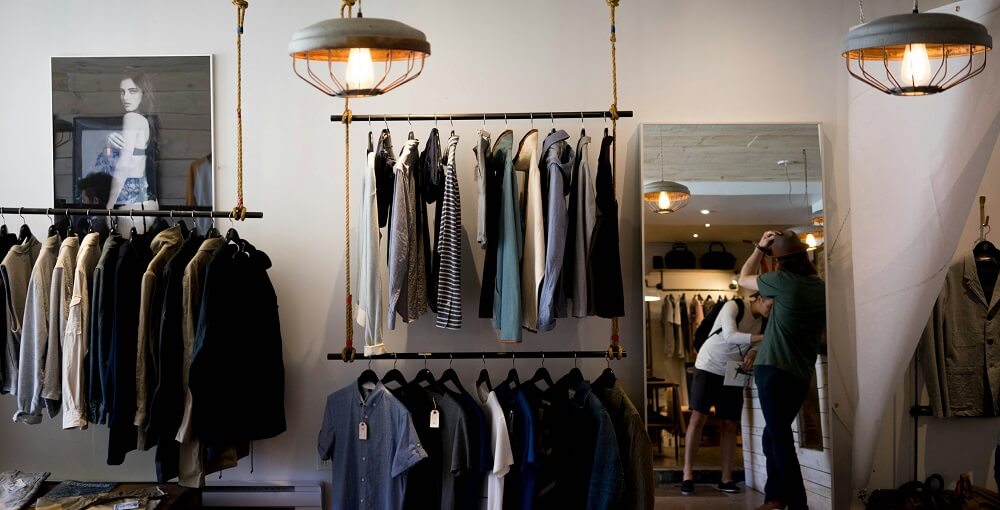
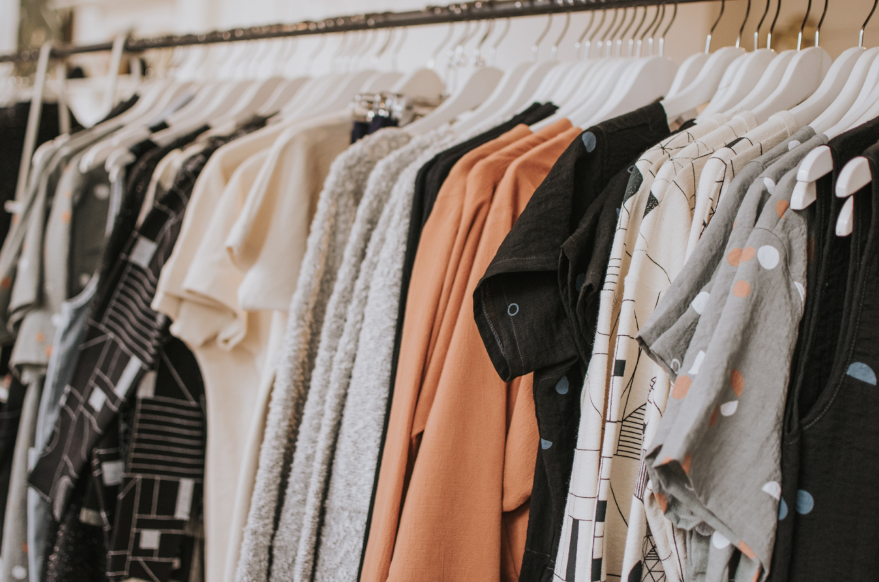
rail with clothes hanging

That creates an enormous textile waste problem. WRAP’s Valuing Our Clothes research estimated that hundreds of thousands of tonnes of UK clothing end up in landfill every year, with the ‘wear it once’ culture driving increasing volumes of nearly-new garments into the bin. Even when clothes are donated, a sizeable share can’t find a second home and ends up exported, incinerated or dumped.

Around a quarter of adult wardrobes in the UK contain clothes that haven’t been worn for over a year.

The people who pay the price

Alongside the environmental cost is an ethical one. Fast fashion brands rely heavily on garment workers in lower-income countries who are paid low wages and often work without basic rights like safe conditions, clean water, regulated hours, or the ability to organise. Most consumers making a quick purchase online have no visibility into that side of the supply chain at all.

As the harms of fast fashion have become more widely reported, a growing number of activists, researchers, petitioners and brands have stepped in to raise awareness and direct shoppers towards a more considered way of buying. That push is what gave rise to the slow fashion movement.

What slow fashion is

Slow fashion is sustainability in a single unified movement, conscious and considered by design. The term was coined by researcher Kate Fletcher in a 2007 article for The Ecologist, which drew a direct parallel with the slow food movement. Fletcher, based at the Centre for Sustainable Fashion at London College of Fashion, argued that speed itself was a core driver of the industry’s damage. Slowing it down wasn’t about nostalgia. It was about aligning production and consumption with the realities of supply chains, resources and human labour.

Slow fashion is the direct opposite of fast fashion. It stands for designing, making and buying garments for quality and longevity. It favours slower production schedules, fair wages, lower carbon footprints and, ideally, zero waste. Designers working in a slow fashion model create timeless pieces built to last, and they consider the full product life cycle: the materials used, the human labour involved, and the intended life of the garment on the wearer’s back.

Like slow living, slow fashion is holistic. It focuses on purpose rather than pace. It pushes back against the default cultural settings of ‘more is more’ and ‘faster and cheaper are better’ and asks a harder question: what does this piece need to do, and how long should it last?

Organic cotton growing in a field

How to shop more slowly

Slow fashion is less about rules and more about habits. Six practical shifts that make a real difference to how a wardrobe behaves over time.

The 30 wears test

The slow fashion movement is about getting the most out of your wardrobe: wearing pieces in different ways, time and again. One of the simplest ways to adopt the mindset is the 30 wears test, launched by Livia Firth through her Eco-Age consultancy. The #30wears campaign proposes a single question to ask before any new purchase: will I wear this at least 30 times?

The campaign isn’t an instruction to stop buying clothes. It’s a nudge to think about clothes as investments rather than disposable entertainment. That single mental check filters out an enormous amount of impulse buying before it happens, and it directly reduces landfill waste and carbon footprint.

Donate your unwanted clothes

One person’s clear-out is another person’s wardrobe addition. Donating clothes to family, friends or a local charity shop gives items a second life and keeps them out of landfill. It also scratches the ‘something new’ itch without adding to the supply of virgin clothing.

A useful habit is one-in, one-out: every time you buy something new, donate or pass on something already in your wardrobe. It keeps the volume of what you own steady and forces you to think twice before each purchase.

Look after your clothes so they last longer

A piece from a slow fashion brand usually costs more, and that price tag tends to make you care for it more carefully. It’s also likely to be higher quality, made from better materials, in a workplace where employees are treated well. Engineered to last decades if you let it.

How you treat your clothes is the single biggest factor in how long they last. Cashmere can last a lifetime if you store and wash it properly. Denim keeps its colour longer if you wash it inside out and less frequently. A little effort on care routines pays off in years of extra wear.

Buy the right materials

If you’re unsure what to buy, stick to natural fabrics you’ve heard of: wool, silk, linen, organic cotton and hemp. Synthetic fabrics are produced in labs using chemicals derived from petroleum. They’re not biodegradable, and they shed microfibres every time you wash them, sending plastic directly into rivers and oceans.

Tencel and other closed-loop cellulose fibres are the exception worth knowing about. They’re semi-synthetic, made from wood pulp, and they perform well without the fossil fuel footprint of polyester or nylon.

Shop vintage

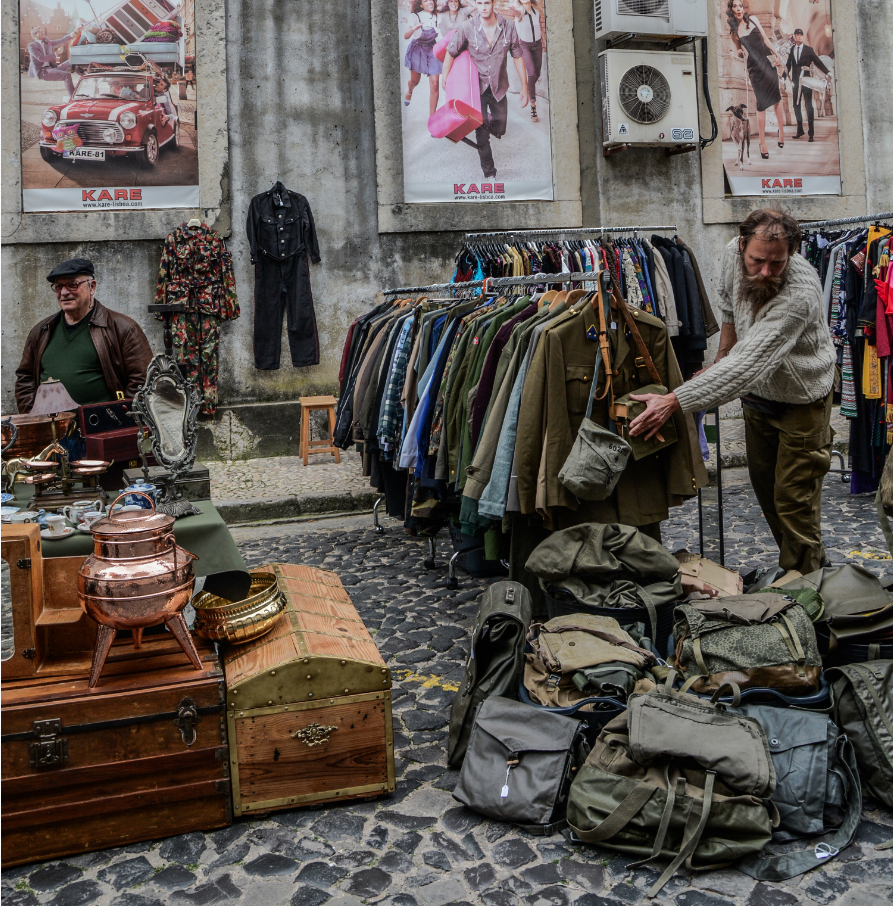
Vintage clothes are stylish, affordable and often more interesting than anything in a current high street rail. If you want to shop more slowly, a vintage or second-hand shop is one of the lowest-impact places to start. Every new item of clothing has a substantial carbon footprint attached to its manufacturing, while the energy needed to produce vintage clothing is effectively zero. Vintage plays a real role in reducing the industry’s reliance on new fibre production, dyeing and bleaching.

Mend and make do

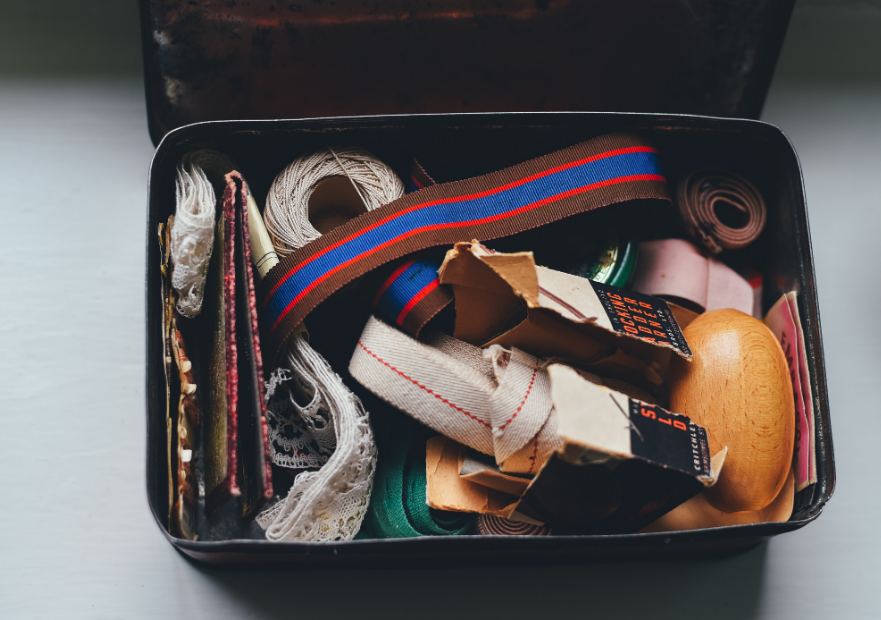
In the 1940s, the Make Do and Mend campaign encouraged people to repair their clothes when they ripped or when buttons came loose. That was a wartime rationing measure, but the underlying idea translates directly to slow fashion. A small tear or a missing button is almost always fixable.

If you don’t have the time or the skills for a sewing machine, pay a professional to do it. A local tailor or alterations service can extend the life of a garment for a tiny fraction of the cost of replacing it. Repairing should be the default move, not a fallback.

Progress, not perfection

Slow fashion isn’t a set of commandments. It’s a way of relating to your wardrobe that treats clothes as things worth caring about. Buy less. Buy better. Wear things for longer. Mend what you can. Donate what you don’t wear. Shop vintage when you need something new. None of it requires a complete lifestyle overhaul.

For more on the broader picture, read our guides to why sustainable fashion costs more and eco swaps for fashion.

Every brand in the Apparel and Style category on Ziracle has passed the same standard: kind to the people making the clothes, transparent about materials and supply chain, built to last longer than a season. For brands with verified ethical and environmental credentials, filter by Fair Trade or B Corp.

Ready to shop? Browse the Clothing edit and pick pieces you’ll wear at least thirty times.

FAQs

What’s the real difference between fast fashion and slow fashion?

Speed, cost and lifespan. Fast fashion is designed to move from catwalk idea to wardrobe in weeks, at the lowest possible cost, with trend turnover measured in weeks rather than seasons. Slow fashion reverses all three variables: longer design cycles, higher unit costs that reflect fair wages and better materials, and pieces designed to be worn for years. The trade-off is that slow fashion items cost more at checkout. The pay-off is a lower cost per wear, less landfill waste, and better supply chain practices.

Is slow fashion just about buying expensive clothes?

No. Vintage, secondhand, rental and extending the life of clothes you already own are all part of slow fashion, and all are often cheaper than fast fashion over the lifetime of the wardrobe. The core principle is ‘buy less, wear more,’ not ‘buy premium.’ A thirty-wear shift in how often you use what you already own does more for both your wallet and the environment than upgrading every item to a certified ethical brand.

How do I know if a brand is actually slow fashion or just greenwashing?

Look for specifics, not slogans. Named factories, published supply chains, certifications you can verify (GOTS, Fair Trade, B Corp, OEKO-TEX), smaller collection sizes with longer lead times, and repair or take-back programmes. Brands that publish where their clothes are made, pay a documented living wage, and release fewer collections per year are doing the work. Brands that describe themselves as ‘conscious’ or ‘eco’ without backing it up with specifics usually aren’t.

What’s the 30 wears test?

A single question to ask before any new purchase: will I wear this at least 30 times? Launched by Livia Firth through Eco-Age, it’s designed to filter out impulse buying and reframe clothing as an investment rather than entertainment. The thirty-wear threshold is low enough to be realistic for most wardrobe pieces and high enough to rule out trend-driven items that will be dated within a season. If you can’t picture yourself wearing it thirty times, it’s probably not worth buying.

What are the most sustainable fabrics to buy?

Certified organic cotton, linen, hemp and Tencel sit at the top of most fibre assessments for their combination of durability, low water use (in the case of linen and hemp), and absence of pesticides or heavy chemical processing. Recycled wool and recycled cotton avoid the environmental cost of new fibre production. Avoid virgin polyester, nylon and acrylic where possible: they’re fossil-fuel-derived and shed microplastics in every wash.