
Before you Buy: The One Word that Matters
Fermented foods genuinely help your gut, but only the living ones. The benefit comes from the active bacteria the fermentation creates, so the whole game is buying a product that still has them. A 2021 Stanford study published in Cell put healthy adults on a fermented-food diet for ten weeks and saw their gut microbiome diversity rise and inflammation fall, with 19 inflammatory markers dropping. A high-fibre diet, in the same study, did not lift diversity the same way. Living fermented food does something specific.
Which is why the label word to look for is unpasteurised, sometimes written as raw or live. “Just look for non-pasteurised versions,” says Dr Jenna Macciochi, immunologist at the University of Sussex, “pasteurisation kills the live microorganisms.” A shelf-stable, heat-treated or vinegar-pickled kimchi tastes fine and does nothing for your gut. A chilled, unpasteurised one is the real thing. Everything the Fermented Foods range stocks is genuinely fermented and unpasteurised, which does the hard part of the checking for you.
The only word that matters on the jar is unpasteurised, and everything else is flavour.
Food first, as ever: you do not need a probiotic pill if you are eating the real thing, and a few spoonfuls of live kimchi does more than most capsules. If you want the fuller picture on why, our guide to what gut health actually means and the Gut Health edit go deeper.
The Best Organic Kimchi and Fermented Foods, by what you want
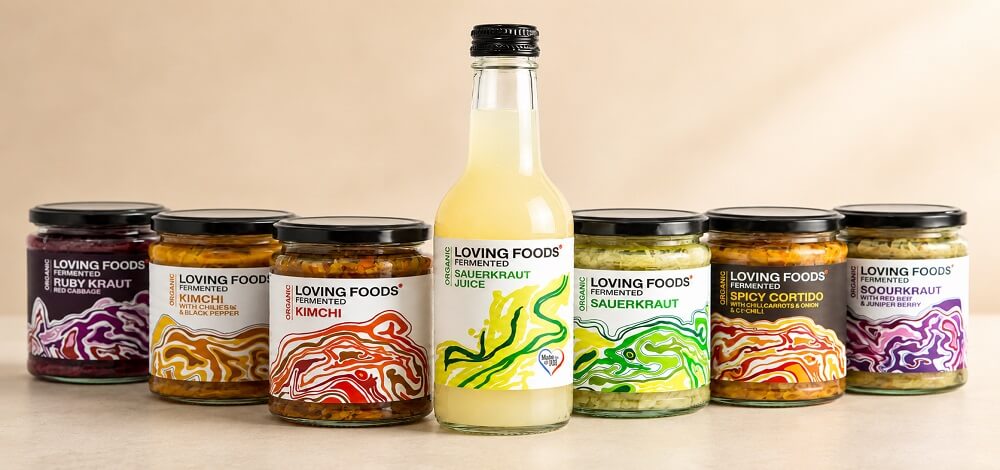
Every pick below is organic, unpasteurised and live. Start with one, and build variety over time, since a mix of ferments feeds a wider range of gut microbes than any single jar.
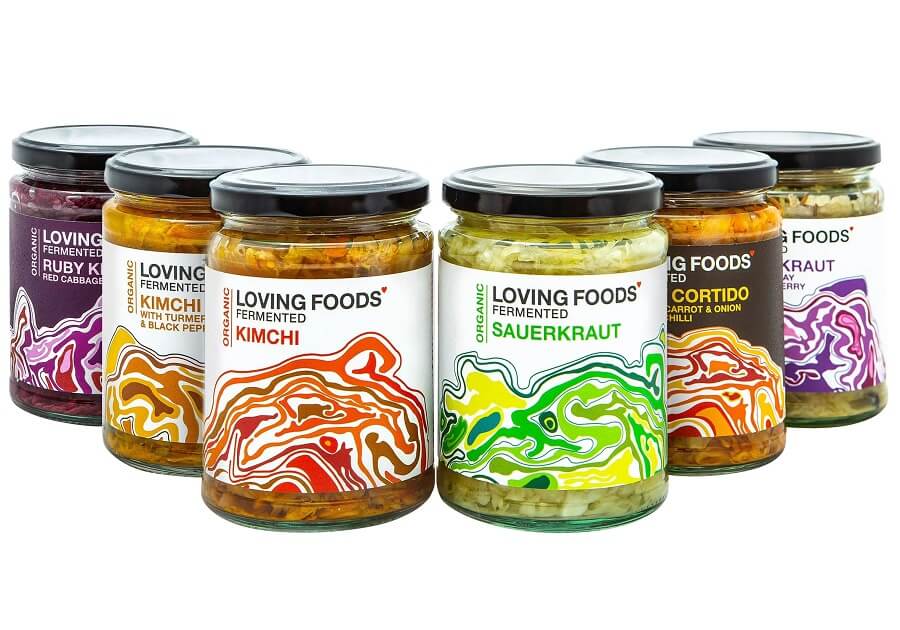
Best organic kimchi: Organic North Kimchi Mixed Case (£22.31). A case of proper unpasteurised, organic kimchi, the direct answer to the search that brought you here. Buy this if kimchi is what you actually want: spicy, complex, and alive, with enough in a case to make it a daily habit rather than a one-off jar.
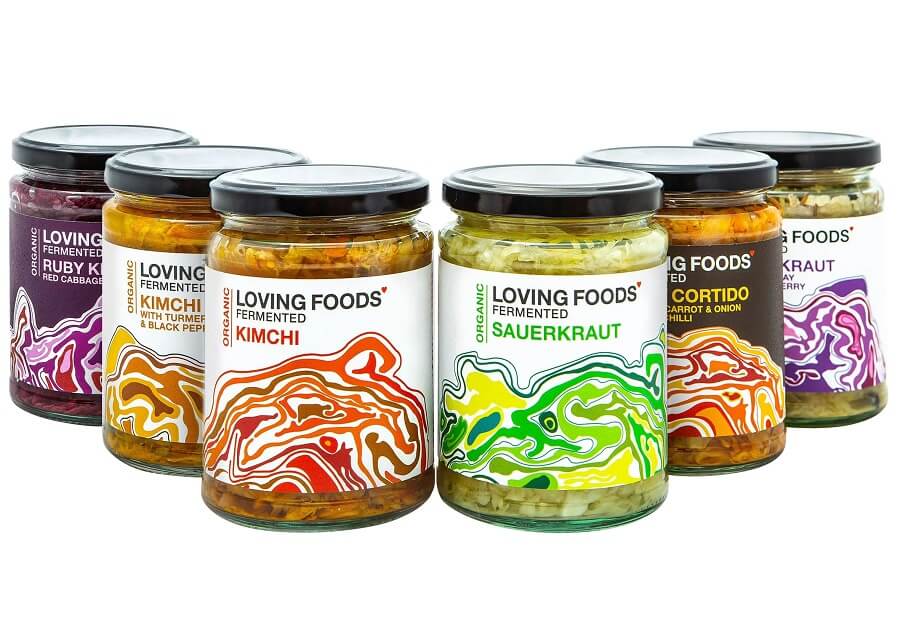
Best everyday sauerkraut: Organic Sauerkraut, Caraway & Juniper Berry (£6.99). The low-effort daily option. Milder than kimchi, a spoonful on the side of almost anything, and the cheapest way to get live cultures in every day. Buy this if you want the habit without the heat.
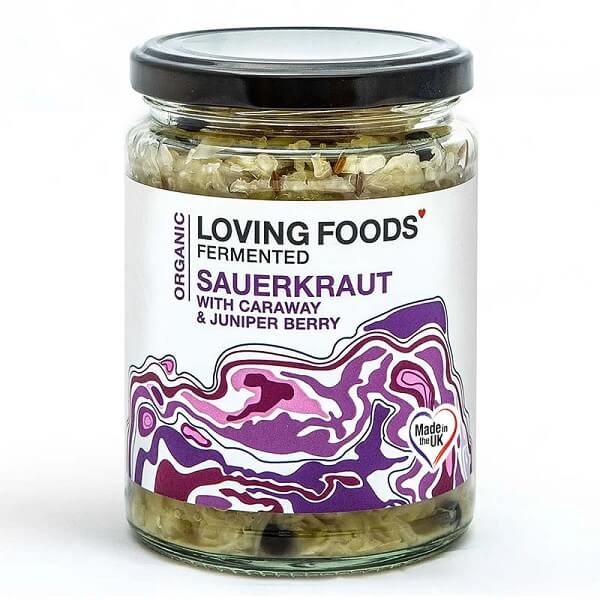
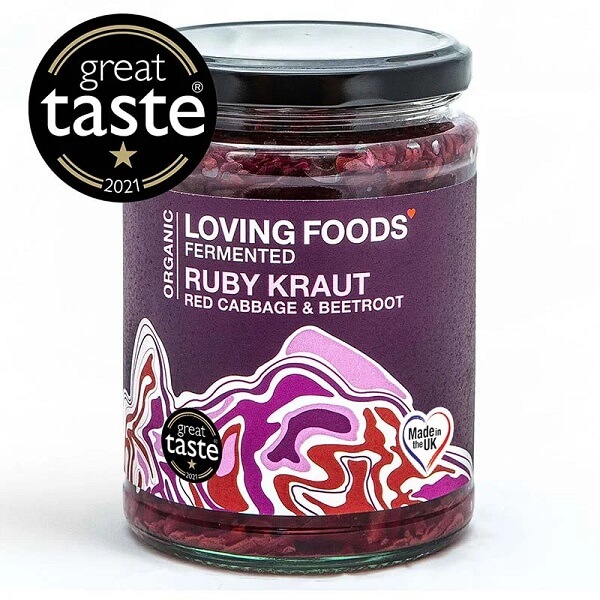
Best for beginners: Organic Ruby Kraut (£6.99). Fermented red cabbage and beetroot, gentler and slightly sweeter, and a good gateway if strong ferments have put you off before. Buy this if you are easing in.
Best spicy alternative to kimchi: Organic Spicy Cortido Kraut (£6.99). A Latin American style ferment with chilli and oregano, for people who want the kick of kimchi with a different flavour. Buy this to keep variety in the fridge.

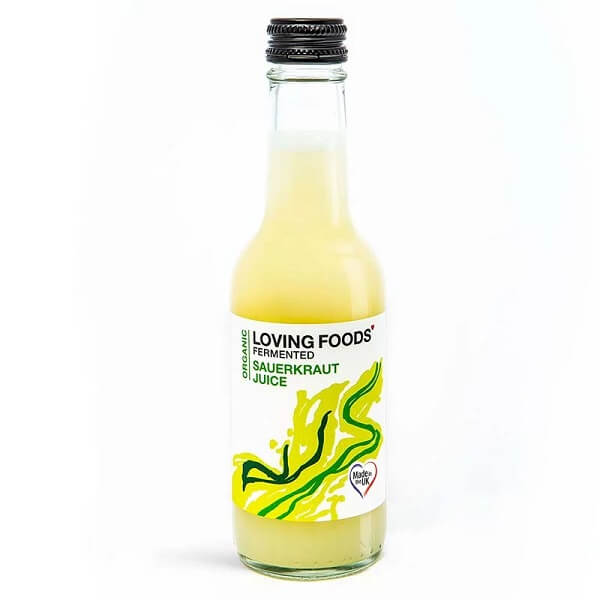
Best low-commitment starter: Organic Sauerkraut Juice (£2.99). A small brine “gut shot” if you are not sure you will eat a whole jar, and the exact kind of vegetable brine drink the Stanford study included. Buy this to test the waters for the price of a coffee.
Best for trying everything: Fermented Vegetables Mixed Case (£39.99). Kraut and kimchi together, the efficient way to build the variety that actually moves the needle. Buy this if you already know you are in.
How to Choose, and How to Eat It
Four checks separate a gut-friendly ferment from a decorative one. It must say unpasteurised, raw or live, not pasteurised. It should be sold chilled, because live products live in the fridge, not on a warm shelf. Organic is worth prioritising here, since you are eating the whole vegetable and its skin. And short ingredients, vegetables, salt, spices, beat a long list with added vinegar or preservatives, which usually means the cultures are gone.
Then go slow. Live ferments can cause a bit of bloating or wind at first while your gut adjusts, so start with a tablespoon a day rather than a bowlful, and build up. A daily spoonful of one ferment is a fine start; the bigger gains in the research came from variety and larger regular servings over weeks, not from one heroic portion. This is a habit, not a cleanse, and it doubles as a lever for your immune system, since most of your immune cells live in your gut, which is why the Support Immunity edit overlaps with this one.
Frequently Asked Questions
Yes, as long as it is unpasteurised and sold chilled, which means the live bacteria are intact. Pasteurised or shelf-stable kimchi has been heat-treated and no longer contains living cultures, so it is really just a spicy pickle. Check the label says raw, live or unpasteurised, and that you found it in the fridge.
Start with about a tablespoon a day and build up as your gut adjusts, since live ferments can cause temporary bloating at first. Variety matters more than volume, so rotating between kimchi, sauerkraut and a brine drink does more than a large serving of one. A small daily portion is a realistic, sustainable target.
Both are excellent, and the honest answer is to eat both. Kimchi is spicier and more complex, sauerkraut is milder and cheaper for an everyday habit, and eating a range of ferments feeds a wider set of gut microbes than committing to one. Whichever you choose, the only thing that matters for your gut is that it is unpasteurised.