That tight, squeaky feeling after a shower isn’t your skin getting clean. It’s your skin getting stripped. Traditional bar soap is often strongly alkaline, and the search for a “natural” one doesn’t fix that on its own, because natural is a word about marketing, not about pH. A hand-poured artisan bar can still be harsh, and a plain supermarket-adjacent one can be kind.
So the useful way to shop Soaps and Cleansers isn’t to chase the most natural-sounding bar. It’s to match the bar to your skin: glycerin-rich and gentle for most people, fragrance-free for sensitive skin, and a softer wash-bar format if traditional soap has always left you dry. Get that right and a bar beats bottled shower gel on plastic, cost and, often, kindness.
Before You Buy Anything: Most Skin is Fine, Some Soap is not
For most people, a well-made vegetable soap bar is a good, low-waste way to wash, and cheaper than bottled gel. The problem isn’t bars in general, it’s the harsh ones. Traditional soap tends to sit high on the pH scale, which lifts away the skin’s slightly acidic protective layer, and prolonged use of the strongest ones is what leaves skin dry and irritated.
“Prolonged use of soaps and surfactants can have a negative impact on the skin barrier,” notes Dr Anjali Mahto, consultant dermatologist and author of The Skincare Bible, who recommends gentler, pH-considerate cleansing especially for dry or sensitive skin. That doesn’t mean avoid bars. It means choose the ones formulated to be kind, and if your skin is reactive, take the advice more seriously than the branding.
A good bar leaves skin comfortable, not squeaky.
The Picks, Sorted by Your Skin and the Job
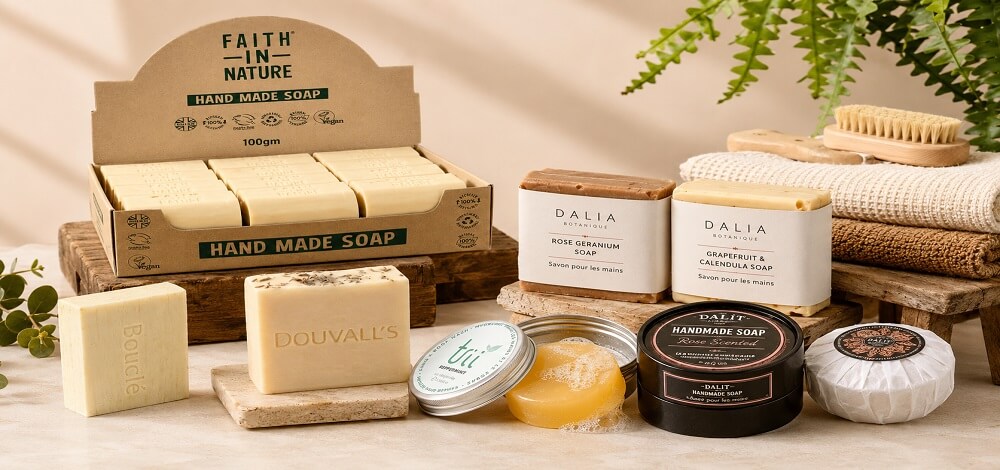
Everything below is verified in stock and chosen for how kind it is, not how natural it sounds. Ziracle’s soap range leans heavily on Faith in Nature, so a couple of picks share it, and the list spreads across Bouclé, trii, Douvalls, Dalia Botanique and So Just Shop. Prices and stock were checked at the time of writing.
Best everyday vegan bar: Faith in Nature Grapefruit & Orange Soap Bar, £3.49. A glycerin-rich vegetable soap that cleans without the tight after-feel, vegan and plastic-free, at a price that makes switching from shower gel easy. The sensible default for skin with no particular complaints.
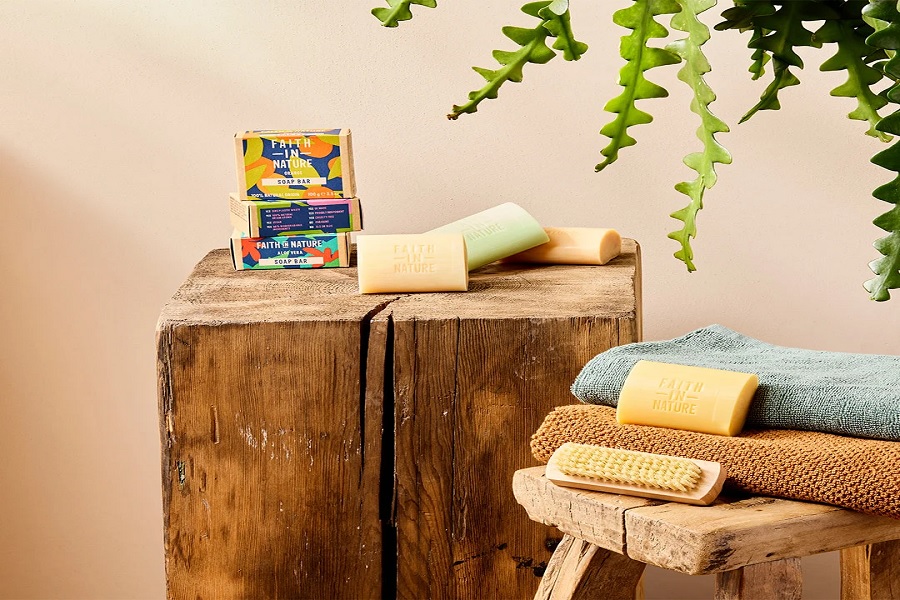
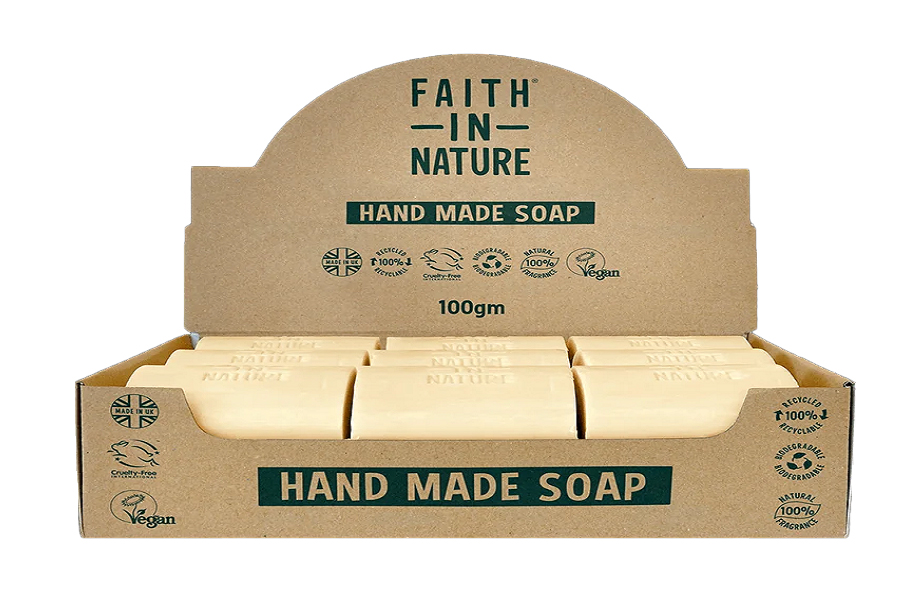
Best for sensitive skin: Faith in Nature Box of 18 Unwrapped Fragrance Free Soaps, £48. Fragrance is the most common trigger for reactions, so a fragrance-free bar is the safe pick for sensitive or eczema-prone skin. Buying the unwrapped box of 18 also drops the price to under £3 a bar and the packaging to almost nothing.
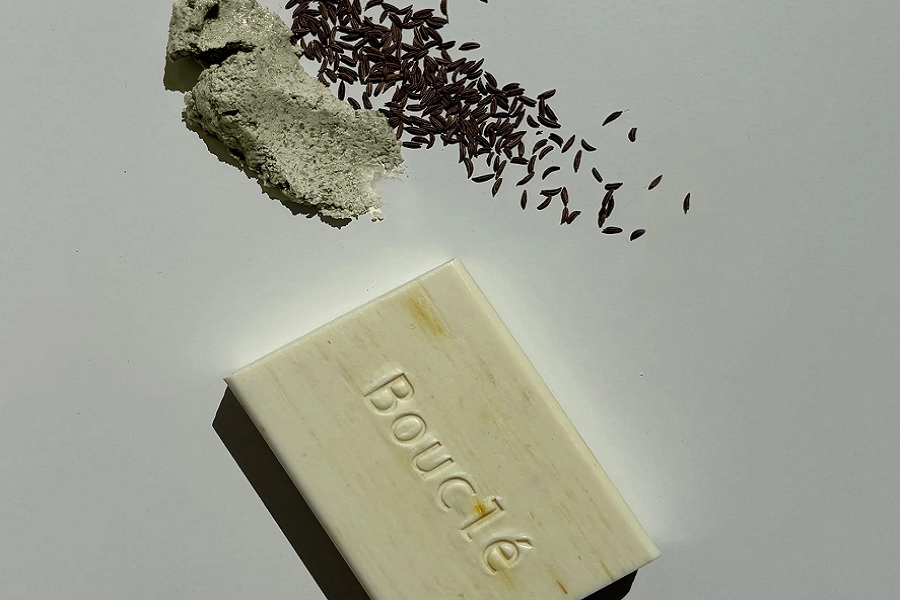
Best for dry skin: Bouclé Carrot Seed & Shea Butter Soap Bar, £7.75. Shea butter adds back some of the oils a wash removes, so this British botanical bar suits skin that tends to feel tight. A step up in price and in nourishment.
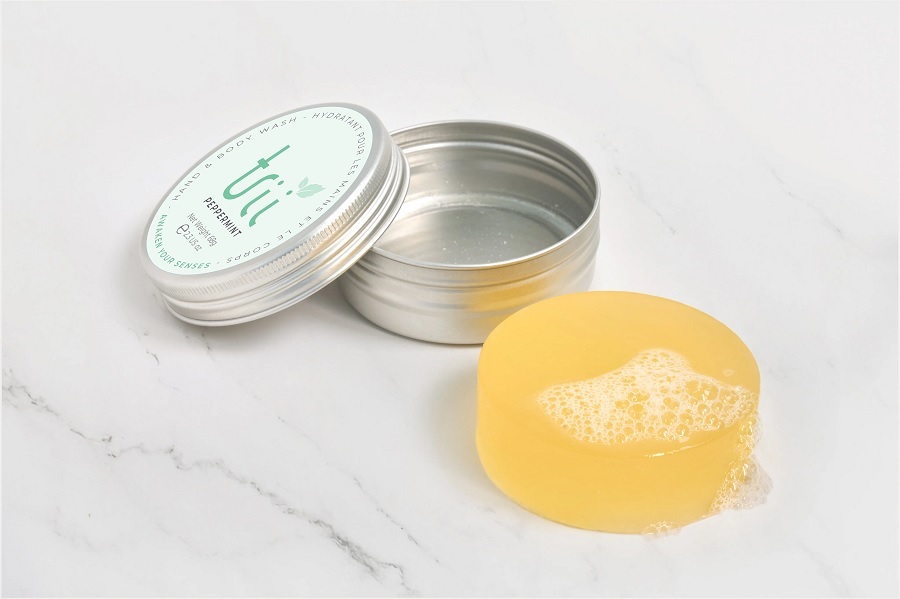
Best gentler format: trii Peppermint Hand & Body Wash Bar, £8. A solid body-wash bar rather than a traditional soap, which usually means a milder, closer-to-skin formula that many people find less drying. The pick if classic soap has never quite agreed with you.
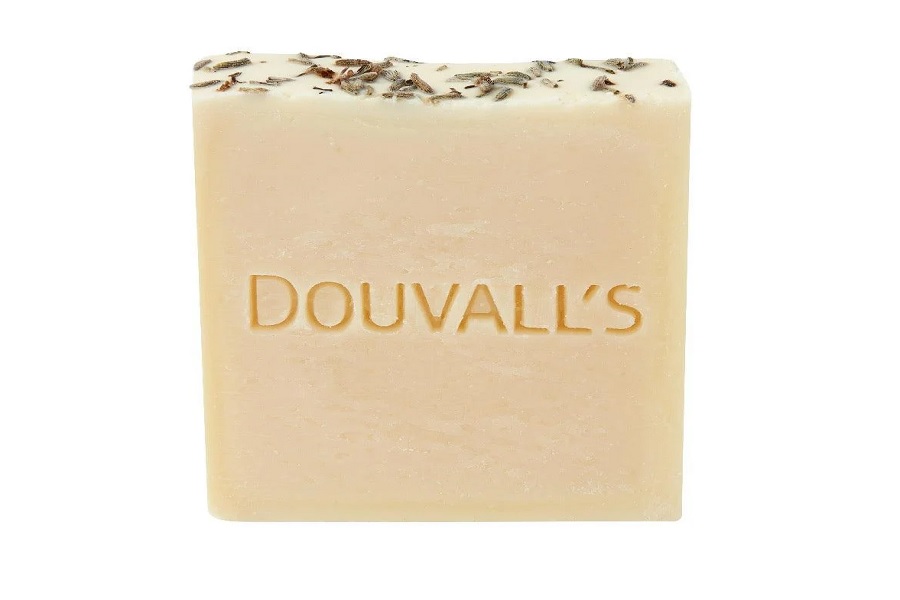
Best nourishing luxury: Douvalls Organic Argan & French Lavender Soap, £11. Argan oil makes this a richer, more moisturising bar, from a brand that reinvests in the communities it sources from. A treat bar that still earns its place on skin.
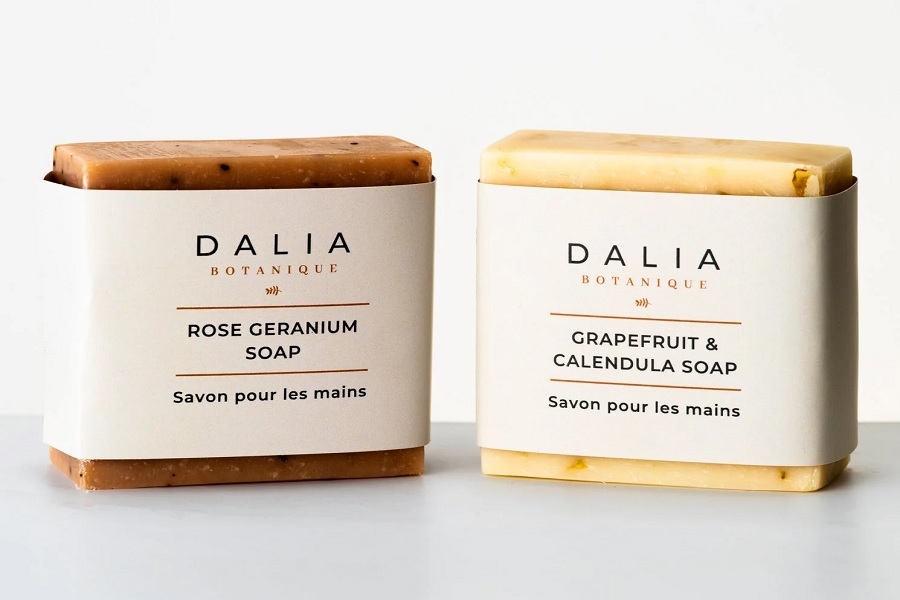
Best handcrafted: Dalia Botanique Handcrafted Botanical Soap, £6. A small-batch British bar with calendula, for anyone who wants the artisan version without leaving the kindness to chance. Botanical, plainly listed, and gentle.
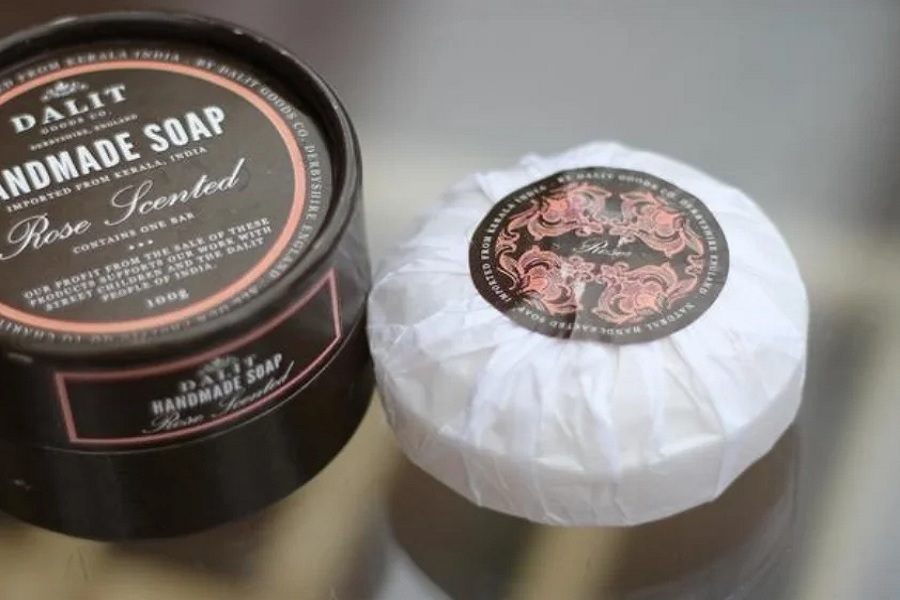
Best fair-trade gift: So Just Shop Rose Scented Soap, £4.99. An artisan bar from a fair-trade social enterprise, which makes it as good to give as to use. Scented, so one for skin that tolerates fragrance.
What “Natural” Leaves Out: pH, Palm Oil and Fragrance
Three things the word natural won’t tell you decide whether a bar is worth buying. The first is how gentle it is: look for glycerin-rich vegetable soaps or milder wash bars over the harshest traditional ones, and if your skin is sensitive, fragrance-free. The second is palm oil, common in cheap soap and worth avoiding or choosing certified-sustainable, which the better bars will state plainly. The third is fragrance, lovely on tolerant skin and the first thing to drop if yours reacts.
None of this rules out a scented, hand-poured bar if your skin is happy. It just means reading the ingredients, not the adjective. If you prefer liquid, refillable options like Raindrop’s foaming soap refills cut the plastic the same way a bar does.
So What Should You Buy?
Match the bar to your skin, then let the ethics follow. Most people can reach for a glycerin-rich vegetable bar and be happy. Sensitive or eczema-prone skin should start fragrance-free; dry skin wants shea or oils added back; and anyone who has never got on with soap should try a gentler wash-bar format before giving up on the idea. A bar that leaves your skin comfortable is doing its job, whatever the label calls it.
Get that right and a soap bar is one of the easiest low-waste swaps there is, kinder to your skin and to the bin than a bottle of gel. The rest of the Healthy Skin edit is chosen on the same terms.
Buy the bar that leaves your skin comfortable, not the one that sounds the most natural.
FAQs
Often, and it depends on the bar. A well-made, glycerin-rich soap bar cleans effectively and skips the plastic bottle, and many are gentler than they used to be. But traditional soap can be strongly alkaline and drying, so the bar matters more than the format. For sensitive or dry skin, choose a fragrance-free or a milder wash-bar formula rather than the harshest traditional soap.
Some do. Strongly alkaline soaps can lift away the skin’s protective acidic layer and leave it tight, which dermatologists including Dr Anjali Mahto link to a weakened skin barrier over time. The fix is the formula, not avoiding bars: glycerin-rich vegetable soaps, shea-enriched bars for dry skin, and fragrance-free options for sensitive skin are far less likely to strip.
No. Research has repeatedly found that ordinary bacteria on a shared bar don’t transfer to your skin in any meaningful amount during washing. A bar rinsed and left to drain dry is perfectly hygienic for home use, and it avoids the plastic bottle and the preservatives that liquid formulas need.