

Veo and Wearth are now Ziracle. Same mission, better platform. See what's new

The Plastic-Free Living Guide (without the guilt)

It is clear that plastic pollution needs immediate action but it can be overwhelming knowing where to start. So we're sharing some easy ways you can get involved in Plastic-Free July this month!

Lydia Oyeniran

MSc Fashion Analytics, London College of Fashion (UAL)

Published : July 13, 2021

Updated : April 28, 2026

by Hamish Lawson
8 min read
||||

The headline number that is supposed to motivate you is the 2017 figure from the Ellen MacArthur Foundation, which projected that on current trends the oceans could contain more plastic than fish by weight by 2050. Most people absorb the statistic, feel the appropriate spike of dread, and then do nothing differently. The information itself is rarely the problem. The problem is that dread does not convert to habit change, and guilt-driven perfectionism collapses within a month.

This guide is the alternative approach. Reducing plastic is not a moral purity project. It is a set of small behavioural shifts, each one of which would barely show up on its own, but which compound into something meaningful across a year. Nobody becomes zero-waste. Most households can reasonably cut between 30% and 60% of the plastic they currently throw away without sacrificing anything that actually matters to them. That is the productive target, not a spotless bin.

The single honest fact that makes the case

The same Ellen MacArthur Foundation report found that globally, only 14% of plastic packaging is collected for recycling after use. The rest escapes into the environment, goes to landfill, or gets incinerated. Recycling, taken at face value, solves about one-seventh of the problem.
Credit: Ocean Bottle | veo.world/oceanbottle

This is why the single most effective thing you can do is not recycle more. It is use less of the packaging in the first place. Reuse beats recycle, every time. A glass jar used a hundred times, a fabric bag used weekly for two years, a refillable bottle used for a decade – these remove the disposal problem from the equation rather than trying to solve it after the fact.

The rest of this guide is the practical version of that principle, in the categories where most household plastic actually lives.

Do one week of noticing before you change anything

Before you swap anything, spend a week paying attention to where plastic enters your home. Not obsessively. Just enough to build a mental map.
Credit: Unicorn Grocery Manchester

Most people discover that the bulk of their household plastic comes from three or four specific places. Food packaging, mainly from the weekly supermarket shop. Cleaning products and toiletries. Takeaway and food delivery containers. The occasional big category like nappies or cat litter.

Knowing which categories are your largest is what makes the next step manageable. There is no sense in obsessing over a single plastic toothbrush a month if the real volume in your bin is coming from grocery shopping. The categories are not all equal.

Keep it simple: for seven days, notice what you throw away and group it roughly. A mental audit is fine. A literal list in your phone is better.

Start with the one category that matters most in your house

Trying to switch everything at once is how almost everyone gives up. Behaviour-change research is consistent: adding one new habit at a time and letting it become automatic before adding the next is roughly twice as likely to stick than trying to overhaul multiple categories simultaneously.

Pick the category your week of noticing identified as largest. For most people that is one of three:

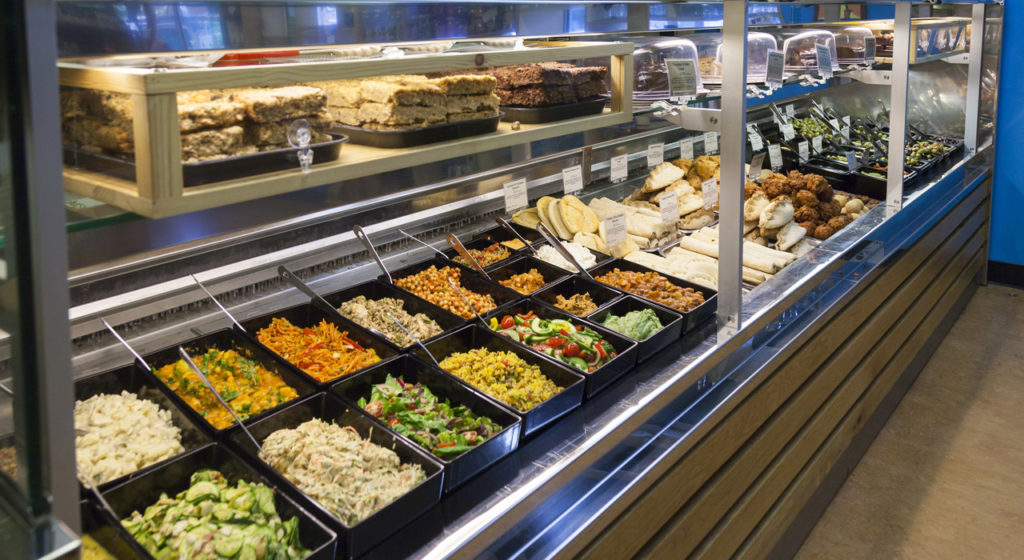
Food shopping. The shift here is buying loose rather than packaged where your supermarket allows it, taking your own bags and containers for the counters that will use them, and finding one or two local refill options for dry goods like pasta, rice, oats, and lentils. Most UK towns now have at least one refill shop. The Ethical Consumer directory lists them; so does a Google search for “refill shop [your town]”.

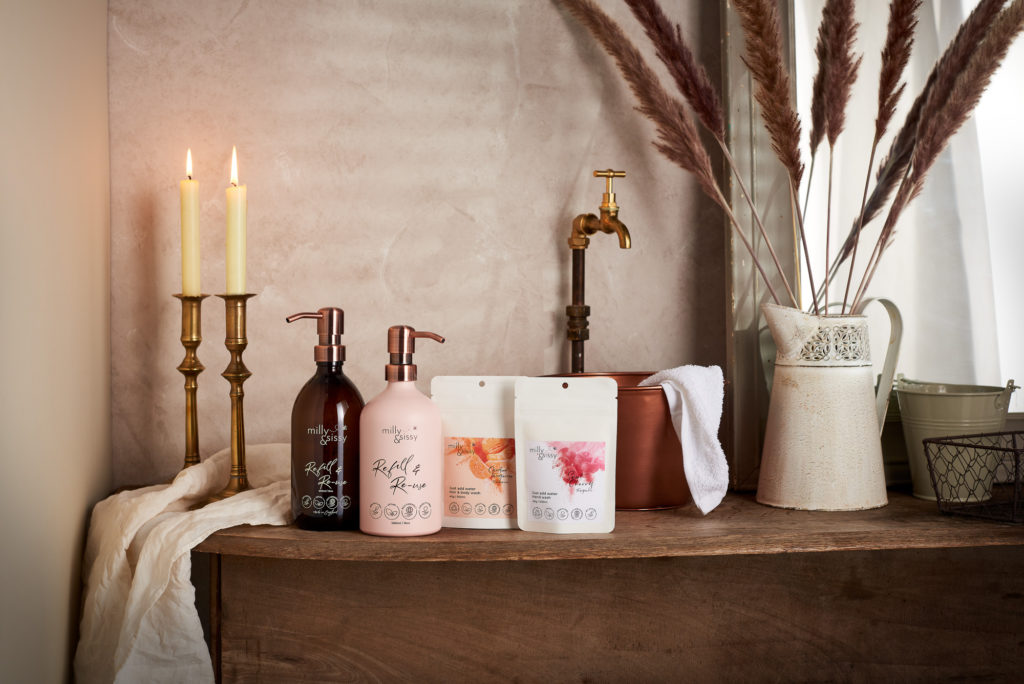
Cleaning products and toiletries. The refill shift is most developed here. Most major UK supermarkets now stock concentrated cleaning products (Ecover, Method, Smol) where you reuse one bottle and top up with water. Shampoo bars, conditioner bars and solid soaps replace plastic bottles one-for-one. Refillable aluminium deodorants replace plastic roll-ons. None of these require a research project. They just require buying the refill version the next time the current one runs out.

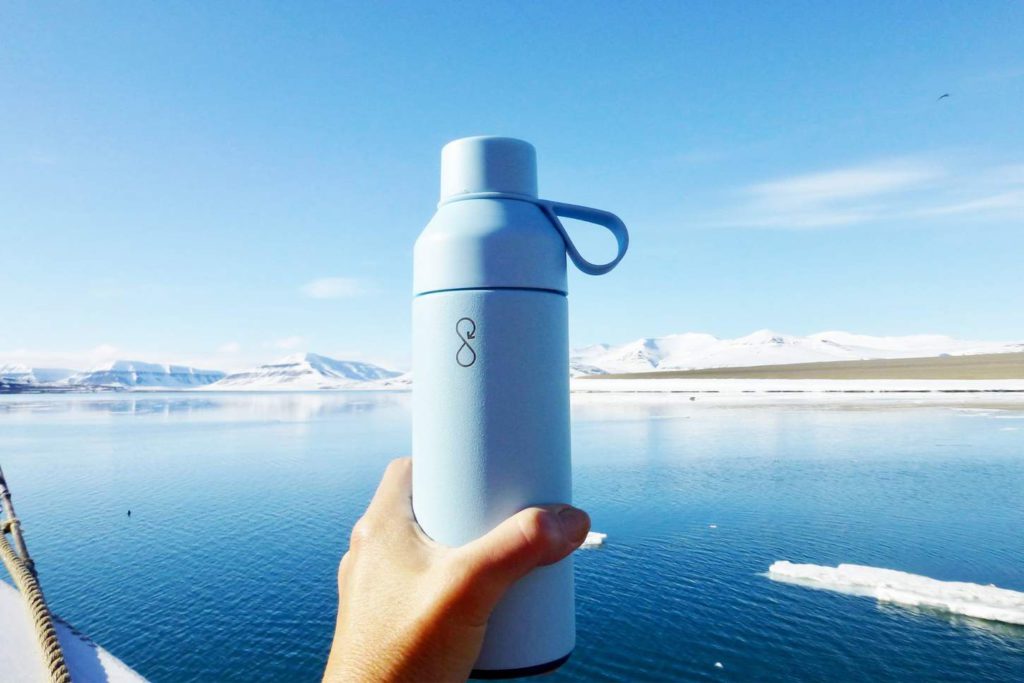
Water and drinks. A single reusable water bottle, used daily for a year, replaces hundreds of single-use bottles. A reusable coffee cup does the same for takeaway coffees. The carbon payback on both typically sits around twenty uses, which is a fortnight for most people.

Pick the category most relevant to your week’s audit. Commit to the swap for a month. Move on only when the first one is automatic.

Use what you already own before you buy new

Plastic containers you already own are not the enemy. The environmental cost of making them has been paid. Throwing them away to buy a “plastic-free” alternative is worse than keeping and reusing them.
Credit: Milly & Sissy | veo.world/millyandsissy

A used ice cream tub is a free food-storage container. A passata jar with a good seal is a free spice jar. A shampoo bottle with a pump mechanism is a free refillable soap dispenser if you buy bulk hand soap. The Japanese concept of mottainai – the sense that it is a shame to waste the useful life in something – captures the principle better than most sustainability slogans.

The rule of thumb: only buy a purpose-made reusable when the thing it replaces is actually worn out, when you genuinely do not have a workable substitute, or when the new item will be used so often that the upfront cost pays back quickly. For most households, the reusable items that clearly meet this test are: one good water bottle, one good coffee cup, two or three cloth shopping bags, and a few beeswax food wraps. Everything else, use what you have.

Find one refill option locally, use it for a month

The single most effective habit-forming step is establishing one refill routine you actually maintain. For most households, that means locating a local refill shop – or a refill section at the local supermarket – and using it once for one product category.

The category matters less than the establishment of the routine. Washing-up liquid. Laundry detergent. Olive oil. Pasta. Lentils. Shampoo. Whichever you use most. Buy a bottle or container from the shop, or bring one from home, and do the refill once. Then bring it back next time.

DEFRA research on household waste shows that refill-based buying reduces household packaging waste by a meaningful margin, and that most people who start refilling for one category add others within six to twelve months. The second category is easier than the first. By the third, it is the default rather than the novelty.

Learn the plastic codes, but do not rely on them

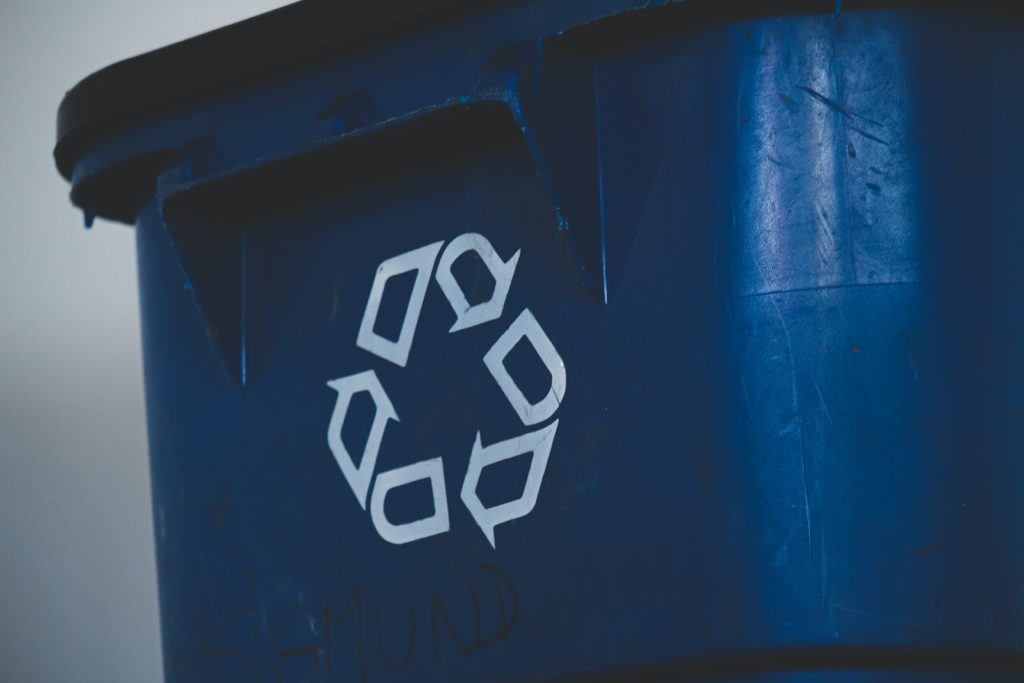
The resin identification code on plastic packaging – the number from 1 to 7 inside the triangle of arrows – tells you which type of plastic it is. In theory this tells you what recycles and what does not. In practice, only two of the seven reliably recycle at UK scale.
Credit: Sigmund

PET (code 1, drinks bottles, clear food packaging) recycles well. HDPE (code 2, milk bottles, detergent bottles) recycles well. Polypropylene (code 5) is increasingly collected kerbside but recycles less cleanly. The rest – PVC, LDPE, polystyrene, mixed plastics – almost never recycle in practice, according to the 2024 Big Plastic Count survey by Greenpeace UK and Everyday Plastic, which estimated that only around 17% of UK household plastic is actually recycled, with the majority being incinerated.

The practical upshot: when you do have to buy plastic, choose codes 1 or 2 where possible. But recognise that the recycling symbol on most other plastics is the manufacturer’s aspiration, not the council’s capability. For the longer explanation, see our biodegradable, compostable, recyclable guide.

What good looks like after a year

A realistic end state after twelve months of slow, non-dramatic change for most households:

A reusable water bottle, coffee cup, and three or four cloth shopping bags, used consistently. One local refill routine established and maintained – usually cleaning products, sometimes toiletries, occasionally dry food. Solid-bar replacements for a few of the bathroom products that used to come in bottles. A handful of food-shopping habits that cut the weekly plastic – buying loose fruit and veg where available, bringing containers to the butcher or cheese counter, skipping the thin produce bags.

Not zero plastic. Nowhere near it. But reliably 30 to 60% less plastic in the weekly bin, with no ongoing mental effort because the habits have settled into routines. That is the honest, sustainable version of plastic-free living.

Where to start on Ziracle

Every brand in our Refills and Reusables edit has been chosen for the same reason: the packaging is either designed to be used hundreds of times or designed to disappear cleanly at the end of life. Filter by Plastic Free for the zero-plastic options, Refillable for the systems that top up rather than replace, or Reusable for items built to last thousands of uses.

For the habit-level changes that extend this across other categories of household consumption, see our zero waste swaps guide.

If you are starting with the kitchen or bathroom, Clean Home is the goal page to bookmark for products that do not hide packaging problems behind marketing claims.

FAQs

Is reusable really better when you count the carbon cost of making it?

For almost every reusable item, yes, once you have used it a few dozen times. The carbon payback on a reusable cotton bag typically sits around twenty to forty uses versus a single-use plastic bag. A stainless steel water bottle pays back within a couple of weeks of regular use compared with buying bottled water. The exception is items you buy and barely use. A cupboard of unused reusables is worse than buying single-use, precisely because the manufacturing carbon was wasted. Buy only what you will actually use consistently.

What about bioplastics like PLA – are they better?

Sometimes, in narrow circumstances. Compostable plant-based plastics like PLA can return to soil in industrial composting facilities (at around 58°C), but not in a home compost or a general-waste bin. If your council collects food waste and accepts bioplastics in it, compostable packaging is a meaningful improvement. If it does not, the compostable plastic performs similarly to conventional plastic in the actual waste stream.

How do I handle people who make comments about my reusables?

You do not, mostly. The social friction around sustainable behaviour is usually imagined rather than real. A reusable coffee cup or water bottle is unremarkable in 2026. A refillable shampoo bottle raises no eyebrows at the supermarket. If anyone does comment, a brief factual answer and a subject change works fine. This is not a debate you need to win.

Can I really go fully plastic-free?

Almost nobody does, and the people who try usually burn out within six months. Fully plastic-free living in the UK in 2026 excludes most supermarkets, most pharmacies, and a significant fraction of the modern food supply. The productive target is reducing unnecessary plastic, which is usually 30 to 60% of what a household currently throws away. The last 40% is structural and mostly outside individual control. That is what collective action, producer-responsibility policy, and the extended producer responsibility reforms coming into force in 2025-27 are for.

Where should I start if I only change one thing?

A reusable water bottle, used daily in place of any single-use bottles you would otherwise buy. It is the single swap with the best ratio of easy-to-adopt to waste-reduced for most people, and the habit it builds (noticing when you are about to buy single-use and choosing not to) transfers to almost every other category.


Deepen your understanding of metabolic health and longevity in our dedicated wellness series.

Explore Live Sustainably

Lydia Oyeniran

MSc Fashion Analytics, London College of Fashion (UAL)

Lydia Oyeniran is a researcher, writer, and product development lead at CircKit, the circular design toolkit for fashion. She holds an MSc with Distinction in Fashion Analytics and Forecasting from London College of Fashion, University of the Arts London, where her dissertation built an AI-powered recommender system for mindful consumption. She spent over four years as senior marketing executive at Veo World, the ethical marketplace that became Ziracle, where she wrote many of the articles now in the Journal. She writes about gut health, skincare, sustainable materials, plastic-free living, meditation, diet culture, and eco-friendly home products.

READ NEXT

The Plastic-Free Living Guide (without the guilt)

The headline number that is supposed to motivate you is the 2017 figure from the Ellen MacArthur Foundation, which projected that on current trends the oceans could contain more plastic than fish by weight by 2050. Most people absorb the statistic, feel the appropriate spike of dread, and then do nothing differently. The information itself is rarely the problem. The problem is that dread does not convert to habit change, and guilt-driven perfectionism collapses within a month.

This guide is the alternative approach. Reducing plastic is not a moral purity project. It is a set of small behavioural shifts, each one of which would barely show up on its own, but which compound into something meaningful across a year. Nobody becomes zero-waste. Most households can reasonably cut between 30% and 60% of the plastic they currently throw away without sacrificing anything that actually matters to them. That is the productive target, not a spotless bin.

The single honest fact that makes the case

The same Ellen MacArthur Foundation report found that globally, only 14% of plastic packaging is collected for recycling after use. The rest escapes into the environment, goes to landfill, or gets incinerated. Recycling, taken at face value, solves about one-seventh of the problem.

Credit: Ocean Bottle | veo.world/oceanbottle

This is why the single most effective thing you can do is not recycle more. It is use less of the packaging in the first place. Reuse beats recycle, every time. A glass jar used a hundred times, a fabric bag used weekly for two years, a refillable bottle used for a decade – these remove the disposal problem from the equation rather than trying to solve it after the fact.

The rest of this guide is the practical version of that principle, in the categories where most household plastic actually lives.

Do one week of noticing before you change anything

Before you swap anything, spend a week paying attention to where plastic enters your home. Not obsessively. Just enough to build a mental map.

Credit: Unicorn Grocery Manchester

Most people discover that the bulk of their household plastic comes from three or four specific places. Food packaging, mainly from the weekly supermarket shop. Cleaning products and toiletries. Takeaway and food delivery containers. The occasional big category like nappies or cat litter.

Knowing which categories are your largest is what makes the next step manageable. There is no sense in obsessing over a single plastic toothbrush a month if the real volume in your bin is coming from grocery shopping. The categories are not all equal.

Keep it simple: for seven days, notice what you throw away and group it roughly. A mental audit is fine. A literal list in your phone is better.

Start with the one category that matters most in your house

Trying to switch everything at once is how almost everyone gives up. Behaviour-change research is consistent: adding one new habit at a time and letting it become automatic before adding the next is roughly twice as likely to stick than trying to overhaul multiple categories simultaneously.

Pick the category your week of noticing identified as largest. For most people that is one of three:

Food shopping. The shift here is buying loose rather than packaged where your supermarket allows it, taking your own bags and containers for the counters that will use them, and finding one or two local refill options for dry goods like pasta, rice, oats, and lentils. Most UK towns now have at least one refill shop. The Ethical Consumer directory lists them; so does a Google search for “refill shop [your town]”.

Cleaning products and toiletries. The refill shift is most developed here. Most major UK supermarkets now stock concentrated cleaning products (Ecover, Method, Smol) where you reuse one bottle and top up with water. Shampoo bars, conditioner bars and solid soaps replace plastic bottles one-for-one. Refillable aluminium deodorants replace plastic roll-ons. None of these require a research project. They just require buying the refill version the next time the current one runs out.

Water and drinks. A single reusable water bottle, used daily for a year, replaces hundreds of single-use bottles. A reusable coffee cup does the same for takeaway coffees. The carbon payback on both typically sits around twenty uses, which is a fortnight for most people.

Pick the category most relevant to your week’s audit. Commit to the swap for a month. Move on only when the first one is automatic.

Use what you already own before you buy new

Plastic containers you already own are not the enemy. The environmental cost of making them has been paid. Throwing them away to buy a “plastic-free” alternative is worse than keeping and reusing them.

Credit: Milly & Sissy | veo.world/millyandsissy

A used ice cream tub is a free food-storage container. A passata jar with a good seal is a free spice jar. A shampoo bottle with a pump mechanism is a free refillable soap dispenser if you buy bulk hand soap. The Japanese concept of mottainai – the sense that it is a shame to waste the useful life in something – captures the principle better than most sustainability slogans.

The rule of thumb: only buy a purpose-made reusable when the thing it replaces is actually worn out, when you genuinely do not have a workable substitute, or when the new item will be used so often that the upfront cost pays back quickly. For most households, the reusable items that clearly meet this test are: one good water bottle, one good coffee cup, two or three cloth shopping bags, and a few beeswax food wraps. Everything else, use what you have.

Find one refill option locally, use it for a month

The single most effective habit-forming step is establishing one refill routine you actually maintain. For most households, that means locating a local refill shop – or a refill section at the local supermarket – and using it once for one product category.

The category matters less than the establishment of the routine. Washing-up liquid. Laundry detergent. Olive oil. Pasta. Lentils. Shampoo. Whichever you use most. Buy a bottle or container from the shop, or bring one from home, and do the refill once. Then bring it back next time.

DEFRA research on household waste shows that refill-based buying reduces household packaging waste by a meaningful margin, and that most people who start refilling for one category add others within six to twelve months. The second category is easier than the first. By the third, it is the default rather than the novelty.

Learn the plastic codes, but do not rely on them

The resin identification code on plastic packaging – the number from 1 to 7 inside the triangle of arrows – tells you which type of plastic it is. In theory this tells you what recycles and what does not. In practice, only two of the seven reliably recycle at UK scale.

Credit: Sigmund

PET (code 1, drinks bottles, clear food packaging) recycles well. HDPE (code 2, milk bottles, detergent bottles) recycles well. Polypropylene (code 5) is increasingly collected kerbside but recycles less cleanly. The rest – PVC, LDPE, polystyrene, mixed plastics – almost never recycle in practice, according to the 2024 Big Plastic Count survey by Greenpeace UK and Everyday Plastic, which estimated that only around 17% of UK household plastic is actually recycled, with the majority being incinerated.

The practical upshot: when you do have to buy plastic, choose codes 1 or 2 where possible. But recognise that the recycling symbol on most other plastics is the manufacturer’s aspiration, not the council’s capability. For the longer explanation, see our biodegradable, compostable, recyclable guide.

What good looks like after a year

A realistic end state after twelve months of slow, non-dramatic change for most households:

A reusable water bottle, coffee cup, and three or four cloth shopping bags, used consistently. One local refill routine established and maintained – usually cleaning products, sometimes toiletries, occasionally dry food. Solid-bar replacements for a few of the bathroom products that used to come in bottles. A handful of food-shopping habits that cut the weekly plastic – buying loose fruit and veg where available, bringing containers to the butcher or cheese counter, skipping the thin produce bags.

Not zero plastic. Nowhere near it. But reliably 30 to 60% less plastic in the weekly bin, with no ongoing mental effort because the habits have settled into routines. That is the honest, sustainable version of plastic-free living.

Where to start on Ziracle

Every brand in our Refills and Reusables edit has been chosen for the same reason: the packaging is either designed to be used hundreds of times or designed to disappear cleanly at the end of life. Filter by Plastic Free for the zero-plastic options, Refillable for the systems that top up rather than replace, or Reusable for items built to last thousands of uses.

For the habit-level changes that extend this across other categories of household consumption, see our zero waste swaps guide.

If you are starting with the kitchen or bathroom, Clean Home is the goal page to bookmark for products that do not hide packaging problems behind marketing claims.

FAQs

Is reusable really better when you count the carbon cost of making it?

For almost every reusable item, yes, once you have used it a few dozen times. The carbon payback on a reusable cotton bag typically sits around twenty to forty uses versus a single-use plastic bag. A stainless steel water bottle pays back within a couple of weeks of regular use compared with buying bottled water. The exception is items you buy and barely use. A cupboard of unused reusables is worse than buying single-use, precisely because the manufacturing carbon was wasted. Buy only what you will actually use consistently.

What about bioplastics like PLA – are they better?

Sometimes, in narrow circumstances. Compostable plant-based plastics like PLA can return to soil in industrial composting facilities (at around 58°C), but not in a home compost or a general-waste bin. If your council collects food waste and accepts bioplastics in it, compostable packaging is a meaningful improvement. If it does not, the compostable plastic performs similarly to conventional plastic in the actual waste stream.

How do I handle people who make comments about my reusables?

You do not, mostly. The social friction around sustainable behaviour is usually imagined rather than real. A reusable coffee cup or water bottle is unremarkable in 2026. A refillable shampoo bottle raises no eyebrows at the supermarket. If anyone does comment, a brief factual answer and a subject change works fine. This is not a debate you need to win.

Can I really go fully plastic-free?

Almost nobody does, and the people who try usually burn out within six months. Fully plastic-free living in the UK in 2026 excludes most supermarkets, most pharmacies, and a significant fraction of the modern food supply. The productive target is reducing unnecessary plastic, which is usually 30 to 60% of what a household currently throws away. The last 40% is structural and mostly outside individual control. That is what collective action, producer-responsibility policy, and the extended producer responsibility reforms coming into force in 2025-27 are for.

Where should I start if I only change one thing?

A reusable water bottle, used daily in place of any single-use bottles you would otherwise buy. It is the single swap with the best ratio of easy-to-adopt to waste-reduced for most people, and the habit it builds (noticing when you are about to buy single-use and choosing not to) transfers to almost every other category.
Leave a Comment