
The fashion industry has a long way to go on sustainability. A collective addiction to rock-bottom prices and fleeting trends has produced a fast fashion culture that’s damaging the planet at an alarming rate, and the people making the clothes alongside it.
The numbers are hard to argue with. The UK Parliament Environmental Audit Committee’s landmark Fixing Fashion report set out the scale of the industry’s impact on carbon emissions, water use and waste, and called for urgent policy intervention. The Government rejected all eighteen recommendations at the time. In May 2024, the Committee revisited the inquiry, finding that the UK has the G20’s fourth highest carbon footprint from fashion and that little progress had been made on the issues the original report identified. You can make a case for the positive role fast fashion plays in making clothes accessible at lower incomes. What you can’t do is pretend the net balance is positive.
Each year around Fashion Revolution Week, the industry is held up to the light. Fashion Revolution was founded in response to the Rana Plaza garment factory collapse in 2013, which killed over 1,100 workers and injured thousands more. Over a decade on, fashion brands are still profiting from practices that go largely unregulated. During the pandemic, many major brands refused to pay garment factories for cancelled orders to reduce their own losses, which left workers unemployed and triggered the global #PayUp campaign run by Remake.
More people are thinking about what their fashion choices actually do to workers, communities and the climate. The good news is that meaningful change doesn’t require a wardrobe overhaul. It needs a handful of habit shifts. Five practical ways to buy less, choose well, and make it last.
01. Stop following trends and develop your own style
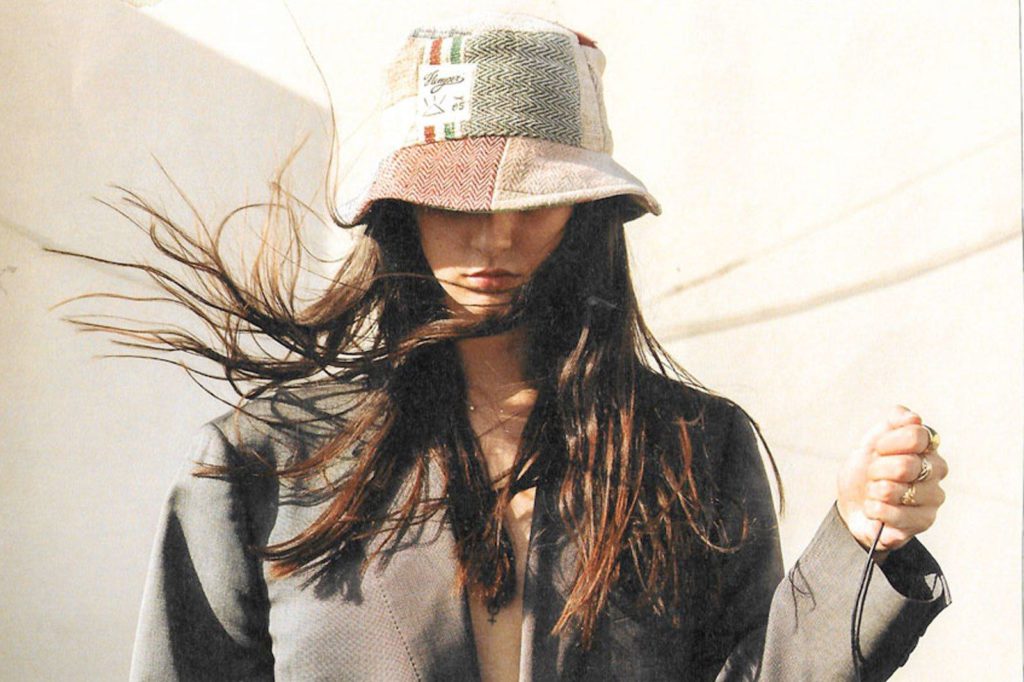
Most of the appeal of fast fashion comes from being able to wear the same trend as your friends, your favourite celebrity or an influencer. Emulating people you admire can feel empowering, especially when the likes start rolling in. But the confidence that comes from a unique look you’ve built yourself doesn’t disappear with the next drop.
Developing your own style delivers two things at once. You feel more comfortable in what you wear, and you stop spending money on clothes you’ll throw away the moment the trend has moved on. A strong personal style is a natural hedge against the churn of the trend cycle. It also tends to lead to more interesting outfits than anything a fast fashion shelf can offer.
02. Seek out high-quality, versatile pieces
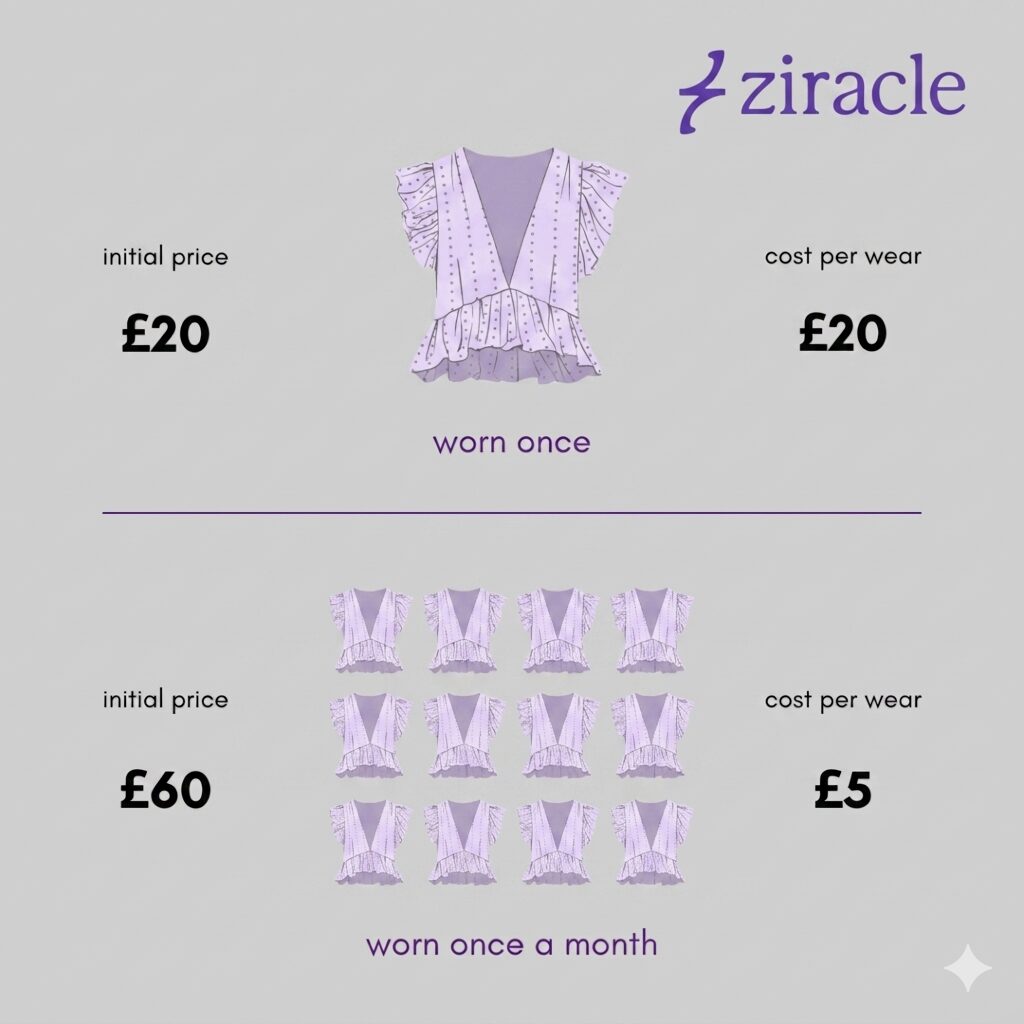
When it comes to making better fashion choices, you essentially have two options. You can spend your money on lots of low-quality pieces that are on-trend right now but cheap enough to discard once they’ve been photographed. Or you can spend a similar amount on fewer, better pieces that go with almost everything and last for years.
It’s tempting to feel like you’ve won at shopping when you walk out with a long list of cheap items. Most of those pieces end up at the back of the wardrobe within weeks. The real value is a wardrobe you can mix and match, that produces classic outfits you wear again and again, with each piece earning its place over years of wear. Browse the Clothing edit for pieces designed to last.
03. Look for environmentally-friendly materials
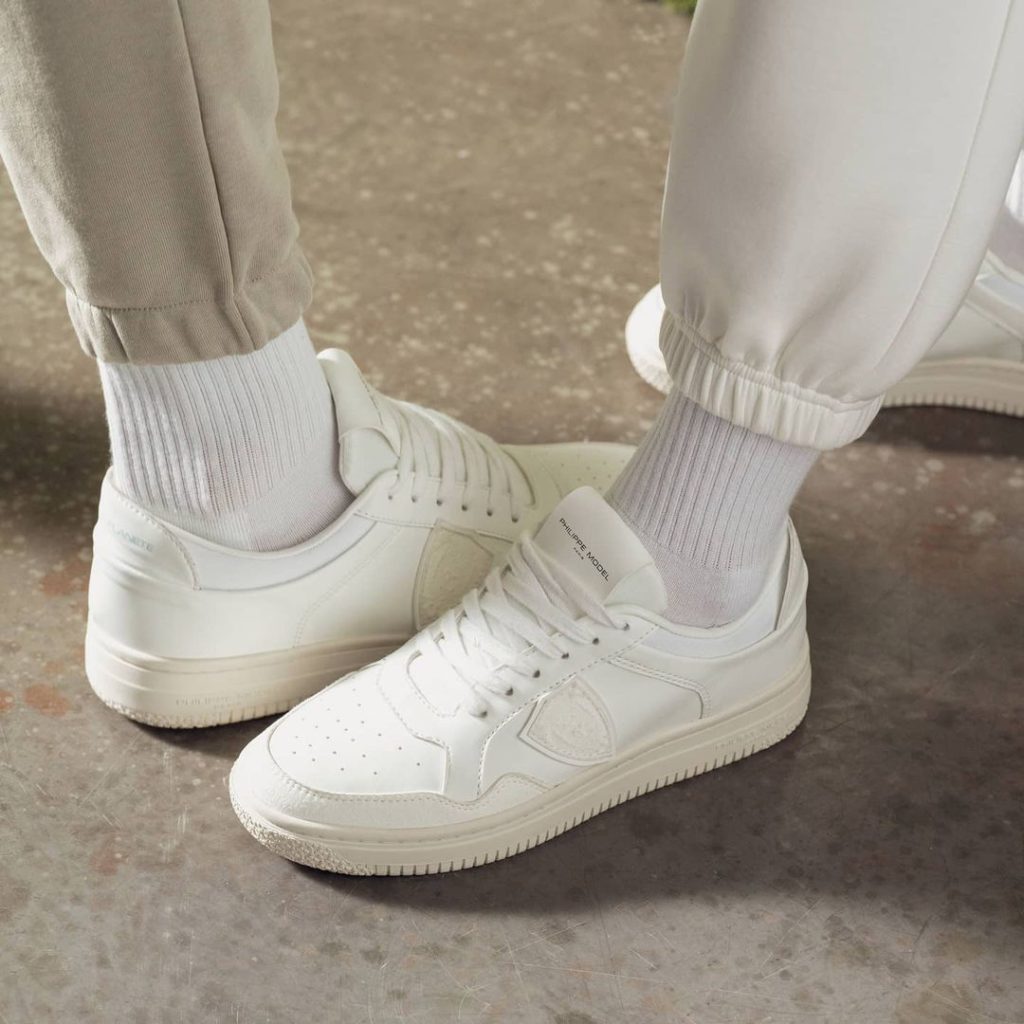
The materials in your clothes matter enormously. According to WWF’s Water and Fashion research, it takes around 2,700 litres of water to produce a single conventional cotton t-shirt — roughly the amount one person drinks in two and a half years — a figure consistent across multiple authoritative sources including the World Bank and peer-reviewed lifecycle assessments. That’s before you factor in the pesticides, synthetic fertilisers and labour conditions involved in conventional cotton production.
Avoid conventional cotton, polyester, acrylic, nylon and viscose where you can. They’re difficult to recycle, draw heavily on water and fossil fuels, and release hazardous dyes and microplastics into the environment every time you wash them. Look instead for certified Organic alternatives like organic cotton, organic hemp and organic linen, or recycled options like recycled cotton and recycled polyester (rPET). Recycled polyester is made from plastic bottles and helps keep waste out of landfill rather than generating new virgin fibre.
New biomaterials are appearing every year. Piñatex is made from pineapple leaf waste. Cactus leather is made from nopal. Wine leather is made from the skins and stalks left over from winemaking. They aren’t perfect yet, but they represent a far better direction of travel than fossil-fuel-based synthetics. For a deeper look at leather alternatives specifically, see our can leather be sustainable guide.
One cotton t-shirt takes the same amount of water to produce as one person drinks in two and a half years.
04. Take better care of the clothes you have
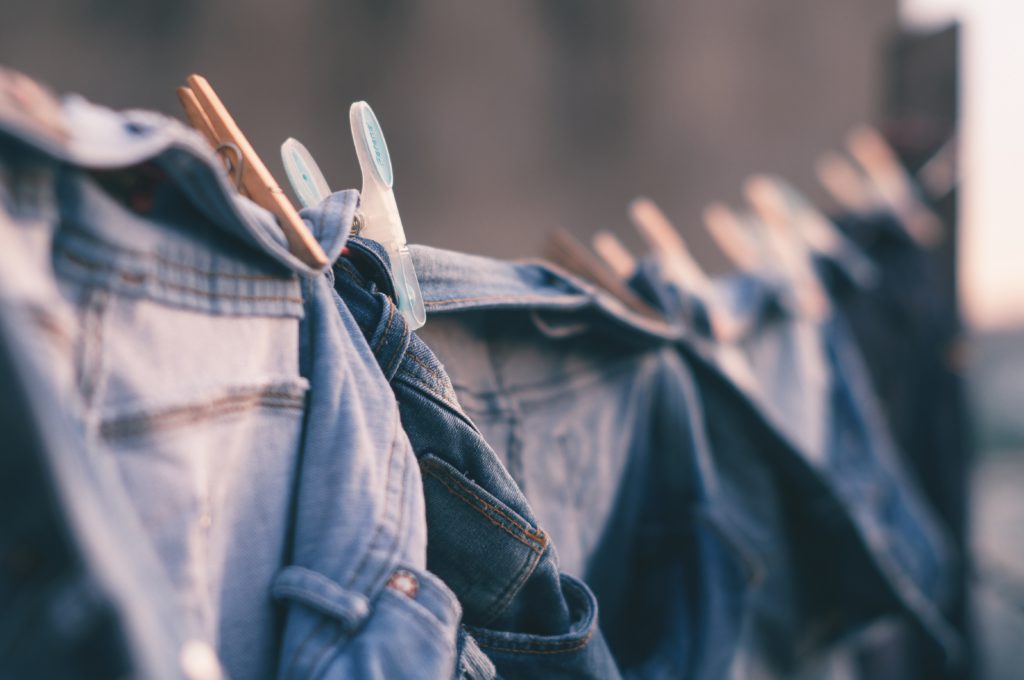
Even if you can’t replace everything in your wardrobe with eco-friendly fabrics, one thing you can always do is take better care of what you already own. Simple habits make a real difference over time.
Check the care instructions on the label and actually follow them. Wash clothes less often. Over-washing fades dyes, breaks down fibres, and releases more microplastics and detergent residues into waterways. A 2020 study in the Philosophical Transactions of the Royal Society B found that washing synthetic textiles is one of the largest sources of microplastic pollution in the ocean. Hang things to dry rather than tumbling them. Spot-clean where you can. Store clothes properly: fold knitwear rather than hanging it, use cedar instead of mothballs, rotate what you pull out of your drawers so the same pieces aren’t wearing through first.
Learn a few basic repairs. Sewing on a button, fixing a small rip, or replacing a zip are all things you can learn on YouTube in under ten minutes. If you don’t want to do it yourself, a local tailor or alterations service can extend the life of a garment for a fraction of the replacement cost. Repair should be the default, not a last resort.
05. If you must buy fast fashion, buy it second-hand

Ideally we’d all avoid fast fashion altogether. Realistically, the transition takes time. Sustainable brands can be less accessible depending on where you live, what your budget is, and what sizes and styles you need. So if you do end up buying something from a fast fashion label, avoid creating additional demand by shopping it second-hand.
There’s now a huge range of platforms for buying and reselling used clothes, from Depop and Vinted to eBay and local consignment stores. Shopping second-hand keeps products in circulation for longer, supports a circular economy, and costs less than buying new. It’s one of the easiest switches to make, and one of the highest-impact.
Progress, not perfection
Buying less and choosing well isn’t a lifestyle overhaul. It’s a handful of small habits applied consistently. Develop your own style so you’re not chasing trends. Buy fewer, better pieces. Choose materials that aren’t actively damaging. Take care of what you own. Go second-hand before you go new. Five shifts, done over time, add up to a very different wardrobe and a much smaller footprint.
For more on the broader picture, read our guide to what slow fashion actually is and our breakdown of why sustainable fashion costs more.
Every brand in the Apparel and Style category on Ziracle has passed the same standard: kind to the people making the clothes, transparent about materials and supply chain, built to last longer than a season. For brands whose materials and supply chains hold up to scrutiny, filter by Fair Trade or B Corp.
Ready to shop? Start with pieces you’ll wear at least thirty times.
FAQs
Wear what you already own for longer. WRAP’s research consistently finds that extending the active life of clothing by nine months reduces its carbon, water and waste footprints by 20 to 30%. That single change outperforms switching brands, because most of a garment’s impact is baked in at manufacture. The next most impactful shift is buying second-hand before new when something does need replacing.
Start by auditing what you already own. Note the pieces you reach for most often, and what they have in common: the fit, the fabric, the colour palette, the formality. Your existing favourites are a direct map of what works on you. Build from there, and treat new purchases as additions to that core rather than departures from it. It sounds simple, but most people never actually do it, and the ones who do stop buying into trends almost by accident.
Somewhat. Recycled polyester (rPET) uses less energy and water to produce than virgin polyester, and diverts plastic bottles from landfill. It still sheds microfibres in the wash and isn’t biodegradable. The honest framing: rPET is better than virgin polyester for any given use case, but natural fibres or Tencel are usually better than either. For activewear where synthetic properties are genuinely needed, rPET is the sensible compromise.
WWF’s estimate that one conventional cotton t-shirt requires around 2,700 litres of water to produce across its full supply chain (growing, dyeing, finishing). That’s roughly equivalent to the water one person drinks over two and a half years. Organic cotton requires meaningfully less water than conventional cotton because it’s usually rain-fed rather than irrigated. Linen and hemp need even less.
Look for specifics, not slogans. Named factories with addresses, published supply chain information, certifications you can verify (GOTS, Fair Trade, OEKO-TEX, B Corp), repair or take-back programmes, and smaller collection volumes with longer release cycles. Brands that describe themselves as ‘sustainable’ or ‘conscious’ without backing it up with documentation usually aren’t. The Fashion Transparency Index from Fashion Revolution is a useful reference for how the major brands currently score — and consistently finds that 99% of major brands still do not disclose the number of supply chain workers being paid a living wage.