Cleaning your home could be quietly harming your lungs, and not in the way the “chemical-free” aisle warns. A 20-year study found that women who cleaned with sprays regularly lost lung function faster than those who did not, an effect that in professional cleaners rivalled smoking. The problem was never “chemicals”. It was what gets sprayed into the air you breathe.
That single finding reframes the whole topic. The honest answer to how to clean your home without chemicals is that you cannot, because everything is a chemical, but you can clean with fewer irritants, far less spraying, and a much shorter shopping list. What follows takes apart the words on the bottle, sorts the real risks from the imaginary ones, and ends with the small kit that cleans a whole house. The Clean Home edit is filtered to the products that survive that sort, and there are fewer of them than the shelves suggest.
“Chemical-Free” is a Claim that cannot be True
There is no such thing as a chemical-free anything, because everything is made of chemicals, including water, air and you. The Royal Society of Chemistry made the point with money: in 2008 it offered a £1 million prize to anyone who could supply a “100% chemical-free” material. Nobody could, because nothing fits the description. The phrase is marketing, not science.
The words stacked next to it do similar work. “Natural” is not a safety rating: chlorine gas, arsenic and deadly nightshade are all natural. “Non-toxic” has no legal definition in cleaning, so it promises nothing about the ingredients or how they behave. The thing that determines whether a substance harms you is not whether it came from a plant or a plant in Teesside, it is the dose and the exposure. A gentle ingredient sprayed into a sealed room every day can irritate more than a stronger one used sparingly with a window open.
So the useful instinct is not to fear the word “chemical”, it is to read the back of the bottle and notice how you use the front of it. Which ingredients, how much fragrance, and whether it goes on as a fine mist or a wiped-on liquid matter more than any “free from” badge on the label.
You do not Need a Different Spray for every Surface
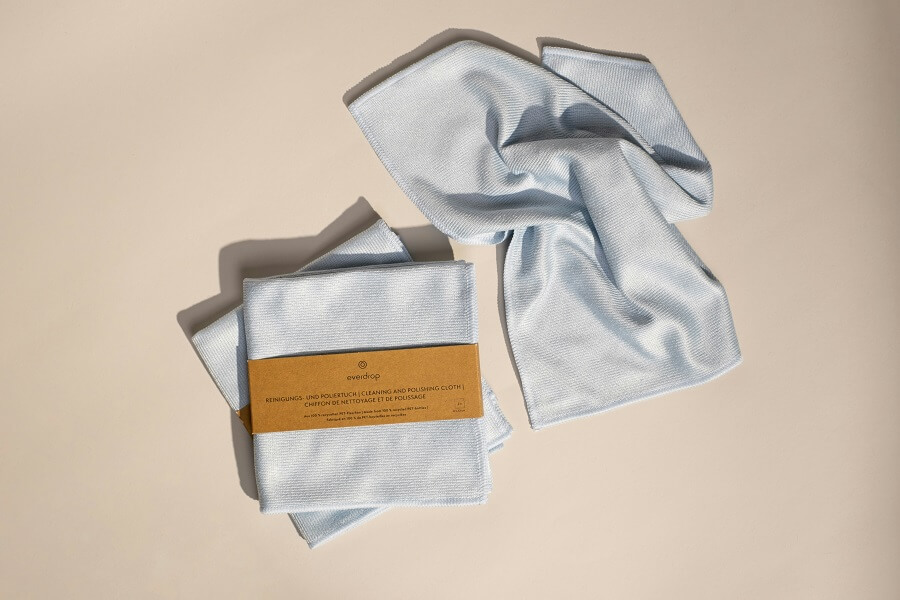
Most everyday cleaning needs no special product at all. A damp microfibre cloth and warm water lifts the large majority of everyday dirt, grease and dust, and removes much of the bacteria from a surface mechanically, by trapping and carrying it away rather than killing it in place. For a coffee table, a windowsill or a wiped-down worktop, that is the whole job.
The cupboard full of single-purpose sprays, one for glass, one for wood, one for “kitchen”, one for “bathroom”, is mostly a triumph of marketing over need. They tend to be the same handful of ingredients in different colours and scents, sold five times over. The Tools & Cloths edit is filtered to durable microfibre and brushes, which is where the actual cleaning power on most surfaces lives. Our piece on eco swaps for home goes through the rest of the cupboard cull.
“Kills 99.9% of germs” is the line that sells the sprays, and it is answering a question your living room is not asking. Disinfection matters in specific places at specific times. A side table on a Tuesday is not one of them.
What Deserves the Worry is the Air you Spray into
The genuine risk in home cleaning is respiratory, and it comes from spraying. In a 2018 study in the American Journal of Respiratory and Critical Care Medicine, researchers at the University of Bergen followed more than 6,000 people for over twenty years and found that women who cleaned at home with sprays had a measurably faster decline in lung function than those who did not. For women who cleaned for a living, the authors said the effect was only somewhat less than smoking twenty cigarettes a day for the same period.
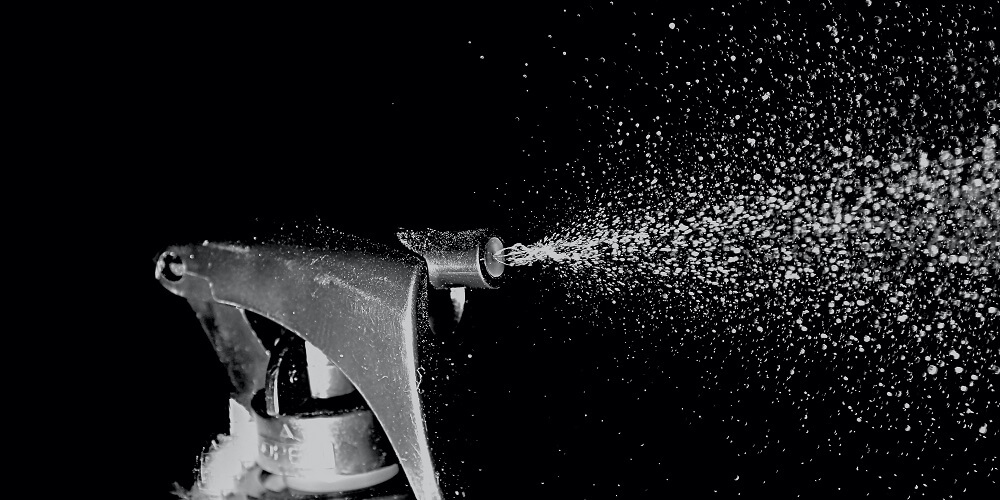
The mechanism is mundane and avoidable. A trigger spray turns cleaner into a fine mist you then breathe, where a cloth or a wiped-on liquid does not. Add heavy fragrance, which is itself a common airway irritant, and a small bathroom with the door shut, and you have built the exposure the study measured. The cleaner being “natural” makes no difference to your lungs if you are aerosolising it.
The thing worth changing is not whether your cleaner counts as a chemical, it is whether you are spraying irritants into the air you breathe.
Two changes remove most of that risk for free. Wipe cleaner on from a cloth rather than misting it into the air, and open a window while you clean and for a while after. Fragrance-free formulas help too, which is one reason the back of the bottle beats the front.
Disinfect Where it Matters, not Everywhere
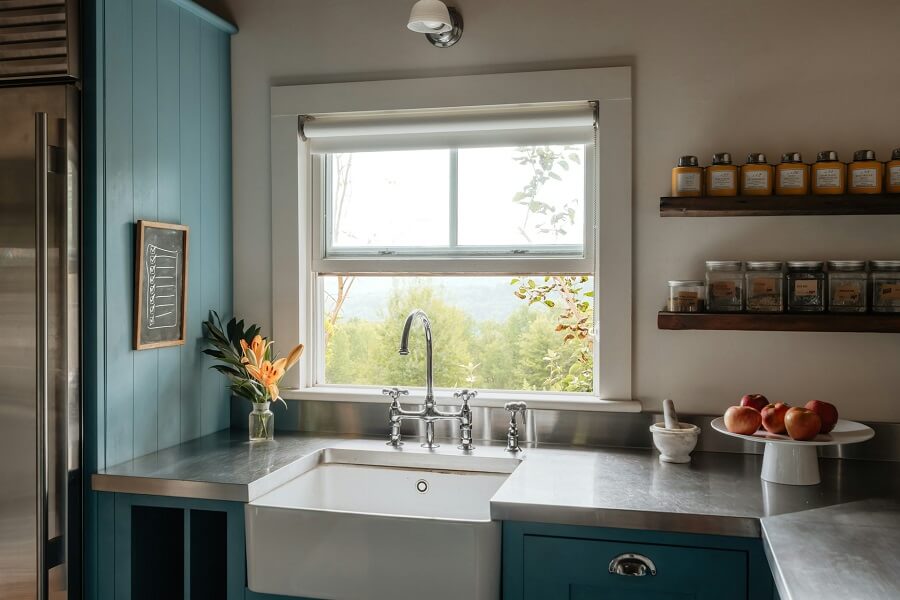
You do not need to disinfect your whole home, and trying to is the wrong target. Cleaning removes dirt and most microbes. Disinfection, killing what is left, only earns its place at a few moments: handling raw meat or poultry, caring for someone with a stomach bug or other infection, after using the toilet, and around bins and food waste. The rest of the house wants cleaning, not sterilising.
This is the idea hygiene scientists call targeted hygiene, and it is the opposite of the antibacterial-everything aisle. “To achieve change we have to blow the myth about being too clean,” says Professor Sally Bloomfield, Honorary Professor at the London School of Hygiene and Tropical Medicine and Chair of the International Scientific Forum on Home Hygiene, who has spent years arguing for cleaning the right things at the right times rather than blasting every surface with biocide. Where real hygiene matters, our Support Immunity edit overlaps with this, because not getting ill is mostly about hands and food surfaces, not living-room shelves.
Routine antibacterial sprays for general cleaning add cost and airway irritation without adding protection, and overusing biocides is its own problem. Clean broadly, disinfect narrowly.
The DIY Myths that Waste Money or Wreck your Worktops
The vinegar-and-bicarb internet is half right and half expensive mistake. White vinegar is a decent mild acid for limescale and grease, but it does not reliably disinfect, so it is not a substitute for a real disinfectant where one is needed. It is also acidic enough to etch and dull natural stone like marble, granite and limestone, and to damage some grout and finishes, so the worktop you are proud of is the one surface to keep it off.
Bicarbonate of soda is a fine gentle abrasive, but the viral trick of combining it with vinegar mostly cancels both out. An acid and a base react into water, a little salt and a satisfying fizz, and the fizz is the cleaning power leaving the building. Essential oils smell pleasant and are not disinfectants, whatever the “antibacterial” blend on the shelf implies.
One DIY rule is not a preference but a safety line: never mix bleach with vinegar, with ammonia, or with another cleaner. Bleach plus an acid releases chlorine gas, bleach plus ammonia releases chloramine, and both can send people to hospital. If you use bleach for the jobs that warrant it, use it on its own, with ventilation, and never as part of a homemade recipe.
So what is Worth Buying, and How to Choose it
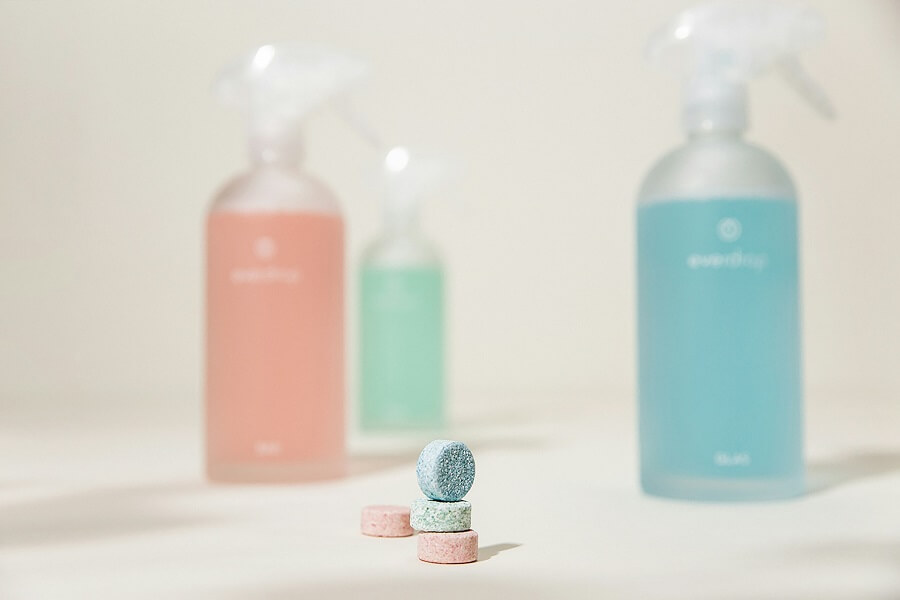
Microfibre, water and an open window do most of the work, and they cost almost nothing. That is the honest starting point, and a product is never the first move. The gap is that a few jobs need real chemistry, and buying the right few, in the right format, is what keeps the cupboard short and the air clear.
The short kit is genuinely short. A general-purpose cleaner for most surfaces, a degreaser for the kitchen, a mild acid for limescale in the bathroom and kettle, and one proper disinfectant kept for the few jobs that need it. Buy those as concentrated refills rather than a shelf of ready-mixed sprays: you cut the packaging, you cut the per-use cost, and you stop paying to ship water around the country. The Multi-Purpose and Laundry Care edits are filtered to effective concentrated formulas, and the Refillable and Plastic Free ranges are where the refill side lives.
Two criteria do the choosing. Favour fragrance-free or low-fragrance versions, especially for anything you spray, because fragrance is the most common avoidable airway irritant in the cupboard. And read the back, not the front: ignore “chemical-free”, “non-toxic” and “antibacterial” on the label, and look instead at the ingredient list and whether the format is a mist or a wipe-on.
Room by room, what each actually needs. The kitchen wants a degreaser and good hygiene at the food-prep moments, not a different spray per cupboard. The bathroom wants a mild acid for limescale and a disinfectant kept for the toilet, with the fan on or the window open. Floors, glass and general surfaces want microfibre and warm water far more often than they want a product at all.
Buy the cloths and the refill before you buy the eleventh spray. If you would rather follow a fuller swap-by-swap version, our plastic-free living guide walks through the cupboard one product at a time.
Back to the Cupboard Under the Sink
Open that cupboard again and the problem was never the chemistry, it was the quantity. A row of single-purpose sprays, most of them the same thing in different scents, sold on a fear of a word that describes water as much as bleach. The home that is genuinely cleaner and easier on you is the one with fewer bottles, less spraying, a window open while you work, and disinfection saved for the handful of jobs that earn it.
None of that is chemical-free, because nothing is. It is just less, used better, and read more carefully.
The Refillable and Clean Home edits are filtered to the concentrated, fragrance-free formulas and durable tools that clear this bar, and our guide to a plastic-free cleaning cupboard sets out the short kit in full.
Frequently Asked Questions
No, because everything is a chemical, including water and the dirt you are removing. What you can do is clean with fewer and gentler ingredients, far less fragrance, and much less spraying. Most everyday surfaces need only a microfibre cloth and warm water.
Not reliably. Vinegar is a useful mild acid for limescale and grease, but it is not a registered disinfectant, so it should not replace one where real hygiene matters. It is also acidic enough to damage natural stone like marble and granite, so keep it off those worktops.
The words themselves are unregulated and promise nothing. Plenty of natural substances are hazardous, and the dose and exposure matter more than the source. What actually makes a cleaner gentler is the ingredients, the fragrance level, and whether you spray it into the air or wipe it on.
Mostly no. Cleaning removes most microbes, and disinfection only earns its place at a few moments, around raw meat, illness, the toilet and bins. Routine antibacterial sprays for general cleaning add cost and airway irritation without adding protection.
Microfibre cloths, a general-purpose cleaner, a kitchen degreaser, a mild acid for limescale, and one proper disinfectant kept for the few jobs that need it. Buy the cleaners as concentrated refills, choose fragrance-free where you can, and open a window while you work.