Anti-pollution skincare is one of the few wellness categories where the underlying problem is genuinely serious and the marketing around it is genuinely excessive. The air in most UK cities is measurably damaging your skin, the evidence for that has been strong for well over a decade, and the industry has responded with hundreds of products, some of which do meaningful work and most of which just slap “anti-pollution” on a standard serum and raise the price. This is the version that separates them.
What pollution actually does to skin
The World Health Organization considers air pollution the single largest environmental health risk globally. The UK-specific picture is not quite as bleak as it used to be (nitrogen dioxide has fallen in most English cities since 2010) but it is still a problem. UK Government 2024 data shows London Marylebone Road exceeded the 10 µg/m³ PM2.5 target last year, and the WHO’s own guideline is half that, at 5 µg/m³. Most of the country, on that stricter measure, breathes air that is over the limit.
Skin, as the body’s largest organ and the one most directly exposed, takes the hit. The landmark 2010 Vierkötter study in the Journal of Investigative Dermatology was the first large epidemiological work linking airborne particulate matter exposure to measurable skin ageing in women. A follow-up Hüls study in 2016 found that women in high-PM areas had around 20% more pigment spots on the forehead and cheeks than those in cleaner air.
The mechanism is now well-characterised. PM2.5 particles are small enough to penetrate the skin barrier, where they generate free radicals, degrade collagen and elastin via matrix metalloproteinases, disrupt the skin’s microbiome, and erode tight-junction proteins like filaggrin. The end result, according to a 2025 review in the Annals of Dermatology, is accelerated wrinkles, pigmentation, inflammation, and a higher incidence of acne, eczema, and rosacea flares.
Two sentences worth holding onto. Pollution does not produce one new skin problem. It makes most of them worse.
Start here. The three things that actually matter
These come first, before any marketed “anti-pollution” product.
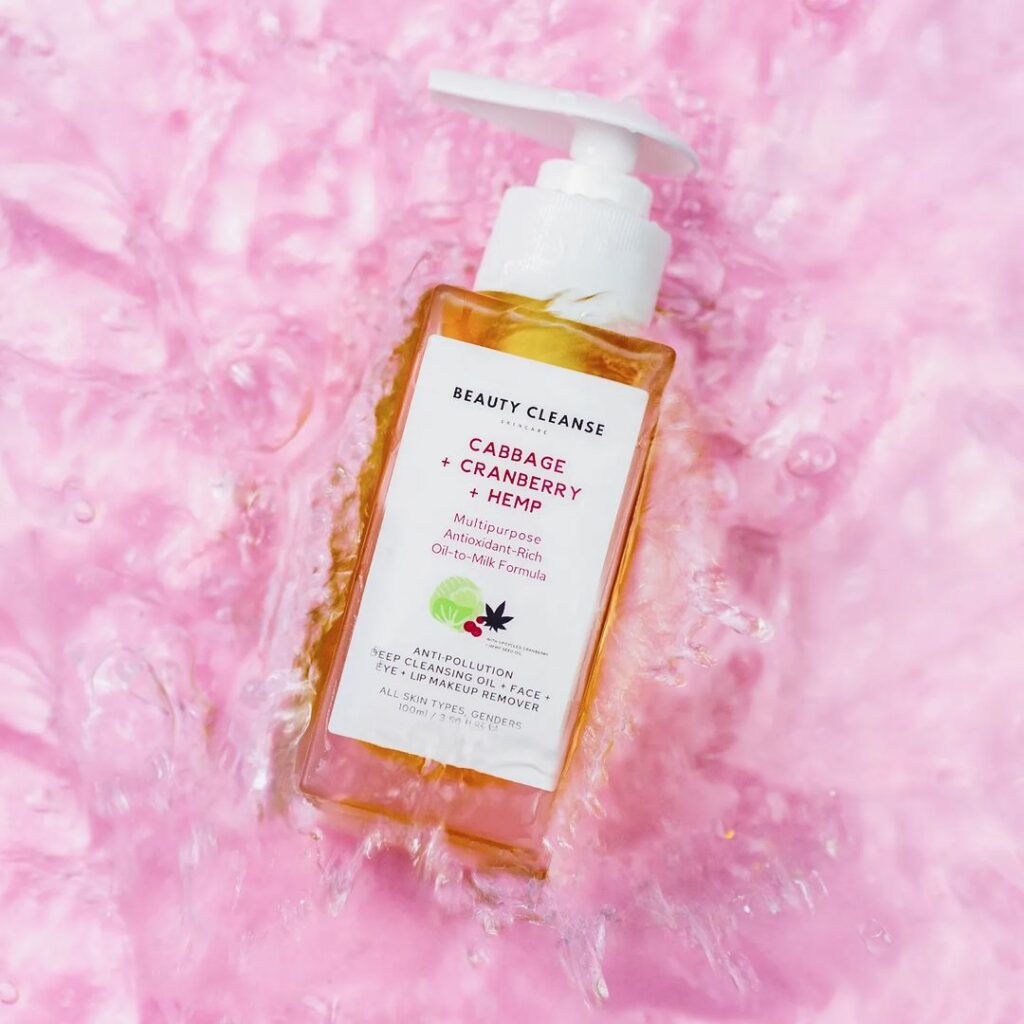
01. Cleanse properly at night. The single most important thing you can do. Pollutant particles, PM2.5, soot, VOCs, deposit on the skin across the day and sit there oxidising until they come off. A thorough double cleanse (oil first to dissolve lipid-bound particulates and sunscreen, then a gentle second cleanse) removes most of what has accumulated. Skipping this step makes everything else you do less useful. Format recommendation: a plant-oil cleanser (jojoba, sunflower, hemp seed) for step one, followed by a pH-balanced syndet cleanser or gentle milk. Browse Face & Skincare for cleansing formats.
02. Use a vitamin C serum in the morning. The best-evidenced antioxidant for daytime skin protection. Vitamin C (ascorbic acid, usually at 10–20%) neutralises the free radicals that pollution generates, and a 2012 paper in the Journal of Investigative Dermatology confirmed it boosts the effectiveness of SPF against oxidative stress. Apply on clean skin, under moisturiser and sunscreen. Format recommendation: a stabilised L-ascorbic acid serum in airtight, opaque packaging (vitamin C oxidises on contact with light and air, which is why a clear-bottle serum that has gone orange in your bathroom is no longer working).
03. Sunscreen, every day, even in British winter. Pollution and UV are synergistic: a 2020 review in Current Environmental Health Reports found that PM’s damage is amplified by UV exposure and vice versa. SPF 30 minimum, broad spectrum, applied generously. This one non-negotiable finishes more of the job than most standalone “anti-pollution” products ever will. Browse Face & Skincare for SPF.
The supporting cast
04. Niacinamide. Strengthens the skin barrier and reduces transepidermal water loss, which is how pollution weakens skin in the first place. A 5% niacinamide serum or moisturiser alongside (not in the same step as) vitamin C is the quiet workhorse of anti-pollution routines.
05. A ferment or prebiotic to support the skin microbiome. The 2025 Annals of Dermatology review flagged that PM2.5 disrupts the skin microbiome, promoting inflammatory bacteria over the beneficial strains that keep skin calm. Fermented lysates, prebiotics, and probiotic extracts help rebuild that balance. The category is young, the evidence is still building, but the mechanism is sound.
06. A weekly clay or charcoal mask. For the deep-clean element. Activated charcoal and bentonite clay physically pull oxidised particulate matter and sebum from pores in a way daily cleansers cannot. Once a week is enough. More is drying.
07. An antioxidant-rich facial oil at night. Rosehip, sea buckthorn, marula, prickly pear. They deliver fat-soluble antioxidants (vitamin E, carotenoids, tocotrienols) that water-based serums cannot, and they seal in the rest of your routine. If you want to go deeper on this, the organic facial oils guide has more.
Ingredients with the strongest evidence
Vitamin C, niacinamide, vitamin E, ferulic acid, resveratrol, green tea polyphenols (EGCG), and astaxanthin all have reasonable clinical data behind their anti-pollution claims. The marketing term you will see often is “ectoin” — an extremophile-derived osmolyte used in some barrier-repair serums. The evidence is mostly industry-sponsored and the dermatology literature has not yet caught up, so treat it as promising rather than proven.
Ingredients marketed as anti-pollution that are just ingredients
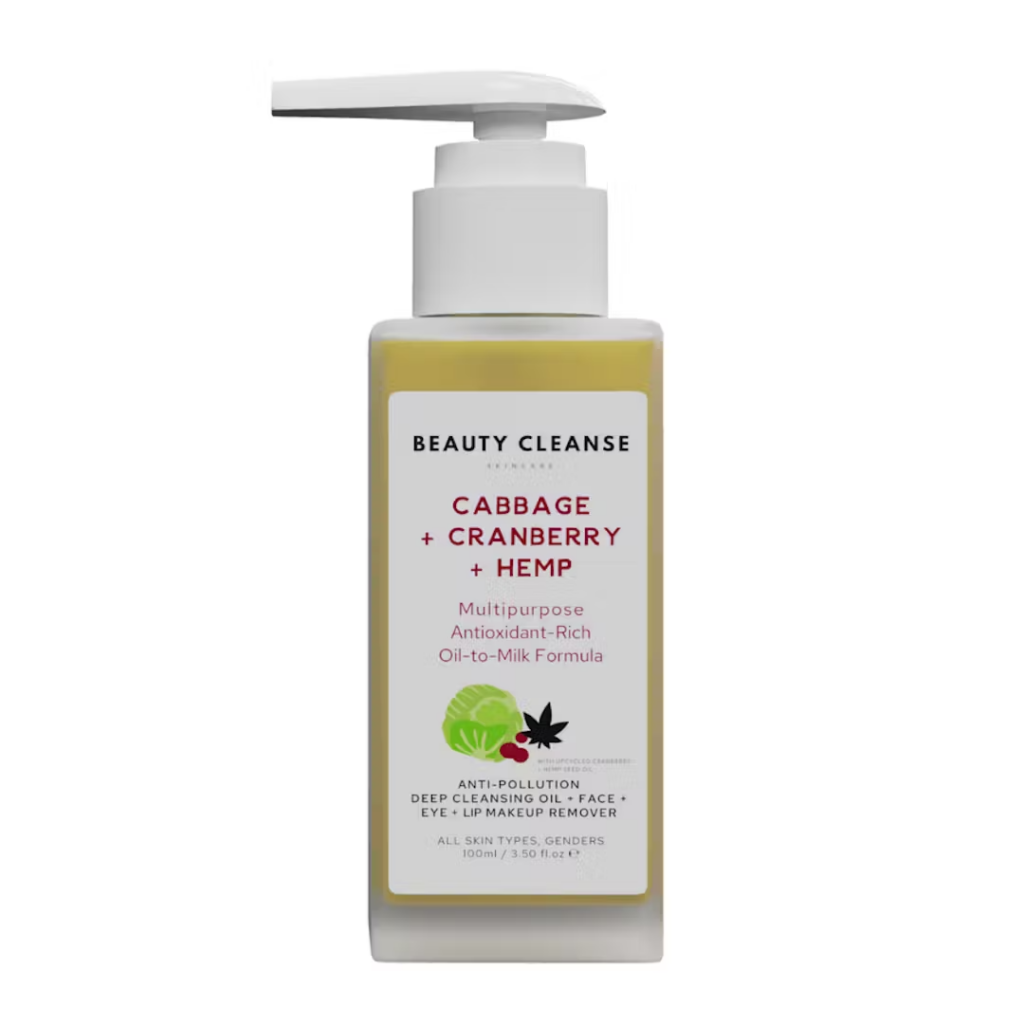
Most “detox” claims are not mechanism, they are vibes. Kelp, algae, and cabbage extracts are perfectly fine skincare ingredients for other reasons (hydration, mild antioxidant effect), but the idea that they pull toxins from your skin in any meaningful way is not supported. Same with anything marketed as drawing “deep impurities” unless there is clay or charcoal doing the actual physical work.
Packaging matters for anti-pollution skincare specifically
This is a pollution article, so it is worth pointing out: most anti-pollution skincare is sold in hard-to-recycle mixed plastic, which contributes to the same problem the product claims to fight. Glass and aluminium, ideally refillable, solve this. Browse Beauty Refills for what this looks like in practice. If you want the wider context on microplastic shedding in cosmetics, the microplastics in cosmetics piece covers the detail.
The ones that aren’t ready yet
Pollution-protective SPFs with “anti-PM barrier” claims. The science here is thin. A good broad-spectrum SPF already does more than most of these pretend to, and paying a premium for the claim is not supported by independent data.
Ingestible anti-pollution supplements. The mechanism (systemic antioxidants reducing oxidative skin damage) is plausible; the evidence in humans is weak. Eating a plant-rich diet does most of what these promise, at a fraction of the price.
If you care about skin and you live in a UK city, the simple, boring version of this works: cleanse well at night, vitamin C in the morning, SPF every day, and a weekly deep clean. Everything else is refinement. The industry is selling you complexity; the dermatology is selling you consistency.
Ready to rebuild the routine? Explore Healthy Skin for the full edit.
FAQs
Yes, and the evidence is well-established. The landmark Vierkötter 2010 study in the Journal of Investigative Dermatology was the first to show airborne particulate matter was linked to measurable skin ageing in women. A 2016 follow-up found roughly 20% more facial pigment spots in women living in high-PM areas. A 2025 review in the Annals of Dermatology confirms pollution accelerates wrinkles, pigmentation, and inflammation, and worsens acne, eczema, and rosacea.
A thorough cleanse at the end of the day. Pollutant particles accumulate on skin across the day and oxidise there until they come off. A double cleanse (oil first, then a gentle second cleanser) removes most of what has settled on the skin. Skipping this step makes every other anti-pollution product less effective.
Yes. It is the best-evidenced topical antioxidant for daytime use. A 2012 paper in the Journal of Investigative Dermatology showed vitamin C neutralises pollution-generated free radicals and boosts the effectiveness of sunscreen against oxidative stress. Look for 10–20% L-ascorbic acid in opaque, airtight packaging. If your serum has gone orange, it has oxidised and stopped working.
Probably not. A well-formulated vitamin C serum, a good cleanser, SPF, and a niacinamide moisturiser cover almost everything an “anti-pollution” line claims to do, usually with better-established ingredients and without the premium. The exception is a weekly clay or charcoal mask, which physically removes deposited particulate in a way other products cannot.
Worse than most people assume. The UK Government’s 2024 compliance data showed one London monitoring site still exceeded the national PM2.5 target of 10 µg/m³ last year, and the WHO’s stricter guideline is 5 µg/m³, which most urban areas of the UK exceed. Chronic exposure at these levels is enough to accelerate extrinsic skin ageing, on the evidence available.