Most mindfulness products promise calm and deliver clutter. A drawer full of crystals you forgot you bought. A candle burning decoratively while you scroll. The ones worth keeping are the ones that actually change what you do next.
You probably already know that scrolling before bed isn’t helping you sleep, that the notification pings are doing something to your stress levels, and that you feel better on the days you get outside before noon.
The US Environmental Protection Agency reports that people in industrialised nations spend more than 90% of their time indoors — a figure that is likely higher for urban residents. The Mental Health Foundation, drawing on the Adult Psychiatric Morbidity Survey 2023/24, reports that one in five adults in England now has a common mental health condition, predominantly anxiety or depression — up from one in six recorded in the 2014 survey — and that mixed anxiety and depression causes approximately one-fifth of all days lost from work in the UK.
None of this is breaking news. The harder question is what to actually do about it when your calendar is full and your energy isn’t.
Why small habits work better than big overhauls
Self-care doesn’t have to mean a weekend retreat or a two-hour yoga session. For most people, the things that actually shift the dial are small, repeatable, and low-effort. A five-minute breathing exercise before your morning meeting. A journal prompt instead of a phone check before bed. A cup of something warm made slowly, on purpose.
The NHS lists five evidence-backed steps for mental wellbeing, and every one of them (connection, activity, noticing, learning, giving) describes a pattern of small daily behaviours rather than a single intervention. A 2019 study in BMC Public Health reached the same conclusion for habit formation generally: consistency over intensity is what moves the needle.
The products that help most are the ones that lower the barrier to starting. They don’t ask you to become a different person. They meet you where you already are and make the better choice slightly easier to take.
If you’re looking for somewhere to start, or something to add to a routine that already exists, the Stress and Sleep edit on Ziracle carries products specifically chosen for this. Everything below has passed the standard: kind to you, kind to the planet, and it works.
Formats worth your attention
A face serum that turns skincare into a breathing space
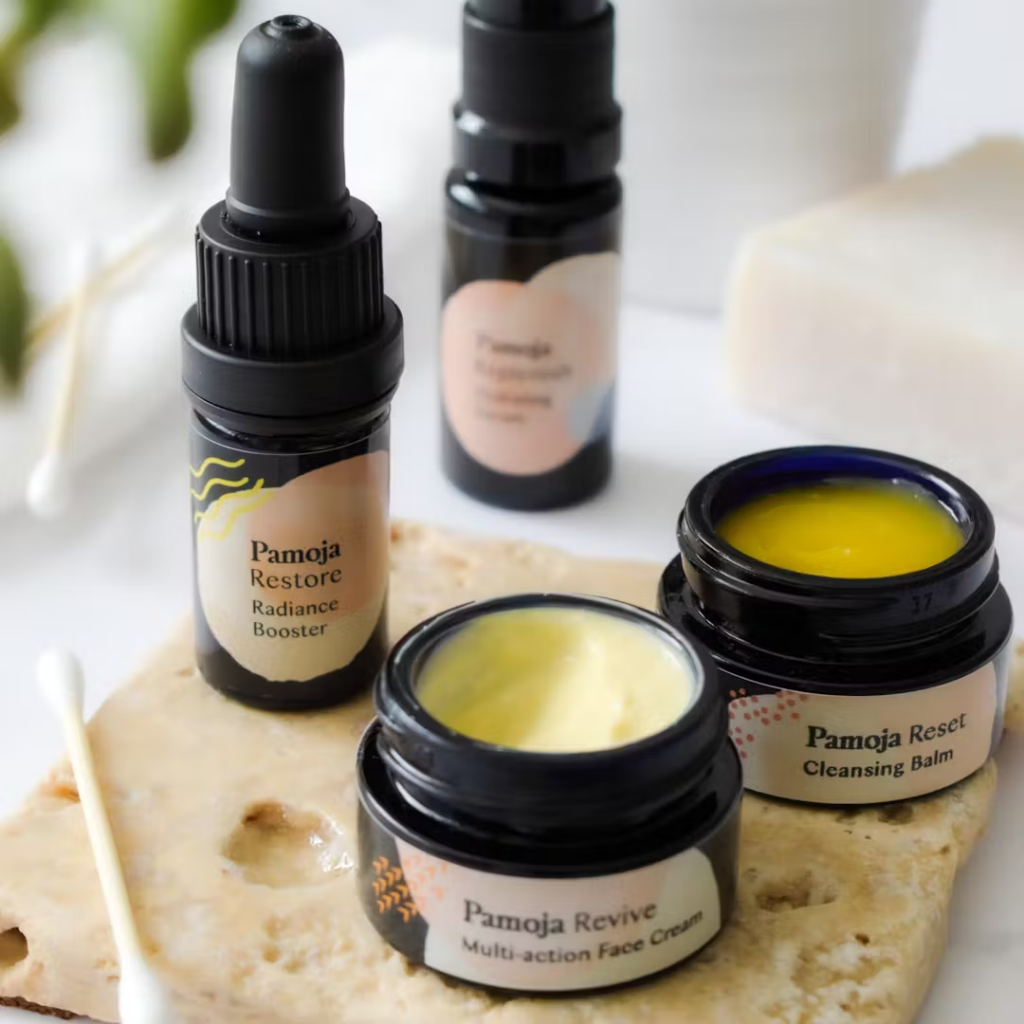
Any well-made hydrating serum (hyaluronic acid, squalane, or niacinamide as the active) can become the anchor of a two-minute ritual. Warm a few drops between your palms, press gently into the skin, breathe. It takes under a minute, but the act of slowing down to do something deliberate shifts the tone of whatever comes next. Look for clean formulations in glass or refillable packaging. Browse the Serums edit.
A functional mushroom supplement for focus without the crash
Lion’s mane is one of the better-researched functional mushrooms. A 2020 randomised controlled trial in Foods found that lion’s mane supplementation was associated with improvements in cognitive function in older adults with mild cognitive impairment. Unlike caffeine, there’s no spike and no crash. Functional mushrooms are supplements, not stimulants. They work best as part of a broader routine rather than a quick fix. Shop: Supplements.
A candle designed for a genuine pause
A candle is most useful when it’s the cue, not the decoration. Lighting one and sitting down to do nothing else for five minutes is the point. Soy-wax candles with pure essential oil scents last longer, burn cleaner, and don’t saturate the room with synthetic fragrance. Scent families worth looking at for calm: frankincense, lavender, vetiver, cedarwood. Shop: Home Fragrance.
An aromatherapy roll-on for moments when you need to reset
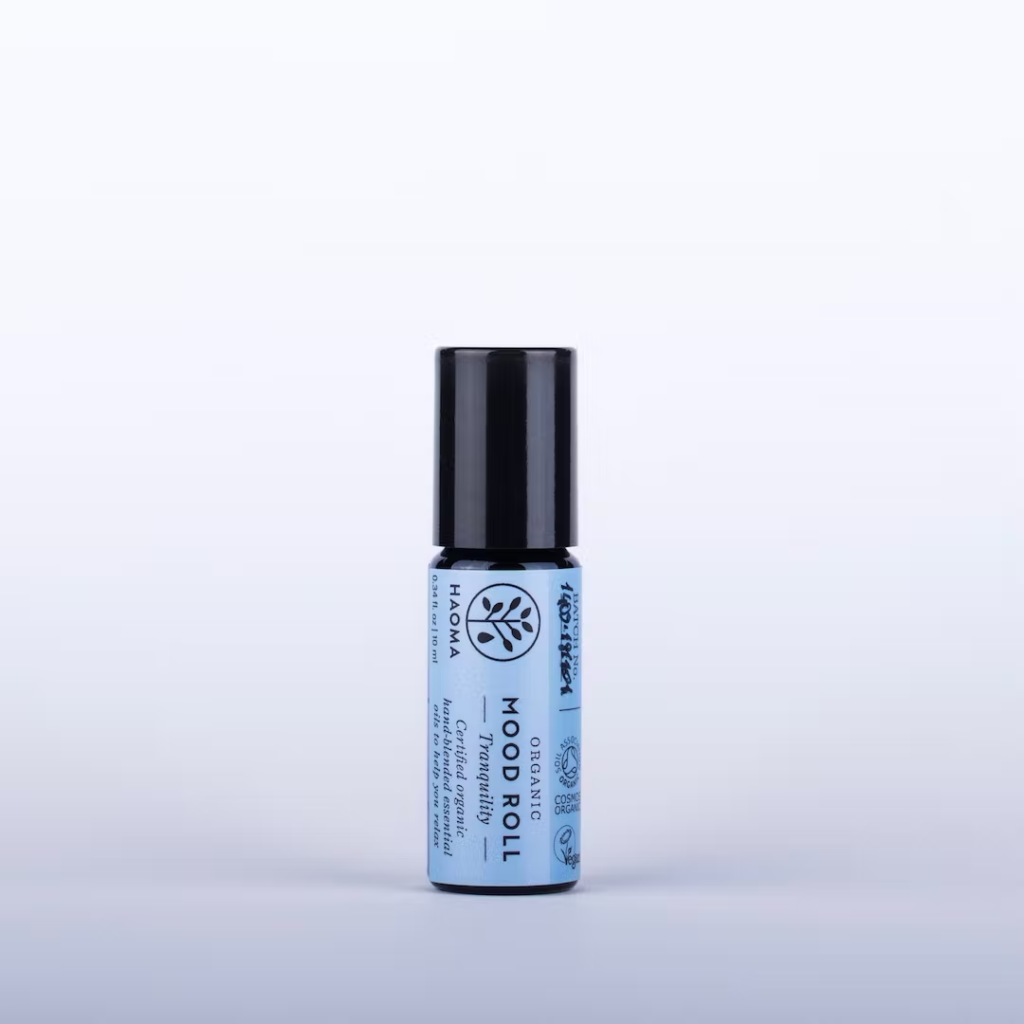
Aromatherapy as a category ranges from rigorous to vague. The rigorous end uses certified organic essential oils (lavender, bergamot, frankincense) in a carrier oil base that’s safe for direct skin application. The roll-on format means you can use it anywhere, which is usually when you need it most. A 2016 review in Evidence-Based Complementary and Alternative Medicine found that lavender essential oil has modest but consistent anxiolytic effects across clinical trials. Shop: Essential Oil Blends.
Prompt cards that turn reflection into a habit
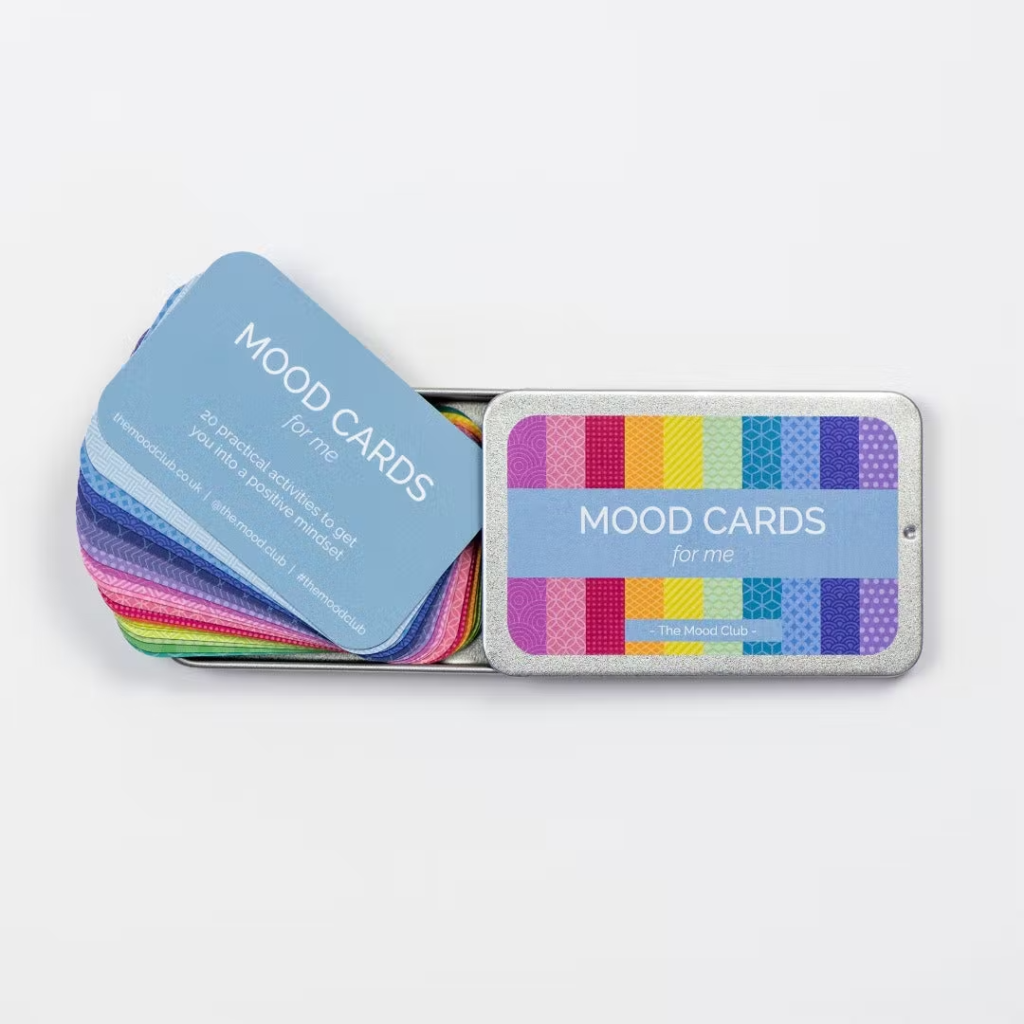
Prompt cards work because they remove the friction of deciding what to reflect on. A short daily prompt (two to five minutes) builds patterns that compound over time. The idea isn’t to overhaul your mindset in a day. It’s to make noticing easier.
A herbal supplement formulated for calm
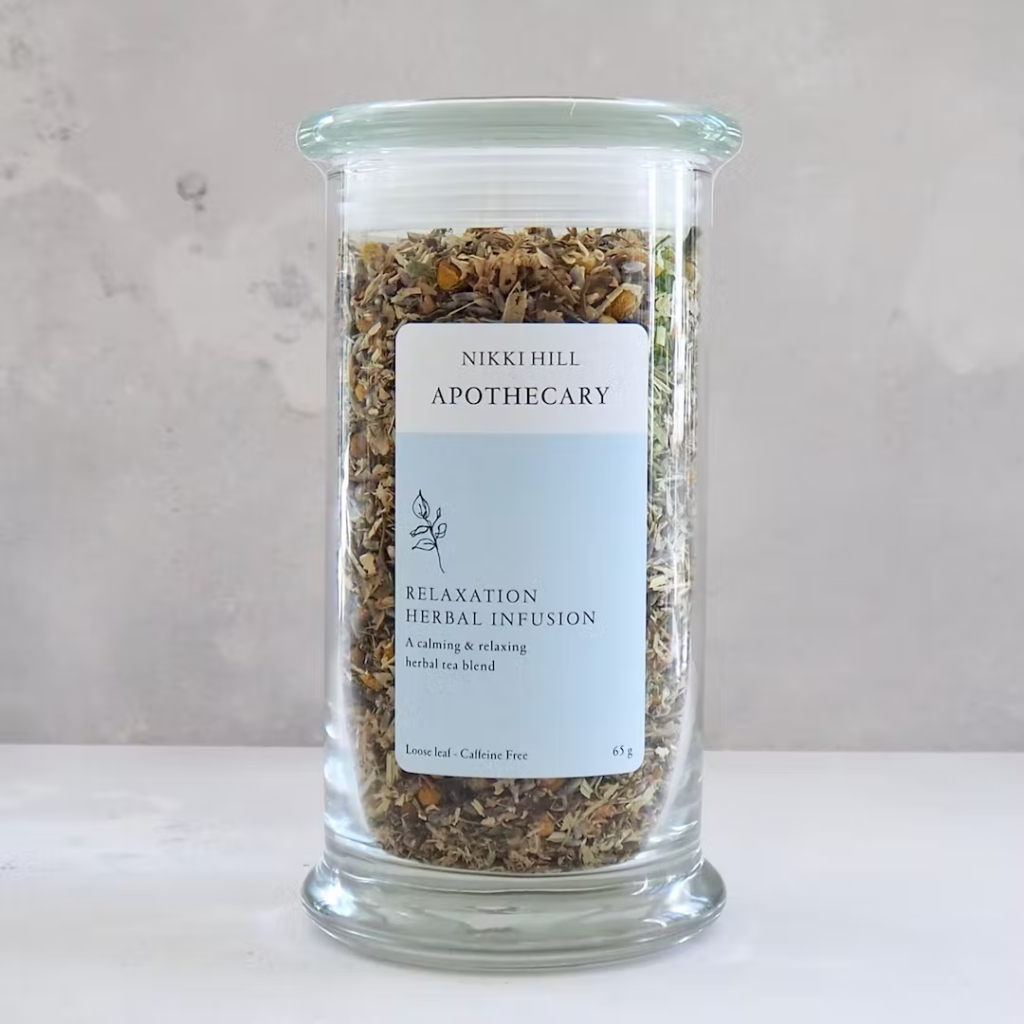
Botanical supplements combining ashwagandha, lemon balm and passionflower have a growing evidence base for reducing subjective stress. A 2019 meta-analysis in Medicine found ashwagandha supplementation was associated with meaningful reductions in perceived stress and cortisol levels in clinical trials. Herbal supplements work best alongside other habits, not as a standalone fix. Shop: Stress Relief.
A gratitude or self-compassion journal with structure
Open-ended gratitude journals can feel performative on a rough week. Structured ones (a prompt per day, a theme per week) do better for most people because they remove the blank-page problem. A 2021 systematic review in the Journal of Happiness Studies found that structured gratitude interventions produced small but consistent improvements in wellbeing scores across 64 trials. Look for journals printed sustainably and delivered plastic free. Browse the Mindfulness edit.
Incense or a scent anchor for meditation
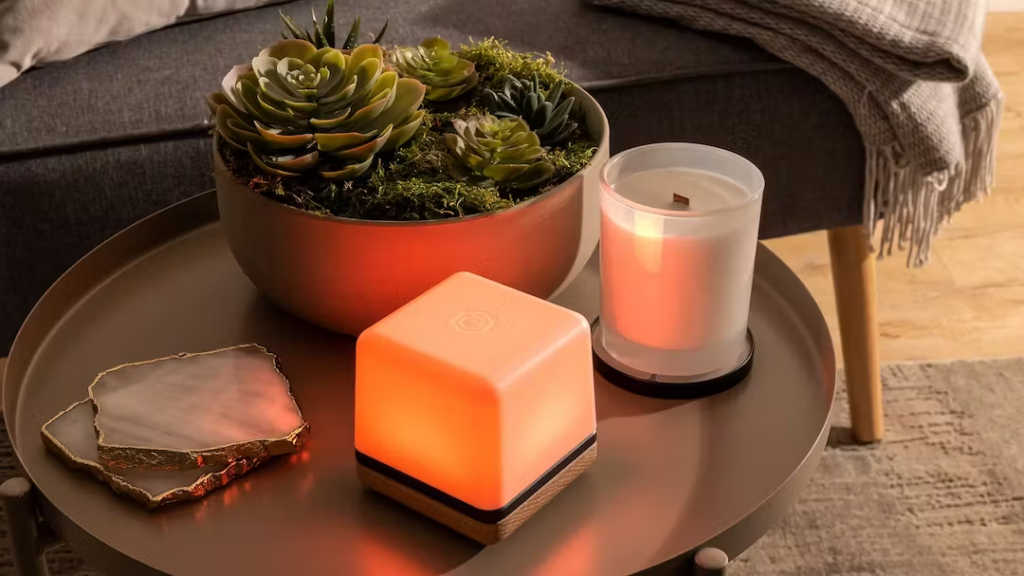
If you meditate (or want to start), scent is one of the most effective anchors you can use. Lighting an incense stick or a dedicated scent before you sit down creates a consistent sensory cue that tells the brain it’s time to focus inward. Works the same way running shoes tell your body it’s time to move. Natural botanical incense, without synthetic binders, is the format worth looking for.
A massage candle or body oil
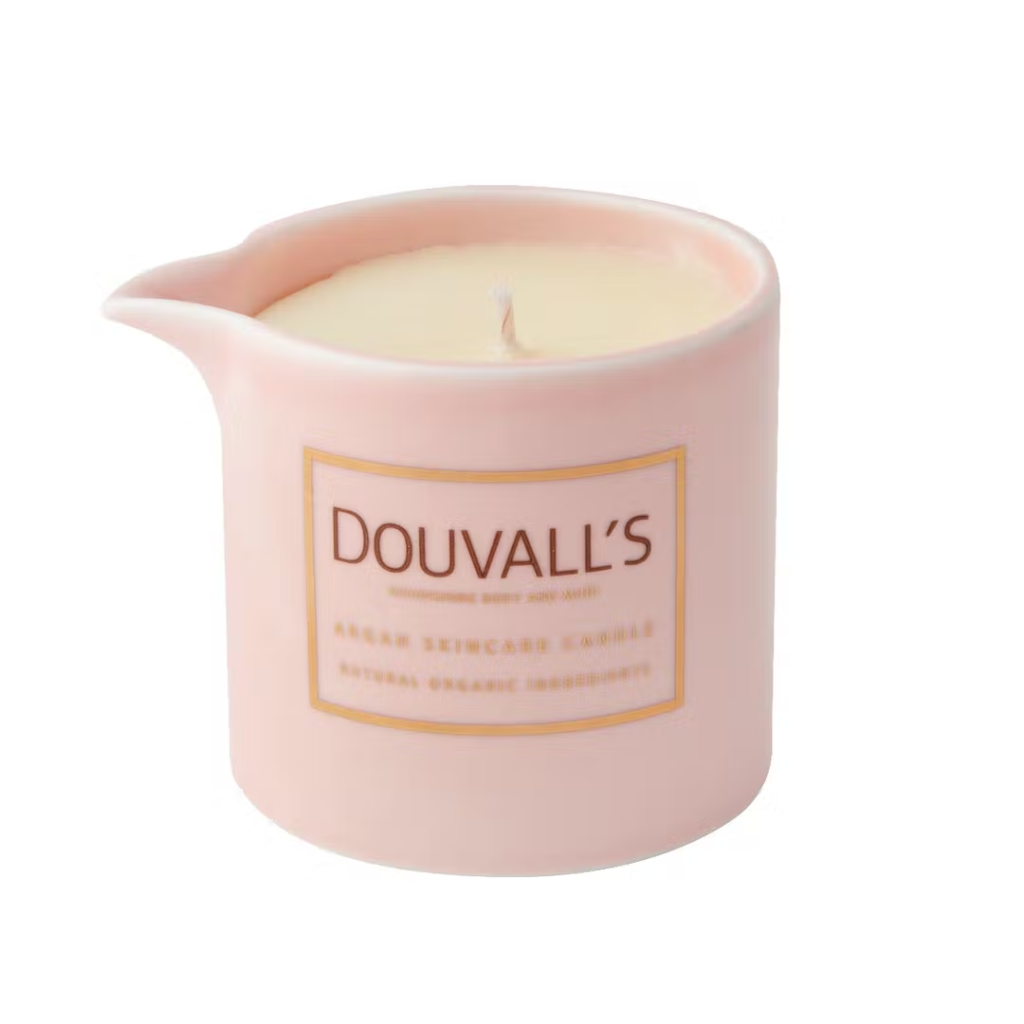
A massage candle does two things. It scents the room and melts into a nourishing oil you can use on skin. Argan, coconut and jojoba bases blended with gentle essential oils. Whether you use it solo or with someone else, it turns a candle into a physical ritual rather than a decorative one. Shop: Oils and Balms.
A travel candle or portable scent for away from home
Self-care routines tend to fall apart when you travel. A familiar scent bridges the gap between your home environment and a hotel room or a friend’s spare room. Tin-format candles are compact, and a small bottle of essential oil on a tissue under the pillow works similarly without the open flame.
The products that help most are the ones that lower the barrier to starting. They don’t ask you to become a different person.
You don’t need to overhaul your life to look after your mind
Mental wellbeing rarely improves because of one big change. It improves because of dozens of small ones, repeated often enough that they stop requiring effort. A five-minute breathing exercise. A journal prompt before bed. A cup of tea made slowly. If you want to go further, these daily habits for mental health are the natural next read, and our self-care guide covers the broader picture.
Important: while these products can support your wellbeing, they are not a substitute for professional help. If you’re struggling with your mental health, please speak to your GP or contact a mental health professional. In the UK, the Samaritans are available on 116 123, free, 24/7.Ready to build a routine that sticks? Browse the full Reduce Stress edit.
FAQs
They do something when they lower the barrier to a habit that was already good for you. A candle that cues you to sit down for five minutes is doing the work of making the pause easier to start. A journal with a printed prompt removes the friction of deciding what to write about. The product itself doesn’t have mental health benefits. The routine it supports does. That’s an important distinction because it means the right question isn’t “does this candle work” but “does this candle make it easier for me to pause.”
Regular movement outside. The NHS Five Steps to Mental Wellbeing framework puts physical activity at the top of the list, and the WHO recommends at least 150–300 minutes of moderate exercise a week for mental as well as physical health benefits, including reduced symptoms of depression and anxiety. A twenty-minute walk outdoors most days is more evidence-backed than almost any product you can buy. Products that help get you there (a good water bottle, a comfortable pair of trainers, warm kit for winter) are better investments than most dedicated mindfulness products.
The evidence is modest but real. A 2019 meta-analysis in Medicine found ashwagandha was associated with meaningful reductions in perceived stress and cortisol across clinical trials, and a 2025 systematic review and meta-analysis of 15 RCTs published in BJPsych Open found ashwagandha supplementation significantly reduced anxiety scores on the Hamilton Anxiety Rating Scale compared to placebo. The effect size is smaller than prescription medication for diagnosed anxiety disorders, and the evidence base is still developing. For mild everyday stress in an otherwise healthy adult, it’s worth trying. For moderate to severe anxiety, speak to your GP first.
The clinical evidence for CBD and anxiety is still developing. Early small trials have shown promise for social anxiety specifically, but the field is waiting for larger, longer studies to confirm. The practical advice: if you try CBD, use a UK-approved supplier with third-party testing, start with a low dose, and don’t use it as a replacement for professional support if you have a diagnosed anxiety disorder. It’s legal, non-intoxicating, and generally well-tolerated.
Longer than 21 days, despite the myth. A 2009 study in the European Journal of Social Psychology found that habit formation took on average 66 days of daily repetition to become automatic, with a wide range depending on the habit and the person. The practical point: if something hasn’t stuck after two weeks, that’s not a signal it doesn’t work. It’s a signal to give it more time.