
Veo and Wearth are now Ziracle. Same mission, better platform. See what's new

Best Foods for Bloating: What Actually Works and Why

We're sharing some of the best foods to help you beat the bloat while boosting your overall wellbeing in the process.

Lydia Oyeniran

MSc Fashion Analytics, London College of Fashion (UAL)

Published : September 7, 2021

Updated : April 28, 2026

by Hamish Lawson
6 min read
||||

Bloating is one of those symptoms that’s easy to dismiss. It’s not serious. You just ate too much. But when it’s chronic, bloating becomes a daily barrier. Brain fog from the bloating itself, then fatigue from the stress of managing it, then the anxiety of never quite knowing when you’ll feel okay. Your gut is connected to your whole system, and a struggling gut affects everything. This isn’t just digestion.

Your gut produces many of the neurotransmitters that regulate mood and stress response. Chronic bloating is often a sign that gut bacteria need support. Here’s what’s actually going on, what triggers the problem, and which foods have the strongest evidence for rebuilding the system.

Understanding the gut-brain connection

Your gut doesn’t only break down food. It communicates with your brain. A 2015 review in Annals of Gastroenterology summarised the evidence that gut microbiota produce neurotransmitters including serotonin, GABA and dopamine, which are delivered to the brain through the vagus nerve. When your gut is inflamed or imbalanced, you feel it everywhere. Some people get brain fog. Others get anxiety that doesn’t have a logical trigger. Some people feel flat and unmotivated. The physical bloating is the obvious symptom. The mental impact runs deeper.

The research on this connection has grown significantly over the last decade. A 2019 study in Nature Microbiology led by researchers at KU Leuven identified specific bacterial species in the gut whose relative abundance correlated with self-reported quality of life, including markers of depression. Gut health directly influences mental clarity, emotional stability and energy levels. When gut bacteria are imbalanced, your body can’t produce enough of the neurotransmitters that keep you calm and focused. These aren’t personality flaws. They’re physical symptoms of a depleted gut environment. For a fuller treatment of this connection, see our guide to how food affects mood.

What triggers bloating in the first place

Bloating usually signals one of three things: food intolerance, insufficient fibre, or bacterial imbalance. You’re either reacting to something specific in your diet, your gut bacteria are struggling to process what you’re eating, or you don’t have enough beneficial bacteria to regulate things properly.

Most people try the standard advice to just ‘eat more fibre’ and wonder why it makes things worse. If your gut bacteria are depleted, adding more fibre without first rebuilding the bacteria that process it can increase gas production and worsen bloating in the short term. The NHS’s guidance on bloating and wind reflects this: it recommends an incremental approach to fibre, identifying trigger foods and considering professional advice if symptoms persist. You need to rebuild the bacterial team before asking it to do more work. That’s where fermented foods come in.

Fermented foods and bacterial rebalancing

Fermented foods contain live bacteria that can help rebalance the gut microbiome. A 2021 randomised trial from Stanford University School of Medicine, published in Cell, found that a ten-week high-fermented-foods diet significantly increased microbial diversity and reduced markers of inflammation compared with a high-fibre control diet.

Credit: Loving Foods

Kimchi, made from fermented cabbage, introduces beneficial strains and contains compounds that reduce inflammation. The fermentation process also breaks down certain sugars that might otherwise cause bloating, making the food easier to digest. Kombucha, fermented from tea, serves a similar function. Miso, tempeh, sauerkraut and kefir all follow the same principle: fermentation creates an environment where beneficial bacteria flourish. These aren’t trendy foods. They’re functional tools for rebuilding bacterial ecosystems. Browse the Fermented Foods edit for options.

Dark chocolate and flavonoid metabolism

Dark chocolate contains flavonoids, which are antioxidant compounds. These flavonoids are broken down by your gut bacteria into smaller molecules that have anti-inflammatory effects throughout the body. A 2019 study in the Journal of Nutritional Biochemistry found that regular consumption of cocoa flavanols was associated with changes in gut microbial composition and reduced inflammatory markers.

Credit: Freedom Chocolate via @the.allergytable on Instagram

The mechanism is chemistry, not magic. Your gut bacteria eat the flavonoids and convert them into anti-inflammatory compounds called phenolic metabolites. The quality of your bacteria determines how well this works. If your gut bacteria are healthy, dark chocolate becomes a functional food. If they’re depleted, you won’t get the benefit, which is why starting with fermented foods before layering in dark chocolate often makes sense. Choose dark chocolate with at least 70% cocoa content for meaningful flavonoid levels. Browse the Chocolate edit for higher-cocoa options.

Your gut bacteria produce many of the neurotransmitters that affect your mood.

Peppermint for muscle relaxation

Peppermint tea works through a different mechanism than fermented foods. The menthol in peppermint relaxes the smooth muscles in the digestive tract, reducing spasms that trap gas and cause bloating. A 2019 meta-analysis in BMC Complementary Medicine and Therapies reviewed 12 randomised controlled trials on peppermint oil and found significant reductions in abdominal pain and IBS symptoms compared with placebo.
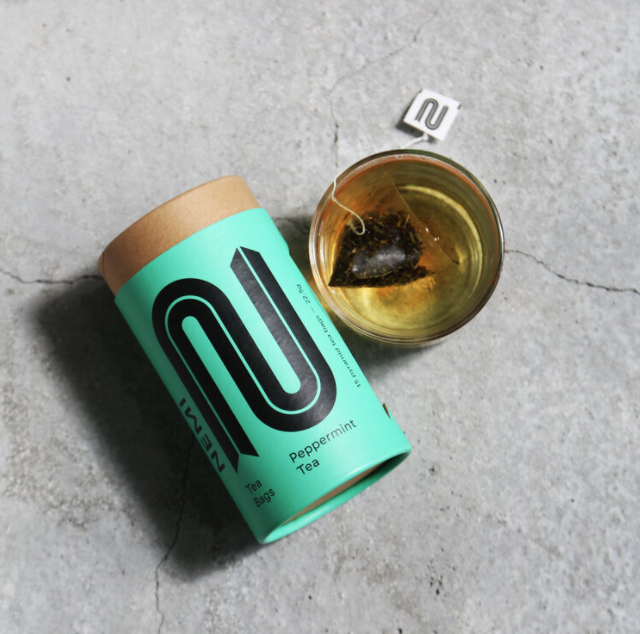
Credit: NEMI Teas

For many people, a cup of peppermint tea after meals becomes part of the routine that keeps bloating at bay. It’s not addressing the root cause if the issue is bacterial imbalance, but if the bloating is coming from muscle tension and trapped gas, it’s functional relief. Peppermint also stimulates bile production, which supports fat digestion. Browse the Tea edit for peppermint and other gut-supporting blends.

Building your bloating-free routine

None of this works in isolation. You’re looking for a combination approach. Introduce fermented foods regularly to rebuild your bacteria, and give your gut time to adjust. Start with small portions: a spoonful of sauerkraut or kimchi with one meal per day. Gradually increase over weeks as your system adapts. Peppermint tea can become part of your daily routine, especially after larger meals. Dark chocolate becomes a snack that’s also functional.

You’re not forcing any one food to be a cure. You’re building a food environment where your gut can stabilise. This takes consistency and patience, and the results compound over weeks and months rather than days.

What you eat affects how you feel, right down to mood and energy. That’s not about calories. It’s about whether your gut has the resources to function properly. The bacteria need fibre to eat. They need fermented foods to establish and flourish. They need anti-inflammatory support from dark chocolate and peppermint. They need variety from different food sources. Start by adding one fermented food to your week. Pay attention to what changes in digestion, energy and mood. After a few weeks, add another layer. This is how you move from chronic bloating to occasional comfort.

If bloating is persistent, worsening, or accompanied by weight loss, blood in stools, or severe pain, see your GP. The advice above is for everyday digestive discomfort, not for conditions that need clinical investigation.

For more on building a gut-supporting routine, read our guides to how food affects mood and benefits of buying organic.

Every brand in the Food and Drink category on Ziracle has passed the same standard: honest ingredients, transparent sourcing, and production that takes ethics seriously. For gut-supporting products specifically, filter by Organic.

Ready to start? Browse the Gut Health edit and pick one fermented food to add to your week.

FAQs

Do fermented foods actually reduce bloating, or is it hype?

The evidence is stronger than most gut-health claims. A 2021 randomised trial from Stanford University School of Medicine, published in Cell, found that a ten-week high-fermented-foods diet increased microbial diversity and reduced inflammatory markers compared with a high-fibre control. The effect was specifically tied to consuming multiple fermented foods daily (yoghurt, kefir, kombucha, kimchi, sauerkraut), not a single product. Build up slowly. Two to four weeks of consistency is usually enough to notice a difference.

How long does it take to see results from fermented foods?

Two to four weeks for most people. The Stanford trial measured changes over ten weeks, but participants reported noticing digestive differences much earlier. If you’re starting from a low-diversity baseline (lots of processed food, recent antibiotic courses, chronic bloating), the first few days can actually feel worse as your gut adjusts. Start with a spoonful of one fermented food daily and build from there rather than dumping multiple new foods into your diet at once.

Is peppermint tea safe to drink every day?

For most adults, yes. Peppermint tea is generally well tolerated and has a long history of safe traditional use for digestion. The main exception is gastro-oesophageal reflux: peppermint can relax the lower oesophageal sphincter, which may worsen reflux symptoms in some people. If you have persistent reflux, check with your GP before making peppermint a daily habit. For most people without reflux, a cup after meals is a reasonable addition.

Can dark chocolate really help with bloating?

Indirectly, through its effects on gut bacteria rather than directly on bloating. A 2019 study in the Journal of Nutritional Biochemistry found that cocoa flavanols influence gut microbial composition and reduce inflammatory markers. This is a long-game benefit, not an acute one. A square of dark chocolate won’t stop bloating in the moment, but regular consumption of 70%+ dark chocolate as part of a broader gut-supporting diet contributes to a healthier bacterial ecosystem. Don’t rely on it alone.

When should I see a GP rather than trying food-based approaches?

If bloating is persistent (lasting more than two to three weeks), worsening over time, or accompanied by unexplained weight loss, blood in stools, changes in bowel habit, severe pain, or difficulty swallowing. These can be symptoms of conditions (including IBS, IBD, coeliac disease, or more serious causes) that need clinical investigation rather than dietary self-management. The food-based approaches above are for everyday digestive discomfort and general gut health maintenance, not for ongoing or worsening symptoms.


Deepen your understanding of metabolic health and longevity in our dedicated wellness series.

Explore Live Well

Lydia Oyeniran

MSc Fashion Analytics, London College of Fashion (UAL)

Lydia Oyeniran is a researcher, writer, and product development lead at CircKit, the circular design toolkit for fashion. She holds an MSc with Distinction in Fashion Analytics and Forecasting from London College of Fashion, University of the Arts London, where her dissertation built an AI-powered recommender system for mindful consumption. She spent over four years as senior marketing executive at Veo World, the ethical marketplace that became Ziracle, where she wrote many of the articles now in the Journal. She writes about gut health, skincare, sustainable materials, plastic-free living, meditation, diet culture, and eco-friendly home products.

READ NEXT

Best Foods for Bloating: What Actually Works and Why

Bloating is one of those symptoms that’s easy to dismiss. It’s not serious. You just ate too much. But when it’s chronic, bloating becomes a daily barrier. Brain fog from the bloating itself, then fatigue from the stress of managing it, then the anxiety of never quite knowing when you’ll feel okay. Your gut is connected to your whole system, and a struggling gut affects everything. This isn’t just digestion.

Your gut produces many of the neurotransmitters that regulate mood and stress response. Chronic bloating is often a sign that gut bacteria need support. Here’s what’s actually going on, what triggers the problem, and which foods have the strongest evidence for rebuilding the system.

Understanding the gut-brain connection

Your gut doesn’t only break down food. It communicates with your brain. A 2015 review in Annals of Gastroenterology summarised the evidence that gut microbiota produce neurotransmitters including serotonin, GABA and dopamine, which are delivered to the brain through the vagus nerve. When your gut is inflamed or imbalanced, you feel it everywhere. Some people get brain fog. Others get anxiety that doesn’t have a logical trigger. Some people feel flat and unmotivated. The physical bloating is the obvious symptom. The mental impact runs deeper.

The research on this connection has grown significantly over the last decade. A 2019 study in Nature Microbiology led by researchers at KU Leuven identified specific bacterial species in the gut whose relative abundance correlated with self-reported quality of life, including markers of depression. Gut health directly influences mental clarity, emotional stability and energy levels. When gut bacteria are imbalanced, your body can’t produce enough of the neurotransmitters that keep you calm and focused. These aren’t personality flaws. They’re physical symptoms of a depleted gut environment. For a fuller treatment of this connection, see our guide to how food affects mood.

What triggers bloating in the first place

Bloating usually signals one of three things: food intolerance, insufficient fibre, or bacterial imbalance. You’re either reacting to something specific in your diet, your gut bacteria are struggling to process what you’re eating, or you don’t have enough beneficial bacteria to regulate things properly.

Most people try the standard advice to just ‘eat more fibre’ and wonder why it makes things worse. If your gut bacteria are depleted, adding more fibre without first rebuilding the bacteria that process it can increase gas production and worsen bloating in the short term. The NHS’s guidance on bloating and wind reflects this: it recommends an incremental approach to fibre, identifying trigger foods and considering professional advice if symptoms persist. You need to rebuild the bacterial team before asking it to do more work. That’s where fermented foods come in.

Fermented foods and bacterial rebalancing

Fermented foods contain live bacteria that can help rebalance the gut microbiome. A 2021 randomised trial from Stanford University School of Medicine, published in Cell, found that a ten-week high-fermented-foods diet significantly increased microbial diversity and reduced markers of inflammation compared with a high-fibre control diet.

Credit: Loving Foods

Kimchi, made from fermented cabbage, introduces beneficial strains and contains compounds that reduce inflammation. The fermentation process also breaks down certain sugars that might otherwise cause bloating, making the food easier to digest. Kombucha, fermented from tea, serves a similar function. Miso, tempeh, sauerkraut and kefir all follow the same principle: fermentation creates an environment where beneficial bacteria flourish. These aren’t trendy foods. They’re functional tools for rebuilding bacterial ecosystems. Browse the Fermented Foods edit for options.

Dark chocolate and flavonoid metabolism

Dark chocolate contains flavonoids, which are antioxidant compounds. These flavonoids are broken down by your gut bacteria into smaller molecules that have anti-inflammatory effects throughout the body. A 2019 study in the Journal of Nutritional Biochemistry found that regular consumption of cocoa flavanols was associated with changes in gut microbial composition and reduced inflammatory markers.

Credit: Freedom Chocolate via @the.allergytable on Instagram

The mechanism is chemistry, not magic. Your gut bacteria eat the flavonoids and convert them into anti-inflammatory compounds called phenolic metabolites. The quality of your bacteria determines how well this works. If your gut bacteria are healthy, dark chocolate becomes a functional food. If they’re depleted, you won’t get the benefit, which is why starting with fermented foods before layering in dark chocolate often makes sense. Choose dark chocolate with at least 70% cocoa content for meaningful flavonoid levels. Browse the Chocolate edit for higher-cocoa options.

Your gut bacteria produce many of the neurotransmitters that affect your mood.

Peppermint for muscle relaxation

Peppermint tea works through a different mechanism than fermented foods. The menthol in peppermint relaxes the smooth muscles in the digestive tract, reducing spasms that trap gas and cause bloating. A 2019 meta-analysis in BMC Complementary Medicine and Therapies reviewed 12 randomised controlled trials on peppermint oil and found significant reductions in abdominal pain and IBS symptoms compared with placebo.

Credit: NEMI Teas

For many people, a cup of peppermint tea after meals becomes part of the routine that keeps bloating at bay. It’s not addressing the root cause if the issue is bacterial imbalance, but if the bloating is coming from muscle tension and trapped gas, it’s functional relief. Peppermint also stimulates bile production, which supports fat digestion. Browse the Tea edit for peppermint and other gut-supporting blends.

Building your bloating-free routine

None of this works in isolation. You’re looking for a combination approach. Introduce fermented foods regularly to rebuild your bacteria, and give your gut time to adjust. Start with small portions: a spoonful of sauerkraut or kimchi with one meal per day. Gradually increase over weeks as your system adapts. Peppermint tea can become part of your daily routine, especially after larger meals. Dark chocolate becomes a snack that’s also functional.

You’re not forcing any one food to be a cure. You’re building a food environment where your gut can stabilise. This takes consistency and patience, and the results compound over weeks and months rather than days.

What you eat affects how you feel, right down to mood and energy. That’s not about calories. It’s about whether your gut has the resources to function properly. The bacteria need fibre to eat. They need fermented foods to establish and flourish. They need anti-inflammatory support from dark chocolate and peppermint. They need variety from different food sources. Start by adding one fermented food to your week. Pay attention to what changes in digestion, energy and mood. After a few weeks, add another layer. This is how you move from chronic bloating to occasional comfort.

If bloating is persistent, worsening, or accompanied by weight loss, blood in stools, or severe pain, see your GP. The advice above is for everyday digestive discomfort, not for conditions that need clinical investigation.

For more on building a gut-supporting routine, read our guides to how food affects mood and benefits of buying organic.

Every brand in the Food and Drink category on Ziracle has passed the same standard: honest ingredients, transparent sourcing, and production that takes ethics seriously. For gut-supporting products specifically, filter by Organic.

Ready to start? Browse the Gut Health edit and pick one fermented food to add to your week.

FAQs

Do fermented foods actually reduce bloating, or is it hype?

The evidence is stronger than most gut-health claims. A 2021 randomised trial from Stanford University School of Medicine, published in Cell, found that a ten-week high-fermented-foods diet increased microbial diversity and reduced inflammatory markers compared with a high-fibre control. The effect was specifically tied to consuming multiple fermented foods daily (yoghurt, kefir, kombucha, kimchi, sauerkraut), not a single product. Build up slowly. Two to four weeks of consistency is usually enough to notice a difference.

How long does it take to see results from fermented foods?

Two to four weeks for most people. The Stanford trial measured changes over ten weeks, but participants reported noticing digestive differences much earlier. If you’re starting from a low-diversity baseline (lots of processed food, recent antibiotic courses, chronic bloating), the first few days can actually feel worse as your gut adjusts. Start with a spoonful of one fermented food daily and build from there rather than dumping multiple new foods into your diet at once.

Is peppermint tea safe to drink every day?

For most adults, yes. Peppermint tea is generally well tolerated and has a long history of safe traditional use for digestion. The main exception is gastro-oesophageal reflux: peppermint can relax the lower oesophageal sphincter, which may worsen reflux symptoms in some people. If you have persistent reflux, check with your GP before making peppermint a daily habit. For most people without reflux, a cup after meals is a reasonable addition.

Can dark chocolate really help with bloating?

Indirectly, through its effects on gut bacteria rather than directly on bloating. A 2019 study in the Journal of Nutritional Biochemistry found that cocoa flavanols influence gut microbial composition and reduce inflammatory markers. This is a long-game benefit, not an acute one. A square of dark chocolate won’t stop bloating in the moment, but regular consumption of 70%+ dark chocolate as part of a broader gut-supporting diet contributes to a healthier bacterial ecosystem. Don’t rely on it alone.

When should I see a GP rather than trying food-based approaches?

If bloating is persistent (lasting more than two to three weeks), worsening over time, or accompanied by unexplained weight loss, blood in stools, changes in bowel habit, severe pain, or difficulty swallowing. These can be symptoms of conditions (including IBS, IBD, coeliac disease, or more serious causes) that need clinical investigation rather than dietary self-management. The food-based approaches above are for everyday digestive discomfort and general gut health maintenance, not for ongoing or worsening symptoms.

Leave a Comment