

Most advice on meditation assumes you have twenty quiet minutes and a cushion. Most people have neither. The research does not actually require that. A 2014 study in Psychoneuroendocrinology from Carnegie Mellon University found that 25 minutes of mindfulness meditation for three consecutive days was enough to measurably reduce participants’ psychological response to stress. A 2021 review in PLOS One found daily 10-minute sessions for four weeks significantly improved trait mindfulness in over 500 adults.
Which means the barrier to entry is low. Lower than the industry selling you apps would suggest. The useful forms of meditation fit inside the routines you already have: waiting for the kettle, walking to the station, washing up after dinner. This is a list of those. Ordered by how easily they slot into a normal day.
What actually works, and what doesn’t
A landmark 2014 JAMA Internal Medicine meta-analysis of 47 randomised controlled trials (roughly 3,500 participants) concluded mindfulness meditation produced moderate reductions in anxiety, depression, and pain. The evidence for sleep, weight, and cognition is weaker. The point is not that meditation fixes everything. The point is that for stress, anxiety, and rumination, it has the strongest evidence base of any non-clinical intervention available.
Around 16% of UK adults had practised mindfulness by 2021, up from 15% in 2018, per a 2024 PLOS One paper. The proportion is growing, mostly among young and middle-aged adults in London and the South East. If you are sceptical because it sounds vaguely hippyish, you are increasingly in the minority.
Start here. The easiest three
These three require nothing you do not already own and nothing you are not already doing.
01. Kettle meditation. Two minutes. Stand at the counter while the kettle boils, feet planted, shoulders down. Notice the sound of the water heating. The way the steam rises. The warmth when your hand closes around the mug. This is it. You do not need to empty your mind or achieve anything. You are just paying attention for as long as the water takes. Drink the tea the same way. Chamomile, green, rooibos — whatever you already drink works. The point is presence, not the plant.

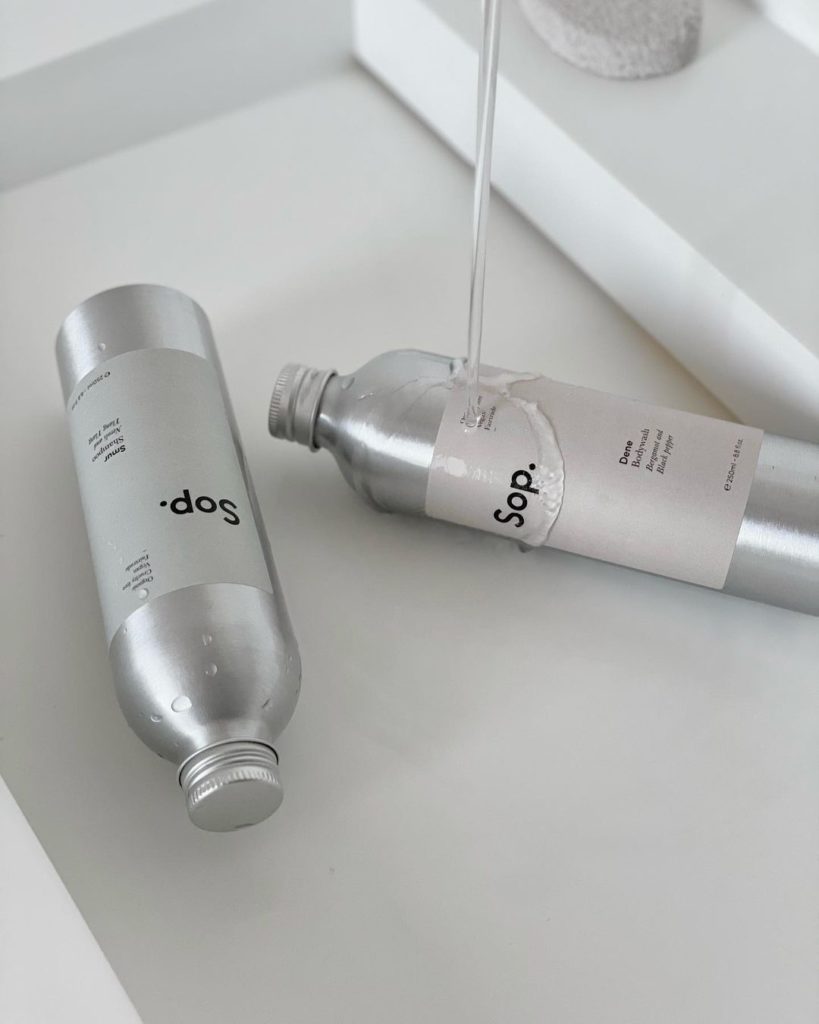
02. Shower meditation. Four minutes. Also called waterfall meditation, though the name is more dramatic than the practice. Focus on the physical sensation: water temperature, pressure, the feel of it on your scalp and shoulders. When your mind drifts to the day ahead (and it will), notice the drift and come back to the water. That noticing-and-returning is the entire mechanism. The rest is just warm water.
03. Walking meditation. Five to fifteen minutes. Pick a familiar route and do it without your phone, earphones, or podcast. Attention on the feet meeting the ground, the rhythm of your breath, the air on your face. If you live somewhere green, even briefly, better. A 2019 study in Frontiers in Psychology found 20 minutes of contact with nature measurably reduced cortisol. Walking meditation overlaps that benefit with the attention practice.
Once the easy ones are routine
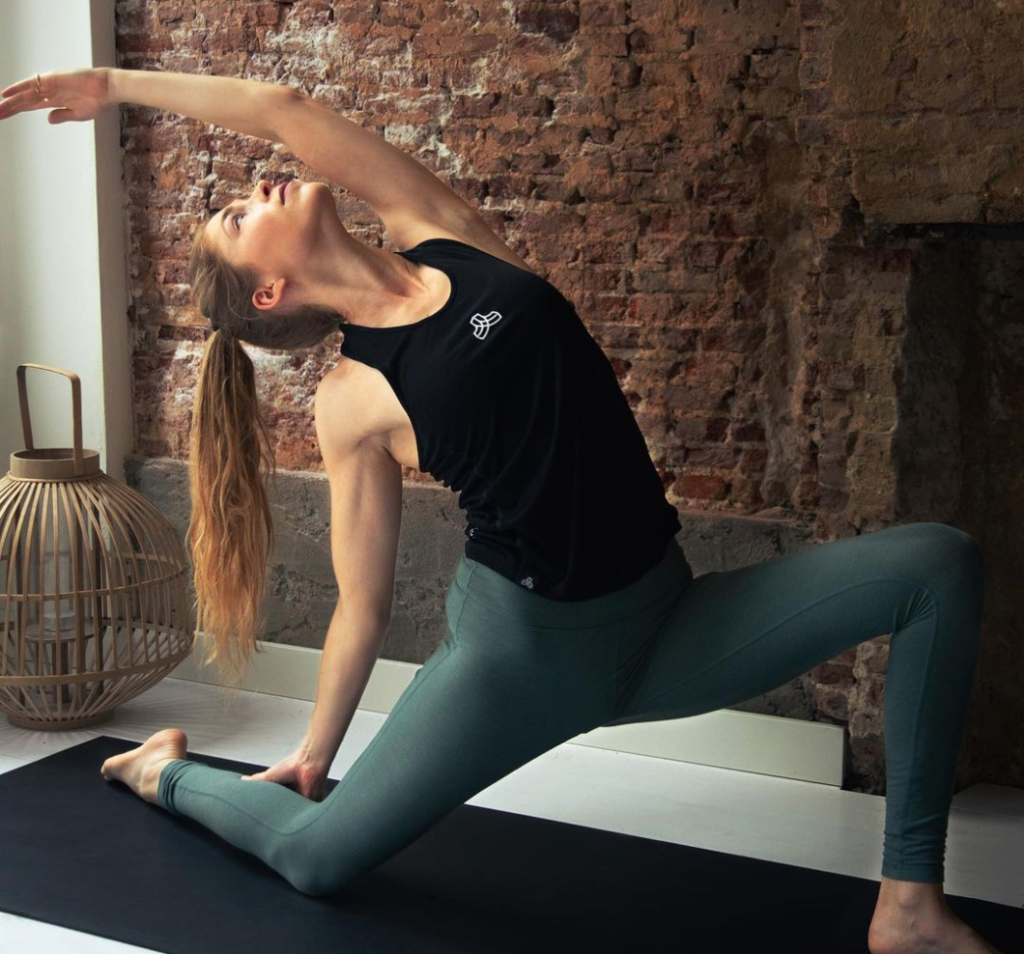
04. Movement meditation. The thing yoga and running and swimming have in common when done without a podcast: the repetitive, rhythmic attention on breath and body creates the same state as formal sitting meditation. For people who find stillness difficult, this is usually the way in. Controlled breath, one muscle group at a time, no distraction stacked on top.
05. Cleaning meditation. The one that sounds strangest and works surprisingly well. Washing up, wiping surfaces, folding laundry. Simple, repetitive tasks with a defined start and end. The mind naturally settles into a state psychologists call flow, and flow has a similar neurochemical signature to formal meditation. The only requirement is that you do it without a podcast playing. Headphones defeat the purpose.

06. Breath boxes, on demand. Four seconds in, four seconds hold, four seconds out, four seconds hold. Repeat for one to two minutes. Usable at your desk, in a meeting, on the Tube. A 2017 study in Frontiers in Psychology found diaphragmatic breathing over eight weeks significantly reduced cortisol in healthy adults. This is the same principle, compressed into moments.
07. Loving-kindness meditation, at night. Slightly different animal. Instead of observing, you silently repeat warm phrases towards yourself, then people you love, then someone neutral, then someone you find difficult. A 2015 Emory University review in Mindfulness found the practice measurably increased positive emotion and social connection over time. Good for the night before a hard day, or for anyone whose mind runs anxious at bedtime.
The ones that aren’t ready yet
Expensive meditation apps. Calm and Headspace work for the people they work for, but there is no evidence they outperform free guided meditations on YouTube or the free Insight Timer app. If paying helps you stick with it, that is its own reason. Do not mistake cost for efficacy.
Biofeedback headbands and stress-tracking wearables. The evidence is genuinely thin. Most of what they measure is heart-rate variability, which is a reasonable proxy for stress but a poor teacher of meditation skill. The money is better spent on a 10-minute daily practice.
The idea that you have to clear your mind. You cannot, and nobody can. Thoughts will keep arriving. The practice is the noticing and returning, not the absence of thought. This is the single most common reason people quit after a week, and it is based on a misunderstanding.
You now have seven versions to choose from. Pick one. Use it tomorrow. Two weeks is usually enough to feel whether it is landing.
Ready to go deeper? Explore Mindfulness & Meditation for related reads and tools, or browse Reduce Stress for the full edit.
FAQs
Less than most people assume. A 2014 study in Psychoneuroendocrinology at Carnegie Mellon University found 25 minutes for three consecutive days was enough to measurably reduce psychological stress response. A 2021 PLOS One trial found 10 minutes daily for four weeks improved trait mindfulness in over 500 adults. Consistency matters more than duration. A daily 5-minute practice outperforms a weekly 30-minute one for most people.
Yes. Noticing that your mind has wandered and gently returning to the breath is not a failure of meditation. It is meditation. This is the single most common reason people quit after a week, and it is based on a misunderstanding of how the practice works.
Mindfulness is the state: non-judgmental attention to the present moment. Meditation is the practice: a structured way of cultivating that state. You can be mindful without meditating (while washing up, walking, listening to someone speak), and you can meditate without being particularly mindful if your technique is off. The everyday forms in this article are closer to applied mindfulness than formal meditation.
The best available evidence says yes, for anxiety, depression, and pain, with moderate effect sizes. A 2014 JAMA Internal Medicine meta-analysis of 47 randomised controlled trials found mindfulness meditation produced moderate reductions in these outcomes. The evidence is weaker for sleep, weight, and cognition. For stress specifically, multiple cortisol-measurement trials have shown measurable biological reductions, particularly from consistent practice over 8 weeks or more.
Rarely, but occasionally. A 2024 PLOS One study found around a quarter of UK mindfulness users reported negative effects during the pandemic, and a 2024 Cambridge trial found meditation can induce altered states of consciousness in a substantial minority of practitioners. If you have a history of psychosis, severe anxiety, or unprocessed trauma, it is worth starting with short sessions and ideally under professional guidance. For most people, in small daily doses, the practice is safe.