
Veo and Wearth are now Ziracle. Same mission, better platform. See what's new

How to Eat Well: A Framework, not another Diet

Forget the rules that contradict each other next week. Eating well is a short set of directions you can lean into, not a test you pass or fail. Here is the framework, the handful of things genuinely worth changing, and how to stock a kitchen that makes all of it easier.

Published : July 4, 2026 by Hamish Lawson

Updated : July 3, 2026 by Hamish Lawson

10 min read
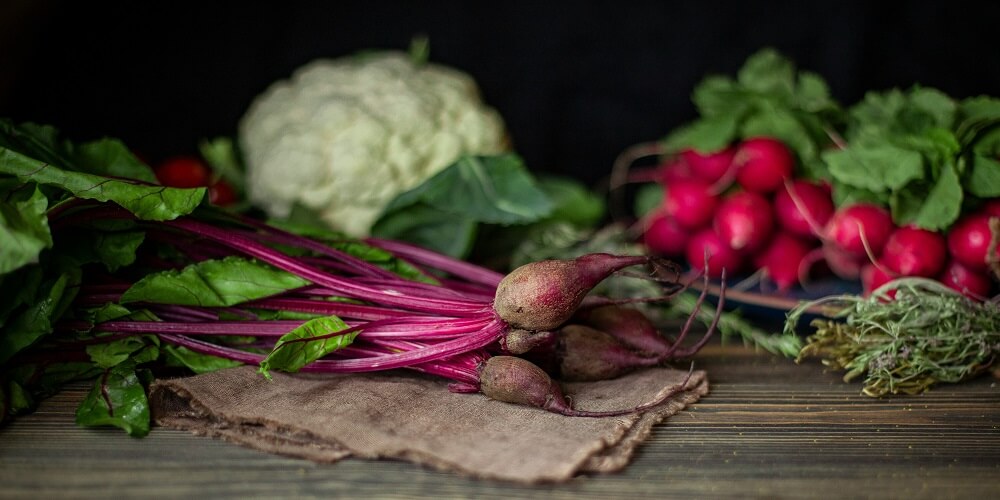
Vegetables and grains in bowls on a wooden table in daylight, how to eat well with whole foods

You have been told to cut carbs and load up on fibre, to fear fat and to fear seed oils, to fast and to never skip breakfast. No wonder eating well feels like an exam you keep failing. It is not an exam. It is a direction, and you are almost certainly closer to it than you think.

The honest answer to how to eat well is duller and far kinder than the diet industry needs it to be. There is no single food that fixes you and no plan you have to follow perfectly. There is a short framework, a handful of changes that carry most of the benefit, and a way of shopping that makes the whole thing cheaper and easier to keep up. This guide to Eat Well lays out the framework, ranks the changes by how much they matter, and ends with the kitchen that makes them the default.

Eating Well is a Framework, Not a Diet

The most useful shift is to stop treating food as a test. A diet is a set of rules you either keep or break, which is why diets end. A framework is a direction you lean in, where a good week and a rough week both count and neither is a verdict on your character.

The UK already has the framework, and it is deliberately loose. The NHS Eatwell Guide sets out rough proportions, plenty of vegetables and fruit, meals based on higher-fibre starchy foods, some protein with more from beans and pulses, some dairy or alternatives, and only small amounts of the fatty, salty, sugary stuff. Its most important line is the one people skip: “You do not need to achieve this balance with every meal, but try to get the balance right over a day or even a week.” Over a week. Not at every meal.

That single idea removes most of the pressure. You are not aiming for a perfect plate three times a day, you are nudging the average. Which means the goal is not restriction, it is direction, and the rest of this is just the directions worth walking in, in order of how much they matter.

Eating well is a direction, not a test, and you do not have to be perfect at it to get almost all of the benefit.

Lever One: Eat Mostly Real Food

The biggest single lever is to eat mostly whole and minimally processed food, and to notice when you are not. This is the change with the most evidence behind it, and it is not about any one nutrient. It is about how much of what you eat has been engineered in a factory rather than cooked in a kitchen.

The scale of it is easy to underestimate. Around 54% of the calories UK adults eat now come from ultra-processed food, according to analysis of the National Diet and Nutrition Survey. And the health signal is not trivial: a 2024 umbrella review in The BMJ, pooling dozens of studies, linked higher ultra-processed consumption to 32 worse health outcomes, from heart disease to poorer mental health. That does not make a single ready meal a disaster, but it makes the overall drift worth reversing.

You do not need an app to spot ultra-processed food. A rough test does most of the work: if the ingredients list is long and full of things you would not keep in a home kitchen, colours, emulsifiers, flavourings, protein isolates, it is probably ultra-processed. A tin of beans, a bag of oats, a block of cheese and a chicken thigh are not. The direction is simply more of the second kind and a bit less of the first, not fear, and not never.

Lever Two: Eat more Plants, and more Kinds of them
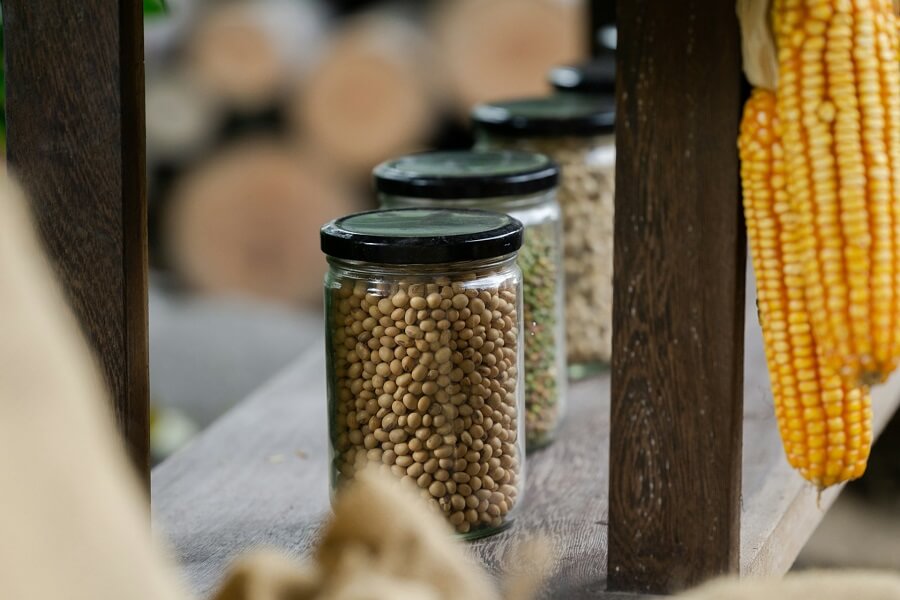
Jars of mixed beans and lentils on a shelf in daylight, plant diversity for Eat Well

The second lever is plants, and the modern version of the advice is about variety as much as volume. Five a day still holds, but the newer, more useful target is diversity: eating many different plants across a week feeds a wider range of gut microbes, which is one of the clearer findings in nutrition science.

“The wider diversity of fibre-packed plants you eat, the happier and more diverse your gut microbiome will be,” says Professor Tim Spector, Professor of Genetic Epidemiology at King’s College London and co-founder of ZOE, whose gut-project research found that people eating 30 or more different plants a week had noticeably more diverse microbiomes than those eating fewer than ten. That gut diversity is tied to how well your body handles food and inflammation, which is why plant variety sits so high on the list. Our Gut Health edit goes deeper on the why.

According to NHS guidance on getting more fibre, UK adults consume around 19g of fibre a day, compared with the recommended 30g, and only about one in ten of us hits the target. The fix is not heroic.

Thirty plants a week, without counting. Plants are not just vegetables. Fruit, wholegrains, beans, lentils, nuts, seeds, herbs and spices all count, and a single one can be a sprinkle of seeds on your porridge. A bowl of mixed-grain porridge with berries and nuts is already five or six. A lentil soup with a handful of herbs is another few. Swap one white loaf for a seeded wholemeal, keep a bag of frozen mixed veg and a few tins of different beans in, and thirty stops being a target you chase and becomes a number you pass without noticing.

Lever Three: Add Before You Subtract

The third lever is a mindset that makes the other two stick: add good things before you cut anything. Restriction is what makes eating “well” feel like punishment, and it is also what makes it fail. Cut a whole food group and you tend to rebound, lose nutrients, and learn nothing you can keep.

“Focus on what we should be eating and doing more of, like increasing fluid and fibre, rather than focussing on restriction,” says Marcela Fiuza, a registered dietitian and British Dietetic Association spokesperson. It is the opposite of the January plan that bans bread. As the BDA puts it, the healthiest and most sustainable approach is small and slow, which is exactly what a fad diet cannot sell you.

In practice, adding looks like a second vegetable at dinner, beans stirred into the mince, fruit and nuts where the biscuit was, fish twice a week with one oily portion, water instead of the third coffee. None of it forbids anything. You are crowding the plate with better defaults until the rest naturally shrinks, and because nothing is banned, there is nothing to fall off.

Lever Four: The Short List Genuinely Worth Cutting Down

There is a “less-of” list, and the honest version is short and specific rather than a war on entire food groups. Four things are worth easing down, and none of them needs to hit zero.

Free sugars are the main one, the sugar added to food and drink plus what is in honey and juice, which UK adults are advised to keep under about 30g a day, roughly seven sugar cubes. The quickest win is drinks: a single can of cola is most of that limit, so swapping sugary drinks for water, tea or coffee does more than fussing over the sugar in your cooking. Salt is the second, with a cap around 6g a day, most of which sneaks in through bread, sauces and processed food rather than the shaker. Third, red and especially processed meat, bacon, ham and sausages, are worth keeping occasional rather than daily. And alcohol is worth honest attention, since it is calories and risk with no nutrition attached.

Notice what is not on the list: fat, carbs, gluten, dairy, or any of the food groups the internet takes turns demonising. For most people, those are not the problem. The processing, the added sugar and the missing plants are.

Lever Five: Where Your Food Comes From is part of Eating Well
Coffee beans and a ceramic cup in morning light, fair-trade sourcing for Eat Well

Eating well is not only about your body, it is also about what your food does on the way to your plate, and this is the part the official guides leave out. Two meals can be nutritionally identical and worlds apart in how the coffee was grown, how the workers were paid, or how much the packaging and farming cost the planet. Choosing better on that front is part of the framework, not a separate hobby.

The useful version is targeted, not perfectionist. Organic matters most for the produce you eat skin-and-all and for reducing farming’s chemical load, so it is worth prioritising there rather than everywhere; the Organic range makes that easy to shop. Fair trade matters most for the imported crops with the worst records, coffee, cocoa and tea, where certification is a genuine signal that growers were paid properly, which is why The Cellar edit and our sustainable coffee guide focus there. And eating more plants, the lever you are already pulling for your gut, happens to be the single biggest way to lower the footprint of your diet, which our vegan living guide covers without requiring you to go all the way.

You do not have to get every item right. Prioritise the few purchases where sourcing genuinely changes the outcome, and let the rest be ordinary.

So what is worth buying, and how to stock a Kitchen
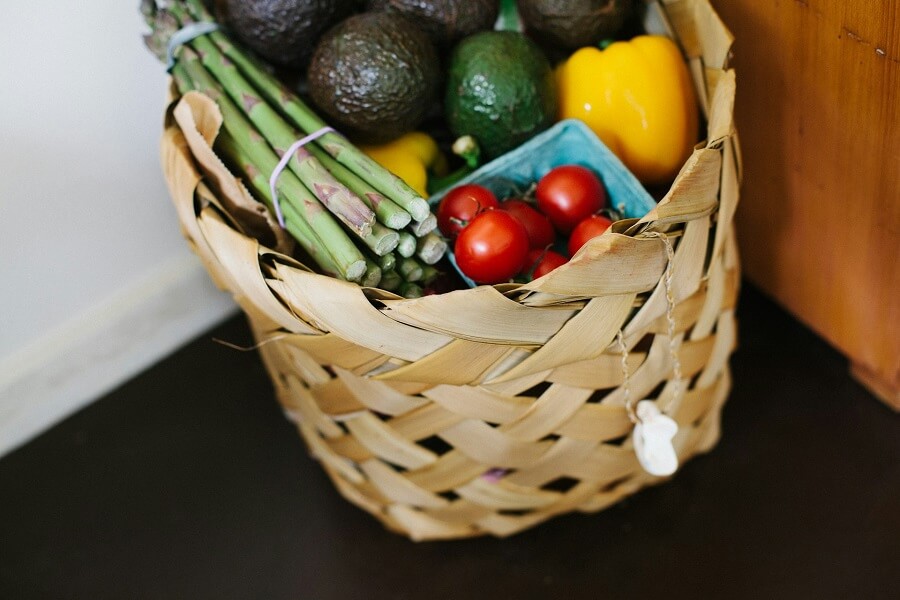
A grocery basket of vegetables and staples in daylight, eating well on a budget for Eat Well

Real food, more plants and adding-not-cutting do almost all of the work, and none of it is a product. That is the honest starting point. The gap is that eating this way is far easier when your kitchen is set up for it, and a small, well-chosen set of staples is what turns the framework from a good intention into the path of least resistance.

The whole-food pantry is the engine. A few different wholegrains (oats, brown rice, wholemeal pasta), several tins and bags of pulses (chickpeas, lentils, mixed beans), nuts and seeds, a good olive or rapeseed oil, tinned tomatoes, and frozen vegetables and fruit that never go off and are just as nutritious as fresh. With that in, a plant-heavy, thirty-a-week meal is fifteen minutes away on a tired evening. The Pantry edit is built around exactly these staples, and the wider Food & Drink hub is where the plant-forward and ethically sourced versions live, from Vegan basics to better everyday treats.

Two criteria keep it honest. Favour foods close to their raw form over engineered ones, and prioritise the sourcing that matters on the imported crops rather than agonising over everything. Ignore anything sold as a “superfood”, a “detox” or a shortcut, which is marketing, not nutrition.

Eating well on a budget. This is where the framework quietly wins, because whole food is often the cheap food. Dried and tinned pulses are among the lowest-cost protein and fibre there is. Frozen vegetables cost less than fresh, last for months and waste nothing. Oats are pennies a bowl. Buying wholegrains, beans and seasonal veg and cooking from them beats both the ready-meal aisle and the “wellness” aisle on price, and our eco-friendly grocery shopping guide sets out a full shop that eats well for less. Eating well is not a luxury tax. Done this way, it is usually the frugal option.

What to Skip: “Superfoods”, Detoxes, and the Meal-Replacement Aisle

A whole industry sells shortcuts to the framework above, and almost all of it is worth ignoring. “Superfood” is a marketing word with no scientific meaning, and no single berry, powder or seed does anything a varied diet of ordinary plants does not do better and cheaper. “Detox” products are the clearest tell: your liver and kidneys do that job, and a teatox or a juice cleanse does not help them, it just relieves you of money and, briefly, of fibre.

Meal-replacement shakes and greens powders occupy the same space, promising to bottle a good diet. A greens powder is not a substitute for eating actual vegetables, and a shake that replaces a meal usually replaces the chewing, the fibre and the enjoyment along with it. Browse the Nutrition & Superfoods shelf with that filter and it thins out fast, leaving the few genuinely useful basics rather than the reinvented wheel.

The rule of thumb: if a product is selling you a shortcut to eating well, the shortcut is the thing that is not real. The food is.

It was never an exam

Go back to the feeling of failing the test, and the relief is that there was never a test to fail. Eating well is a direction, and the directions are short: mostly real food, more plants and more kinds of them, add before you cut, ease down on sugar and the rest of the short list, and buy the few things where sourcing genuinely matters. Do most of that most of the time and you have almost all of the benefit, without a single rule you have to keep perfectly.

The reassuring part is how ordinary and how cheap the winning version is. A full pantry, a bag of frozen veg and a pot of lentils outperform every plan with a name.

The Food and Drink edit is filtered to the whole-food staples, plant-forward basics and ethically sourced treats that make this the easy option, and our grocery, coffee and plant-based guides walk through the weekly shop one aisle at a time.

Frequently Asked Questions

What does “eating well” actually mean?

Eating well means leaning towards mostly whole, minimally processed food, plenty and variety of plants, and enough protein and healthy fats, over a week rather than at every meal. It is a direction, not a strict diet, and the NHS Eatwell Guide is the loose UK framework for the proportions. You do not have to be perfect to get most of the benefit.

What is the single most important change to eat better?

Shift more of your diet towards whole and minimally processed food and away from ultra-processed products, which now make up around half of UK adults’ calories. If you want one add-on habit, eat more plants and more different kinds of them across the week. Both matter more than any single “superfood” or supplement.

How many plants should I eat a week?

Aim for around 30 different plants a week, counting vegetables, fruit, wholegrains, beans, nuts, seeds, herbs and spices. Research from Professor Tim Spector’s gut project found people hitting 30-plus had more diverse gut microbiomes than those eating fewer than ten. A varied bowl of porridge or a mixed-bean soup gets you several at once.

Is ultra-processed food really that bad?

A single ultra-processed item will not harm you, but the overall drift is worth reversing. A 2024 umbrella review in The BMJ linked higher consumption to 32 worse health outcomes. The practical move is not fear but direction: more food that looks close to how it grew, less that has a long list of ingredients you would not keep at home.

Can you eat well on a budget?

Yes, and it is often the cheaper option. Dried and tinned pulses, oats, frozen vegetables and seasonal produce are among the lowest-cost, highest-value foods there are, and cooking from them beats both the ready-meal and the wellness aisles on price. Eating well is about staples and habits, not expensive “health” products.


READ NEXT

You have been told to cut carbs and load up on fibre, to fear fat and to fear seed oils, to fast and to never skip breakfast. No wonder eating well feels like an exam you keep failing. It is not an exam. It is a direction, and you are almost certainly closer to it than you think.

The honest answer to how to eat well is duller and far kinder than the diet industry needs it to be. There is no single food that fixes you and no plan you have to follow perfectly. There is a short framework, a handful of changes that carry most of the benefit, and a way of shopping that makes the whole thing cheaper and easier to keep up. This guide to Eat Well lays out the framework, ranks the changes by how much they matter, and ends with the kitchen that makes them the default.

Eating Well is a Framework, Not a Diet

The most useful shift is to stop treating food as a test. A diet is a set of rules you either keep or break, which is why diets end. A framework is a direction you lean in, where a good week and a rough week both count and neither is a verdict on your character.

The UK already has the framework, and it is deliberately loose. The NHS Eatwell Guide sets out rough proportions, plenty of vegetables and fruit, meals based on higher-fibre starchy foods, some protein with more from beans and pulses, some dairy or alternatives, and only small amounts of the fatty, salty, sugary stuff. Its most important line is the one people skip: “You do not need to achieve this balance with every meal, but try to get the balance right over a day or even a week.” Over a week. Not at every meal.

That single idea removes most of the pressure. You are not aiming for a perfect plate three times a day, you are nudging the average. Which means the goal is not restriction, it is direction, and the rest of this is just the directions worth walking in, in order of how much they matter.

Eating well is a direction, not a test, and you do not have to be perfect at it to get almost all of the benefit.

Lever One: Eat Mostly Real Food

The biggest single lever is to eat mostly whole and minimally processed food, and to notice when you are not. This is the change with the most evidence behind it, and it is not about any one nutrient. It is about how much of what you eat has been engineered in a factory rather than cooked in a kitchen.

The scale of it is easy to underestimate. Around 54% of the calories UK adults eat now come from ultra-processed food, according to analysis of the National Diet and Nutrition Survey. And the health signal is not trivial: a 2024 umbrella review in The BMJ, pooling dozens of studies, linked higher ultra-processed consumption to 32 worse health outcomes, from heart disease to poorer mental health. That does not make a single ready meal a disaster, but it makes the overall drift worth reversing.

You do not need an app to spot ultra-processed food. A rough test does most of the work: if the ingredients list is long and full of things you would not keep in a home kitchen, colours, emulsifiers, flavourings, protein isolates, it is probably ultra-processed. A tin of beans, a bag of oats, a block of cheese and a chicken thigh are not. The direction is simply more of the second kind and a bit less of the first, not fear, and not never.

Lever Two: Eat more Plants, and more Kinds of them

Jars of mixed beans and lentils on a shelf in daylight, plant diversity for Eat Well

The second lever is plants, and the modern version of the advice is about variety as much as volume. Five a day still holds, but the newer, more useful target is diversity: eating many different plants across a week feeds a wider range of gut microbes, which is one of the clearer findings in nutrition science.

“The wider diversity of fibre-packed plants you eat, the happier and more diverse your gut microbiome will be,” says Professor Tim Spector, Professor of Genetic Epidemiology at King’s College London and co-founder of ZOE, whose gut-project research found that people eating 30 or more different plants a week had noticeably more diverse microbiomes than those eating fewer than ten. That gut diversity is tied to how well your body handles food and inflammation, which is why plant variety sits so high on the list. Our Gut Health edit goes deeper on the why.

According to NHS guidance on getting more fibre, UK adults consume around 19g of fibre a day, compared with the recommended 30g, and only about one in ten of us hits the target. The fix is not heroic.

Thirty plants a week, without counting. Plants are not just vegetables. Fruit, wholegrains, beans, lentils, nuts, seeds, herbs and spices all count, and a single one can be a sprinkle of seeds on your porridge. A bowl of mixed-grain porridge with berries and nuts is already five or six. A lentil soup with a handful of herbs is another few. Swap one white loaf for a seeded wholemeal, keep a bag of frozen mixed veg and a few tins of different beans in, and thirty stops being a target you chase and becomes a number you pass without noticing.

Lever Three: Add Before You Subtract

The third lever is a mindset that makes the other two stick: add good things before you cut anything. Restriction is what makes eating “well” feel like punishment, and it is also what makes it fail. Cut a whole food group and you tend to rebound, lose nutrients, and learn nothing you can keep.

“Focus on what we should be eating and doing more of, like increasing fluid and fibre, rather than focussing on restriction,” says Marcela Fiuza, a registered dietitian and British Dietetic Association spokesperson. It is the opposite of the January plan that bans bread. As the BDA puts it, the healthiest and most sustainable approach is small and slow, which is exactly what a fad diet cannot sell you.

In practice, adding looks like a second vegetable at dinner, beans stirred into the mince, fruit and nuts where the biscuit was, fish twice a week with one oily portion, water instead of the third coffee. None of it forbids anything. You are crowding the plate with better defaults until the rest naturally shrinks, and because nothing is banned, there is nothing to fall off.

Lever Four: The Short List Genuinely Worth Cutting Down

There is a “less-of” list, and the honest version is short and specific rather than a war on entire food groups. Four things are worth easing down, and none of them needs to hit zero.

Free sugars are the main one, the sugar added to food and drink plus what is in honey and juice, which UK adults are advised to keep under about 30g a day, roughly seven sugar cubes. The quickest win is drinks: a single can of cola is most of that limit, so swapping sugary drinks for water, tea or coffee does more than fussing over the sugar in your cooking. Salt is the second, with a cap around 6g a day, most of which sneaks in through bread, sauces and processed food rather than the shaker. Third, red and especially processed meat, bacon, ham and sausages, are worth keeping occasional rather than daily. And alcohol is worth honest attention, since it is calories and risk with no nutrition attached.

Notice what is not on the list: fat, carbs, gluten, dairy, or any of the food groups the internet takes turns demonising. For most people, those are not the problem. The processing, the added sugar and the missing plants are.

Lever Five: Where Your Food Comes From is part of Eating Well

Coffee beans and a ceramic cup in morning light, fair-trade sourcing for Eat Well

Eating well is not only about your body, it is also about what your food does on the way to your plate, and this is the part the official guides leave out. Two meals can be nutritionally identical and worlds apart in how the coffee was grown, how the workers were paid, or how much the packaging and farming cost the planet. Choosing better on that front is part of the framework, not a separate hobby.

The useful version is targeted, not perfectionist. Organic matters most for the produce you eat skin-and-all and for reducing farming’s chemical load, so it is worth prioritising there rather than everywhere; the Organic range makes that easy to shop. Fair trade matters most for the imported crops with the worst records, coffee, cocoa and tea, where certification is a genuine signal that growers were paid properly, which is why The Cellar edit and our sustainable coffee guide focus there. And eating more plants, the lever you are already pulling for your gut, happens to be the single biggest way to lower the footprint of your diet, which our vegan living guide covers without requiring you to go all the way.

You do not have to get every item right. Prioritise the few purchases where sourcing genuinely changes the outcome, and let the rest be ordinary.

So what is worth buying, and how to stock a Kitchen

A grocery basket of vegetables and staples in daylight, eating well on a budget for Eat Well

Real food, more plants and adding-not-cutting do almost all of the work, and none of it is a product. That is the honest starting point. The gap is that eating this way is far easier when your kitchen is set up for it, and a small, well-chosen set of staples is what turns the framework from a good intention into the path of least resistance.

The whole-food pantry is the engine. A few different wholegrains (oats, brown rice, wholemeal pasta), several tins and bags of pulses (chickpeas, lentils, mixed beans), nuts and seeds, a good olive or rapeseed oil, tinned tomatoes, and frozen vegetables and fruit that never go off and are just as nutritious as fresh. With that in, a plant-heavy, thirty-a-week meal is fifteen minutes away on a tired evening. The Pantry edit is built around exactly these staples, and the wider Food & Drink hub is where the plant-forward and ethically sourced versions live, from Vegan basics to better everyday treats.

Two criteria keep it honest. Favour foods close to their raw form over engineered ones, and prioritise the sourcing that matters on the imported crops rather than agonising over everything. Ignore anything sold as a “superfood”, a “detox” or a shortcut, which is marketing, not nutrition.

Eating well on a budget. This is where the framework quietly wins, because whole food is often the cheap food. Dried and tinned pulses are among the lowest-cost protein and fibre there is. Frozen vegetables cost less than fresh, last for months and waste nothing. Oats are pennies a bowl. Buying wholegrains, beans and seasonal veg and cooking from them beats both the ready-meal aisle and the “wellness” aisle on price, and our eco-friendly grocery shopping guide sets out a full shop that eats well for less. Eating well is not a luxury tax. Done this way, it is usually the frugal option.

What to Skip: “Superfoods”, Detoxes, and the Meal-Replacement Aisle

A whole industry sells shortcuts to the framework above, and almost all of it is worth ignoring. “Superfood” is a marketing word with no scientific meaning, and no single berry, powder or seed does anything a varied diet of ordinary plants does not do better and cheaper. “Detox” products are the clearest tell: your liver and kidneys do that job, and a teatox or a juice cleanse does not help them, it just relieves you of money and, briefly, of fibre.

Meal-replacement shakes and greens powders occupy the same space, promising to bottle a good diet. A greens powder is not a substitute for eating actual vegetables, and a shake that replaces a meal usually replaces the chewing, the fibre and the enjoyment along with it. Browse the Nutrition & Superfoods shelf with that filter and it thins out fast, leaving the few genuinely useful basics rather than the reinvented wheel.

The rule of thumb: if a product is selling you a shortcut to eating well, the shortcut is the thing that is not real. The food is.

It was never an exam

Go back to the feeling of failing the test, and the relief is that there was never a test to fail. Eating well is a direction, and the directions are short: mostly real food, more plants and more kinds of them, add before you cut, ease down on sugar and the rest of the short list, and buy the few things where sourcing genuinely matters. Do most of that most of the time and you have almost all of the benefit, without a single rule you have to keep perfectly.

The reassuring part is how ordinary and how cheap the winning version is. A full pantry, a bag of frozen veg and a pot of lentils outperform every plan with a name.

The Food and Drink edit is filtered to the whole-food staples, plant-forward basics and ethically sourced treats that make this the easy option, and our grocery, coffee and plant-based guides walk through the weekly shop one aisle at a time.

Frequently Asked Questions

What does “eating well” actually mean?

Eating well means leaning towards mostly whole, minimally processed food, plenty and variety of plants, and enough protein and healthy fats, over a week rather than at every meal. It is a direction, not a strict diet, and the NHS Eatwell Guide is the loose UK framework for the proportions. You do not have to be perfect to get most of the benefit.

What is the single most important change to eat better?

Shift more of your diet towards whole and minimally processed food and away from ultra-processed products, which now make up around half of UK adults’ calories. If you want one add-on habit, eat more plants and more different kinds of them across the week. Both matter more than any single “superfood” or supplement.

How many plants should I eat a week?

Aim for around 30 different plants a week, counting vegetables, fruit, wholegrains, beans, nuts, seeds, herbs and spices. Research from Professor Tim Spector’s gut project found people hitting 30-plus had more diverse gut microbiomes than those eating fewer than ten. A varied bowl of porridge or a mixed-bean soup gets you several at once.

Is ultra-processed food really that bad?

A single ultra-processed item will not harm you, but the overall drift is worth reversing. A 2024 umbrella review in The BMJ linked higher consumption to 32 worse health outcomes. The practical move is not fear but direction: more food that looks close to how it grew, less that has a long list of ingredients you would not keep at home.

Can you eat well on a budget?

Yes, and it is often the cheaper option. Dried and tinned pulses, oats, frozen vegetables and seasonal produce are among the lowest-cost, highest-value foods there are, and cooking from them beats both the ready-meal and the wellness aisles on price. Eating well is about staples and habits, not expensive “health” products.

Leave a Comment