Veo and Wearth are now Ziracle. Same mission, better platform. See what's new

Balancing your Hormones: What Helps, What is Hype, and What to Change

Most of what you are sold about balancing your hormones is a product in a nicer font. Here is what truly shifts them, what needs a doctor instead, and the one swap worth making in your bathroom cabinet.

Published : June 13, 2026 by Hamish Lawson

Updated : June 12, 2026 by Hamish Lawson

9 min read
Amber glass bottle on a linen bathroom shelf in morning light, balancing your hormones naturally and everyday wellness

There is no dial inside you marked hormone balance, and nothing you can buy will turn it. That phrase belongs to marketing, not medicine. What is real is smaller and stranger: a few free habits that move your hormones, a handful of conditions that need a doctor, and one everyday exposure the wellness aisle never mentions.

Search how to balance your hormones naturally and you land in two worlds that never quite meet. One is clinical: pages about polycystic ovary syndrome, thyroid disease and perimenopause, written by the people who treat them. The other is the wellness aisle, where balance is a mood you buy back with a powder. Both use the same word. Only one of them means a medical condition. What works for Hormonal Health sits in the gap between the two, because that gap is where most of the money, and most of the confusion, lives.

What a Hormonal Imbalance Really Is, and What it has come to Mean

A real hormonal imbalance is a measurable medical condition, not a vague sense of being slightly off. Your hormones are chemical messengers, made mostly by the endocrine system, that regulate metabolism, reproduction, mood and sleep, as the Cleveland Clinic describes them. When one of those systems malfunctions, you get a named condition with a test behind it. Polycystic ovary syndrome, which the NHS estimates affects around 1 in 10 women, is one. An underactive or overactive thyroid is another. Perimenopause, the years of falling and lurching oestrogen before periods stop, is a third. Each comes with something the wellness version does not: a diagnosis, a blood test, a treatment that works.

Somewhere in the last decade the same phrase got borrowed for something much smaller. Feeling tired, bloated, irritable, not quite yourself became “hormone imbalance”, a problem you could supposedly fix with a supplement and a bag of seeds. The word did a lot of quiet work in that shift. It took a real clinical idea and stretched it over an ordinary bad week, then sold you the cure.

Your hormones are not out of balance because you feel tired on any given day.

Endocrinologists notice the overreach. “To some degree, I think we are scapegoating hormones,” Dr Caroline Messer, a board-certified endocrinologist in New York, told Fashionista. “Every time we feel tired or sad, it doesn’t mean it’s necessarily a hormone.” That distinction is the whole point. Some of what you feel is a condition that deserves testing. Most of it is life, and responds to the unglamorous things below.

How to Balance your Hormones Naturally: The Free Habits that do the Real Work
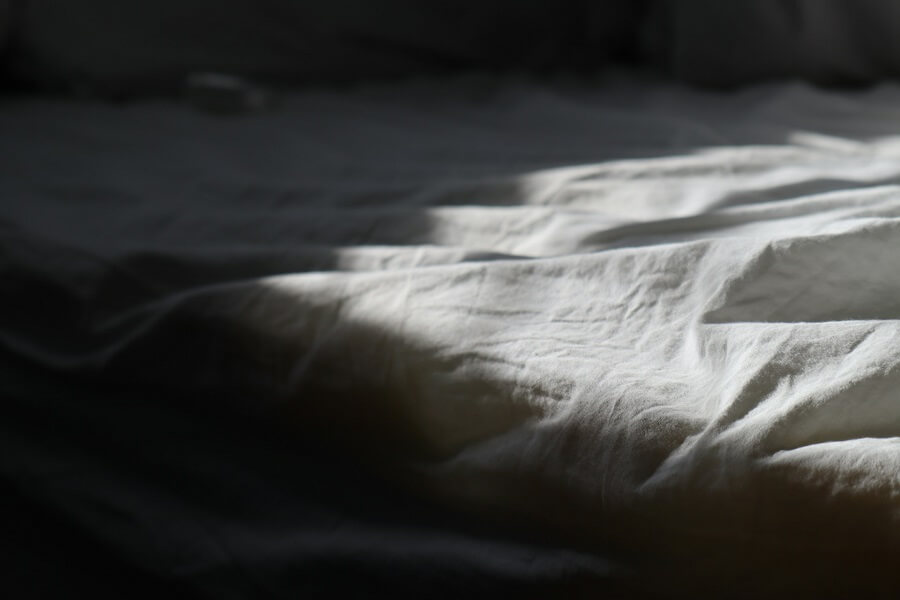
Rumpled linen bedsheets in early morning light, sleep as a free Hormonal Health habit

If anything earns the phrase how to balance your hormones naturally, it is four free habits, and between them they do most of the available work. They act mainly on two hormones the wellness aisle rarely names: insulin, which manages your blood sugar, and cortisol, your main stress hormone.

Sleep is the lever with the most pull. In a 1999 study in The Lancet, researchers restricted eleven healthy young men to four hours in bed for six nights and watched them start to process glucose like people at risk of diabetes, with raised cortisol by evening. A few bad nights measurably moved their hormones. Protect a consistent wind-down and a regular wake time before you reach for anything else. The how to sleep better guide and the Sleep Better edit go further.

Stress load is next. Cortisol is meant to spike and fall, but a life that never lets it fall keeps it high, and chronically high cortisol nudges appetite, sleep and mood. You cannot delete stress, but one daily practice that reliably drops your shoulders, a walk, breathing, anything you will actually repeat, does more than a cortisol gummy. The Reduce Stress edit is built around the habits, not the supplements.

What you eat matters most through steadiness, not restriction. Meals built around protein, fibre and vegetables keep insulin from spiking and crashing all day, which is most of what “eating for your hormones” honestly means. You do not need a special protocol, you need lunch that is not just fast carbohydrate.

Movement is the quiet one. Muscles pull glucose out of your blood when they contract, which improves insulin sensitivity, and you do not need a gym to get it. A brisk ten-minute walk after a meal counts. None of this is marketed hard, because none of it carries a margin.

Why Most Hormone-Balancing Supplements are Selling you the Gap

Most “hormone-balancing” supplements are selling the gap between wanting a fix and the free habits being dull. The free levers work, but they are repetitive and slow, and a capsule that promises to do the same thing while you carry on is a far easier sell. That gap, not your hormones, is the product.

Dr Annice Mukherjee, a UK consultant endocrinologist and author of The Complete Guide to the Menopause, is blunt about the appetite for a shortcut. On her clinic site she writes that “there are no miracle cures” and “there is no silver bullet”. The supplement aisle exists precisely because we all want one anyway.

The problem is not herbs or vitamins as a category, it is how the category is sold. A multi-herb “balance” blend with a long front-of-pack claim and a proprietary formula that hides the doses is the format to distrust, because the claim is doing the work the evidence cannot. Even the cautious clinical sources land here: few of these blends have real evidence for what the label promises. A single, named ingredient at a sensible dose for a specific, named problem is a different proposition, and we will come back to it. A catch-all blend promising to fix everything is mostly buying you hope. Browse with that filter and most of the Supplements shelf thins out fast.

The Exposure Almost Nobody Mentions: Everyday Endocrine Disruptors
Unlabelled glass personal-care bottle on a windowsill in daylight, reducing everyday endocrine disruptor exposure

If you want one product-shaped change with a real mechanism behind it, it is reducing your everyday exposure to endocrine-disrupting chemicals. The Endocrine Society defines these as any chemical “that can interfere with any aspect of hormone action”, and they turn up in some plastics, in synthetic fragrance, and in a share of everyday personal-care products. Two of the most studied are bisphenols and phthalates, both common in plastics and packaging.

This is the angle the wellness aisle skips, and it is the one the endocrine scientists actually care about. “A well-established body of scientific research indicates that endocrine-disrupting chemicals that are part of our daily lives are making us more susceptible to reproductive disorders, cancer, diabetes, obesity, heart disease, and other serious health conditions,” says Andrea C. Gore, PhD, of the University of Texas at Austin and lead author of the 2024 Endocrine Society and IPEN report on EDCs.

Here is where calibration matters, because this is where alarmism usually takes over. The mechanism is real and the concern is reasonable. The certainty at the low, everyday doses most of us encounter is not settled, and anyone selling you a “detox” from it is overstepping the science. The honest position is to reduce avoidable exposure because it is cheap and sensible, not because any single product is proven to be harming you.

The exposure worth changing is not in a supplement bottle, it is in the products you already use every day, and the concern there is real even where the certainty is not.

In practice that means fewer heavily fragranced products where they sit on your skin all day, and less plastic where it meets food or warmth. A simpler Deodorant is an easy first swap, and the Plastic Free range covers the food-contact end. Our piece on microplastics in cosmetics goes deeper on the beauty-cabinet side.

So, what is Worth Buying, and how to choose it
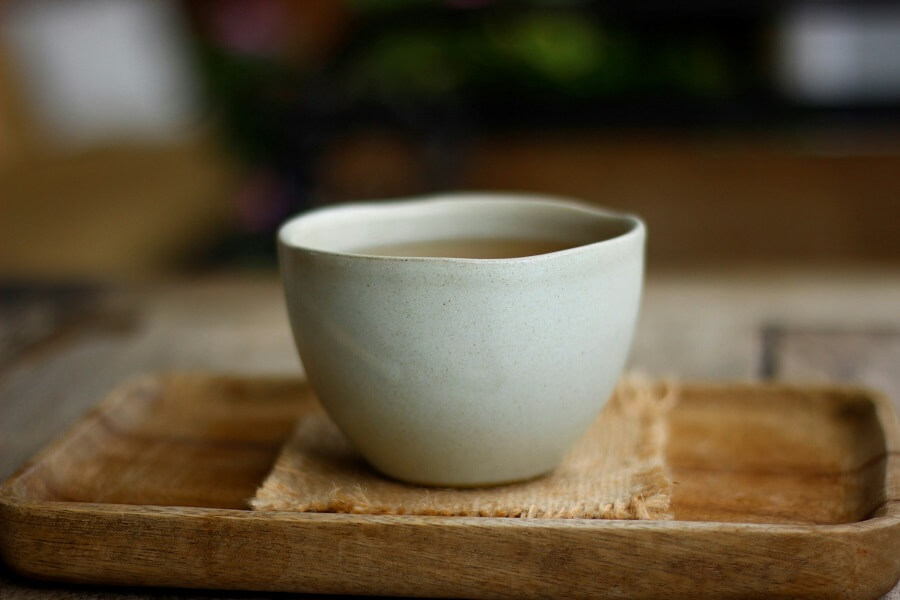
Loose herbal tea on a wooden spoon in kitchen window light, single-purpose Hormonal Health cycle support

Start from what is already settled. The free habits do most of the everyday work, and a real hormonal condition is a doctor’s job, not a shopping decision. Hold both of those before you spend anything.

Now the honest gap. You will still want something to buy, partly because the free levers are dull and partly because a few swaps are worth making on their own merits. That is reasonable. The trick is buying on a criterion instead of a promise.

For everyday products, the criterion is exposure, not detox. Favour fewer synthetic-fragrance options and lower-plastic formats where they meet your skin or your food, and ignore any product claiming to “balance” or “reset” your hormones from the outside. You are lowering avoidable load, not curing anything, and that framing keeps you honest about what you are paying for. Where it touches food or skin, Organic is a defensible default for the same reason.

For cycle or menopause support, the criterion is specificity. A single named herb at a sensible dose for one named need beats any multi-herb “hormone balance” blend promising to fix the lot. If you want gentle period-time support, a proper herbal Tea for that purpose is a smaller, clearer bet than a catch-all capsule, and the Women’s Health edit is filtered to that kind of single-purpose support.

Swap the product you use every day before you buy the one that promises to fix everything.

If you are heading into perimenopause, that is its own decision with real options worth understanding properly, and our perimenopause and menopause guide walks through what genuine support looks like before you reach for a supplement at all.

When it is not a Lifestyle Thing: The Symptoms that need a Doctor

Some symptoms are not a lifestyle project, they are a reason to see your GP. Periods that become irregular, very heavy or stop altogether. Sudden, unexplained weight or mood change. Persistent fatigue paired with feeling cold and sluggish, which can point to the thyroid. Perimenopause that is derailing your work, sleep or relationships. These deserve testing, not a tea.

The reason to take them seriously is that you can do everything right and still have a real condition underneath. “Sometimes you can be the healthiest version of yourself doing everything right and still be left with something that’s not what you want,” says Dr Jaime Knopman, a board-certified reproductive endocrinologist in New York. Lifestyle is the foundation, not a substitute for a diagnosis.

If any of the above fits you, ask your GP for proper assessment and, where it is warranted, referral to an endocrinologist. Blood tests exist for a reason, and a real imbalance is treated, not balanced away with habits. Self-help is for general support. It is not a diagnostic tool, and treating it as one is how genuine conditions get missed for years.

What to Skip: Seed Cycling, At-home Hormone Kits and Cortisol Detoxes

A few specific products are worth naming, because they are marketed hard and deliver little. At-home saliva hormone test kits sound empowering and mostly are not, because the reference ranges they judge you against are not validated for self-diagnosis, so you pay to be worried by a number that means little out of clinical context. Seed cycling, eating particular seeds in each half of your cycle, is harmless and pleasant and has no real evidence that it shifts hormones. And “cortisol detox” or “cortisol cleanse” products misunderstand the biology outright, because cortisol is not a toxin you flush, it is a hormone you regulate with sleep and stress load. Skip all three with a clear conscience.

The Finding

There is no dial marked balance, and that turns out to be good news rather than bad. It means the work is knowable. Real hormonal conditions are diagnosed and treated. The free habits, sleep, stress, food and movement, do most of the everyday lifting. The supplement aisle is mostly selling the gap between those two facts. And the single product-shaped change with a real mechanism behind it is the least glamorous one, lowering your avoidable exposure to everyday endocrine-disrupting chemicals, held at honest confidence rather than sold as a cure.

If you want to act on that, two moves are worth your money: simpler, lower-fragrance and lower-plastic everyday products where they meet your skin and food, and single-purpose cycle or menopause support chosen for a specific need. The women’s health and period-support edits and our perimenopause and menopause guide are the places to start.

Frequently Asked Questions

Can you really balance your hormones naturally?

You can support the systems that regulate your hormones with sleep, food, movement and a lower stress load, and for most everyday symptoms that is most of the available effect. A genuine medical imbalance, such as a thyroid condition or PCOS, is treated by a doctor, not balanced by lifestyle, and no supplement reliably does it for you.

What are the signs of a hormonal imbalance?

Watch for patterns rather than one-off bad days: periods that become irregular, very heavy or stop, unexplained weight or mood change, or persistent fatigue with feeling cold, which can suggest the thyroid. Ordinary tiredness after a busy week is not the same thing. If a symptom is persistent, sudden or worsening, see your GP for testing.

Do hormone-balancing supplements work?

Most multi-herb “balance” blends have little evidence for the claims on the front of the pack, and proprietary formulas that hide their doses are the ones to distrust. A single, named herb at a sensible dose for one specific need is a more defensible choice than a catch-all blend promising to fix everything at once.

Do endocrine disruptors in everyday products actually affect your hormones?

The mechanism is real and endocrine scientists take it seriously, so reducing avoidable exposure is reasonable. The certainty at the low, everyday doses most people encounter is not settled, which is why the sensible response is fewer fragranced and plastic products where they meet skin or food, not a “detox” that claims to undo harm.

When should I see a doctor about my hormones?

See a doctor when symptoms are specific, persistent or sudden: absent or wildly irregular periods, rapid unexplained weight or mood change, or fatigue with cold intolerance. The self-help levers are for general support, not diagnosis, and a real condition needs proper testing rather than a supplement.


READ NEXT

There is no dial inside you marked hormone balance, and nothing you can buy will turn it. That phrase belongs to marketing, not medicine. What is real is smaller and stranger: a few free habits that move your hormones, a handful of conditions that need a doctor, and one everyday exposure the wellness aisle never mentions.

Search how to balance your hormones naturally and you land in two worlds that never quite meet. One is clinical: pages about polycystic ovary syndrome, thyroid disease and perimenopause, written by the people who treat them. The other is the wellness aisle, where balance is a mood you buy back with a powder. Both use the same word. Only one of them means a medical condition. What works for Hormonal Health sits in the gap between the two, because that gap is where most of the money, and most of the confusion, lives.

What a Hormonal Imbalance Really Is, and What it has come to Mean

A real hormonal imbalance is a measurable medical condition, not a vague sense of being slightly off. Your hormones are chemical messengers, made mostly by the endocrine system, that regulate metabolism, reproduction, mood and sleep, as the Cleveland Clinic describes them. When one of those systems malfunctions, you get a named condition with a test behind it. Polycystic ovary syndrome, which the NHS estimates affects around 1 in 10 women, is one. An underactive or overactive thyroid is another. Perimenopause, the years of falling and lurching oestrogen before periods stop, is a third. Each comes with something the wellness version does not: a diagnosis, a blood test, a treatment that works.

Somewhere in the last decade the same phrase got borrowed for something much smaller. Feeling tired, bloated, irritable, not quite yourself became “hormone imbalance”, a problem you could supposedly fix with a supplement and a bag of seeds. The word did a lot of quiet work in that shift. It took a real clinical idea and stretched it over an ordinary bad week, then sold you the cure.

Your hormones are not out of balance because you feel tired on any given day.

Endocrinologists notice the overreach. “To some degree, I think we are scapegoating hormones,” Dr Caroline Messer, a board-certified endocrinologist in New York, told Fashionista. “Every time we feel tired or sad, it doesn’t mean it’s necessarily a hormone.” That distinction is the whole point. Some of what you feel is a condition that deserves testing. Most of it is life, and responds to the unglamorous things below.

How to Balance your Hormones Naturally: The Free Habits that do the Real Work

Rumpled linen bedsheets in early morning light, sleep as a free Hormonal Health habit

If anything earns the phrase how to balance your hormones naturally, it is four free habits, and between them they do most of the available work. They act mainly on two hormones the wellness aisle rarely names: insulin, which manages your blood sugar, and cortisol, your main stress hormone.

Sleep is the lever with the most pull. In a 1999 study in The Lancet, researchers restricted eleven healthy young men to four hours in bed for six nights and watched them start to process glucose like people at risk of diabetes, with raised cortisol by evening. A few bad nights measurably moved their hormones. Protect a consistent wind-down and a regular wake time before you reach for anything else. The how to sleep better guide and the Sleep Better edit go further.

Stress load is next. Cortisol is meant to spike and fall, but a life that never lets it fall keeps it high, and chronically high cortisol nudges appetite, sleep and mood. You cannot delete stress, but one daily practice that reliably drops your shoulders, a walk, breathing, anything you will actually repeat, does more than a cortisol gummy. The Reduce Stress edit is built around the habits, not the supplements.

What you eat matters most through steadiness, not restriction. Meals built around protein, fibre and vegetables keep insulin from spiking and crashing all day, which is most of what “eating for your hormones” honestly means. You do not need a special protocol, you need lunch that is not just fast carbohydrate.

Movement is the quiet one. Muscles pull glucose out of your blood when they contract, which improves insulin sensitivity, and you do not need a gym to get it. A brisk ten-minute walk after a meal counts. None of this is marketed hard, because none of it carries a margin.

Why Most Hormone-Balancing Supplements are Selling you the Gap

Most “hormone-balancing” supplements are selling the gap between wanting a fix and the free habits being dull. The free levers work, but they are repetitive and slow, and a capsule that promises to do the same thing while you carry on is a far easier sell. That gap, not your hormones, is the product.

Dr Annice Mukherjee, a UK consultant endocrinologist and author of The Complete Guide to the Menopause, is blunt about the appetite for a shortcut. On her clinic site she writes that “there are no miracle cures” and “there is no silver bullet”. The supplement aisle exists precisely because we all want one anyway.

The problem is not herbs or vitamins as a category, it is how the category is sold. A multi-herb “balance” blend with a long front-of-pack claim and a proprietary formula that hides the doses is the format to distrust, because the claim is doing the work the evidence cannot. Even the cautious clinical sources land here: few of these blends have real evidence for what the label promises. A single, named ingredient at a sensible dose for a specific, named problem is a different proposition, and we will come back to it. A catch-all blend promising to fix everything is mostly buying you hope. Browse with that filter and most of the Supplements shelf thins out fast.

The Exposure Almost Nobody Mentions: Everyday Endocrine Disruptors

Unlabelled glass personal-care bottle on a windowsill in daylight, reducing everyday endocrine disruptor exposure

If you want one product-shaped change with a real mechanism behind it, it is reducing your everyday exposure to endocrine-disrupting chemicals. The Endocrine Society defines these as any chemical “that can interfere with any aspect of hormone action”, and they turn up in some plastics, in synthetic fragrance, and in a share of everyday personal-care products. Two of the most studied are bisphenols and phthalates, both common in plastics and packaging.

This is the angle the wellness aisle skips, and it is the one the endocrine scientists actually care about. “A well-established body of scientific research indicates that endocrine-disrupting chemicals that are part of our daily lives are making us more susceptible to reproductive disorders, cancer, diabetes, obesity, heart disease, and other serious health conditions,” says Andrea C. Gore, PhD, of the University of Texas at Austin and lead author of the 2024 Endocrine Society and IPEN report on EDCs.

Here is where calibration matters, because this is where alarmism usually takes over. The mechanism is real and the concern is reasonable. The certainty at the low, everyday doses most of us encounter is not settled, and anyone selling you a “detox” from it is overstepping the science. The honest position is to reduce avoidable exposure because it is cheap and sensible, not because any single product is proven to be harming you.

The exposure worth changing is not in a supplement bottle, it is in the products you already use every day, and the concern there is real even where the certainty is not.

In practice that means fewer heavily fragranced products where they sit on your skin all day, and less plastic where it meets food or warmth. A simpler Deodorant is an easy first swap, and the Plastic Free range covers the food-contact end. Our piece on microplastics in cosmetics goes deeper on the beauty-cabinet side.

So, what is Worth Buying, and how to choose it

Loose herbal tea on a wooden spoon in kitchen window light, single-purpose Hormonal Health cycle support

Start from what is already settled. The free habits do most of the everyday work, and a real hormonal condition is a doctor’s job, not a shopping decision. Hold both of those before you spend anything.

Now the honest gap. You will still want something to buy, partly because the free levers are dull and partly because a few swaps are worth making on their own merits. That is reasonable. The trick is buying on a criterion instead of a promise.

For everyday products, the criterion is exposure, not detox. Favour fewer synthetic-fragrance options and lower-plastic formats where they meet your skin or your food, and ignore any product claiming to “balance” or “reset” your hormones from the outside. You are lowering avoidable load, not curing anything, and that framing keeps you honest about what you are paying for. Where it touches food or skin, Organic is a defensible default for the same reason.

For cycle or menopause support, the criterion is specificity. A single named herb at a sensible dose for one named need beats any multi-herb “hormone balance” blend promising to fix the lot. If you want gentle period-time support, a proper herbal Tea for that purpose is a smaller, clearer bet than a catch-all capsule, and the Women’s Health edit is filtered to that kind of single-purpose support.

Swap the product you use every day before you buy the one that promises to fix everything.

If you are heading into perimenopause, that is its own decision with real options worth understanding properly, and our perimenopause and menopause guide walks through what genuine support looks like before you reach for a supplement at all.

When it is not a Lifestyle Thing: The Symptoms that need a Doctor

Some symptoms are not a lifestyle project, they are a reason to see your GP. Periods that become irregular, very heavy or stop altogether. Sudden, unexplained weight or mood change. Persistent fatigue paired with feeling cold and sluggish, which can point to the thyroid. Perimenopause that is derailing your work, sleep or relationships. These deserve testing, not a tea.

The reason to take them seriously is that you can do everything right and still have a real condition underneath. “Sometimes you can be the healthiest version of yourself doing everything right and still be left with something that’s not what you want,” says Dr Jaime Knopman, a board-certified reproductive endocrinologist in New York. Lifestyle is the foundation, not a substitute for a diagnosis.

If any of the above fits you, ask your GP for proper assessment and, where it is warranted, referral to an endocrinologist. Blood tests exist for a reason, and a real imbalance is treated, not balanced away with habits. Self-help is for general support. It is not a diagnostic tool, and treating it as one is how genuine conditions get missed for years.

What to Skip: Seed Cycling, At-home Hormone Kits and Cortisol Detoxes

A few specific products are worth naming, because they are marketed hard and deliver little. At-home saliva hormone test kits sound empowering and mostly are not, because the reference ranges they judge you against are not validated for self-diagnosis, so you pay to be worried by a number that means little out of clinical context. Seed cycling, eating particular seeds in each half of your cycle, is harmless and pleasant and has no real evidence that it shifts hormones. And “cortisol detox” or “cortisol cleanse” products misunderstand the biology outright, because cortisol is not a toxin you flush, it is a hormone you regulate with sleep and stress load. Skip all three with a clear conscience.

The Finding

There is no dial marked balance, and that turns out to be good news rather than bad. It means the work is knowable. Real hormonal conditions are diagnosed and treated. The free habits, sleep, stress, food and movement, do most of the everyday lifting. The supplement aisle is mostly selling the gap between those two facts. And the single product-shaped change with a real mechanism behind it is the least glamorous one, lowering your avoidable exposure to everyday endocrine-disrupting chemicals, held at honest confidence rather than sold as a cure.

If you want to act on that, two moves are worth your money: simpler, lower-fragrance and lower-plastic everyday products where they meet your skin and food, and single-purpose cycle or menopause support chosen for a specific need. The women’s health and period-support edits and our perimenopause and menopause guide are the places to start.

Frequently Asked Questions

Can you really balance your hormones naturally?

You can support the systems that regulate your hormones with sleep, food, movement and a lower stress load, and for most everyday symptoms that is most of the available effect. A genuine medical imbalance, such as a thyroid condition or PCOS, is treated by a doctor, not balanced by lifestyle, and no supplement reliably does it for you.

What are the signs of a hormonal imbalance?

Watch for patterns rather than one-off bad days: periods that become irregular, very heavy or stop, unexplained weight or mood change, or persistent fatigue with feeling cold, which can suggest the thyroid. Ordinary tiredness after a busy week is not the same thing. If a symptom is persistent, sudden or worsening, see your GP for testing.

Do hormone-balancing supplements work?

Most multi-herb “balance” blends have little evidence for the claims on the front of the pack, and proprietary formulas that hide their doses are the ones to distrust. A single, named herb at a sensible dose for one specific need is a more defensible choice than a catch-all blend promising to fix everything at once.

Do endocrine disruptors in everyday products actually affect your hormones?

The mechanism is real and endocrine scientists take it seriously, so reducing avoidable exposure is reasonable. The certainty at the low, everyday doses most people encounter is not settled, which is why the sensible response is fewer fragranced and plastic products where they meet skin or food, not a “detox” that claims to undo harm.

When should I see a doctor about my hormones?

See a doctor when symptoms are specific, persistent or sudden: absent or wildly irregular periods, rapid unexplained weight or mood change, or fatigue with cold intolerance. The self-help levers are for general support, not diagnosis, and a real condition needs proper testing rather than a supplement.
Leave a Comment