Microplastics are everywhere. In our oceans. In our seafood. In the air we breathe, and yes, in a surprising amount of what we put on our skin. The UK banned microbeads in rinse-off cosmetics back in 2018, and many other countries have followed, but the story doesn’t end there. Glitter, paints, polishes and detergents can still contain primary microplastics, and clothes shed plastic fibres every time they go in the wash.
Here’s what microplastics actually are, why they matter, and the practical swaps that stop you adding to the problem.
What are microplastics and microbeads?
Microplastics are any pieces of plastic under 5mm. Microbeads are a specific type of microplastic that was added to cosmetics and cleaning products for years, usually smaller than 1mm. On ingredient lists they appear as polyethylene (PE), polymethyl methacrylate (PMMA), nylon, polyethylene terephthalate (PET) or polypropylene (PP).
Primary microplastics like microbeads are manufactured small on purpose. Secondary microplastics are what happens when larger pieces of plastic break down in the environment. Both end up in the same places.
Why were microbeads added to cosmetics in the first place?
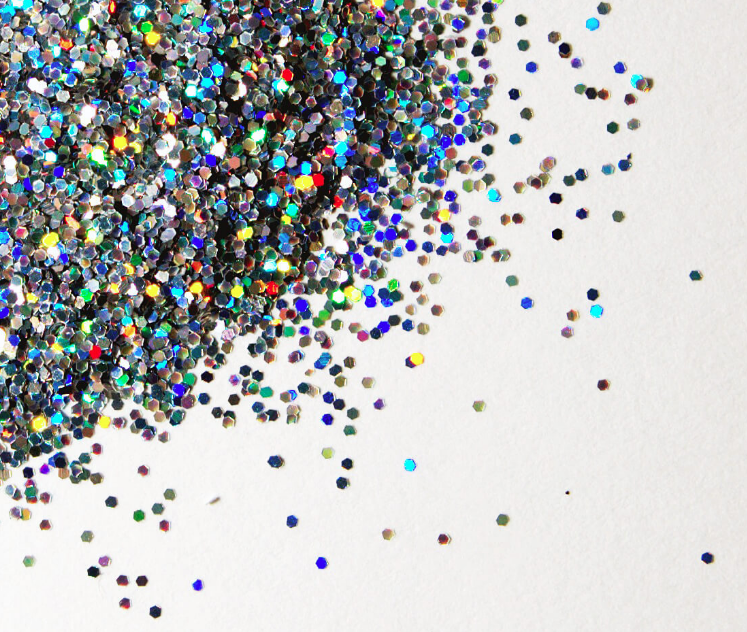
They were cheap. They had uniform size and shape, which made them less abrasive than natural alternatives like almond, oat or pumice. They didn’t degrade or dissolve, which gave products a long shelf life. They could add colour or sparkle to almost anything.
As cosmetic brands competed for space on pharmacy shelves, every new formula promised better performance. Microbeads turned up in everything from toothpaste and facial scrubs to bath bombs and hair gel.
Why microbeads are a problem
Microbeads are designed to be washed down the drain. They’re also too small to be filtered out by water treatment plants, which means they pass straight through and enter rivers and oceans through treated wastewater. They don’t biodegrade.
Research from Plymouth University found that a single 150ml tube of facial scrub could contain hundreds of thousands of microplastic particles, with thousands released with every use.
Once in the sea, microplastics attract waterborne toxins and bacteria, which stick to their surfaces. Fish, insect larvae and marine animals mistake them for food. The particles block digestive tracts, and the accumulated pollutants can enter the human food chain through contaminated seafood.
A 2018 study in Marine Pollution Bulletin analysed every marine mammal necropsied around UK coastlines over four years and found microplastics in every single animal, across ten different species. A 2017 paper in Environmental Pollution estimated that the average European shellfish consumer ingests around 11,000 microplastic particles a year through their diet. The picture of human health risk has sharpened considerably since: a landmark 2025 study published in Nature Medicine, led by University of New Mexico researchers, found microplastics and nanoplastics in every human brain tissue sample tested — with concentrations in brains sampled in 2024 approximately 50% higher than in those from 2016, and even greater accumulation found in people with a documented dementia diagnosis.
Microplastics have been found in every marine mammal surveyed in UK waters.
What the UK ban actually covered
The UK microbead ban came into force in 2018 under The Environmental Protection (Microbeads) (England) Regulations 2017, stopping the manufacture and sale of rinse-off cosmetic products containing microbeads — defined as any water-insoluble solid plastic particle of 5mm or less. The UK government’s consultation and policy statement set out the scope and rationale, with equivalent regulations enacted separately in Scotland, Wales and Northern Ireland. The Netherlands, South Korea, Taiwan, Sweden, New Zealand, France, Canada, India, Italy and parts of the US have brought in similar legislation.
The ban was a win, but it was narrow. It doesn’t cover leave-on cosmetics, glitter, paints, polishes or detergents.
In 2023, the European Chemicals Agency confirmed a broader restriction on intentionally added microplastics under the EU’s REACH regulation — one of the widest restrictions ever adopted by ECHA, covering a much wider range of product categories than the UK ban and phasing in over several years. As of 2025, the first phase of restrictions on glitter and loose cosmetic microplastics has already taken effect across EU member states.
Secondary microplastics from synthetic clothing and single-use plastic are a separate problem entirely, covered in our guide to eco swaps for fashion.
How to avoid adding to microplastic pollution
Even with the ban in place, there are still plenty of places primary and secondary microplastics enter the environment. Ten practical things you can do:
- Check older cosmetics for the ingredient codes. Polyethylene (PE), polymethyl methacrylate (PMMA), nylon, polyethylene terephthalate (PET) and polypropylene (PP) are the main ones. If you spot them, use the product up carefully or bin it rather than rinsing it down the drain.
- Wear clothes made from natural fibres. Linen, hemp and organic cotton shed far less than polyester and polyamide, which release microfibres with every wash. Browse the Clothing edit for natural-fibre options.
- Choose natural paints, oils and polishes for your home. Acrylics, polyurethane and alkyds all contain types of plastic.
- Skip glitter. Even biodegradable glitter can contain residual plastic, and a 2020 study by Anglia Ruskin University found that several “biodegradable” glitters tested had similar ecological effects to conventional plastic glitter.
- Pick shoes made from natural fibres with natural rubber soles. Synthetic shoe soles are a measurable source of microplastic wear.
- Make your own household cleaning products from simple ingredients like bicarbonate of soda and white vinegar, or buy concentrated refillable formats from the Refillable Multi-Surface edit.
- Use natural fibre sponges and scrubbers for washing up and bathing. Loofah, cellulose and sisal replace synthetic sponges, which shed microplastics in wastewater.
- Switch to loose leaf tea. A 2019 study in Environmental Science and Technology found that a single plastic teabag steeped at brewing temperature can release billions of microplastic and nanoplastic particles into a cup.
- Cut back on single-use plastic to reduce secondary microplastic pollution at source.
- Support campaigns pushing for tighter regulation, like Beat the Microbead from the Plastic Soup Foundation, which tracks microplastics in cosmetics globally.
Progress, not perfection
The microplastic story isn’t a clean fix. There’s no single product you can buy that undoes it, and obsessing over every ingredient list is exhausting. The realistic move is to cut plastic at the points where you have control, starting with the things you buy most often.
For more on practical swaps, read our guides to eco swaps for beauty and eco swaps for home. Both are full of simple replacements you can make without overhauling your life.
Every brand in the Beauty and Self-Care category on Ziracle is screened against the standard, so you don’t have to read every ingredient label. Brands that are Plastic Free go a step further.Ready to switch? Browse the Healthy Skin edit for products that leave microplastics out by design.
FAQs
Yes, but fewer than before. The 2018 UK ban stopped microbeads in rinse-off products like scrubs, shower gels and toothpaste. It didn’t cover leave-on cosmetics (moisturisers, foundations, mascara), glitter, or other categories where plastic particles may still appear. Check ingredient lists for polyethylene (PE), polymethyl methacrylate (PMMA), nylon, PET and polypropylene. The EU’s 2023 REACH restriction will phase out intentionally added microplastics more broadly across those categories over the coming years.
Microplastics are any plastic particle smaller than 5mm. Microbeads are a specific type of microplastic, usually under 1mm, that were manufactured small on purpose and added to cosmetics and cleaning products. All microbeads are microplastics. Not all microplastics are microbeads. Many microplastics are secondary, meaning they come from larger plastic items breaking down in the environment.
The evidence suggests yes, and the picture has grown considerably more concerning. A 2017 paper in Environmental Pollution estimated that the average European shellfish consumer ingests around 11,000 microplastic particles a year through seafood alone. Microplastics have since been found in table salt, bottled water, tap water, blood, breast milk and human placentas. 2025 study in Nature Medicine found microplastics and nanoplastics in every human brain tissue sample examined, at concentrations that increased by approximately 50% between 2016 and 2024. A separate 2024 study in the New England Journal of Medicine found microplastics in arterial plaque and linked their presence to significantly elevated risk of heart attack, stroke, or death. Long-term health effects are still being studied but the evidence for harm is strengthening rapidly. The current scientific consensus is that exposure is real, measurable, and worth reducing at source.
For microplastic pollution, yes. Synthetic fibres like polyester, polyamide and acrylic shed microfibres during every wash, which flow through wastewater treatment and into rivers and oceans. Natural fibres like organic cotton, linen, hemp and wool don’t. Natural fibres have their own environmental footprint (cotton is water-intensive, conventional wool raises animal welfare questions), which is why certifications like GOTS and Fair Trade matter. A microfibre filter bag for your washing machine is a useful intermediate step if your wardrobe is mostly synthetic.
It’s an improvement on conventional glitter but not a clean answer. A 2020 study by Anglia Ruskin University found that several biodegradable glitters tested had ecological effects comparable to conventional plastic glitter in freshwater systems. The more conservative choice is to skip glitter altogether, or use properly compostable mineral-based alternatives for specific occasions rather than treating biodegradable glitter as a free pass.