
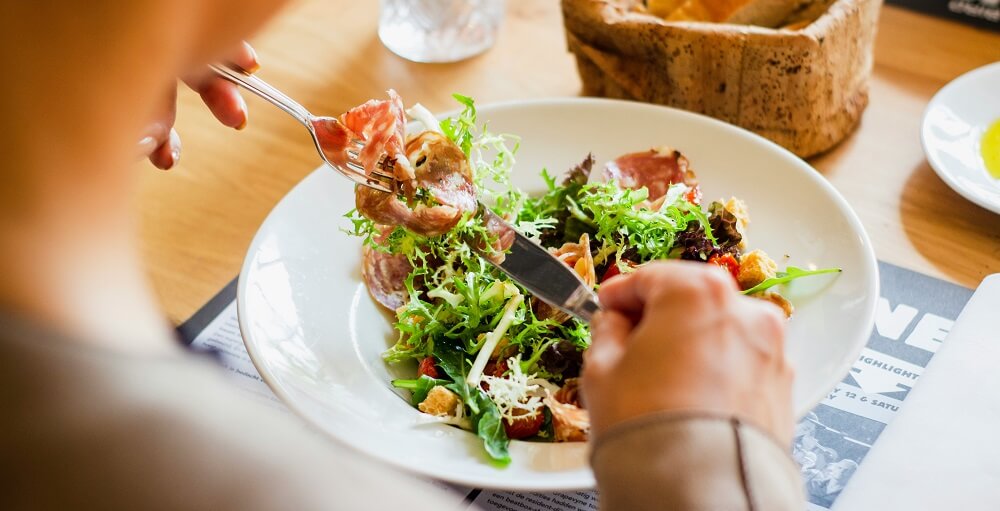
The word “vegan” still puts a lot of people off. But the research on plant-based eating does not require you to go all the way to get most of the benefit. Here is what the evidence says, what to stock, and how to make it work.
It sounds like a commitment, a label, a lifestyle. But eating more plants, not exclusively plants, is one of the most well-evidenced things you can do for your health and for the planet.
This guide is for people who want to eat better, not for people who want an identity. Here is what the evidence actually says, what to stock, and how to make it easy.
Why plant-based eating is worth trying even if you are not going fully vegan
There is a wide spectrum between eating a standard Western diet and being fully vegan. Flexitarian, vegetarian, pescatarian – all involve eating more plants and less meat, and all deliver meaningful benefits relative to where most people currently are.

A 2025 modelling study in Frontiers in Nutrition, with Dr Noelia Rodríguez-Martín of the Instituto de la Grasa-CSIC and the University of Granada as corresponding author, found that a vegan diet cut daily greenhouse gas emissions by 46% compared to an omnivorous Mediterranean diet, while ovo-lacto and pesco-vegetarian diets cut emissions by up to 35%. The headline: you do not need to go fully vegan to move the needle. Every meal with more plants counts.
On the health side, the picture is equally clear. A 2024 analysis by the Office of Health Economics, commissioned by The Vegan Society, estimated that if everyone in England adopted a plant-based diet, the NHS could save around £6.7 billion a year, with 2.1 million fewer cases of disease and more than 170,000 additional quality-adjusted life years. The conditions with the strongest evidence for improvement were cardiovascular disease, type 2 diabetes, and several forms of cancer.
None of this requires perfection. It requires direction.
What does the evidence actually say about plant-based diets and health?
Plant-based diets are typically lower in saturated fat and higher in fibre, antioxidants and phytochemicals. The evidence linking plant-based eating to cardiovascular disease prevention is strong, with improvements in weight, cholesterol, blood pressure and blood glucose all well-documented in both observational studies and randomised controlled trials.
The NHS is clear on this: a well-planned plant-based diet can meet all nutritional needs at every life stage, and the guidance was reviewed and reconfirmed by the NHS in June 2026. The word “planned” is doing important work in that sentence. A handful of nutrients need attention.
There is now compelling evidence that plant-based diets can benefit people’s health. – Dr Chris Sampson, Senior Economist, Office of Health Economics (2024)
Vitamin B12 is the one that matters most, because it is not found in plants and the NHS recommends vegans either eat fortified foods at least twice a day or take a supplement, with the UK’s Reference Nutrient Intake set at 1.5mcg per day for adults. The Vegan Society and British Dietetic Association more specifically recommend either fortified foods providing at least 3mcg of B12 twice daily, or a daily supplement of 10mcg. NHS dietetic guidance confirms this is the single most important nutrient to plan for on a plant-based diet. That does not mean plant-based eating is compromised – a £3 supplement covers it. But the requirement is non-negotiable, not a technicality.
Iron from plant sources is absorbed less efficiently than iron from meat. Eating iron-rich plants (lentils, chickpeas, tofu, and dark leafy greens) alongside vitamin C-rich foods improves absorption considerably. Not complicated, but worth knowing.
Vitamin D is relevant for everyone in the UK, plant-based or not. The NHS recommends everyone considers a supplement through autumn and winter regardless of diet.
Iodine and calcium need attention if dairy is removed. Fortified plant milks, seaweed and iodised salt cover iodine. Calcium comes from fortified plant milks, tofu, tahini and green leafy vegetables.
The reassuring summary: the nutrients that need managing are manageable. A good multivitamin designed for plant-based eaters covers most of them in one go. Browse our Wellness and Vitality range for options that meet the standard.
The practical bit: what to eat, what to stock, and where people go wrong
The biggest mistake people make when moving toward plant-based eating is treating it as subtraction. Remove the meat. What is left? Not much that is interesting. The better approach is addition first: add the foods that make plant-based eating good, then let meat naturally take a smaller role.
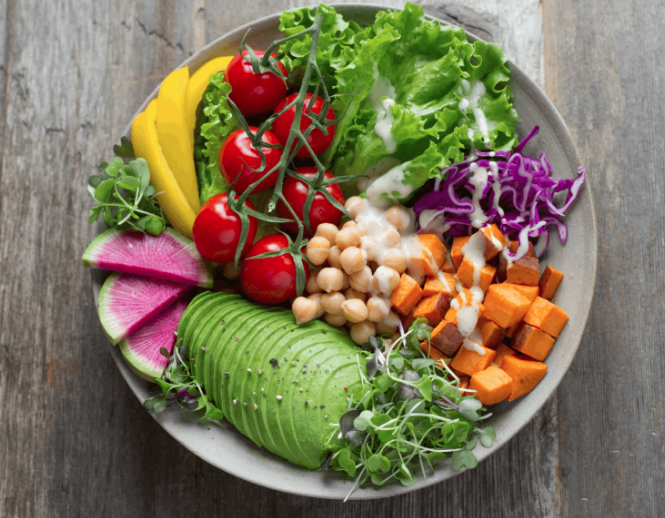
The foods that do the heavy lifting:
Legumes – lentils, chickpeas, black beans and cannellini beans – are the backbone of plant-based eating. Cheap, filling, high in protein and fibre, and delicious when cooked properly. A tin of chickpeas and a jar of tahini will take you further than almost anything else in the cupboard.
Whole grains – brown rice, oats, quinoa, farro and barley – provide sustained energy and texture. Most of the fibre comes from here.
Nuts and seeds – walnuts, almonds, hemp seeds, chia seeds and pumpkin seeds – add fat, protein and flavour. A handful on top of most things makes it better.
Tofu and tempeh are worth learning to cook properly. Pressed tofu, dried and cooked at high heat, bears no resemblance to the soft, watery version most people encounter first. Tempeh has a nuttier, more complex flavour and holds together better.
What to keep in the cupboard at all times: tinned chickpeas, lentils, cannellini beans and black beans. Tinned tomatoes. Tahini. Good olive oil. Miso paste. Soy sauce. Nutritional yeast. These things make everything taste like it took more effort than it did.
Where people go wrong: relying on ultra-processed meat substitutes as the main protein source. Some are fine occasionally. But a diet built around vegan sausages and plant-based burgers is a different thing from a diet built around whole plant foods, and the evidence for health benefits applies to the latter.
The products that make it easy
This is where Ziracle’s job is to have done the work already. Every product in the Nutrition & Superfoods range has passed the same standard on efficacy, ethics and transparency. For plant-based eating, that means organic where it counts, no unnecessary additives, and brands that are honest about what is in the product and where it comes from.
What to look for: good-quality tinned legumes, organic plant milks without unnecessary additives, tahini that is just sesame seeds, nut butters without palm oil or added sugar, and supplements certified fully Vegan rather than plant-adjacent.
The brands that make the best plant-based eating possible are the ones making food that tastes good, not food that tastes like a compromise. That is the bar. For more on how what you eat affects how you feel, read our guide to how food affects mood.
How to make it stick without making it a project
The research on behaviour change is consistent: starting small and staying consistent beats starting ambitious and dropping off. One or two plant-based meals a week is a real change. Three or four is a meaningful shift. Five is most of the week.
Pick one meal to change first. Most people find breakfast or lunch easier than dinner, because there is less social pressure and fewer expectations. Porridge with seeds and fruit. A lentil soup. A chickpea salad. None of these require a recipe book.
Cook in batches. A big pot of lentil dal, a tray of roasted vegetables, a pan of rice. These take 30 minutes once and feed you several times. The people who eat well consistently are not the ones who cook every day – they are the ones who cook a few things that stretch across the week.
Do not make it a rule. Rules create failure states. If you eat meat at a friend’s dinner and enjoy it, that is fine. The overall direction matters more than any individual meal. Every choice adds up, not because you are obligated to be perfect, but because small consistent changes compound into something real over time.
Plant-based does not have to mean all-in. Direction, not identity. Browse Eat Well for the products that have already passed the Ziracle standard on efficacy, ethics and transparency.
FAQ
No. A 2025 modelling study in Frontiers in Nutrition found that ovo-lacto and pesco-vegetarian diets cut carbon emissions by up to 35%, compared to 46% for a fully vegan diet. The health evidence follows a similar pattern: the biggest gains come from shifting in a plant-based direction, not from arriving at 100%. One or two plant-based meals a week is a real change.
Vitamin B12 is the non-negotiable, because it is not found in plants and the NHS recommends fortified foods twice a day or a daily supplement. Iron absorbs better when eaten with vitamin C. Iodine and calcium matter if you have cut dairy. Vitamin D is recommended for everyone in the UK through autumn and winter, plant-based or not. A well-planned diet, with one good multivitamin, covers most of this.
Tofu is minimally processed. It is made from soybeans, water and a coagulant, in the same way cheese is made from milk. Large observational studies have linked regular tofu consumption to better cardiovascular outcomes. The brand matters: look for organic, non-GMO soy, and avoid highly seasoned or breaded versions if you want the cleanest product.
It depends. Some are fine occasionally. But many ultra-processed meat substitutes are high in saturated fat, salt and additives, and the evidence for health benefits applies to diets built around whole plant foods, not around vegan burgers. Use them as a bridge when you are starting out or a convenience when you need one. Do not make them the protein foundation of the diet.
Pick one meal to change and stick with it for a month. Breakfast or lunch is usually easier than dinner, because there is less social pressure around it. Porridge with seeds and fruit. A lentil soup. A chickpea salad. Build from there once that meal is effortless. The people who shift their diets long-term are the ones who start small.